How wet the work gets decides the floor: in-ground rows and heavy potting call for soil, crushed rock or wood mulch that drains, while a spot for sitting among plants can handle tile, wood, bricks or pavers.
Floors in this list range from bare soil at almost no cost to brick, pavers and stone tile, and a few of the best ones pair 2 materials, like a patterned tile path with gravel on both sides.
Settle drainage first, since water with nowhere to go ruins any surface.
1. Bricks
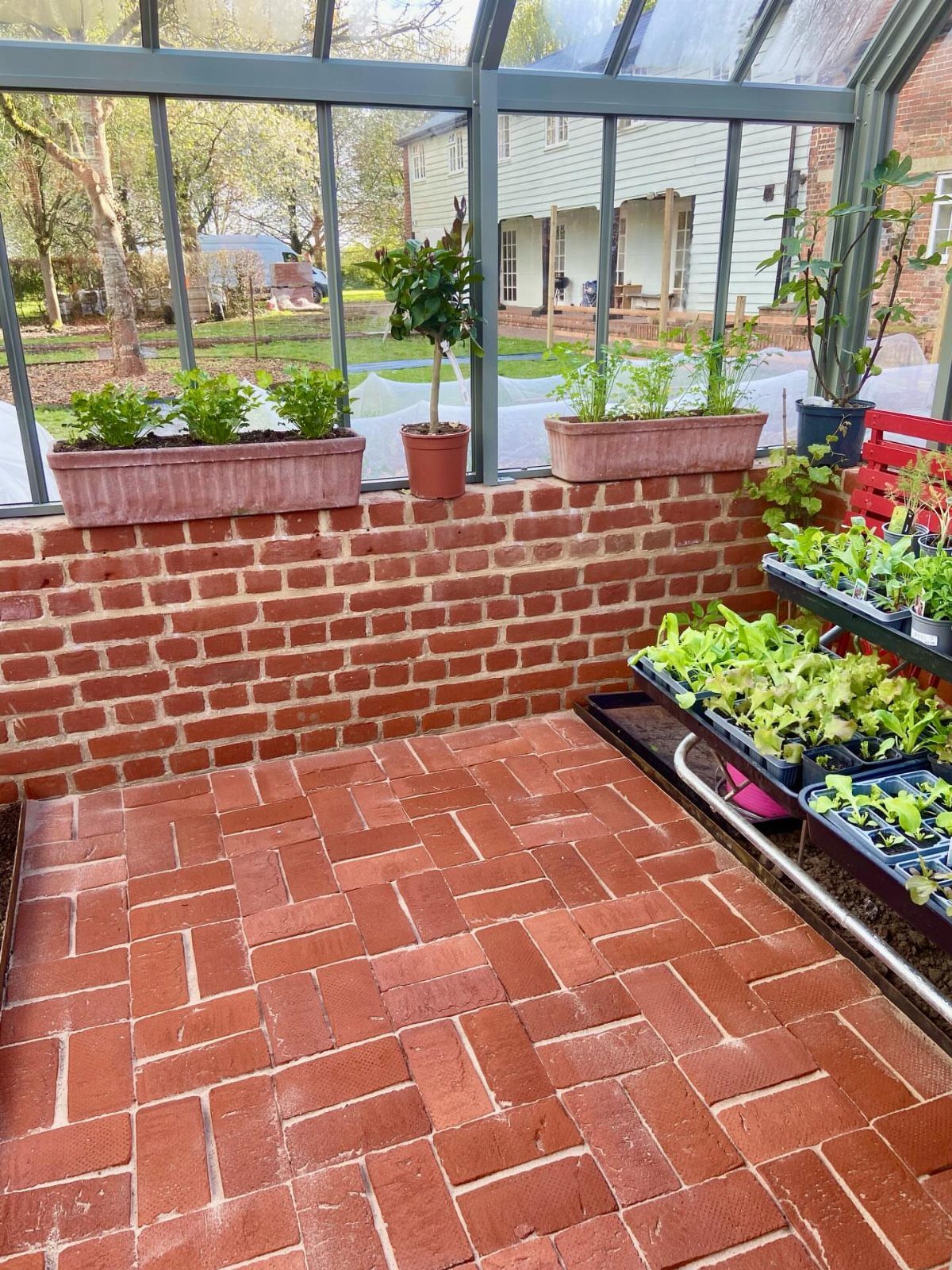
Red brick laid in a herringbone pattern makes a greenhouse floor that looks finished, and the interlocking angle keeps the field of bricks tight and steady underfoot.
Brick is a hard, heat-holding surface, so it suits growers who want a floor that doubles as a design feature.
I like pairing it with a low brick wall in the same tone, so the floor and edges read as one piece. Pick herringbone over a plain grid if you want the pattern to be the focus.
2. Pavers
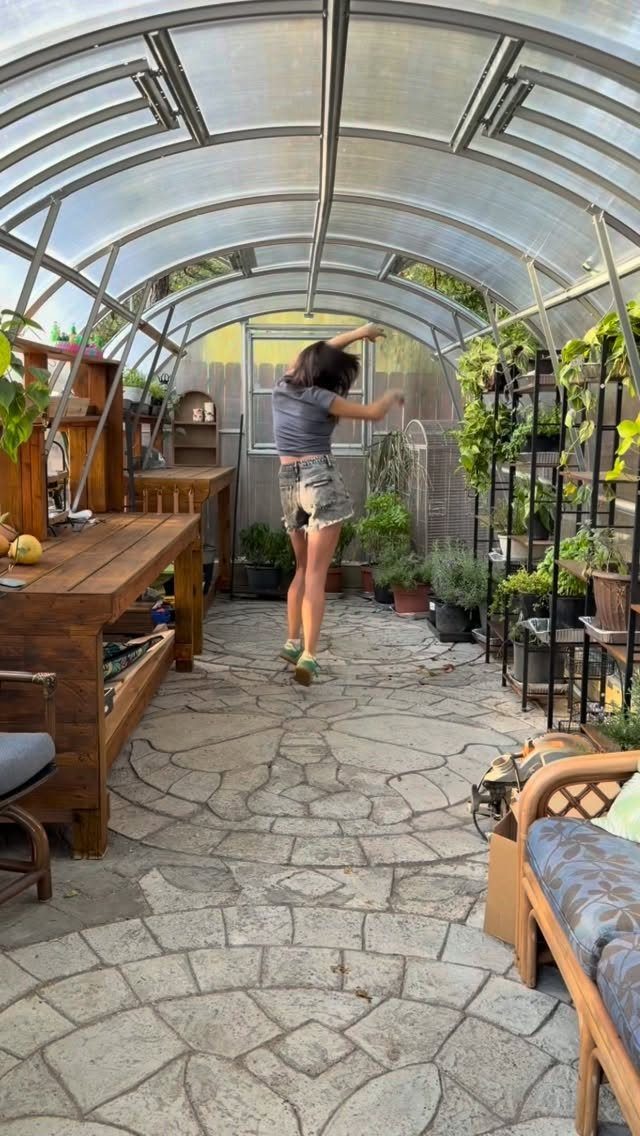
Irregular grey stone pavers give you a solid, walkable floor without pouring a concrete slab. Each stone sits on its own, which makes the job friendly to a weekend and a modest budget.
Wide, flat pavers also hold up well under wooden workbenches and heavy pots. I would choose irregular stones over uniform squares for a relaxed, garden feel, and leave narrow gaps between them so the floor looks natural rather than rigid.
3. Crushed Rock
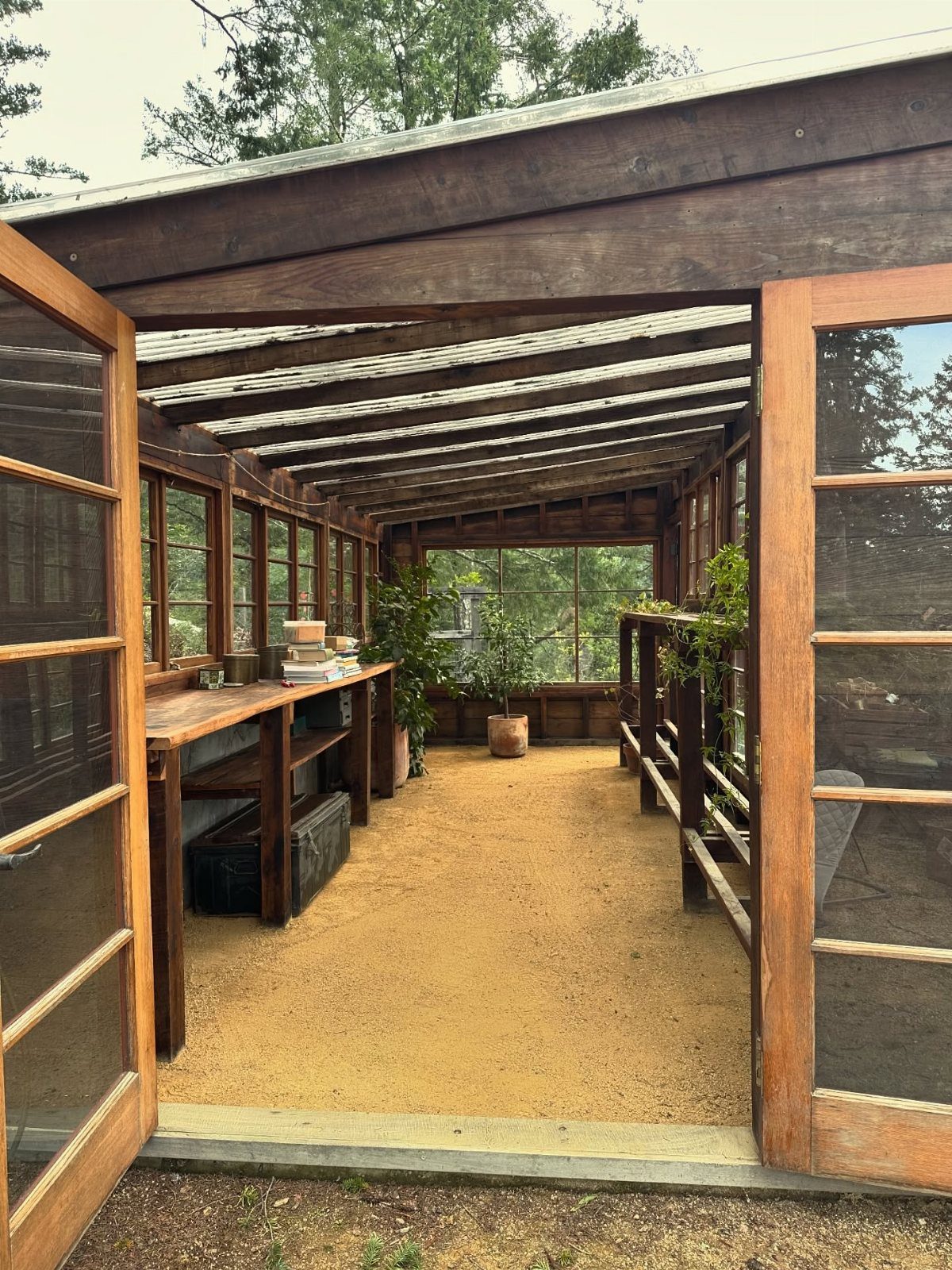
A floor of crushed rock stays easy: rake it level, and the surface drains well when you water.
Compact the rock firmly so it feels solid underfoot and stays put around bench legs.
For paths, it is one of the cheapest ways to get a clean, workable surface, and touching it up takes a rake and a few minutes.
4. Landscape Fabric
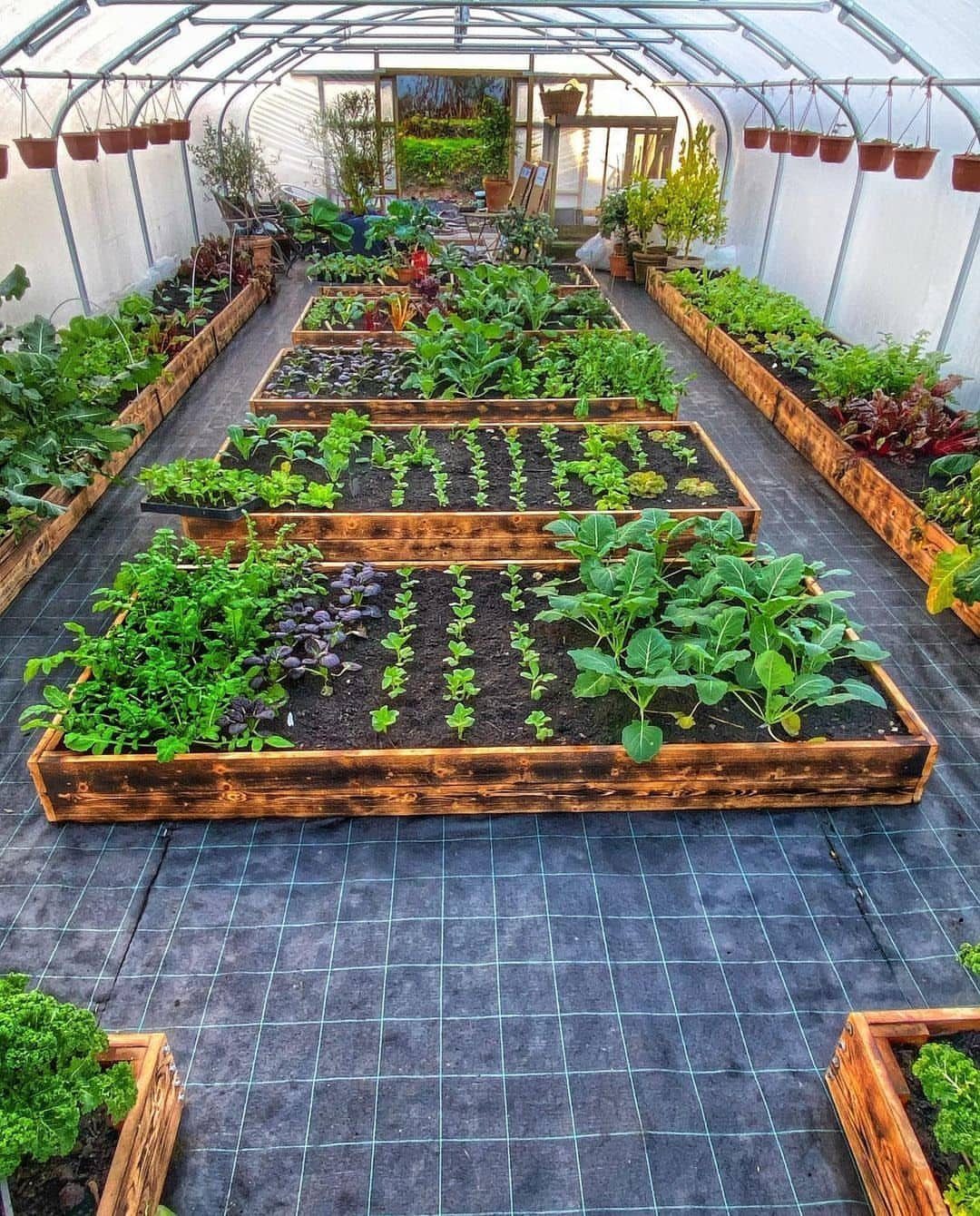
Black landscape fabric is the quiet workhorse of greenhouse floors: woven weed-control cloth laid over the ground between raised beds keeps the walkways free of sprouts.
I would lay it before the beds go in, then pin the edges down. Alone, it is a budget fix; under another material, it is the better choice.
5. Soil
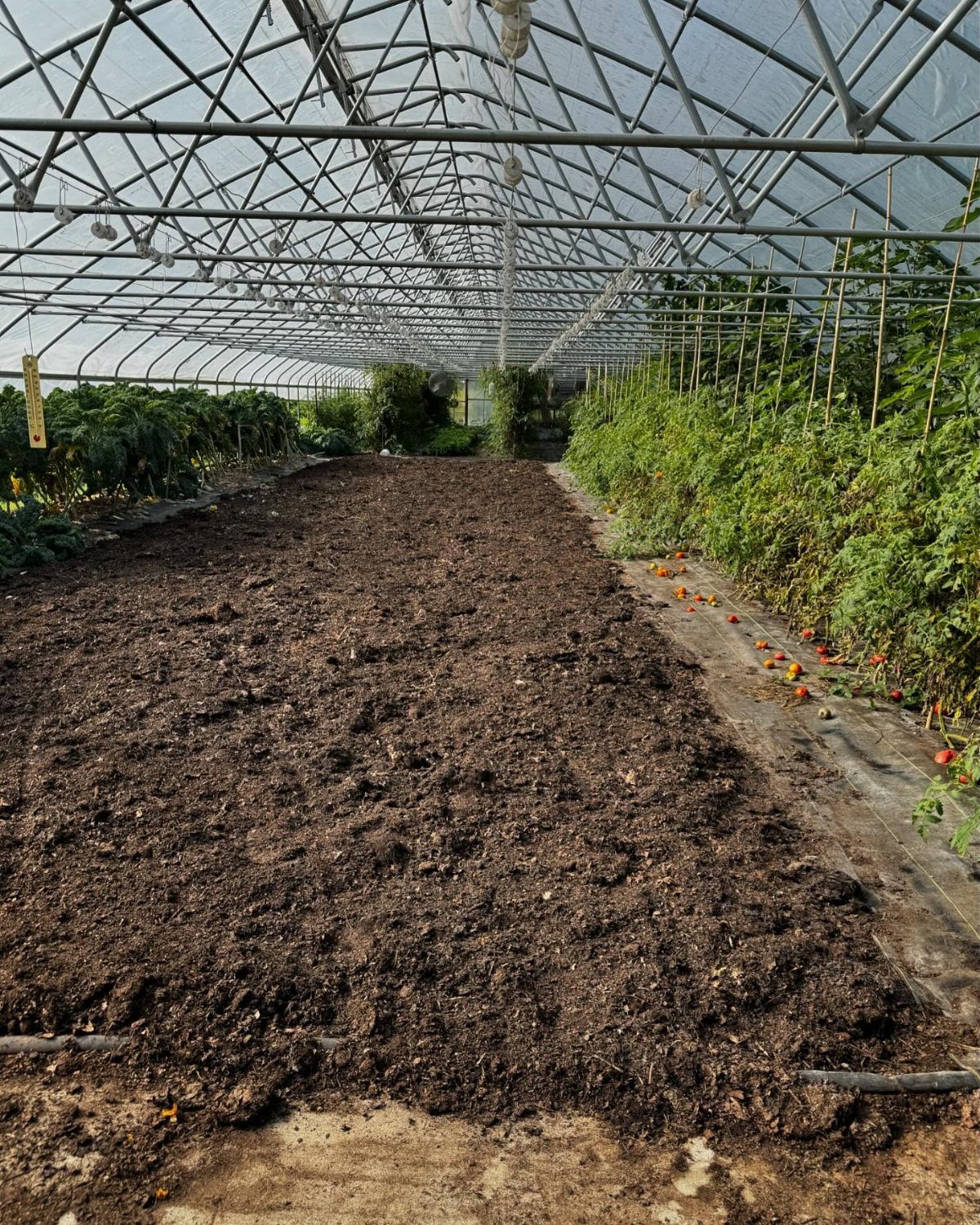
Leaving the existing ground as the floor is the simplest plan for in-ground growing: rows of plants go straight into dark soil, with no materials to buy or lay. It costs almost nothing and lets roots reach the earth directly.
Mark your rows and keep the walking lanes narrow. Mud is the price for that freedom, so I would add a path surface wherever you step most.
6. Wood Floors
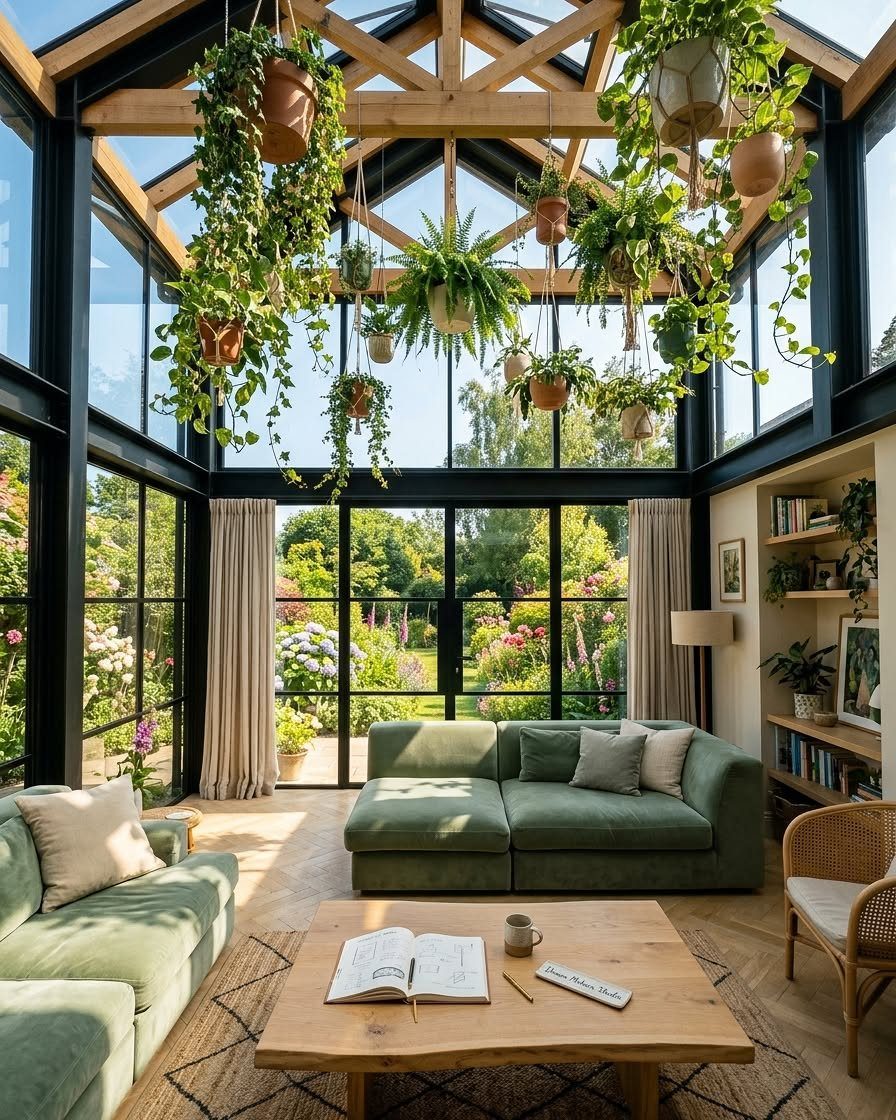
Light wood flooring gives a greenhouse or sunroom a warm, finished look, which makes it my pick when the space is for sitting among plants rather than heavy growing.
Moisture and weeds can damage wood, so it suits dry, leisure-focused rooms better than wet working ones.
Keep watering and potting messes off it, and use saucers under every pot. If you grow in volume, choose a harder surface instead.
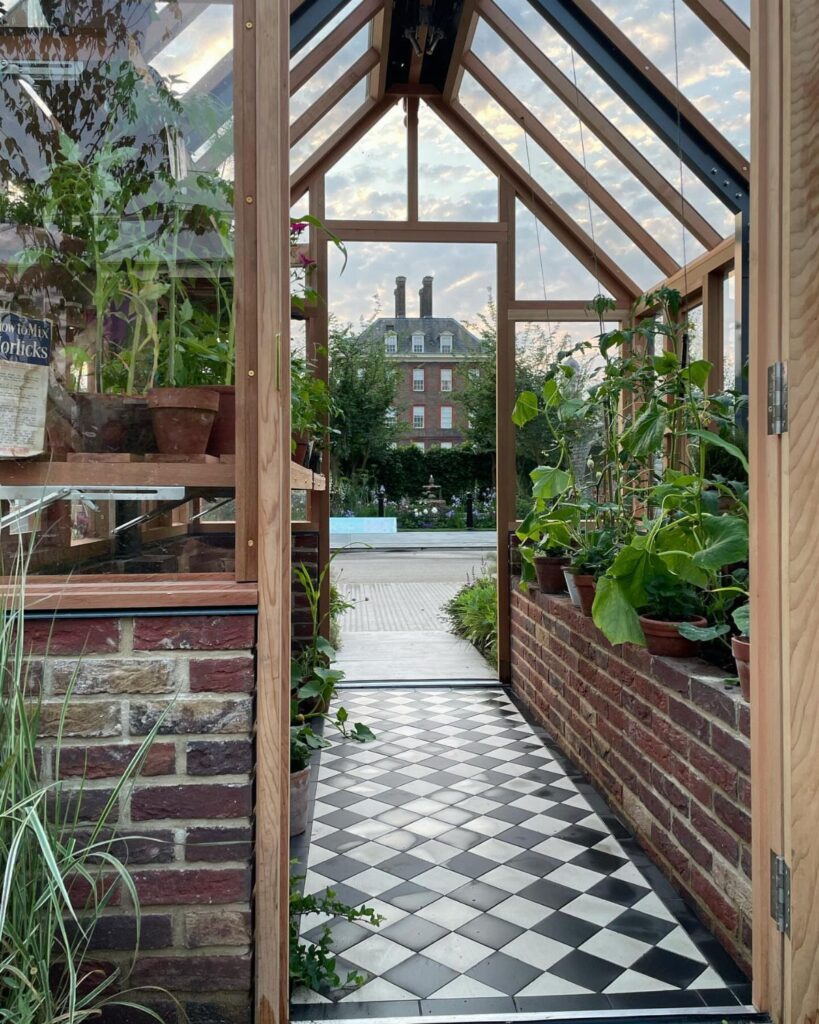
7. Checkered Tile Floor
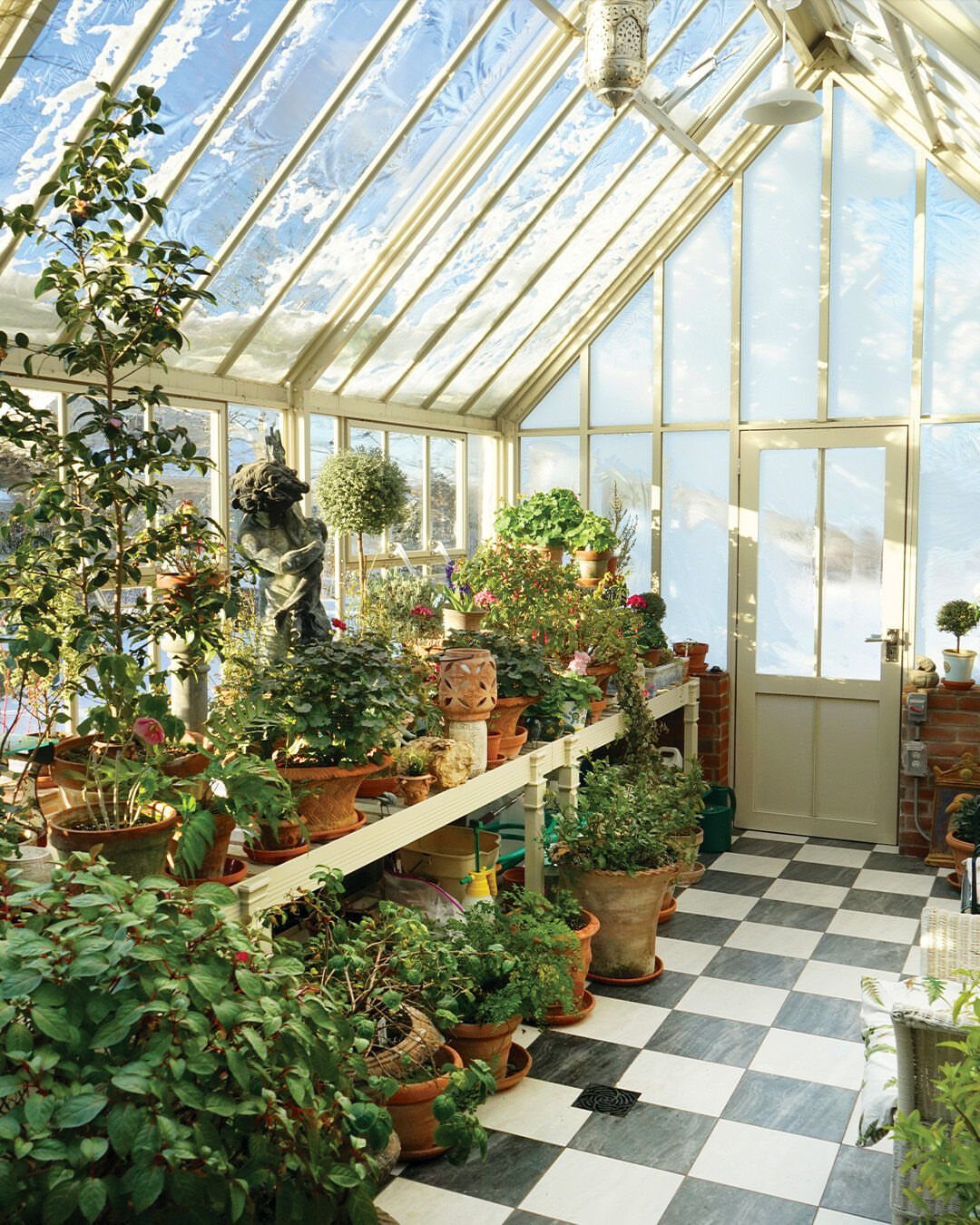
Black-and-white checkered tile turns a greenhouse floor into a graphic backdrop that makes green leaves stand out. It suits a glass greenhouse used as a display and sitting space more than a muddy working one.
I would keep the plants in pots on top of it, with a saucer under each, so soil stays off the pattern. Tile is easy to sweep and wipe, which matters with a floor this bold.
8. Wood Mulch Flooring
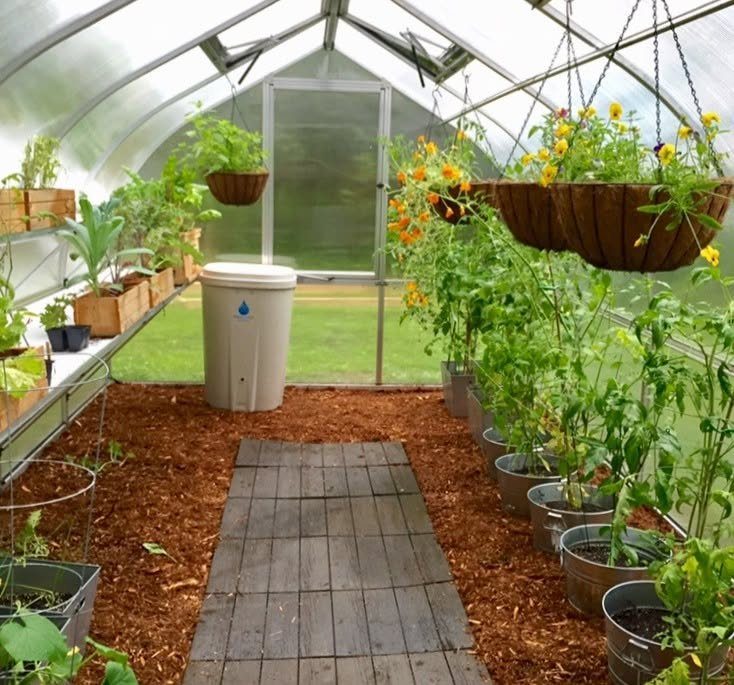
Brown wood mulch spread across the whole floor, with a row of wooden boards down the middle, gives a greenhouse an organic, forgiving surface. The boards keep your feet on a firm line, and the mulch fills the rest.
Mulch costs little compared with tile or stone, so it fits a tight budget. I would keep the plank walkway wide enough for a wheelbarrow-free, steady stride, and top up the mulch as it breaks down.
9. Patterned Tile and Gravel
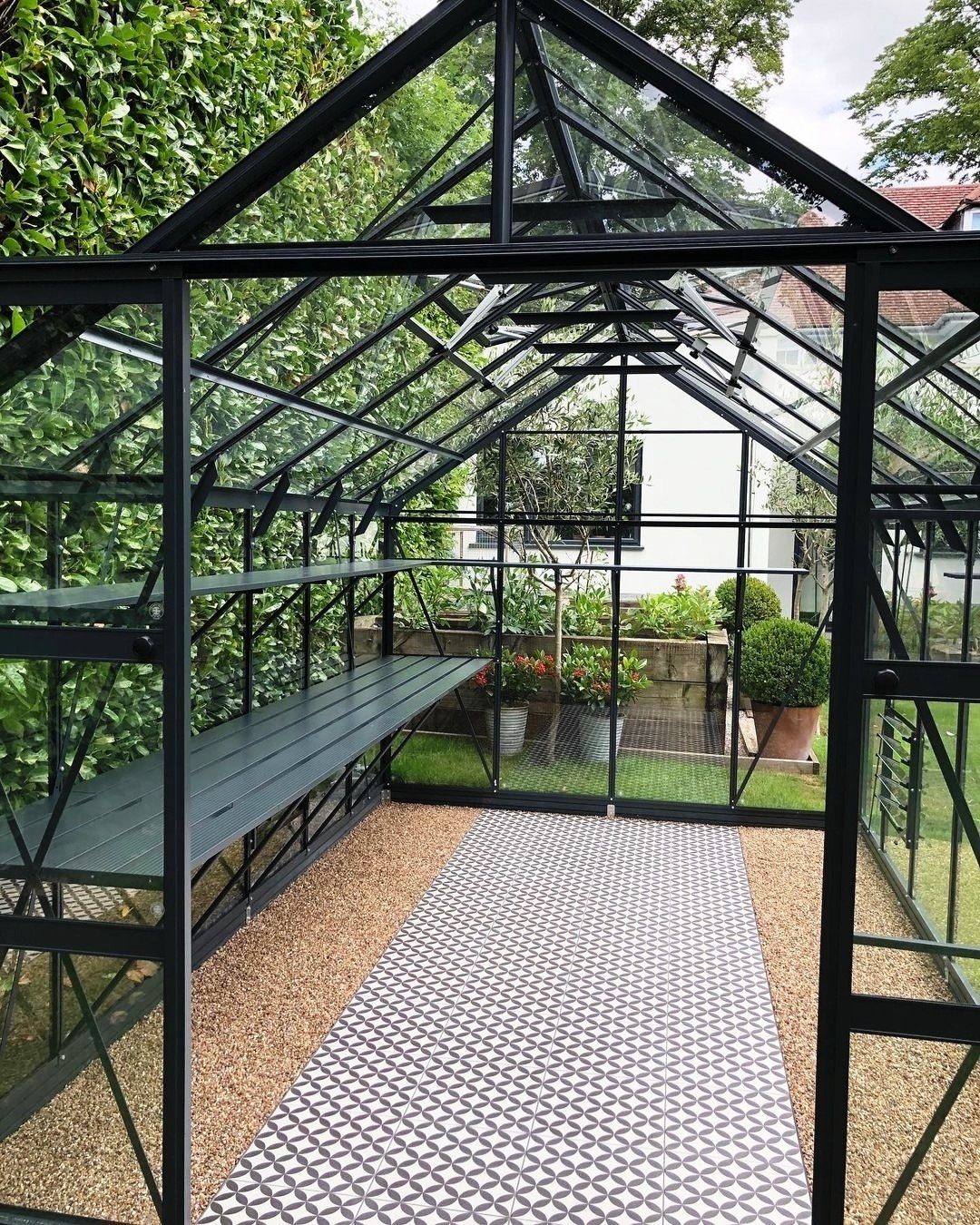
A patterned tile path down the center with pea gravel on either side splits the floor into 2 jobs. The tile carries your steps and the gravel handles the rest.
I like this pairing because you only pay for tile where you walk.
Keep the gravel beneath shelving and pots, where a loose surface drains and a few stray pebbles do no harm. Pick one tile pattern and let the gravel stay plain.
10. Terracotta Tile Flooring
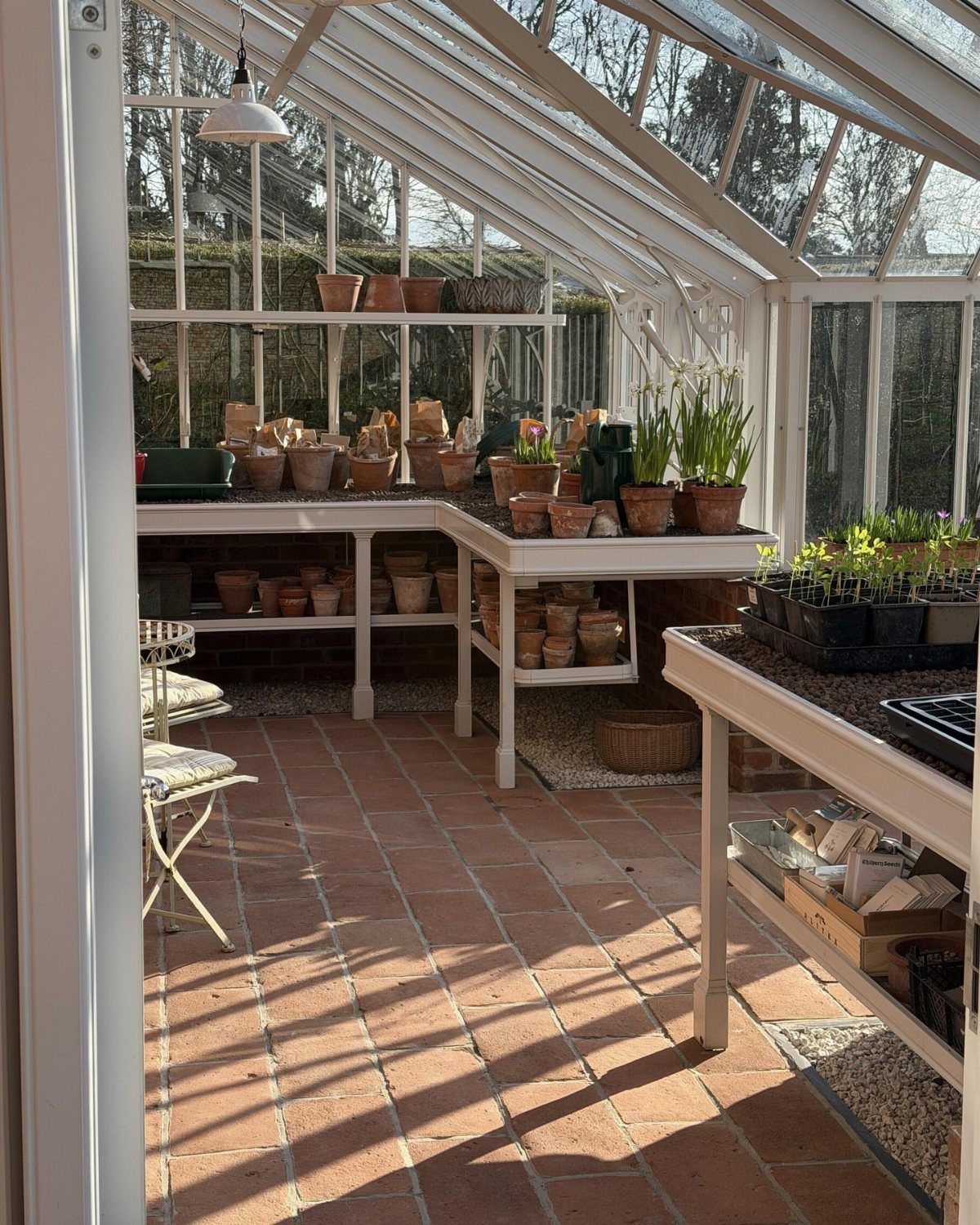
Terracotta tile brings a warm, earthy tone to a greenhouse floor, and it sits comfortably beside clay pots and white shelving. It is my choice for a bright space where you want a classic look.
Pick tiles sized so they fit your aisle with few cuts, which saves time and waste. Terracotta is a natural match for potting benches, so lay it wall to wall and let the benches sit directly on it.
11. Stone Tile Floor
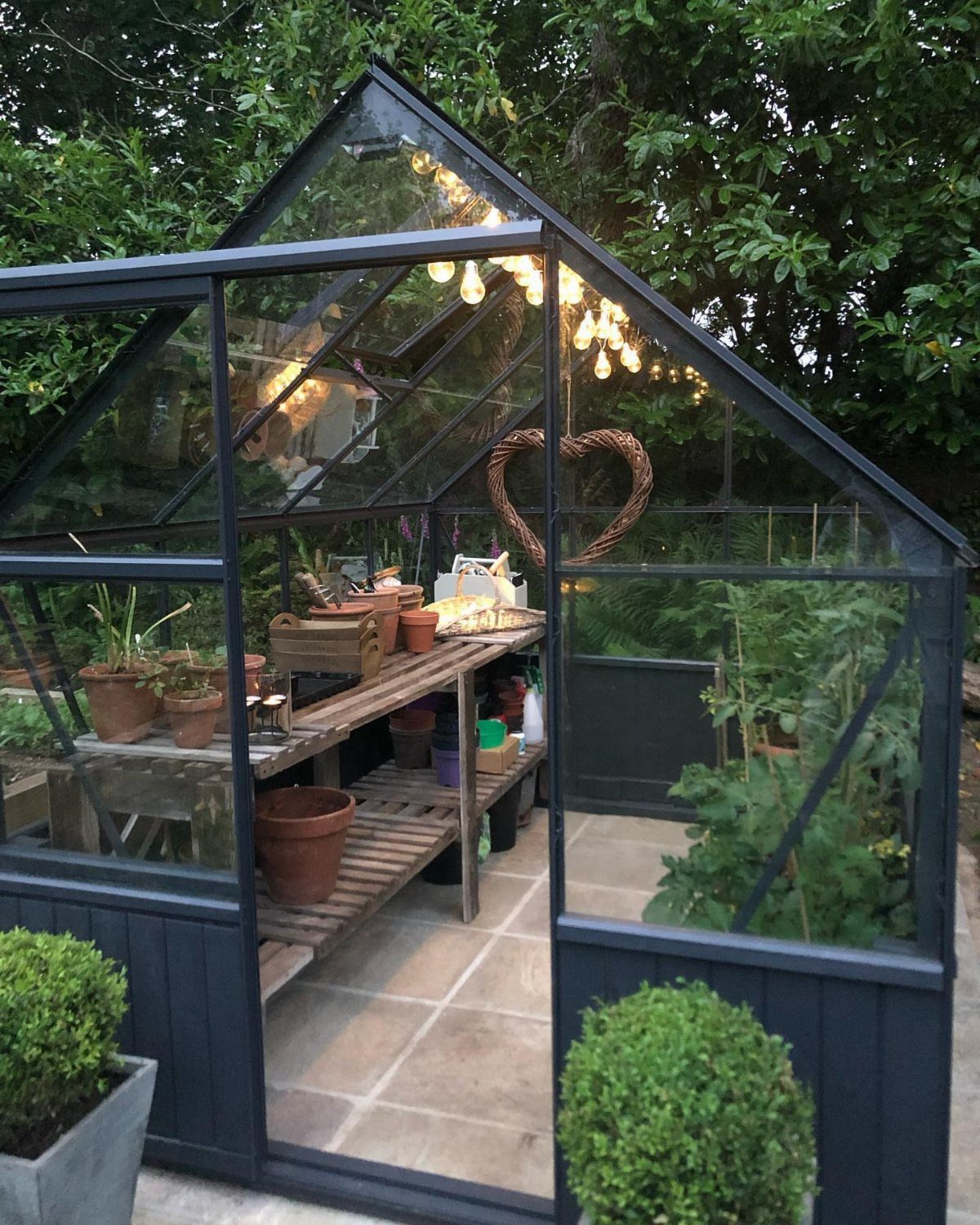
Large, light-colored square stone tiles make a greenhouse floor feel calm and open. Fewer grout lines than with small tile means less to scrub and a cleaner sweep.
Light stone brightens the space and pairs well with wooden potting benches.
I would choose big squares over small ones for that uncluttered look. Expect to spend more than on gravel or mulch, so it suits a garden greenhouse where you want a lasting, finished floor.
12. Living Grass Floor
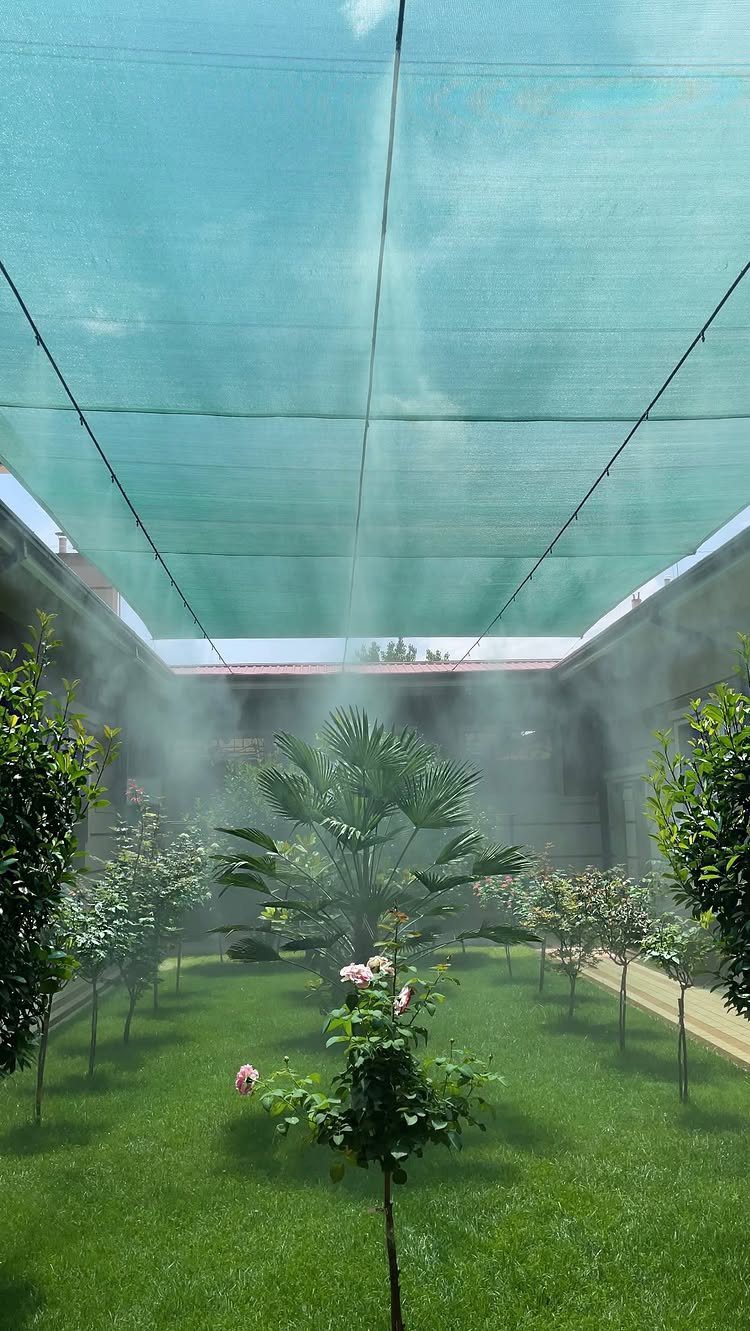
A real grass floor inside a greenhouse gives you a soft, green carpet that suits a misted, humid space. It works best where the mist and shade keep things damp.
Grass needs light, water and mowing, so I would treat it as a living crop rather than a finish.
It costs little to start, but expect upkeep. Set potted plants and small trees on it, and keep a stepping path where you walk most.
Drainage and Flood Planning
Settle grading and runoff before a single material goes down. Water that has nowhere to go ends up in your walkways, and fixing that after the floor is in costs far more than planning it.
Keep the interior surface level so puddles don’t collect where you work. For a hoop house, set the inside floor higher than the ground around it, since adding mulch, gravel or raised beds helps build that height.
A greenhouse on a slope or in a low corner of the yard needs a way to shed water, so dig trenches or lay a French drain to move runoff off the site.
A French drain around the outside also keeps rain from flowing in. Where natural slopes send water toward the build, a diversion dam can turn it aside.
Any solid floor, concrete being the common one, needs drains so it dries out and stays free of mold.
Choosing for Growing Use
Match the floor to how you grow before you match it to your taste. Cultivation method, crops, climate, plant count and how you want to use the space all point toward different answers.
Mixing materials often works best.
If the space is mostly propagation on tables, landscape fabric and rock drain better. If you plan to grow in permanent containers or on tables, a concrete floor can earn its price by keeping you out of the puddles.
Grant money paying for the structure? Call your local NRCS agent first, because a floor of anything besides soil and mulch may not be allowed.
Floor Installation and Upkeep
Brick starts with the base.
Build a stable, even substrate, compact it well, then add 3–4 cm of grit sand on top. Allow extra gravel and sand for compression, because both settle when compacted.
Once the bricks are down, sweep dry sand into the joints so they lock in place.
Upkeep deserves a thought at the start, since some floors need far more sweeping, hosing and re-leveling than others. Concrete needs regular pressure-washing, and organic flooring breaks down, so plan to replace it as it decomposes.
On level ground, laying a brick floor is a job a careful DIYer can handle. On uneven ground, hiring a specialist may save you a redo.
Remember that you will need about 20% more gravel and sand than calculated, as they shrink when compressed.After laying the flooring, fill the joints by sweeping dry sand into them.
— Juliana
Frequently Asked Questions
Should I have a floor in my greenhouse?
It depends on how you use the space. If you grow in the ground, leaving bare soil is the simplest plan and costs almost nothing, though mud is the price.
A solid floor suits a sitting or display space, and it can still hold pots and containers. Wherever you walk most, add a path surface.
What is the best flooring for an unheated sunroom?
Large light stone tile or terracotta tile suit a bright sunroom well. Stone tile has fewer grout lines, so it sweeps clean and looks calm.
Terracotta gives a warm, classic look beside clay pots. Wood is the weak pick for a heavily watered room, because standing moisture swells and stains boards over time; if you still want it, set a saucer under every pot.