Your climate zone decides which of these trees is yours: papaya, banana, and guava grow best in USDA zones 9–11, while a cold-winter yard points to a pot, a dwarf apple (zones 3–8), or a plum that moves with you.
The list runs from a papaya that can fruit in under a year to a yellow delicious apple that takes 2–4 years, and from a cheap seed start to a potted citrus or plum you can carry to your next rental.
Look up your zone first, since a tree sold as "fast" still stalls where winters are too cold for it.
1. Dwarf Fig in Containers
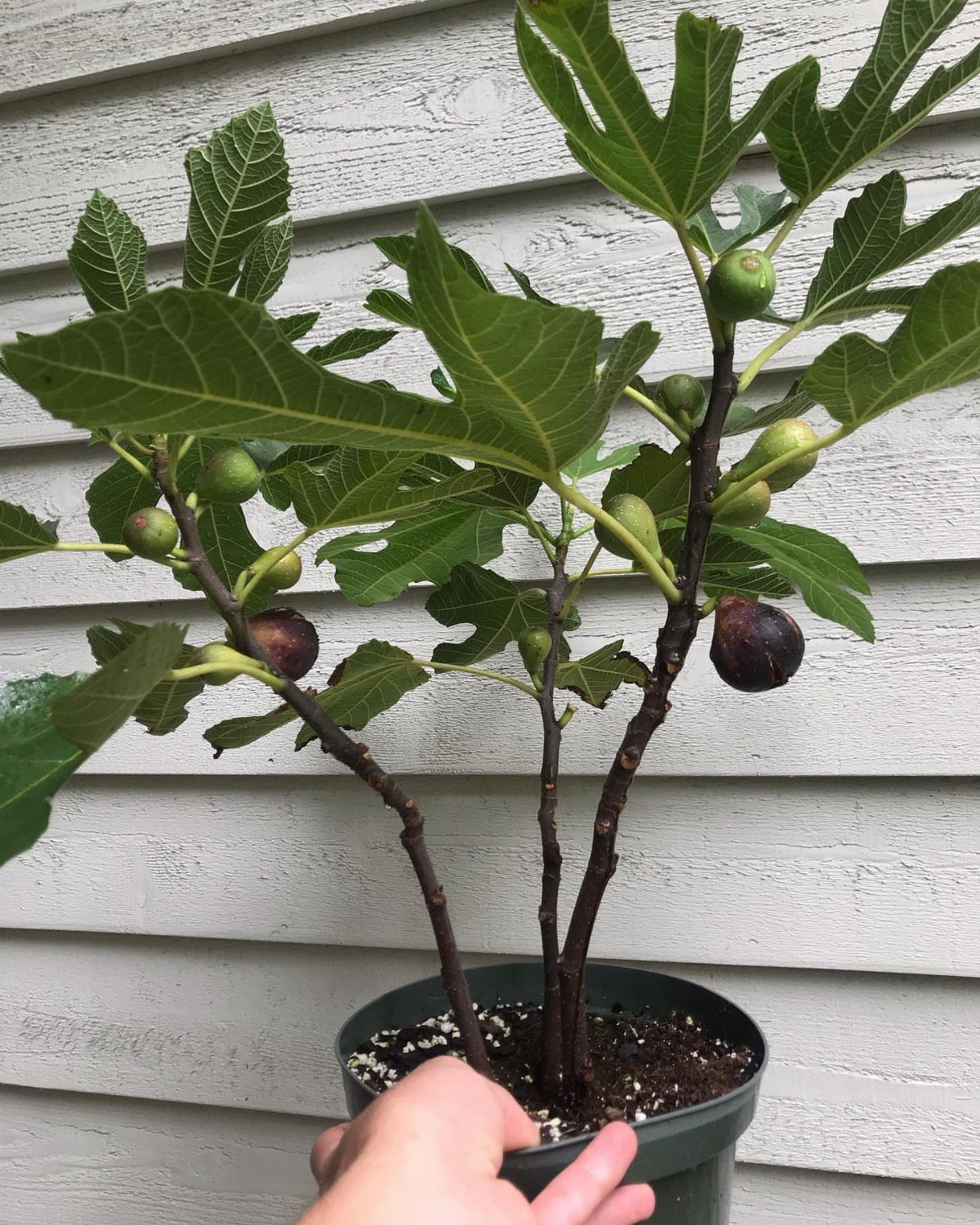
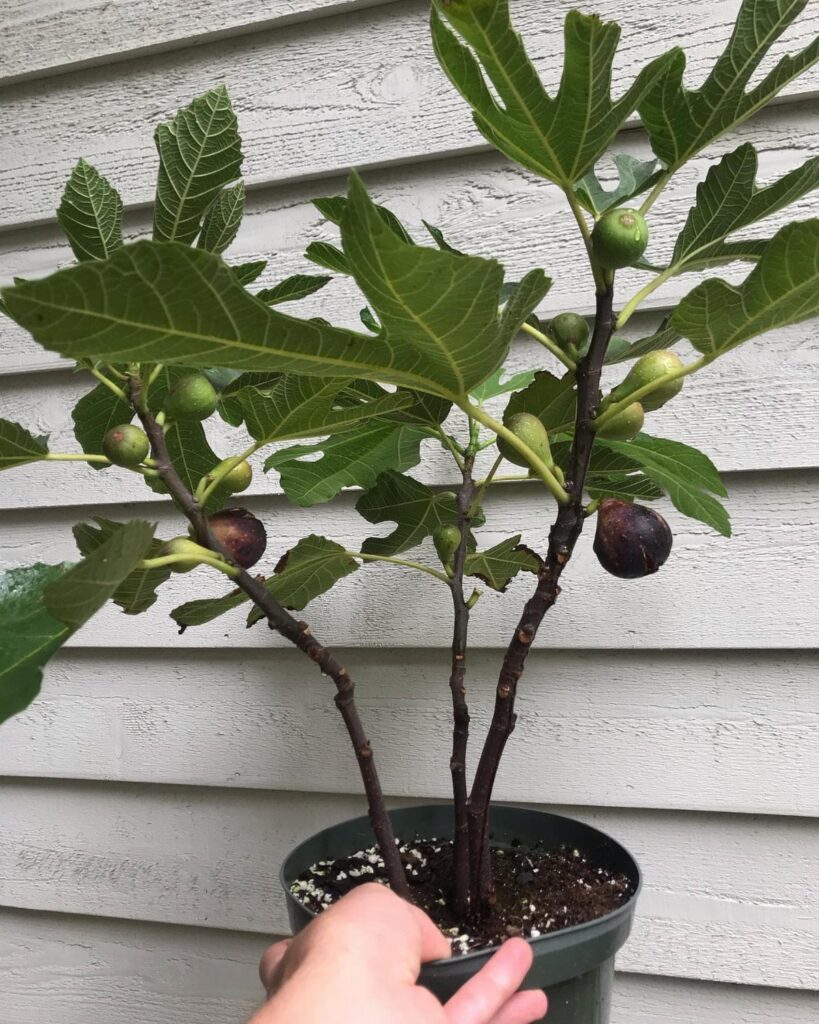
A fig that stays small enough to live in a pot is the easiest way into fruit if you rent. Hot, dry conditions suit it, so a sunny spot against a wall is where I would put it.
Pots can be moved, which helps if your patio gets more heat in one corner. A plastic pot is light, easy to shift, and cheap to swap for a bigger one later.
Fruit turning from green to purple is your ripeness cue.
2. Peach
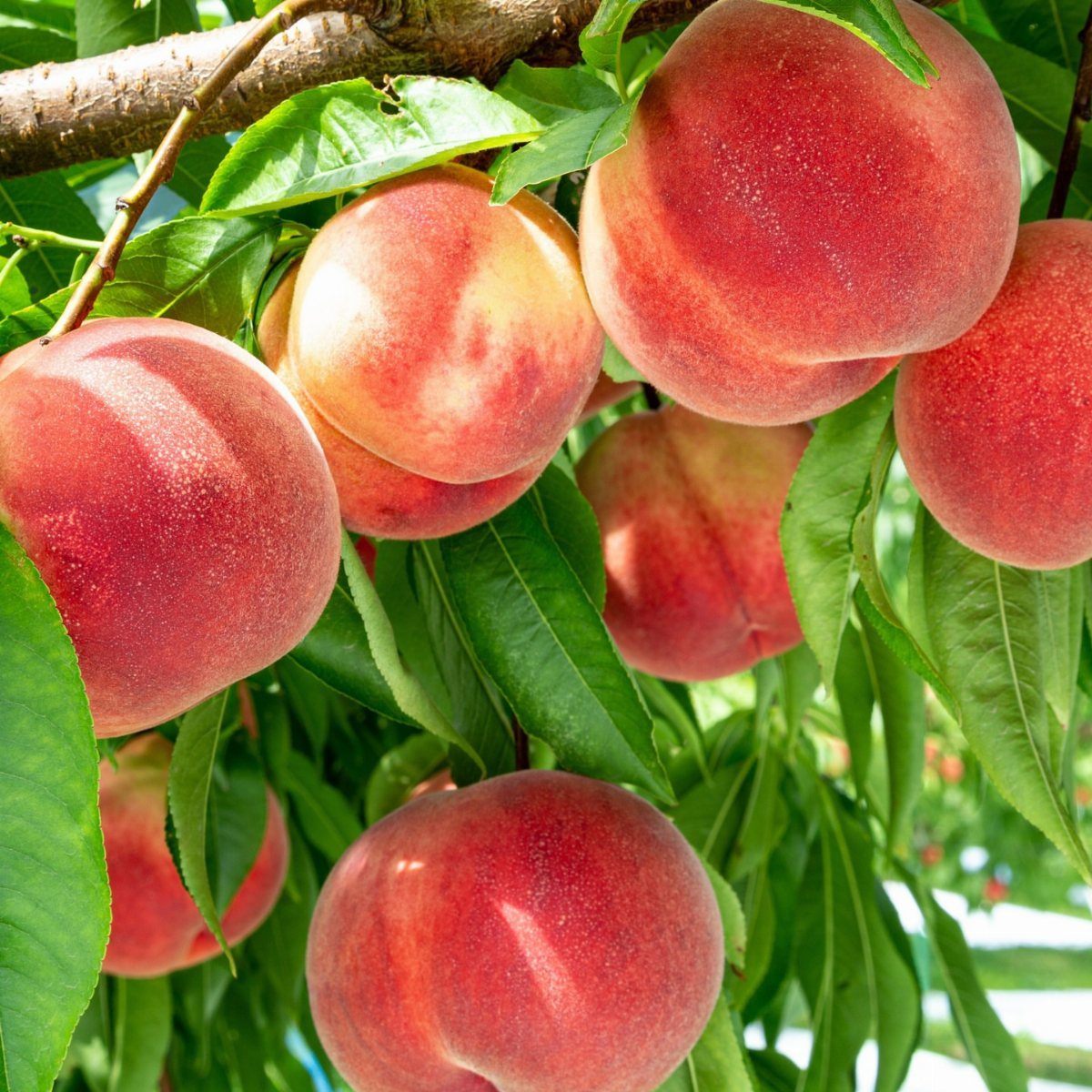
Peaches are one of the quicker stone fruits to reach a harvest, but they ask for full sun and steady care. Skimp on either and the fruit shows it.
Pick the sunniest spot you have, then plan on regular attention rather than a plant-and-forget approach.
A peach is ready when the red and yellow skin turns deep in color and the fruit comes off the branch with a gentle lift.
I would choose peach over slower trees if you can give it that daily light and routine.
3. Banana
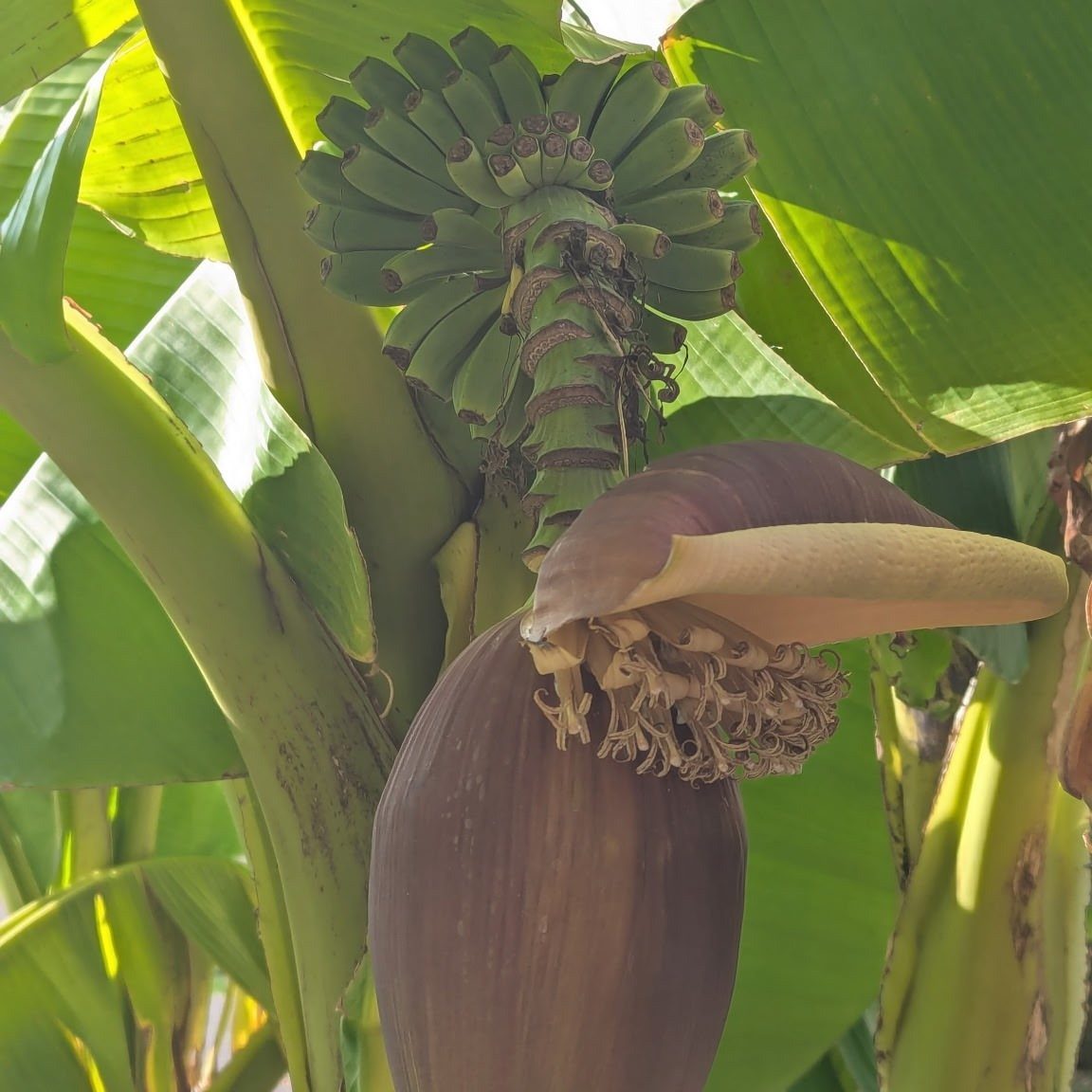
Bananas are the fastest payoff on this list for warm climates, with fruit possible within about a year.
Without warmth, skip it. Cold-winter yards are a poor match, and I would not fight that.
Where it does fit, give it the brightest spot you have and let the bunch fill out while the bananas are still green. Patience at the end matters more than anything you do early.
4. Pawpaw
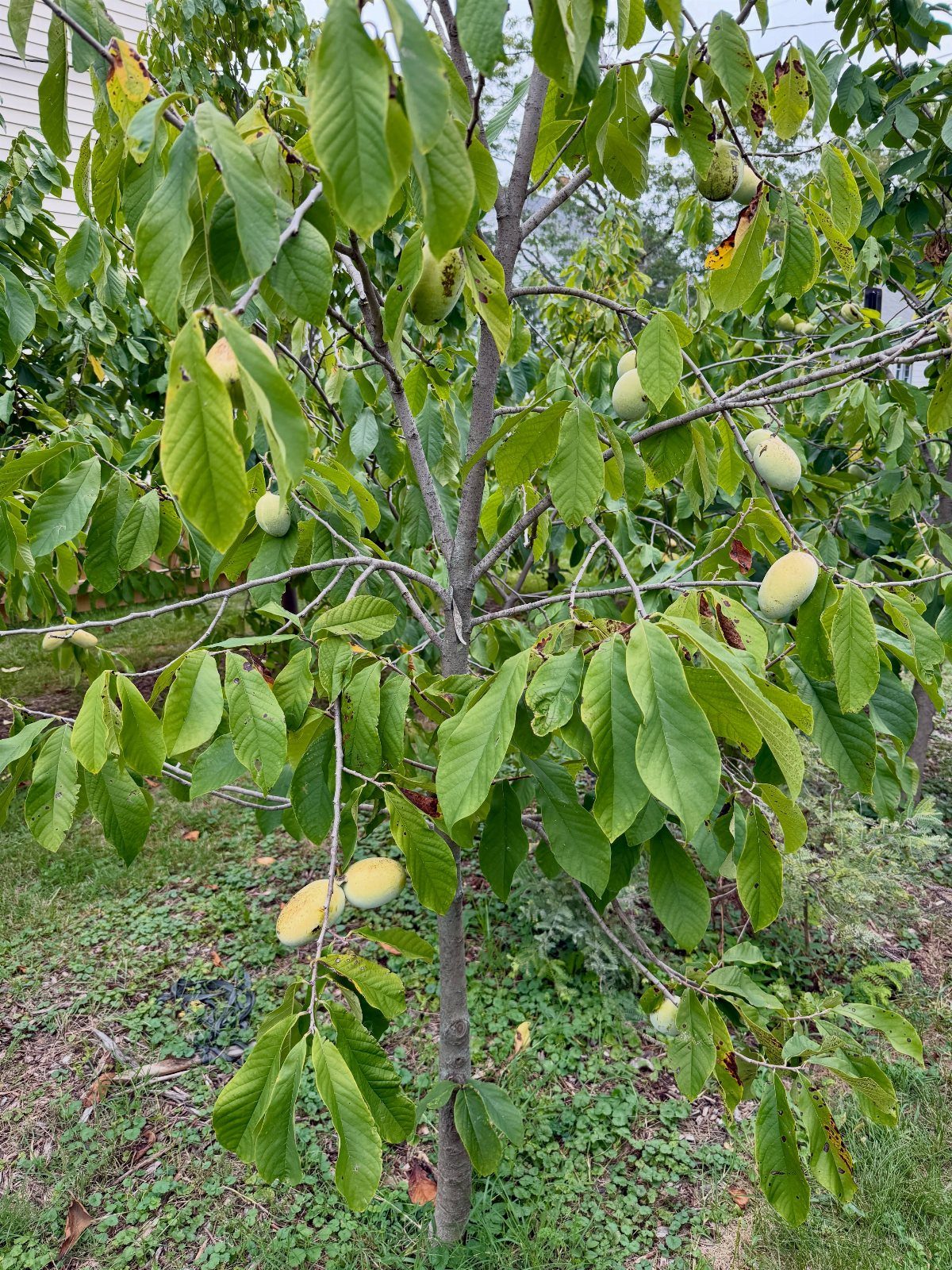
Pawpaw is the odd one out here: a North American native tree whose big, oblong fruit is often described as tasting tropical.
That makes it a good pick if you want something unusual that is not a stretch for a US yard.
Its large leaves and oval, yellow-green fruit stand out in a garden bed, so give it room to be seen. I would plant it as a conversation piece first and a harvest second.
5. Persimmon
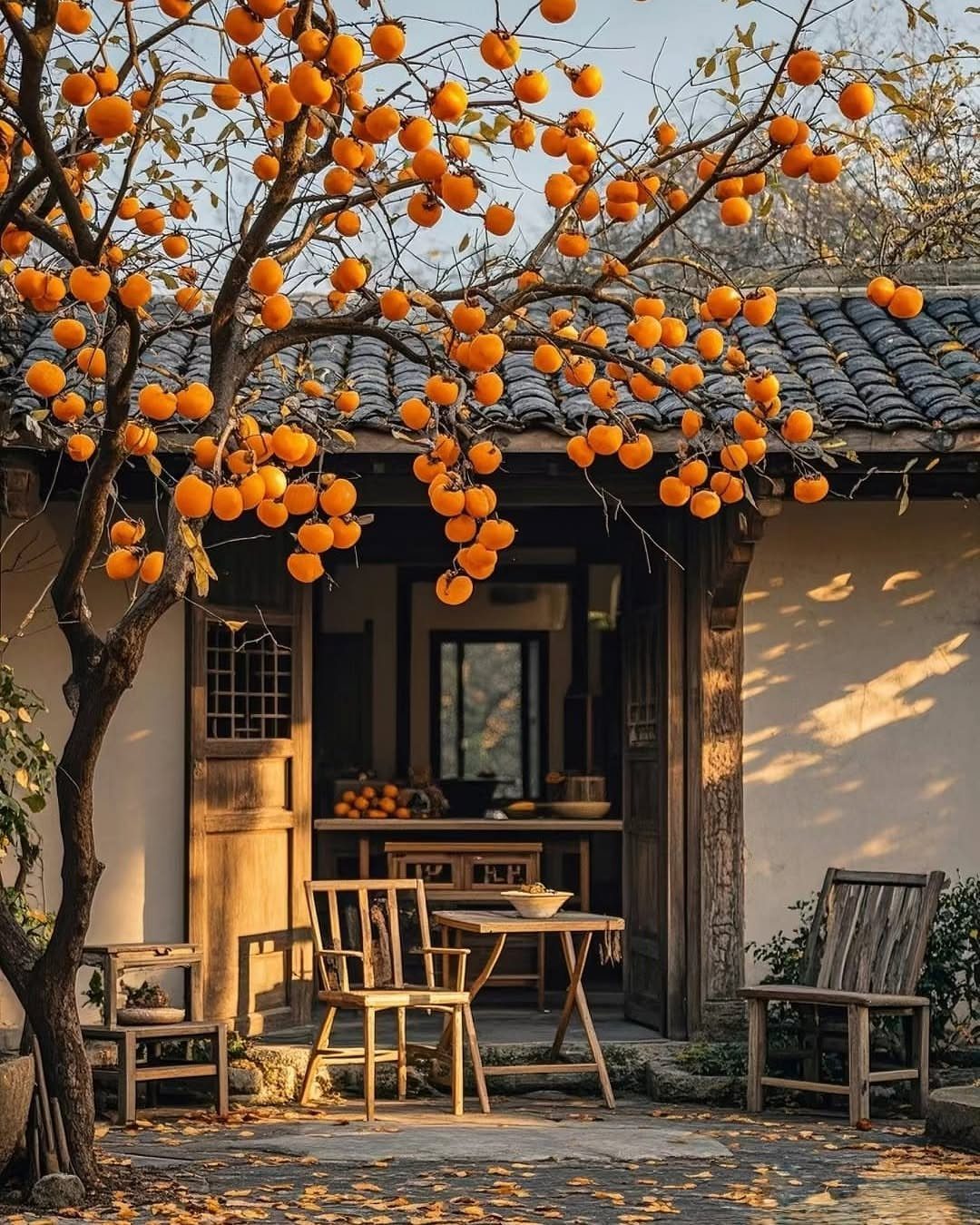
Persimmon is the fall tree: sweet, deep-orange fruit that hangs on well into the season, so the harvest lands just when most gardens are winding down.
It is also a handsome shade tree. Plant one near a patio or seating area and you get shade and color overhead with fruit within arm’s reach.
I would pick persimmon if you want one tree that works as both landscaping and snack supply, and you can wait for autumn.
6. Loquat
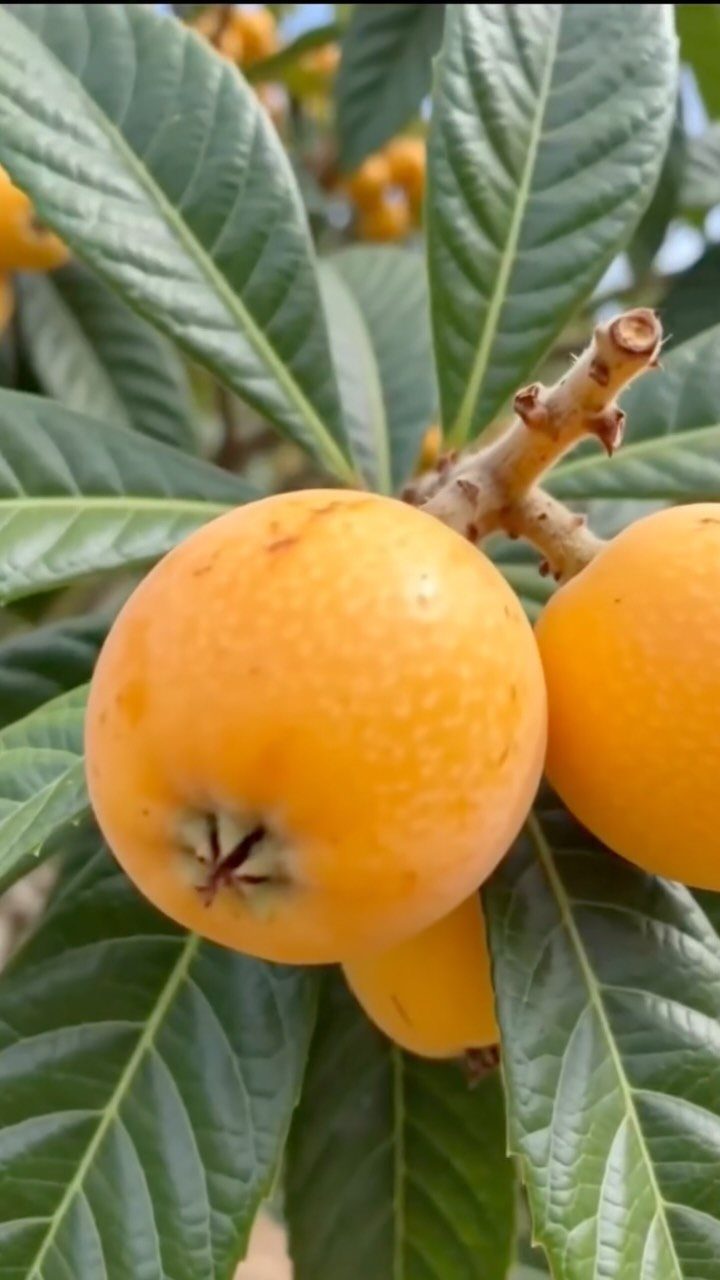
Loquat flips the calendar: this evergreen fruits in winter or early spring, when nearly everything else is bare. Its big, textured leaves keep the tree looking good year-round.
That timing is the reason to grow it. Pair it with a summer fruit such as peach and you cover two seasons from one small yard.
I like loquat best for gardeners who want fresh fruit and a green tree in the same spot.
7. Yellow Delicious Apple
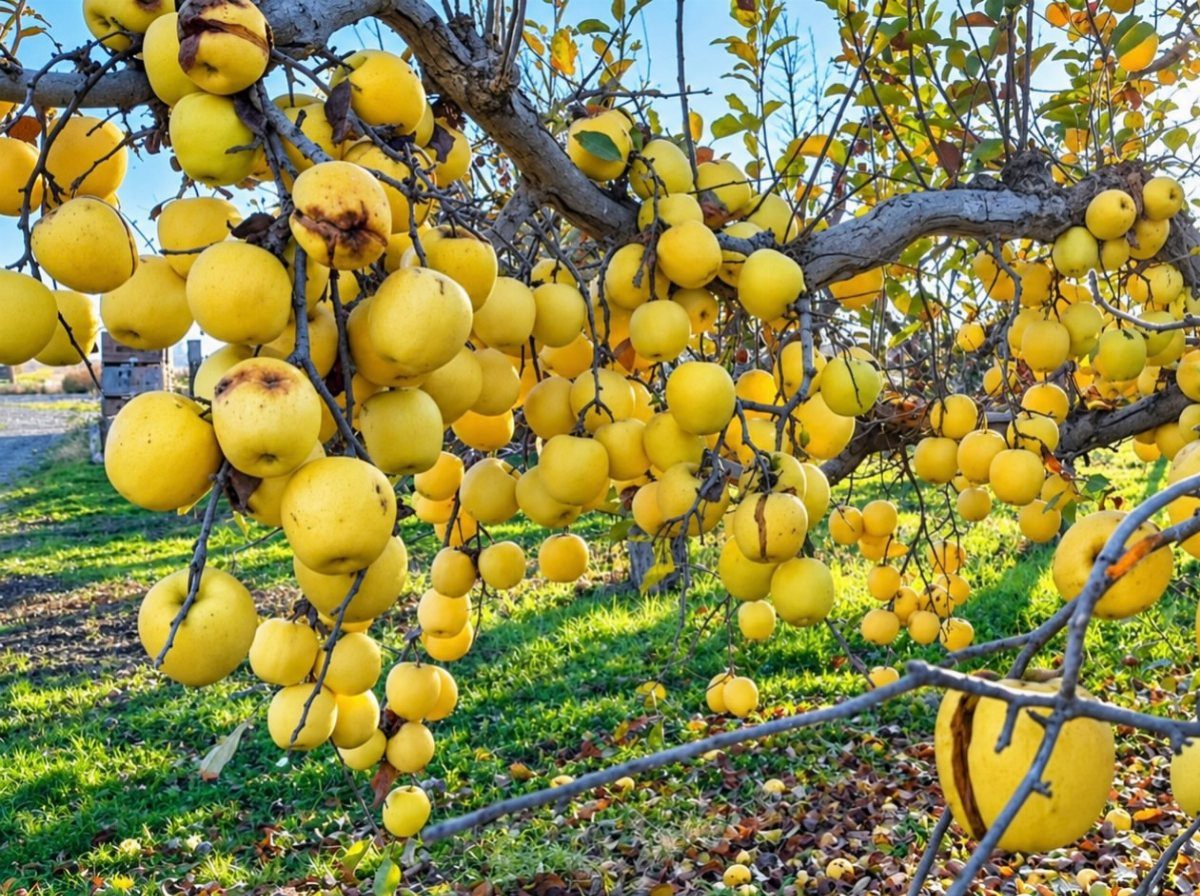
Yellow apples hanging this thickly tell you the tree got plenty of light, and that is the one thing I would not compromise on. Give it a full-sun spot, and skip the shady corner of a rental yard.
Yellow fruit also hides bruises and blemishes less than red does, so pick gently and eat the damaged ones first.
I would choose this apple if you have an open, bright patch and want a classic fruit tree.
8. American Plum Tree
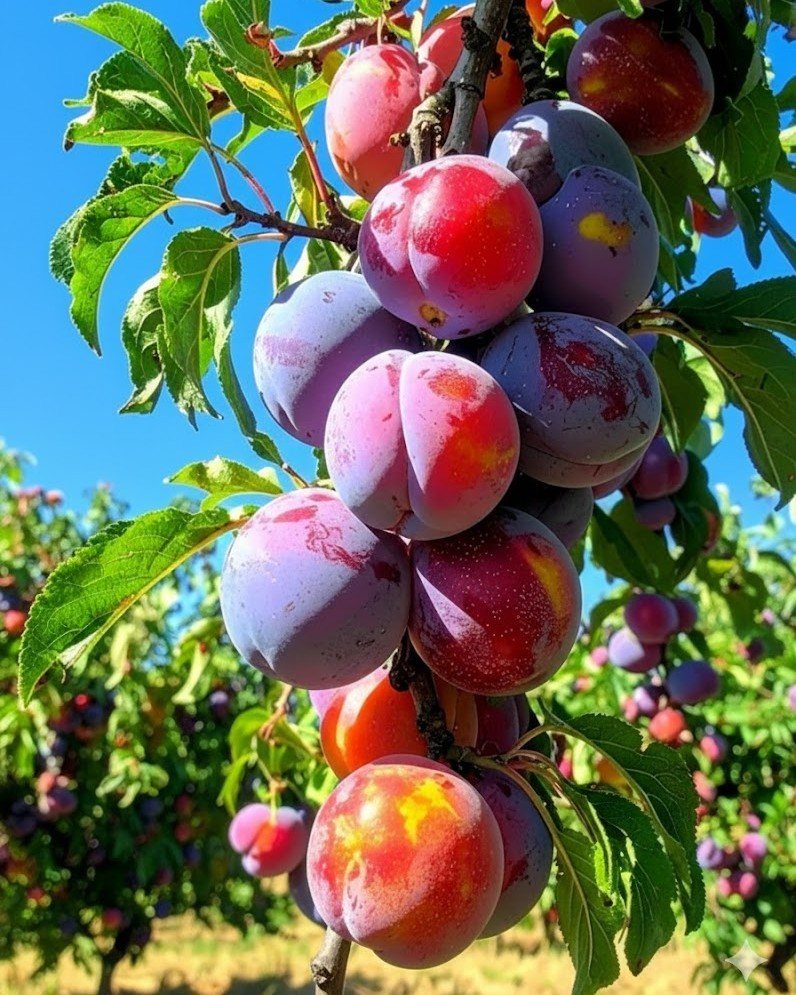
A plum tree that carries fruit in clusters like these is worth planning around, because a heavy branch needs thought before it needs anything else.
Pick a sunny spot with room for the tree to spread. Fruit that shows red and purple is close to ripe, and I would let it hang until the color is deep and even.
American plum is my pick if you want a stone fruit that looks as good on the branch as it tastes in hand.
9. Sweet Cherries
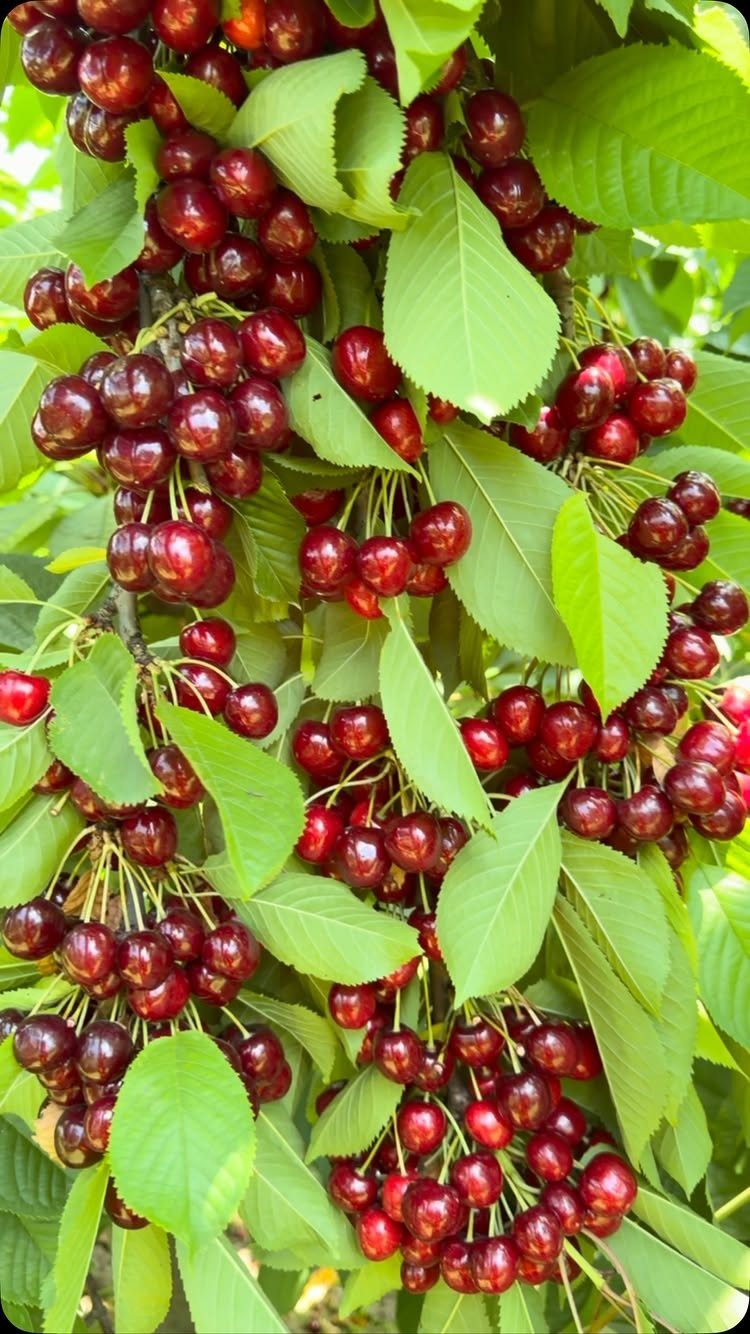
Sweet cherries hang in tight pairs and clusters, which makes picking quick once the fruit is ready: a full red is the signal, and I would wait for it rather than pull early.
Plan for sun and a spot with space, since this is a tree that wants room overhead.
Cherries are the treat fruit on this list. I would grow one for fresh eating by the handful, and I would not expect it to be a quick, low-effort win.
10. Papaya
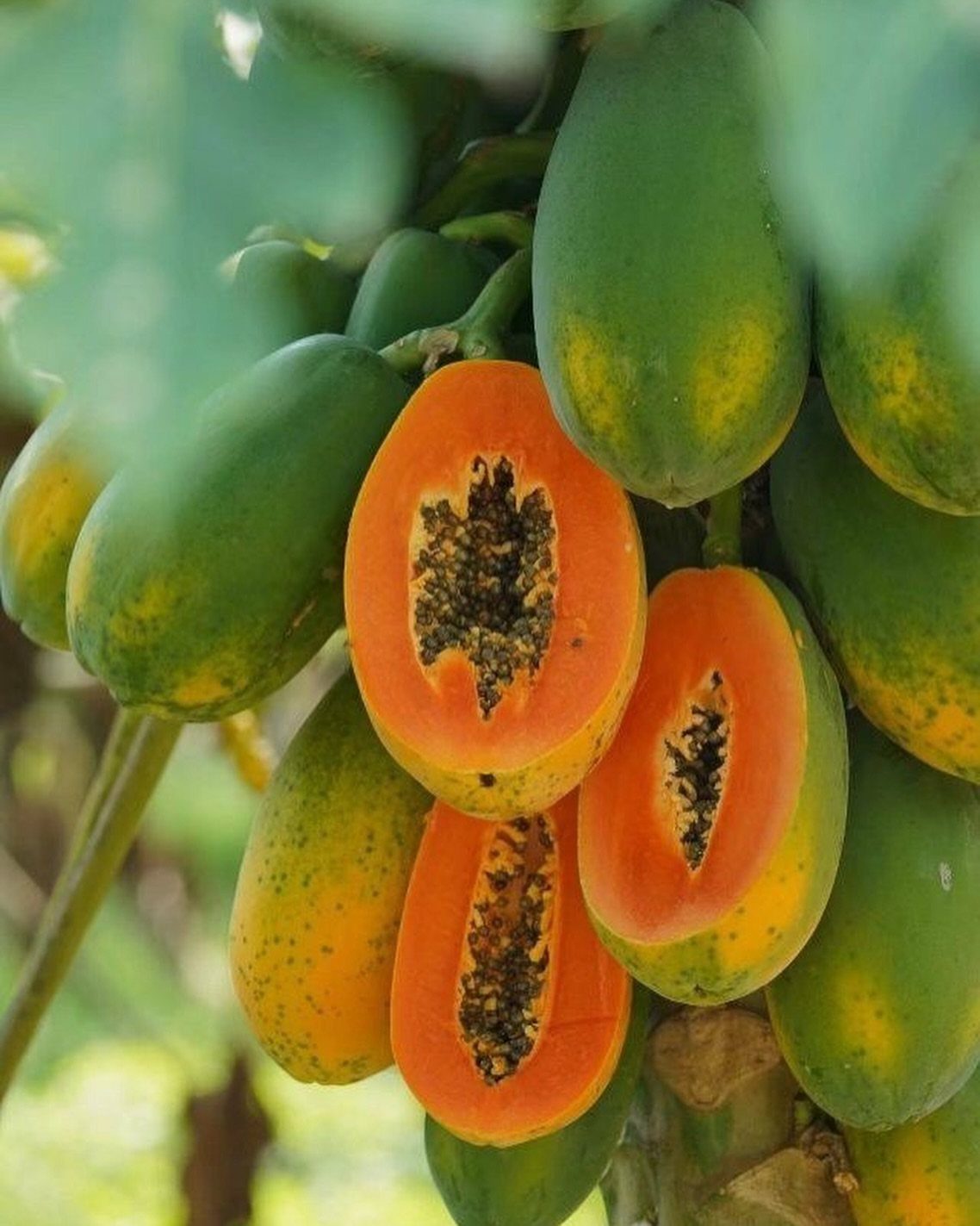
Papaya grows as a single upright stem topped with leaves, and from seed it can fruit in under a year. That speed is why it earns a place here.
Start from seed if you want the cheapest route, which costs next to nothing. Cut a fruit open and you have a pocket of black seeds ready to plant.
Wait until the skin is mostly past green before picking. I would grow papaya over slower tropicals if you want fruit within a single season or two.
11. Tamarillo
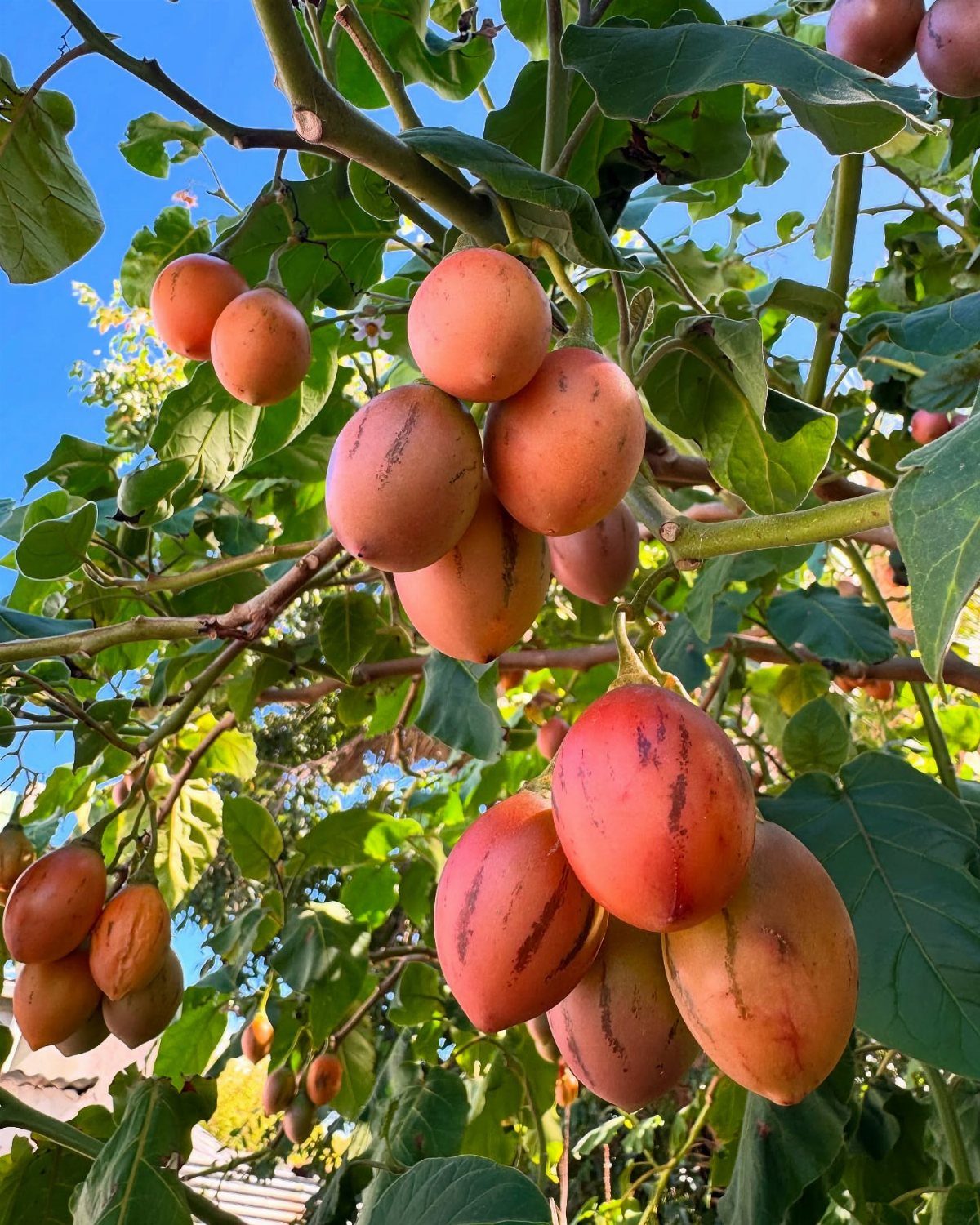
Tamarillo, often called the tree tomato, is the one I would reach for when a yard has more dappled light than blazing sun. Very hot sun is not what it wants.
That makes it a good fit for a spot under higher branches or on the east side of a house. The oval, reddish-orange fruit hangs from a small, leafy tree that stays easy to reach.
I would pick tamarillo if your garden is bright but not baking.
12. Potted Citrus Tree
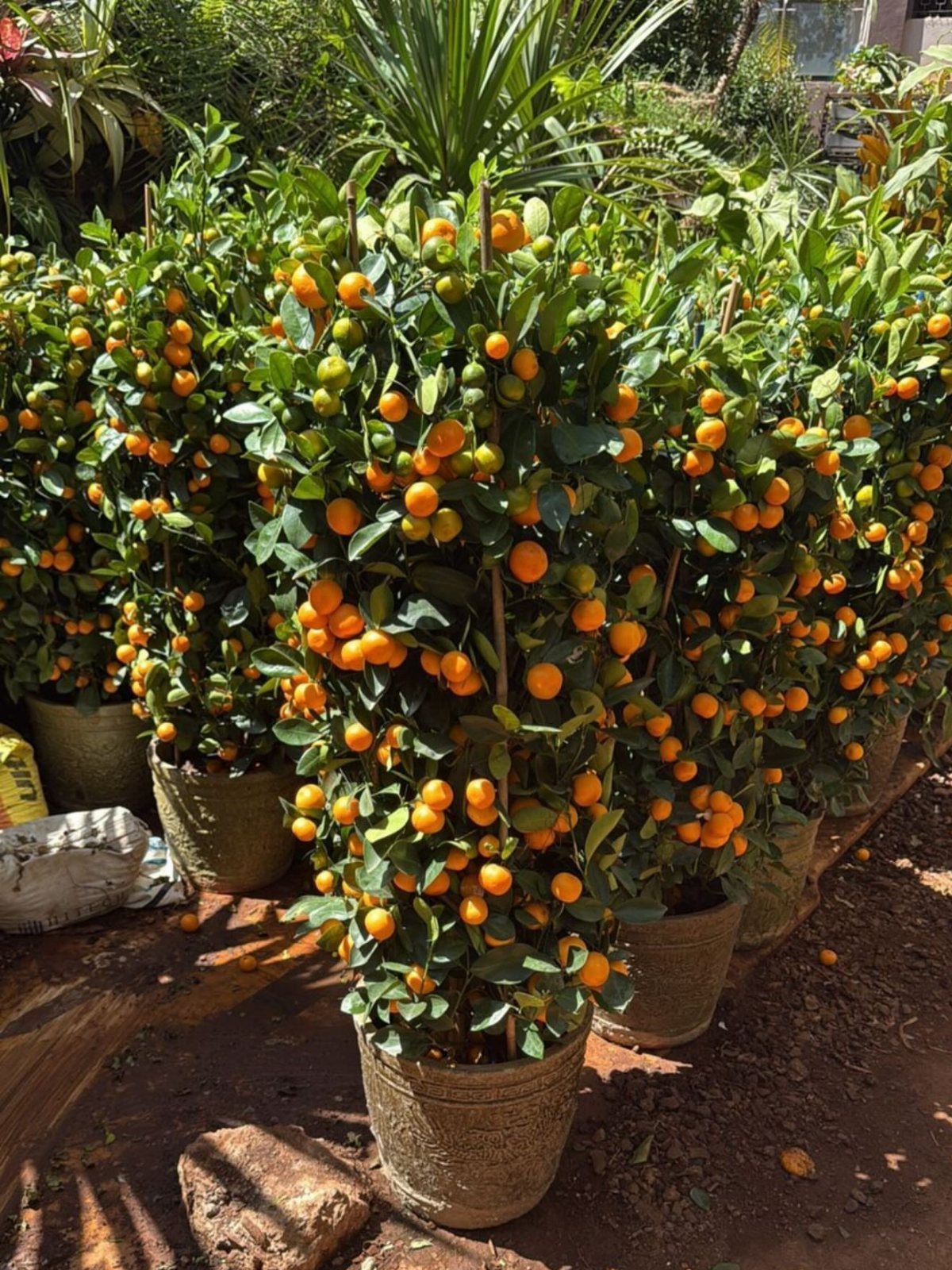
Citrus in a pot is the renter’s orchard: when you move, the tree goes with you. Woven pots look good, but I would check that any pot has drainage holes before you plant.
A stake keeps a young trunk straight while it carries fruit, as in a nursery row. Choose a tree already holding orange fruit if you want to see what you are buying.
I would start with one potted tree instead of three, and place it in your sunniest spot.
13. Blackberry Bush
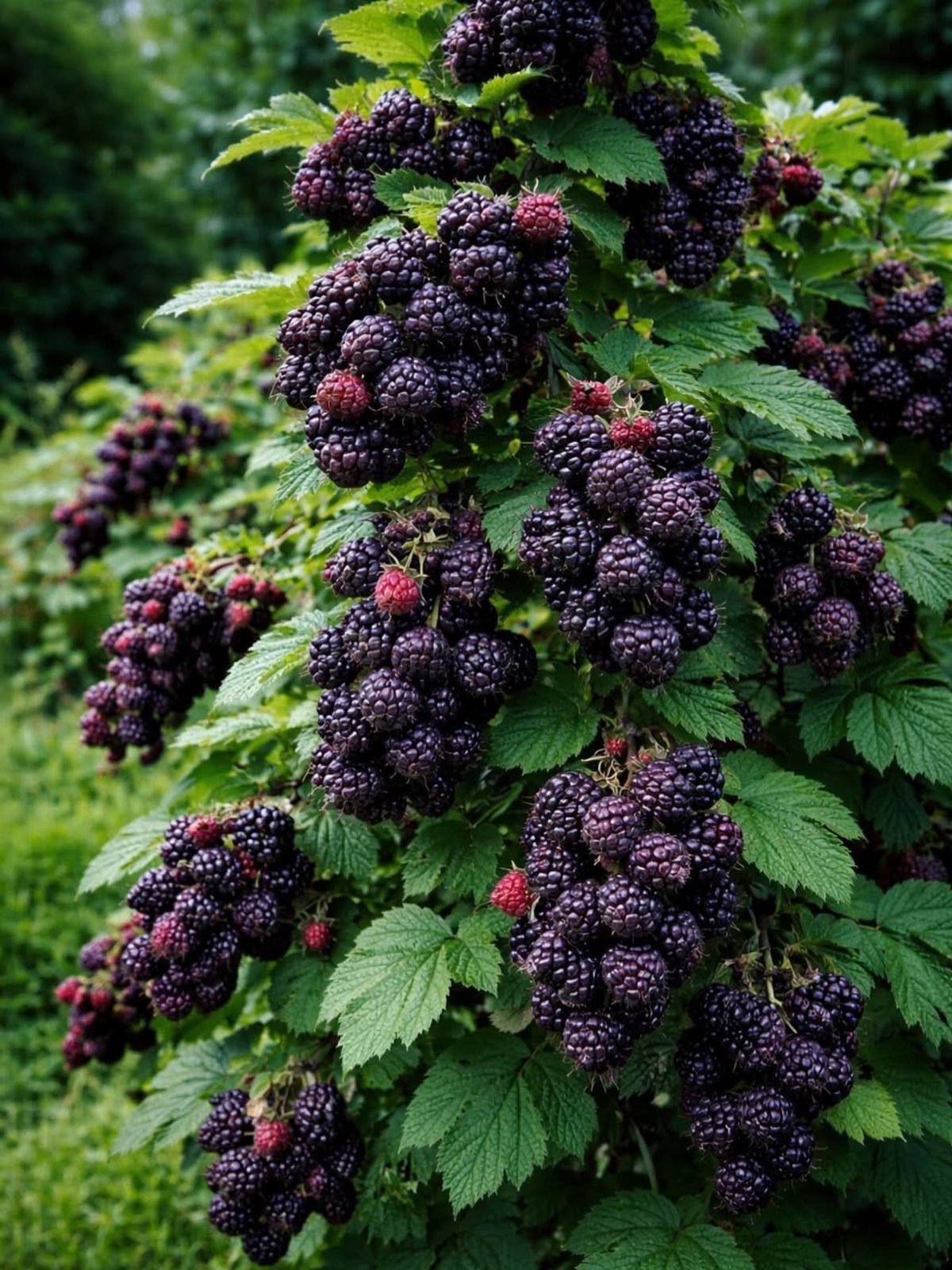
Blackberries hang in heavy clusters like these only when the bush gets plenty of light, so give it your sunniest bed.
Pick berries that have gone fully dark purple, since a red one still tastes sharp. Fruit that ripens unevenly in a cluster means a few passes through the week, not one big harvest.
I would grow blackberry over the tree fruits on this list if you want a quick return from a small patch.
14. Guava Tree
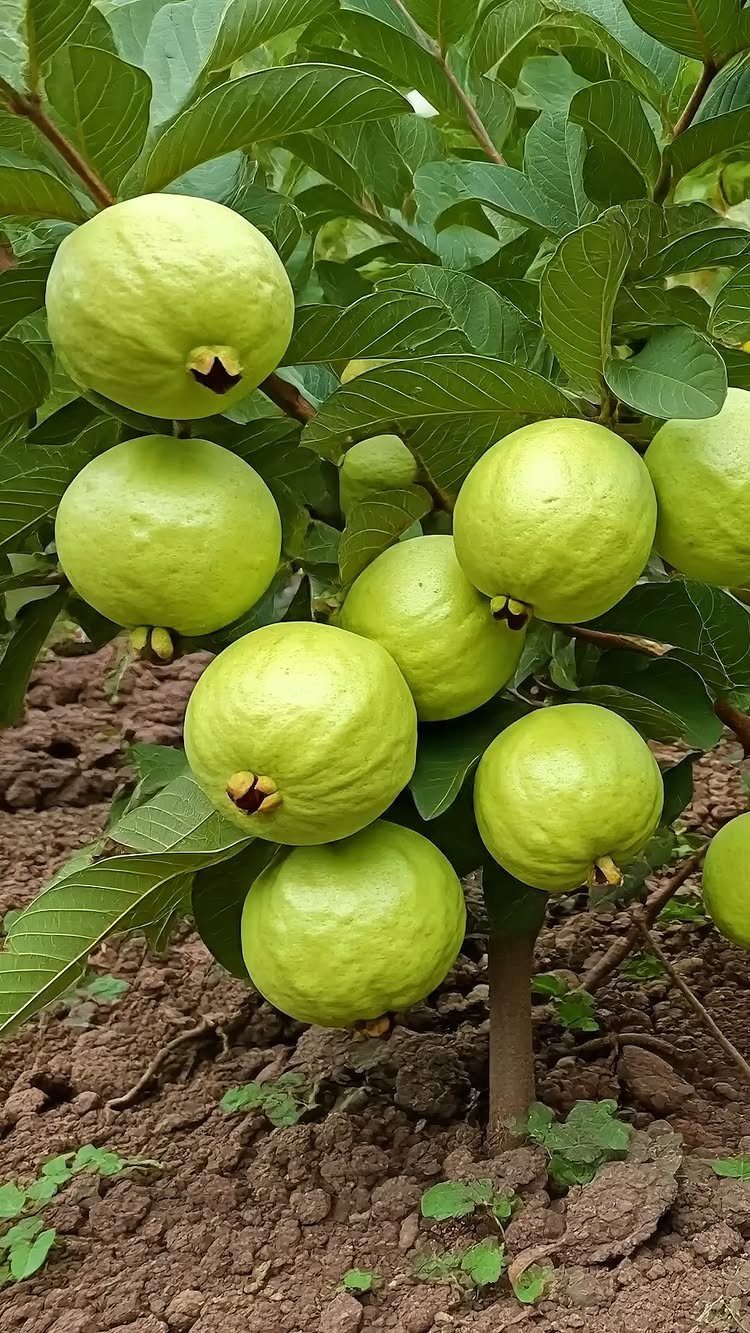
Large, light green guavas among glossy leaves is how this tree looks when it is doing well, and that fruit is a big reason to give it a warm spot.
Plant it directly in the ground, in soil you have loosened first. I would keep it where you can reach the fruit without a ladder, since a tree you can check often gets picked at the right moment.
Guava suits warm yards best; in a cold-winter one, I would pass.
15. Cape Gooseberry Plant
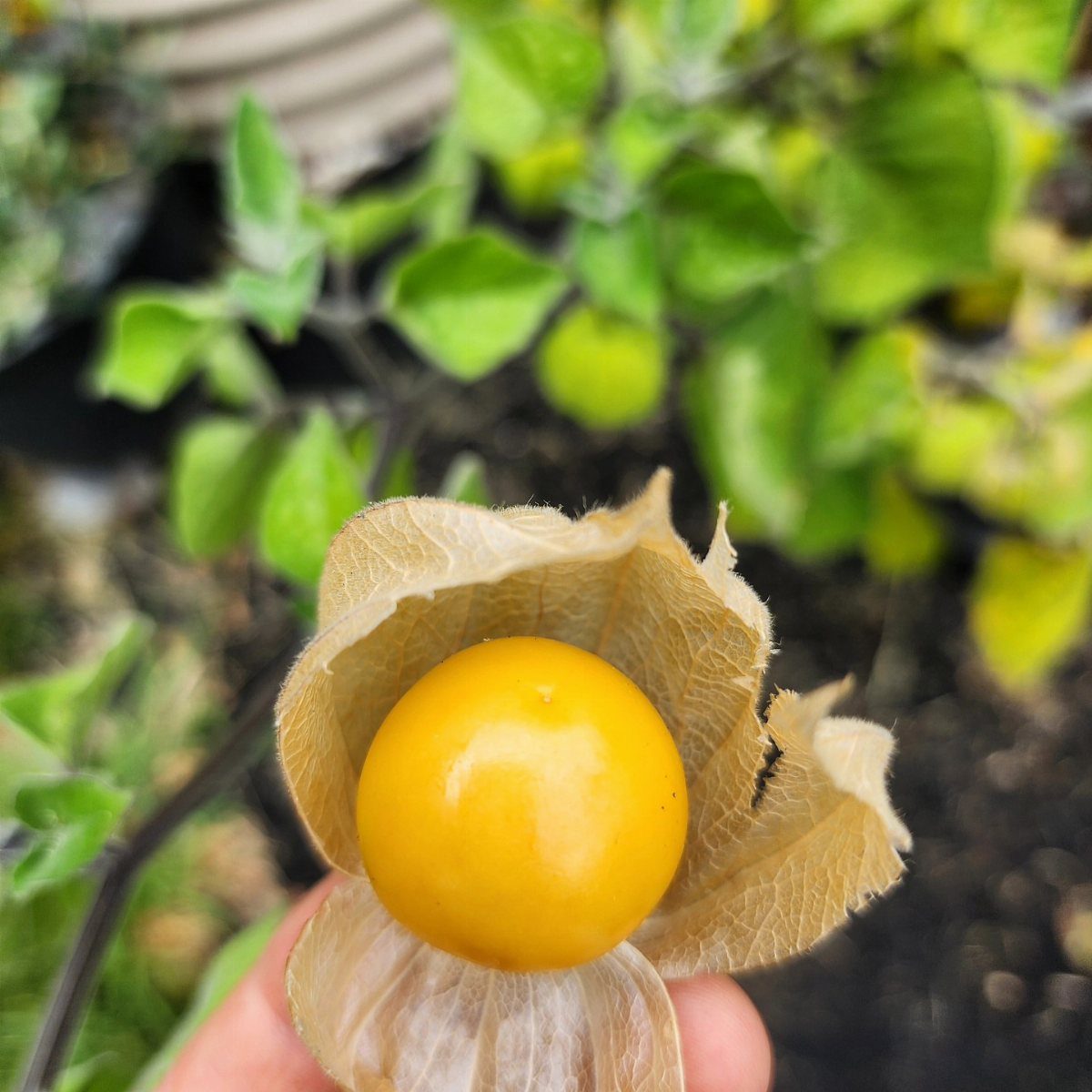
Cape gooseberry wraps each bright yellow berry in a papery, lantern-like husk, and that husk is your ripeness clue: a dry, tan husk means the fruit inside is ready.
It is a small plant, so it fits a bed or a large container without crowding out neighbors. Pick when the husk has dried, and peel it back by hand.
I would grow one for the novelty and the snacking, and it is an easy plant to try on a small budget.
16. Mulberry Tree
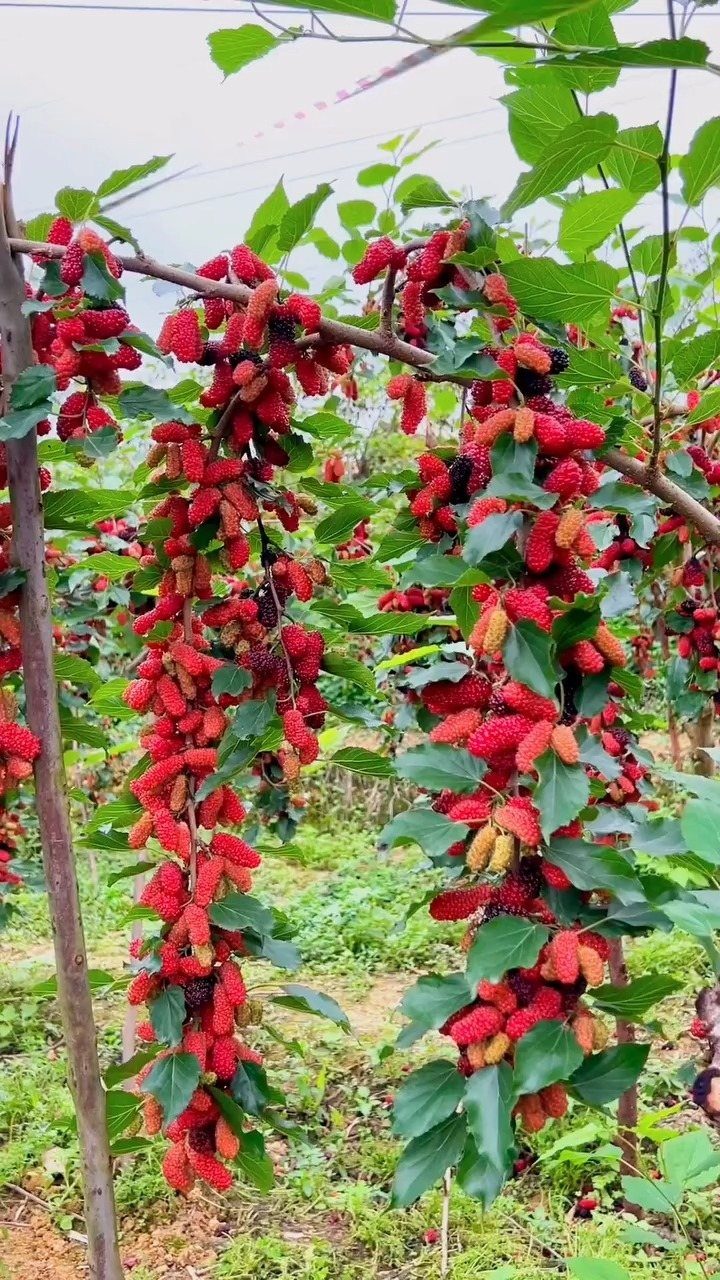
Mulberries ripen in dense clusters, with red and purple berries often sharing one branch, so expect fruit at different stages at once.
Dark purple is the ripe stage; red ones are still tart, and I would leave them. Ripe berries are soft and stain fingers, so pick into a shallow container instead of a deep bucket.
Mulberry is my pick if you want a generous tree and do not mind a little mess underneath it.
Mulberries are a favorite among wildlife and gardeners who love a fast payoff. These trees grow quickly and begin producing juicy, blackberry-like fruit within a year or two.
17. Apricot Tree
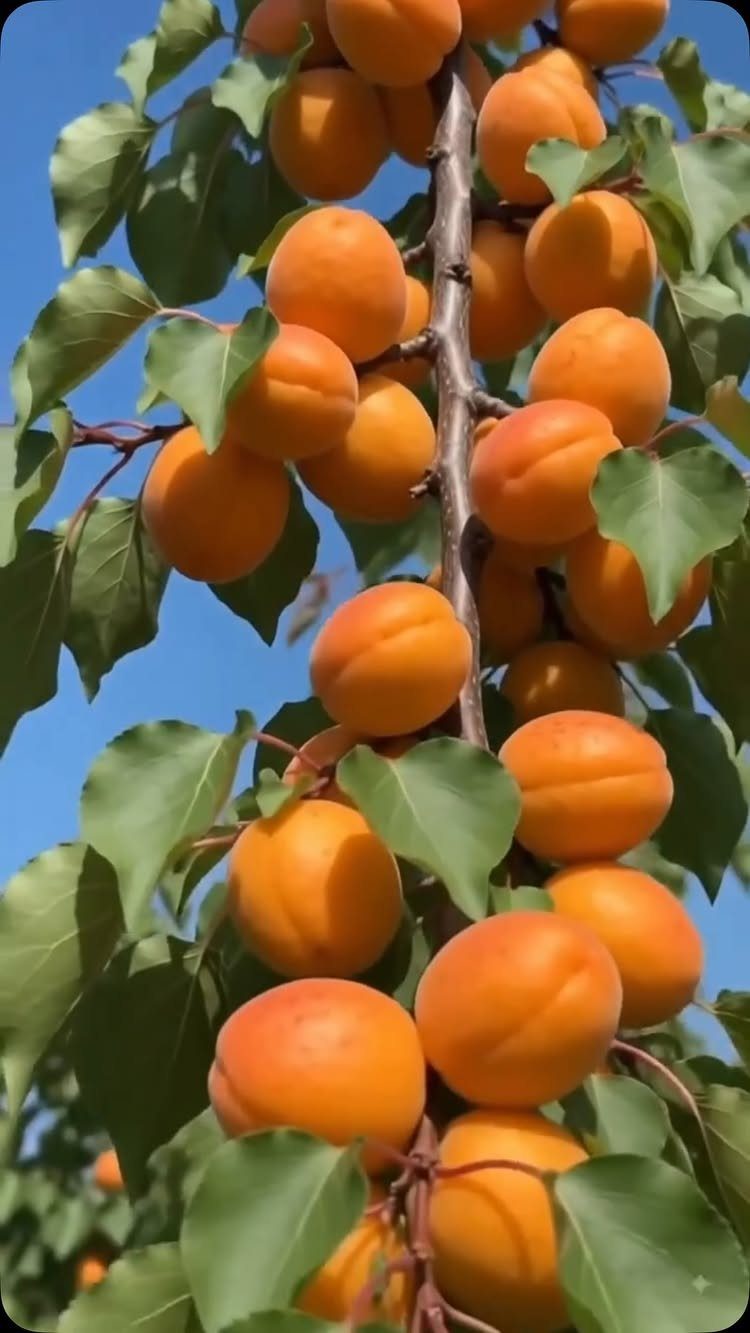
Apricots turn deep orange when ripe, and a branch this loaded tells you the tree had full sun and open air around it.
Choose the brightest spot you have, with room to grow. Wait for the fruit to color fully and come away with a gentle twist, because an early apricot is firm and sour.
I would plant apricot if you like a stone fruit that is easy to eat straight off the branch, and I would not rush the pick.
18. Potted Plum Tree
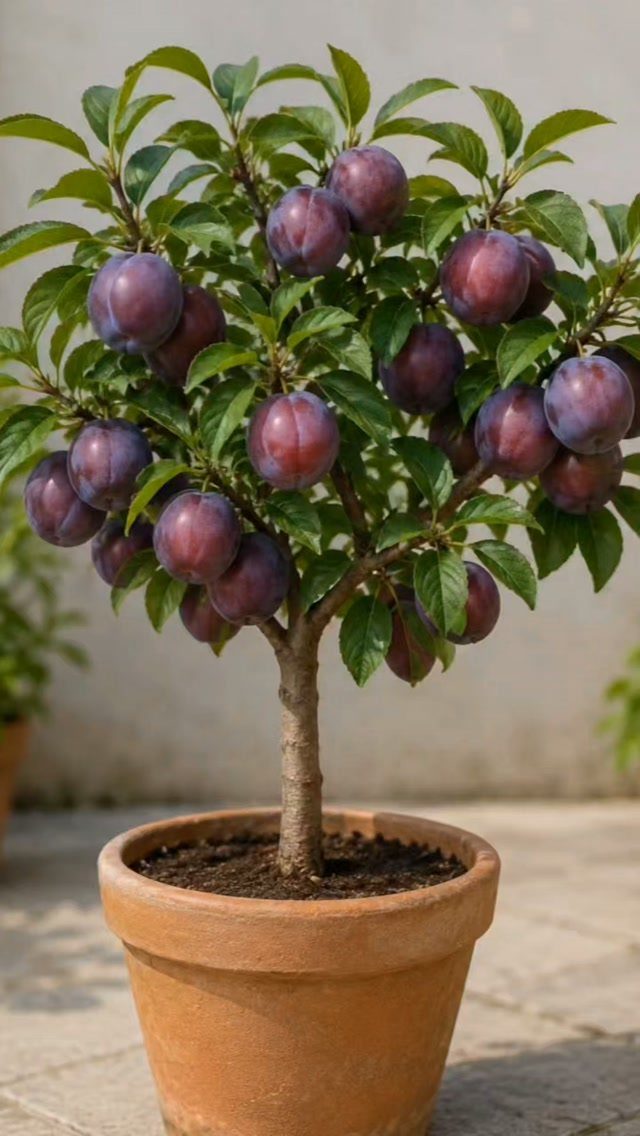
A plum in a terracotta pot on a paved patio works because the pot keeps the tree compact and the paving holds the day’s warmth.
Terracotta looks great but is heavy, so settle on the final spot before you fill it. Make sure the pot has a drainage hole, and keep it in full sun.
Potted plum is what I would choose for a rental patio: it moves with you, and the purple fruit is easy to reach.
Choosing Trees for Small Spaces
Dwarf apple is the small-yard answer that the list leaves out.
It gives you the classic apple in a scaled-down tree, suited to patios, and it can fruit in 2–4 years. It grows in USDA zones 3–8 and wants full sun.
Dwarf apples do ask for upkeep.
Prune regularly, and watch for apple scab and codling moths. If the variety isn’t self-pollinating, plant a compatible one nearby.
Size control matters most with the fast growers. Mulberry can build a large root system, and loquat can get very large and hard to manage in a city lot.
In a tight yard, I would pick a dwarf type, use a container, or commit to pruning before the tree outgrows its spot.
Guava is a good example of a tree that takes pruning well, which makes it easy to keep compact.
Local Climate and Biosecurity
Quick-fruiting advice often assumes a warm climate. Most fast fruit trees, like papaya, banana, and guava, grow best in USDA zones 9–11, so check your zone before buying anything labeled "fast."
Then look into local biosecurity guidance.
In some places, cherry guava self-seeds easily and spreads by birds, and it is treated as a pest. Loquat can self-seed and spread in some areas too.
A tree that behaves in one region can be a problem in another.
Call your county extension office or state agriculture department before you plant either one in the ground. If the answer is unclear, a pot keeps the tree where you put it.
Food Forest Support Plants
Fast-growing fruiting plants do more than give you an early harvest.
In a new bed, bare soil doesn’t stay bare for long, so something will fill it. Plant what you want there instead of letting weeds do it.
Fill the gaps between young trees with these companions, and they give you a working middle layer while the slow growers catch up.
Their leaves keep the soil cooler and hold in moisture, and they block the afternoon sun and wind that scorch a new tree.
Leaf drop feeds the soil, and so does chop-and-drop, where you cut the plant back and leave the clippings as mulch. They also attract pollinators and beneficial insects.
Many are meant to be temporary. Once the long-term trees take over, chop them back, take cuttings or seeds and move them, or remove them completely.