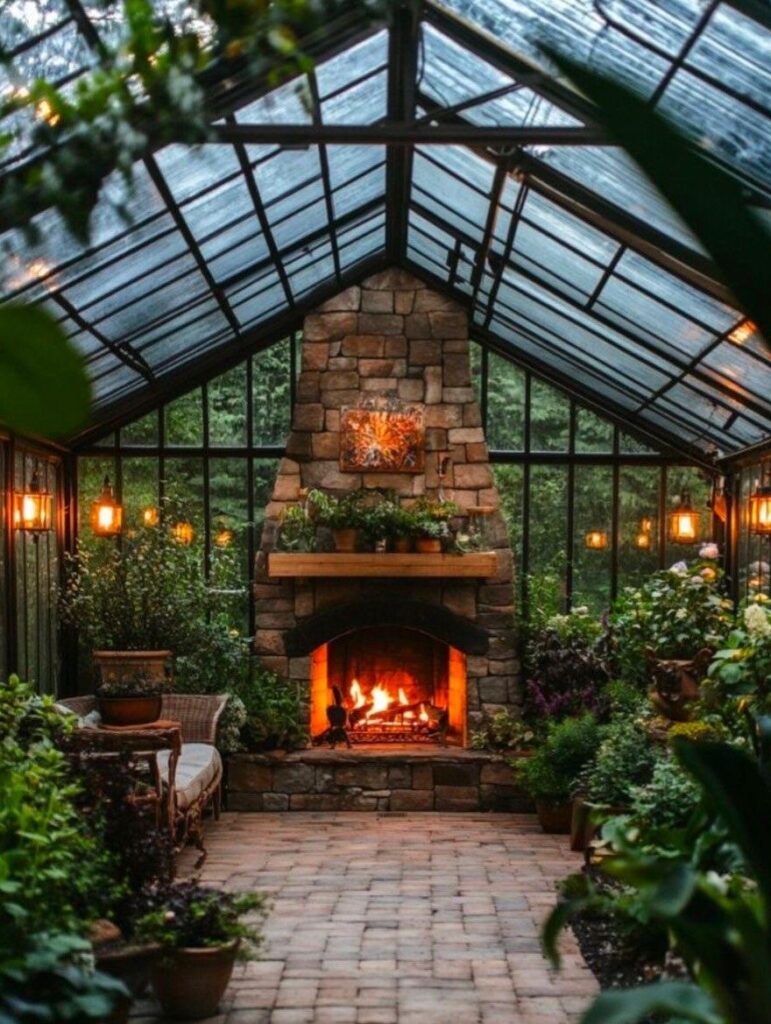
The right four season greenhouse depends on how much heat you plan to add, from an electric heater up to a chimney fireplace, and on how permanent you want the build to be.
The list runs from a hoop house under heavy-duty translucent plastic, which is the cheapest cover I know of, up to a brick and glass structure with a masonry chimney that needs a mason and a much bigger budget.
Pick the heat source first, whether that is an electric heater or a chimney fireplace, and let it settle the glazing and the foundation.
1. Polycarbonate Glazing
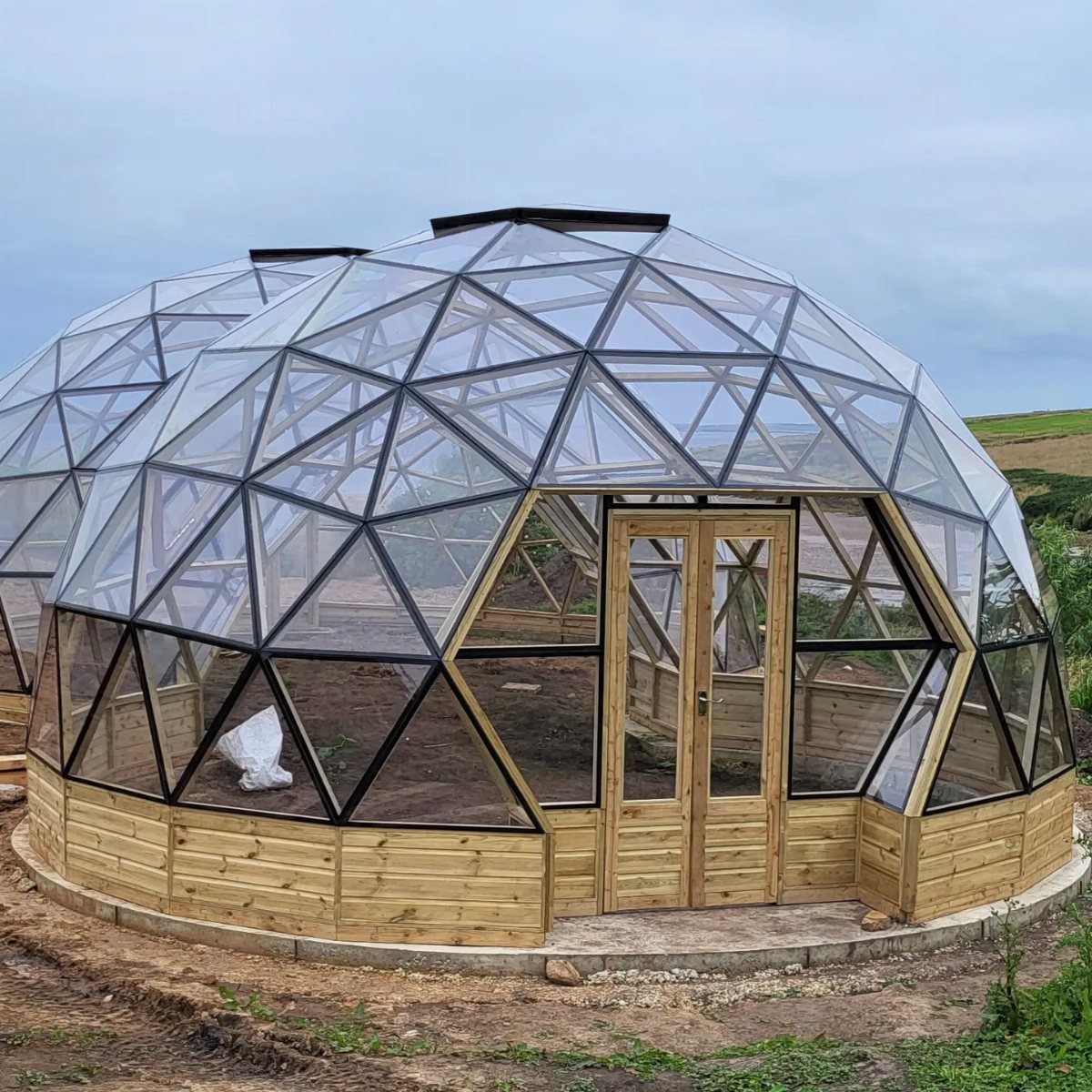
Multiwall polycarbonate panels are my pick for a dome like this one. The layered structure traps a thin insulating cushion while still letting light through, which glass can’t do at the same time.
That makes it a sensible glazing for cold months, when you want sun on the plants but less heat leaking out.
Panels also cut easily to fit the triangular facets of a geodesic frame, so check that your cuts are tight before you seal the edges.
2. Electric Heater
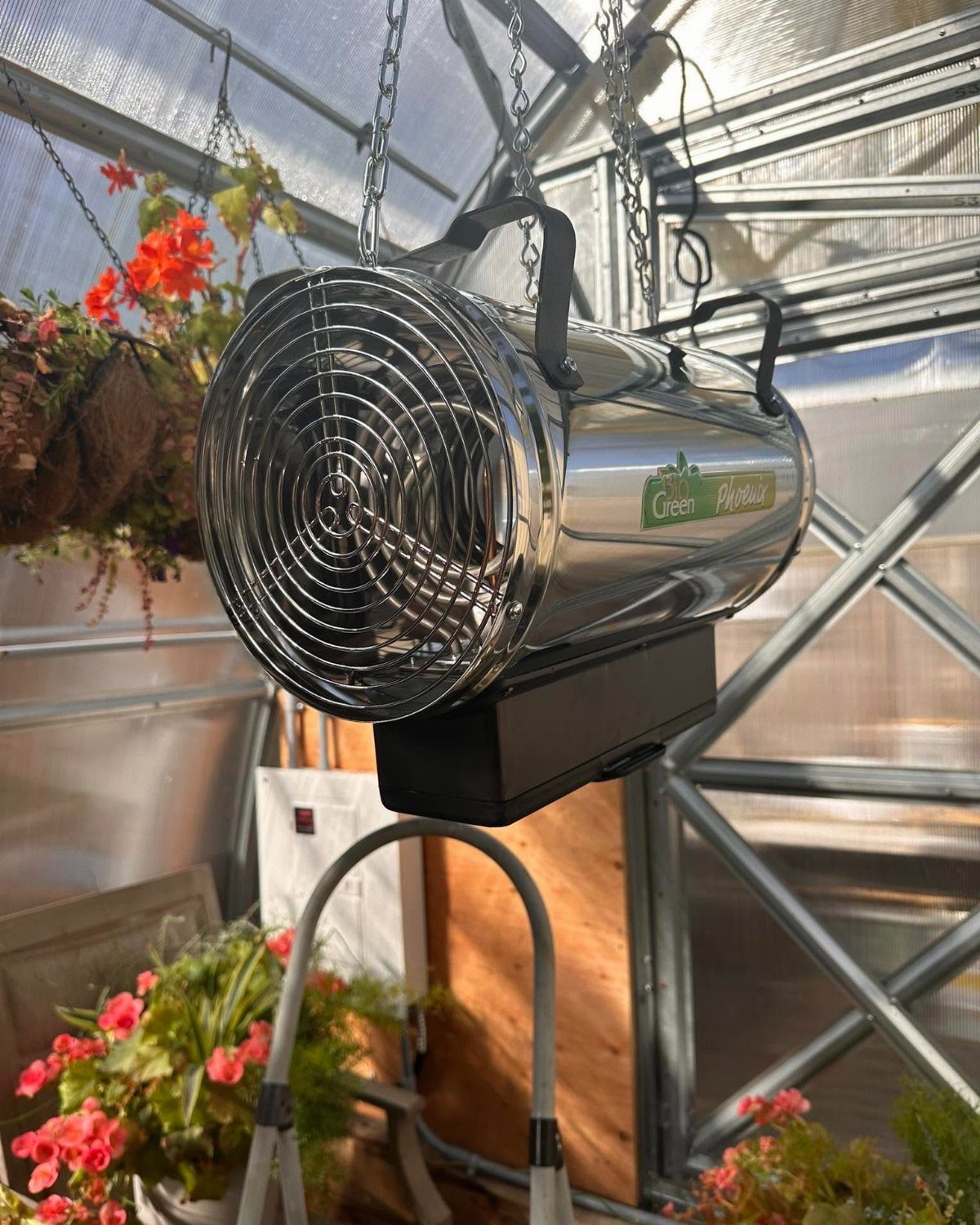
A fan-forced electric heater hung from the ceiling on chains keeps floor space free for benches and pots. That is the setup I like for a small greenhouse.
Electric heat is easy to control, and the fan moves warm air around the room instead of leaving one hot corner.
Pair it with a thermostat so it only runs when the air drops, and keep the cord and plug away from watering zones.
3. Four-Season Greenhouse
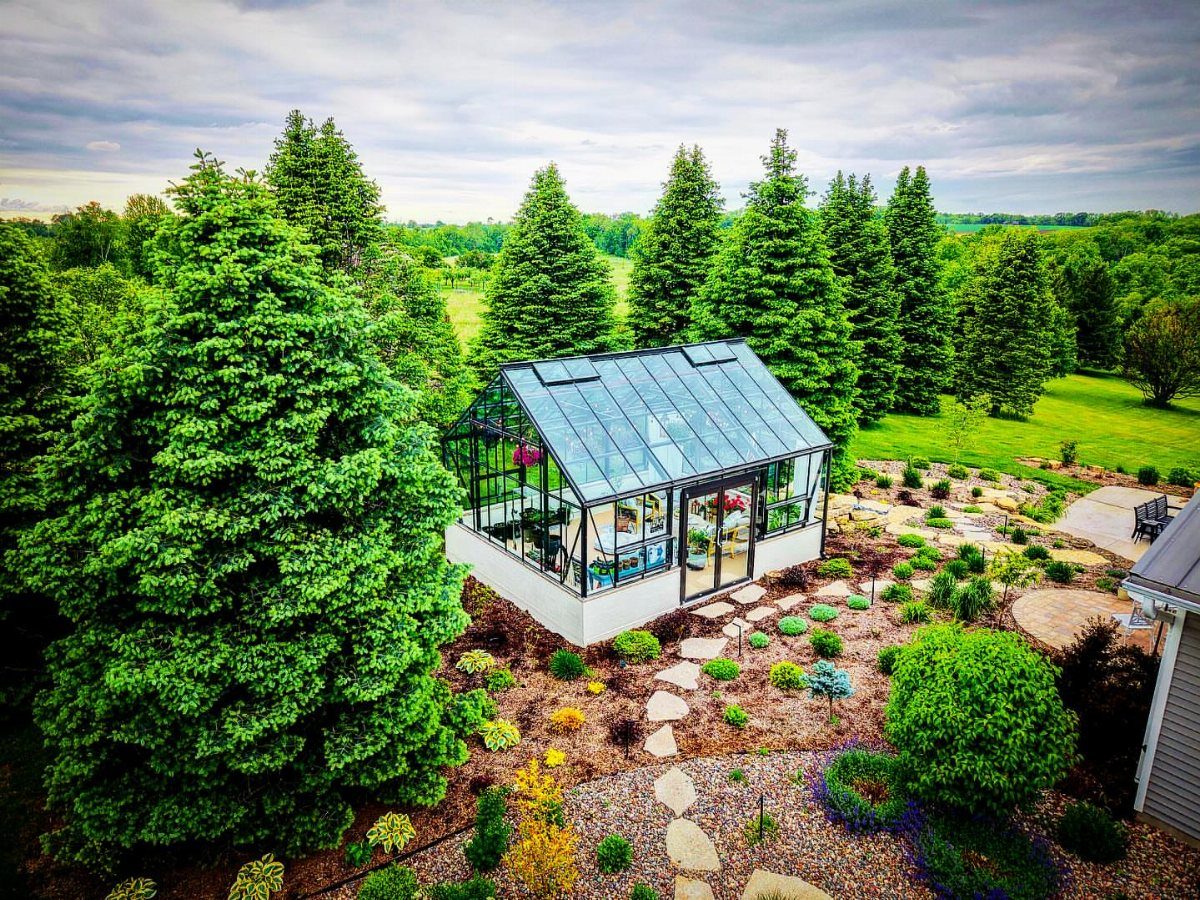
Glass walls on a white base, set among evergreens and stone paths, give a greenhouse that looks like part of the garden instead of a shed dropped on the lawn.
Black framing keeps the lines crisp against all that green. If you are planning for all 4 seasons, treat this as the look to aim for and use the other entries here to decide on heat, ventilation and foundation.
4. Treated Wood Frame
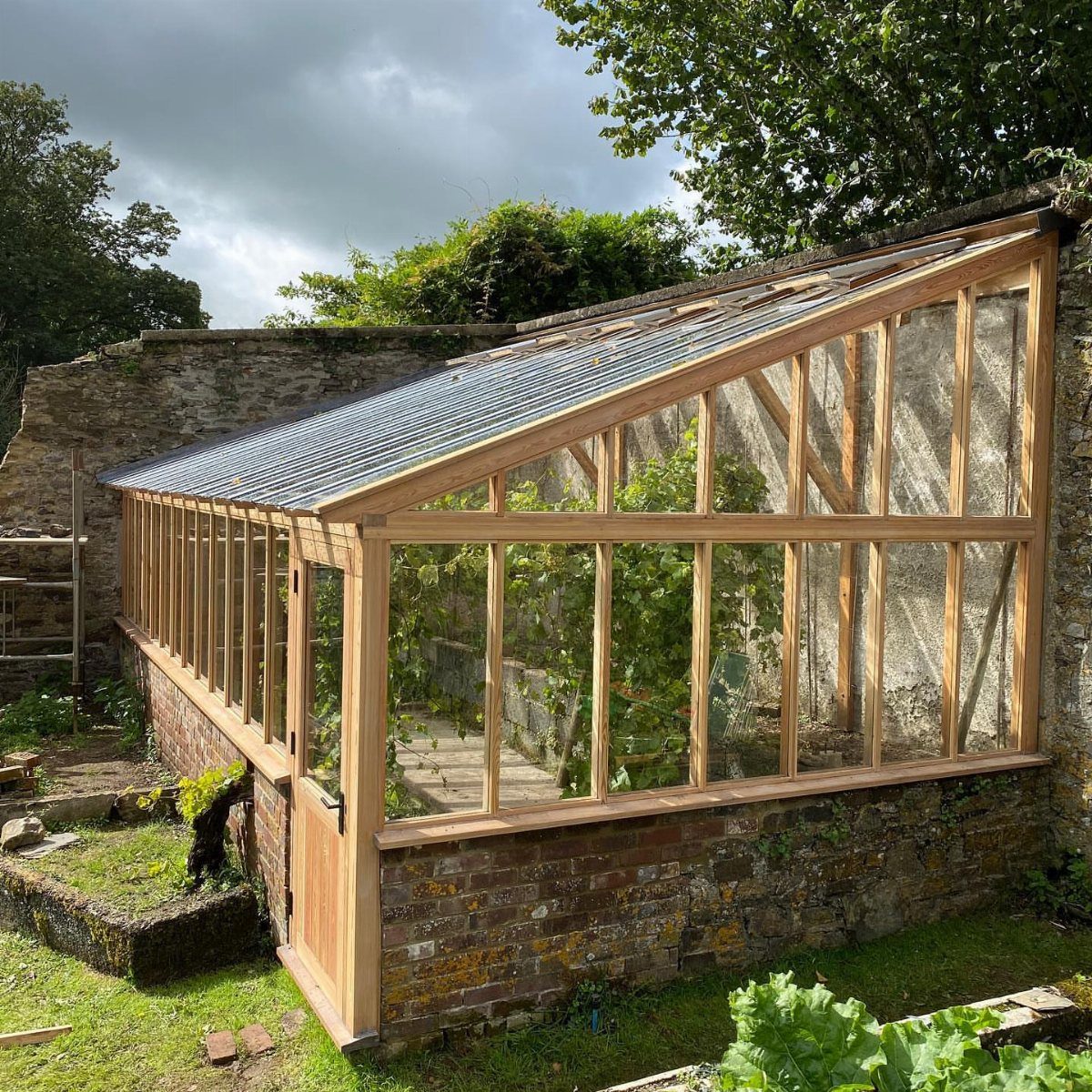
A lean-to leans on something that already exists, here an old stone wall, so you build three sides instead of four. I like that shortcut.
Treated wood gives the frame a natural look and some insulating value.
Expect more upkeep than metal, though: plan on regular checks and refinishing to keep the frame sound. Glass panels in a light wood frame look warm, and the wall behind them helps hold heat.
5. Stone Wall Foundation
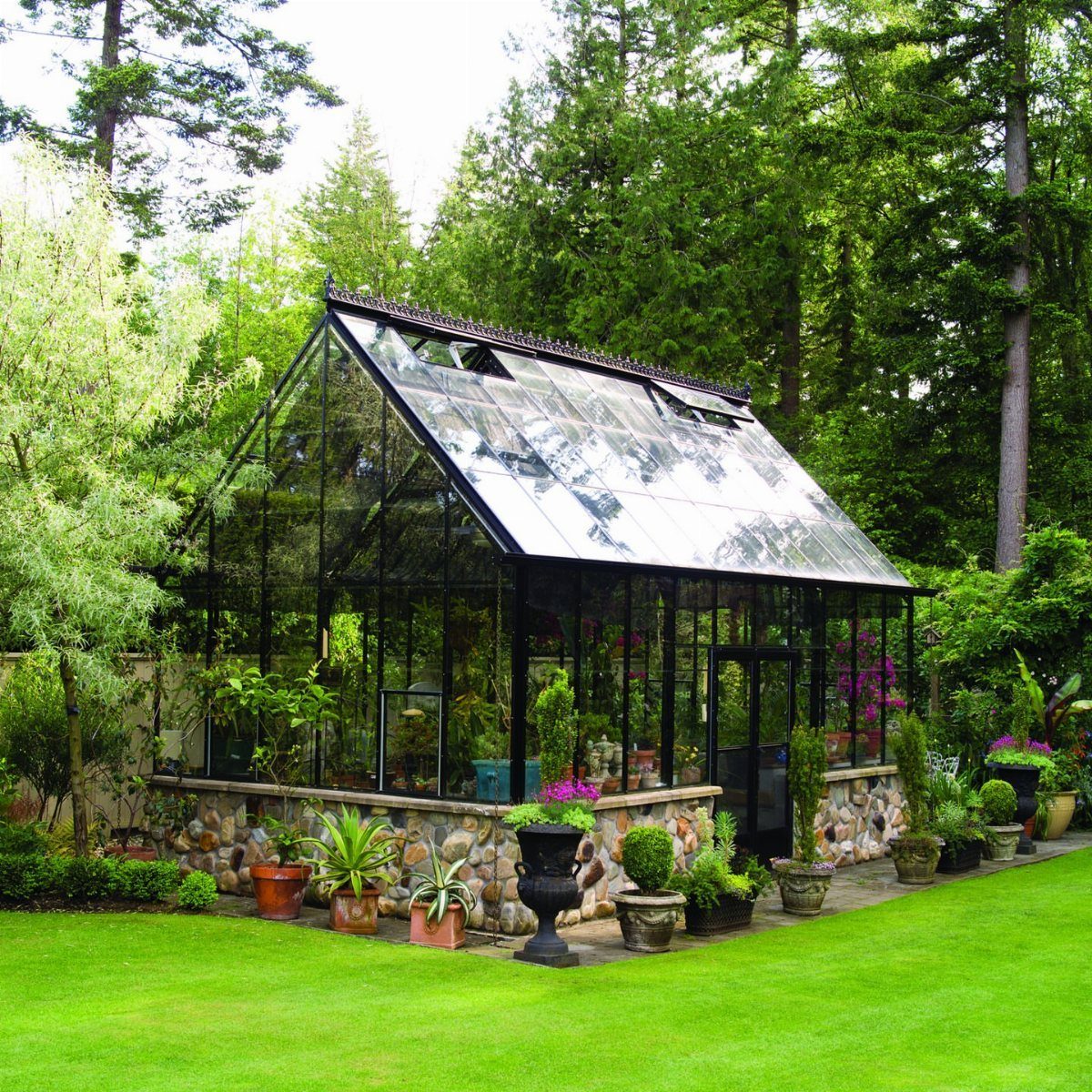
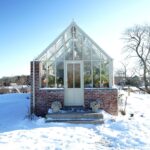
A solid stone base under a glass greenhouse does 2 jobs: it carries the structure and it adds thermal mass, soaking up daytime warmth and releasing it slowly.
Stone is heavy and costly, so it suits a permanent build more than a weekend kit.
With a black frame above it, the contrast looks sharp on a lawn. If your budget is tight, a low stone course is a reasonable compromise.
6. Chimney Fireplace Integration
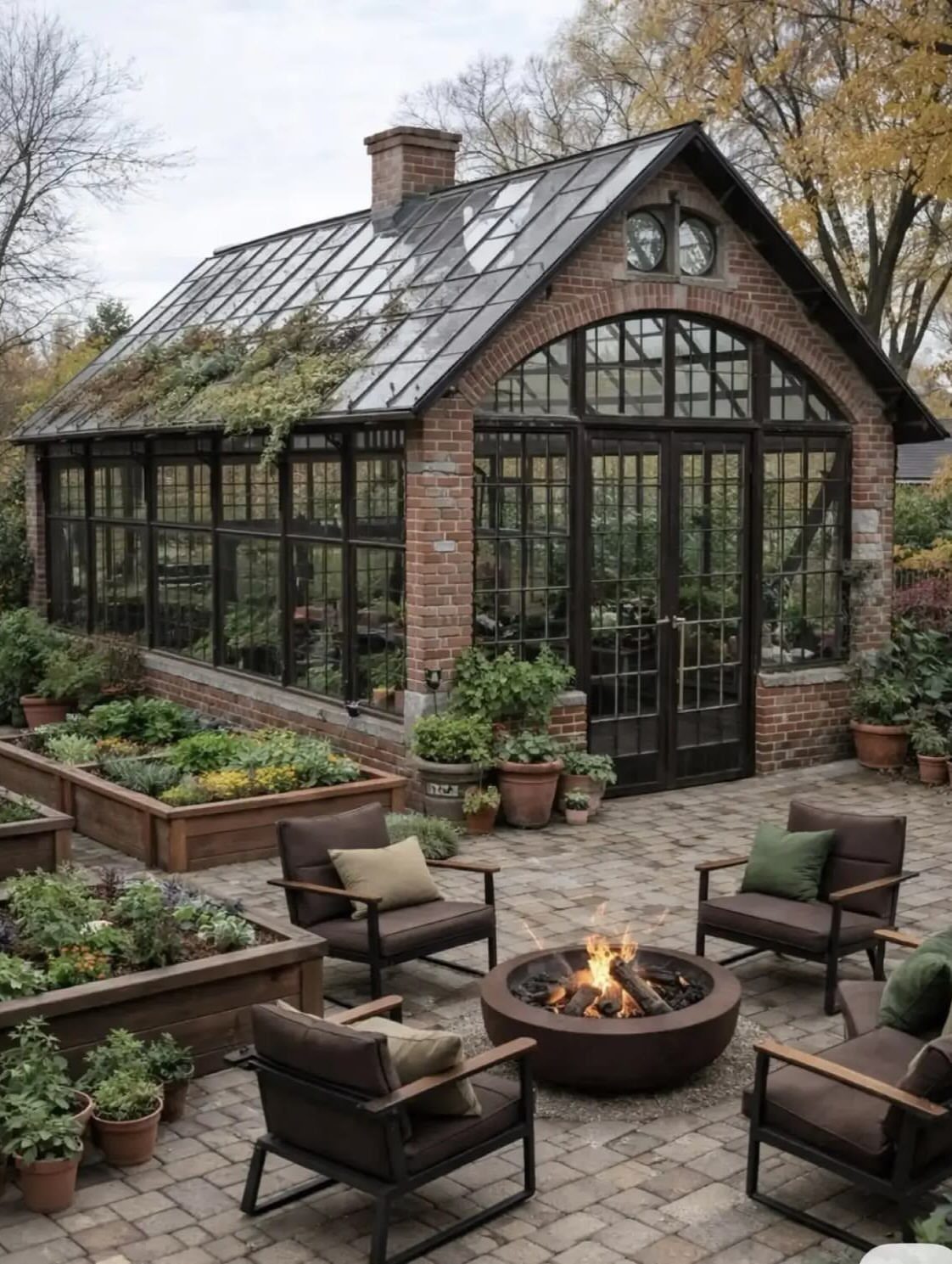
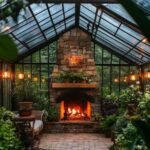
Brick walls, glass panels and a real masonry chimney make this the most ambitious greenhouse in the list. The chimney points toward a fireplace for heat, which is a very different approach from plug-in warmth.
A paved courtyard with a fire pit and lounge chairs turns it into a place to sit, not just grow.
Raised beds beside it keep growing close. Expect masonry skills or a hired mason, and a bigger budget than most weekend projects.
7. Gabled Black Metal Frame
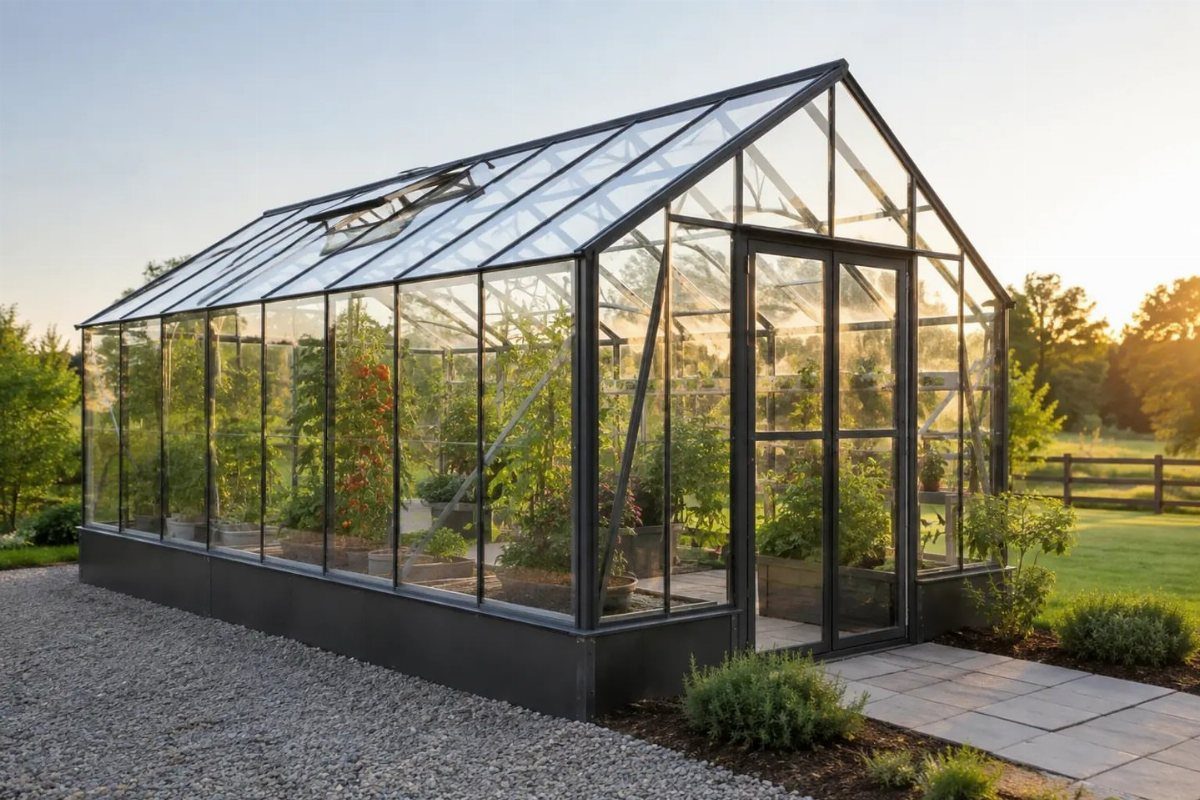
A peaked roof on a black metal frame sheds rain and snow, and it gives tall plants headroom down the center line. I like the gabled shape for a freestanding greenhouse in an open backyard.
Black metal looks sharp against green leaves and gravel.
Thin metal members also leave more of the glass clear for light. Set it on level ground, and leave the paths around it so you can reach every side.
8. Ventilation Shutters
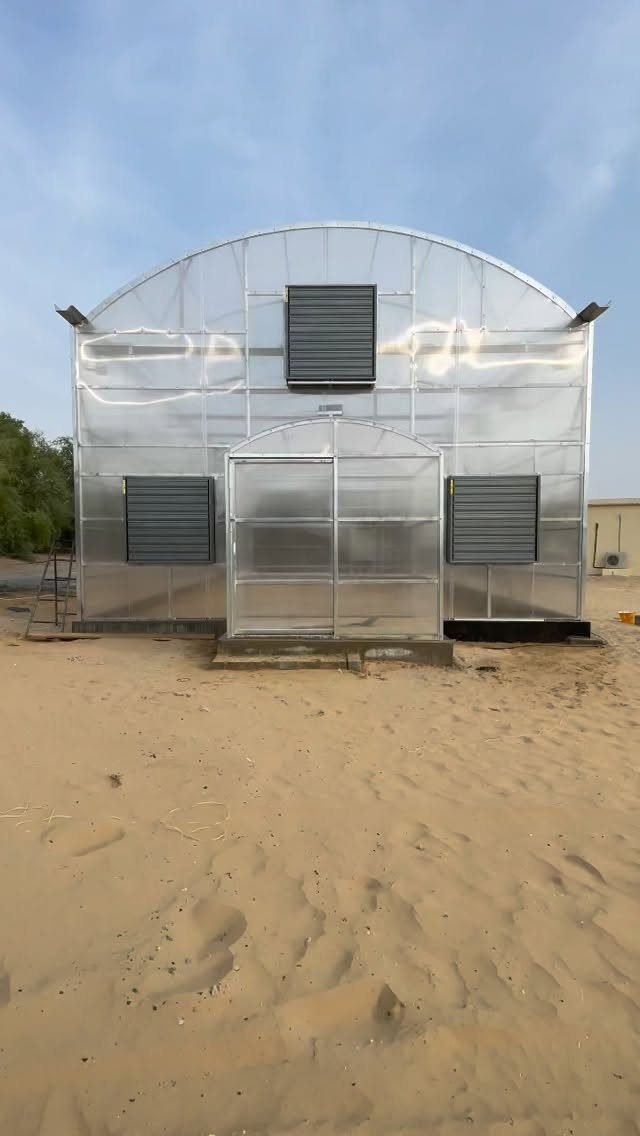
Louvered shutters on the sides of an arched greenhouse let hot air out without opening a door. Three of them along the wall, as on this big hoop structure, give you a way to adjust airflow through the season.
Open them wide when the sun heats the interior, and close them tight when the cold sets in.
Place them low and high if you can, so air has a path to move through. Greenhouses overheat faster than most beginners expect.
9. Green Metal Frame Greenhouse
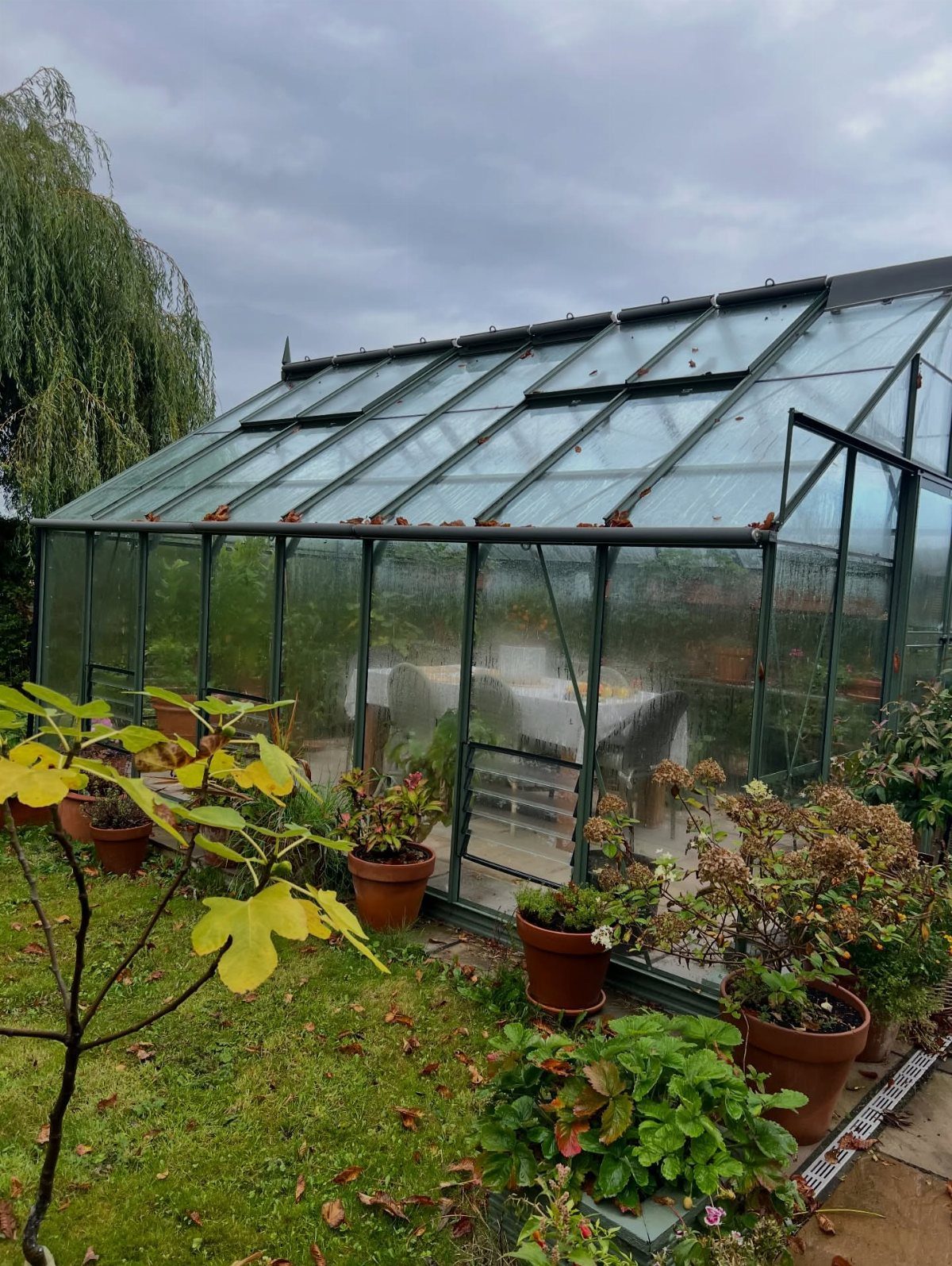
Green paint on a metal frame makes a glass greenhouse blend into the garden instead of competing with it. I would choose it for a yard full of trees and potted plants, where black can feel too stark.
The classic look suits a traditional backyard well. Check the finish on the metal every year or so, and touch up any chips before rust gets a start.
10. Arched Wooden Double Doors
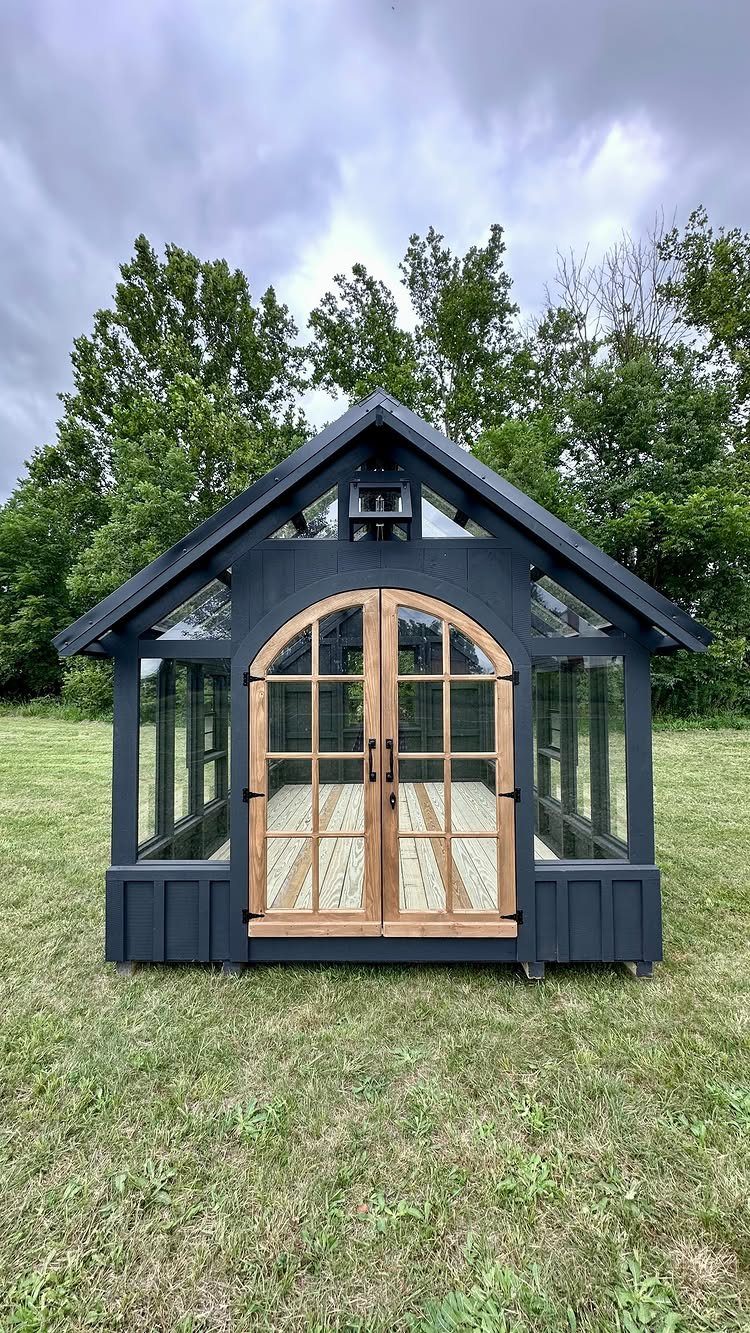
Arched wooden double doors give a dark greenhouse a rustic entrance, and the warm wood softens all that glass and metal. 2 leaves also mean you can wheel a cart or carry a big pot through without squeezing.
Wood warms the look, but it needs sealing against damp inside a greenhouse. Fit weatherstripping around the doors, since gaps are where cold air gets in during winter.
11. Translucent Hoop House
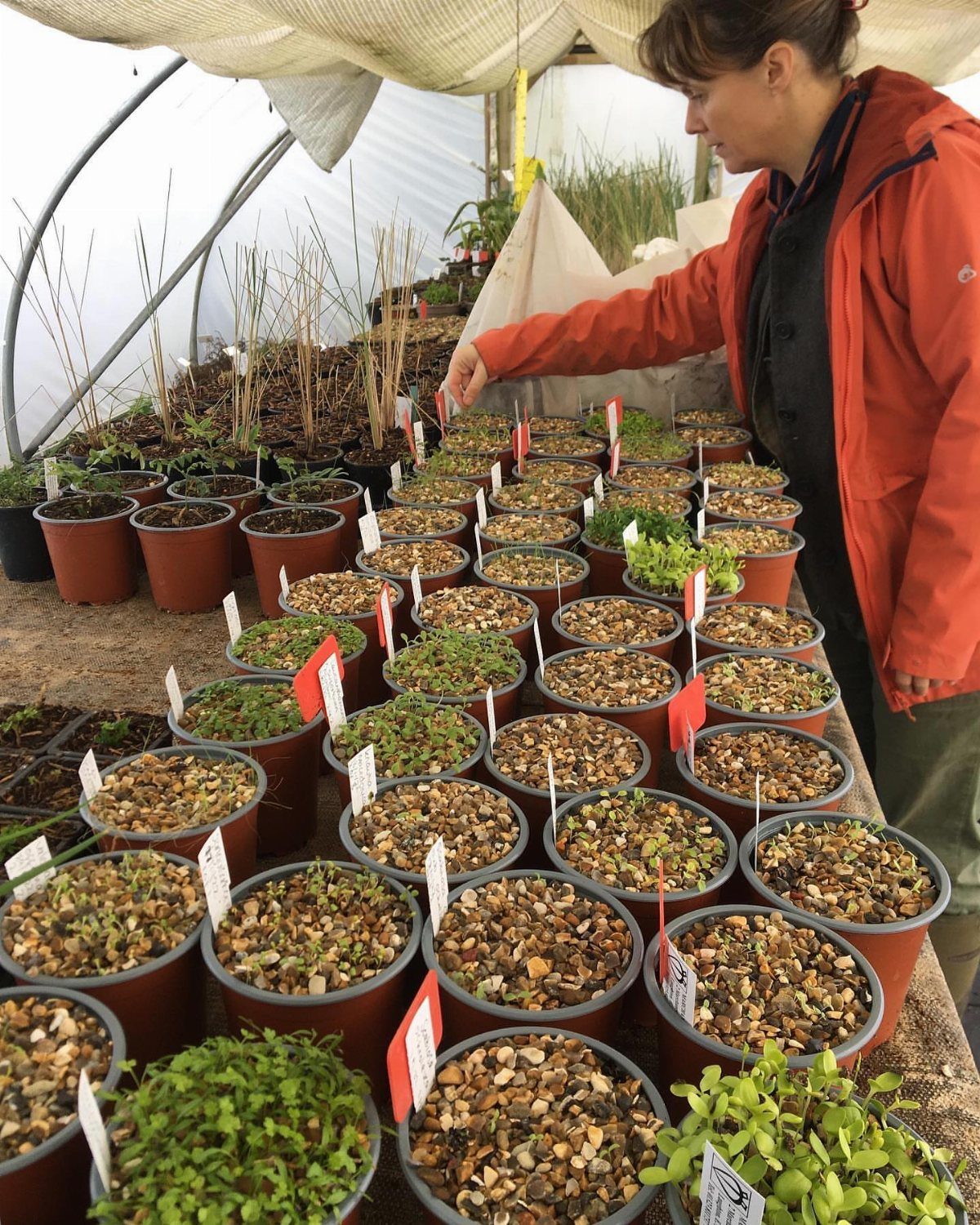
A hoop house covered in heavy-duty translucent plastic is the cheapest way I know to get a growing space under cover. The curved ribs are simple to build, and the sheeting lets light reach seedlings in pots.
Plastic insulates less than rigid panels, so expect to replace the sheeting eventually. It suits seedlings and cool-season crops well, and it makes a good first greenhouse before you commit to a permanent one.