The range is wide: a stone basin fed by a copper pipe can pack up and follow you to the next place, while timber raised beds and a curved stone border are built to stay where they are.
Lease terms and free hours settle the choice.
Renters get the most from pieces that stand alone, such as pots, an outdoor rug or a basin. Owners can plant a hedge, which runs cheaper than a solid wall but takes years to fill in and needs steady trimming.
A hose laid on the ground to mark a bed’s curve is the first test of any of them.
1. Garden Features and Accents
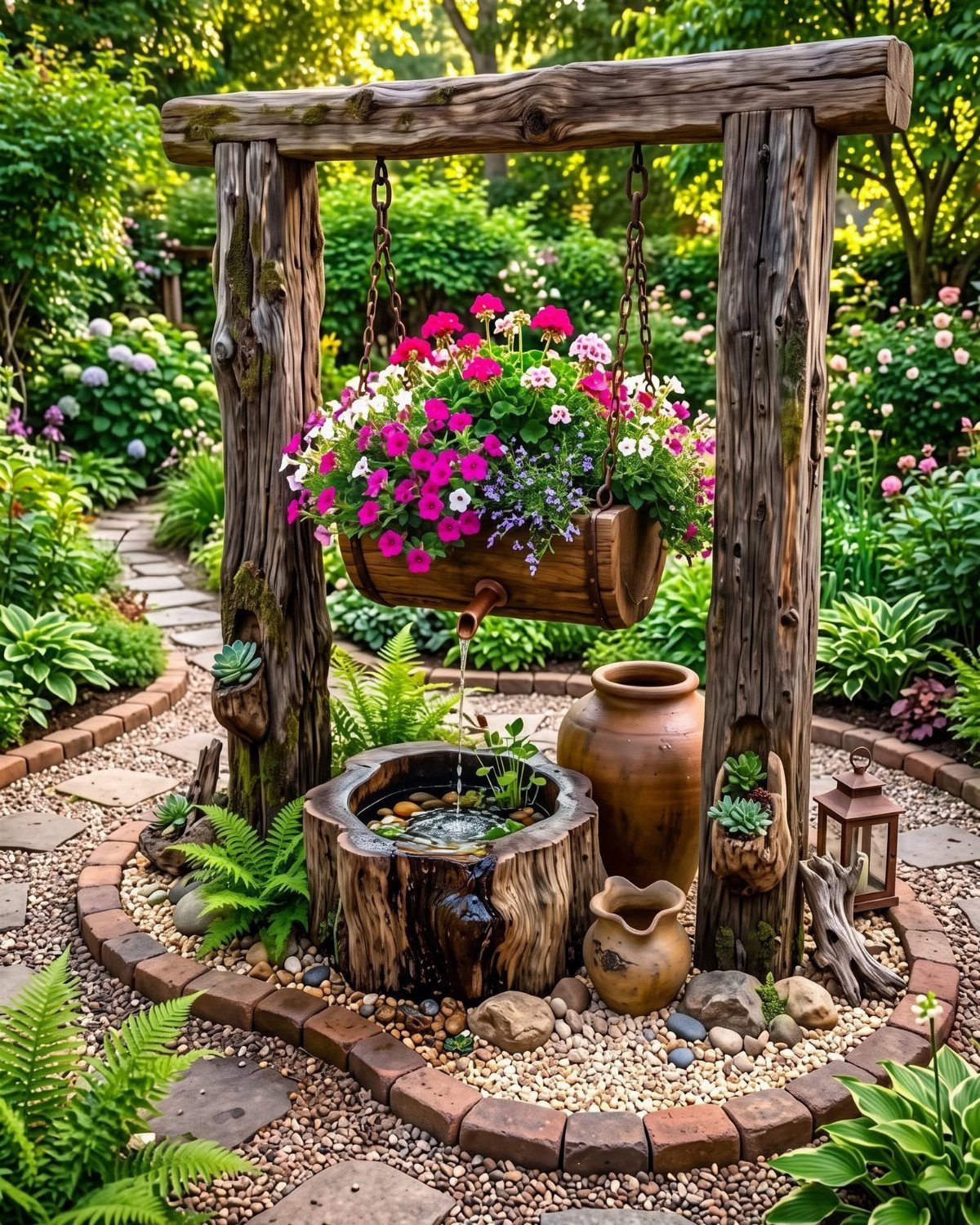
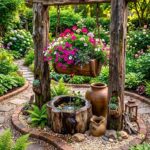
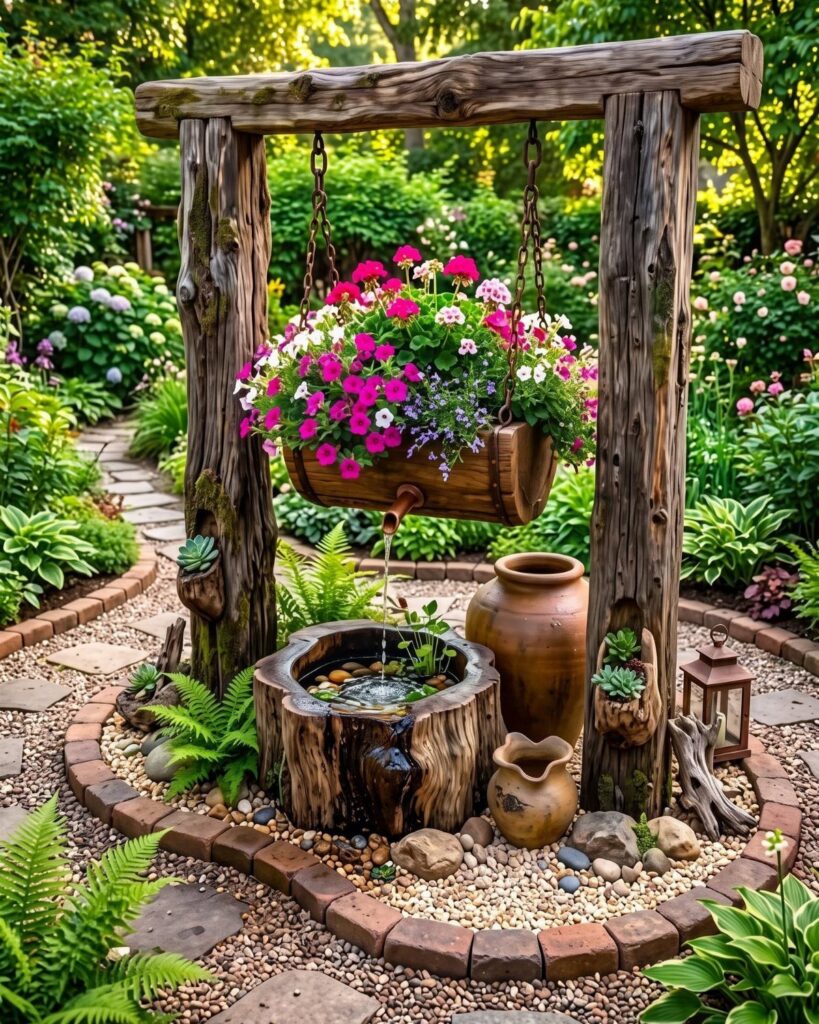
Pick one focal piece and let the plants soften it rather than crowding the corner with several smaller ornaments.
Keep a few pots nearby in matching tones so the feature looks planned. A rustic structure like this suits a casual yard better than a formal one.
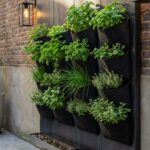
2. Vertical Gardening
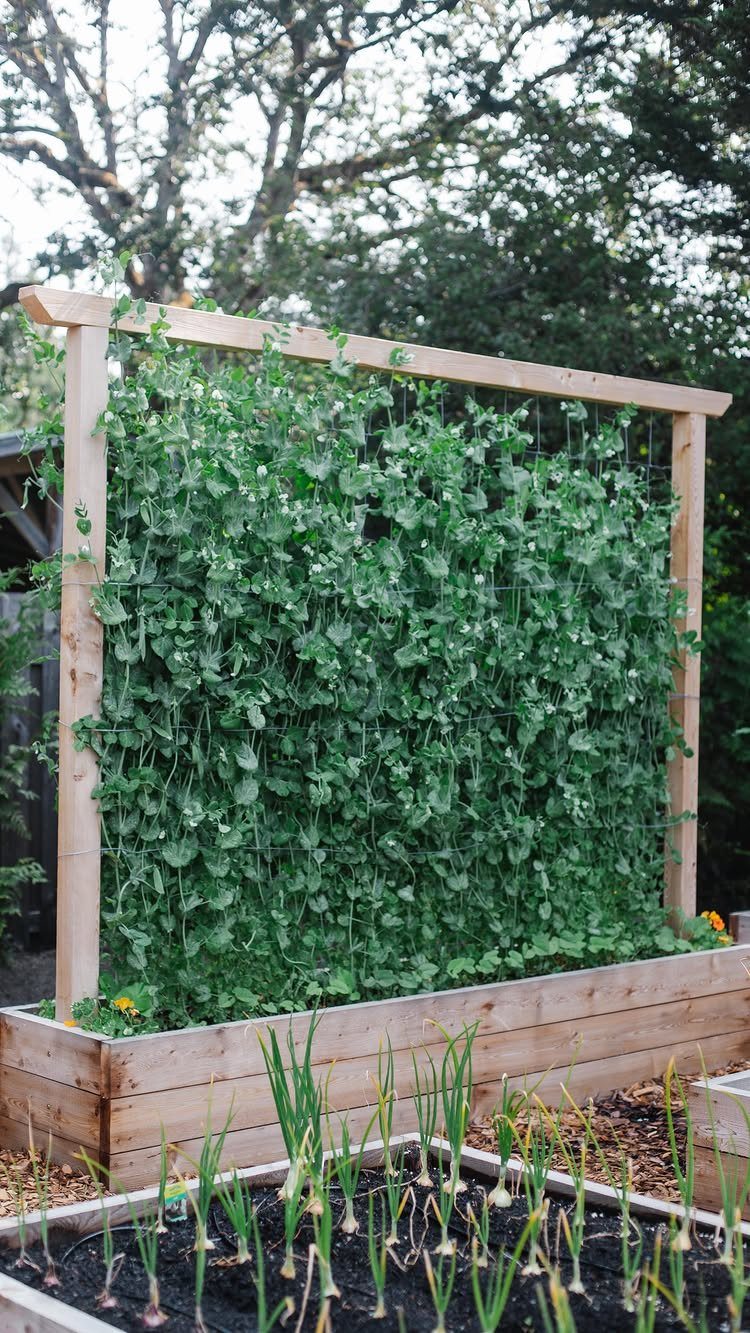
Peas are an easy first crop for growing up instead of out. A wire trellis fixed at the back of a raised bed gives the tendrils something to grab, and the harvest ends up at hand height.
Set the trellis before planting, since pushing it in later can damage roots. In a small yard, this turns one bed into a green wall and frees the rest of the ground for other crops.
3. Garden Seating
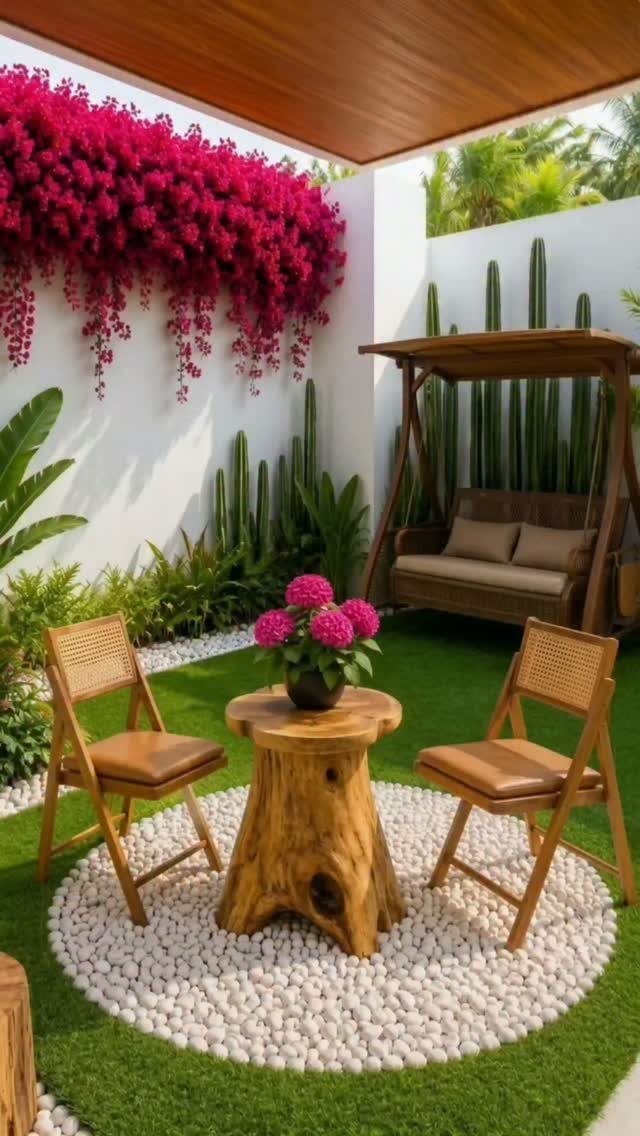
Add a swing sofa and you have room for a small group without building anything permanent.
Put the seats near something fragrant or colorful, like a flowering vine, so the spot feels worth sitting in.
4. Curving Garden Borders
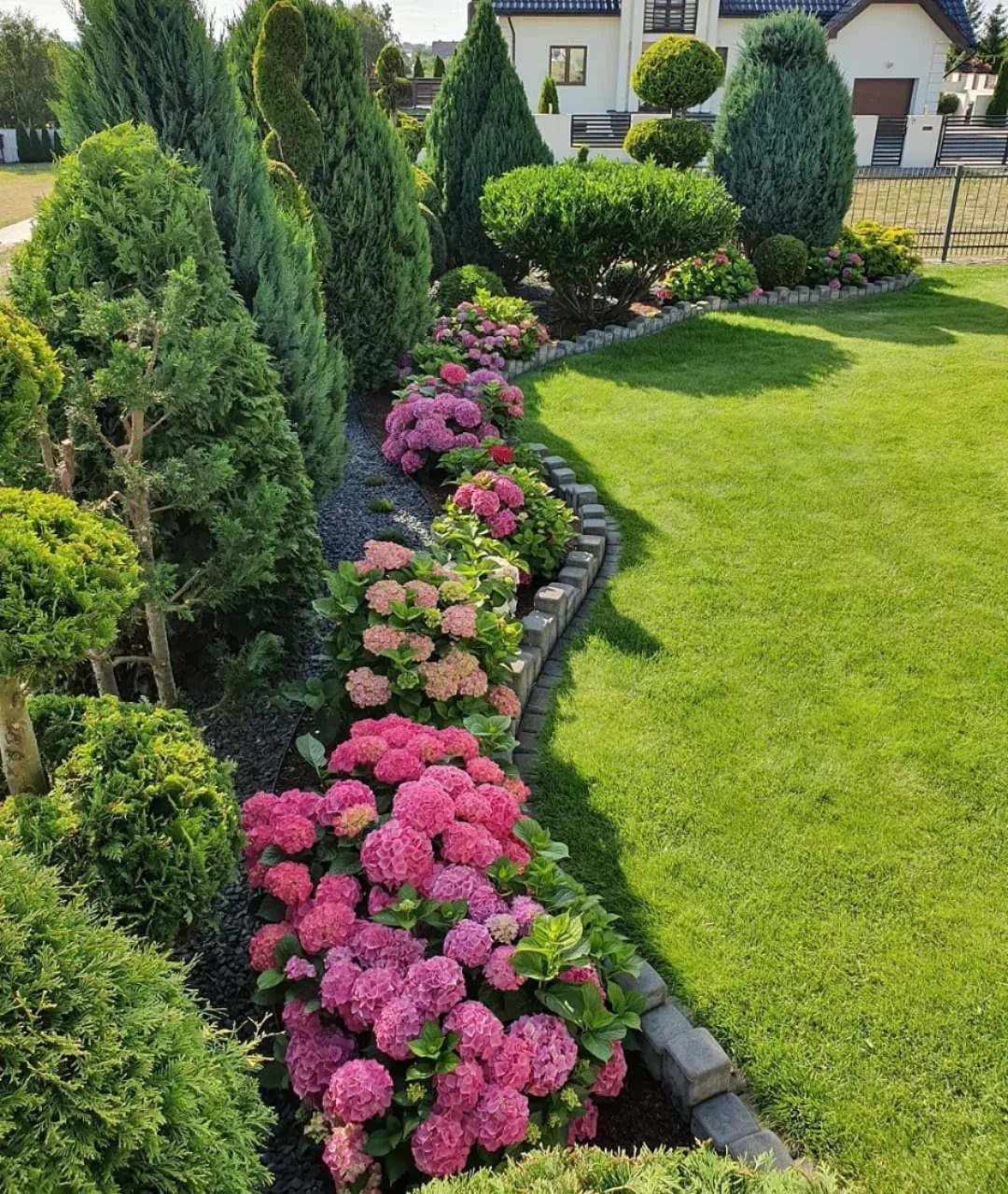
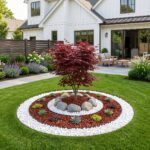
A curving stone edge between lawn and bed looks far more relaxed than a straight line, and it gives the yard a shape even in winter.
Pair flowering shrubs like hydrangeas with a few clipped evergreens, so something stays green all year.
Lay the curve out with a garden hose first, and adjust it until the mower can follow it easily. Gentle bends are easier to mow than tight ones.
5. Small Garden Design
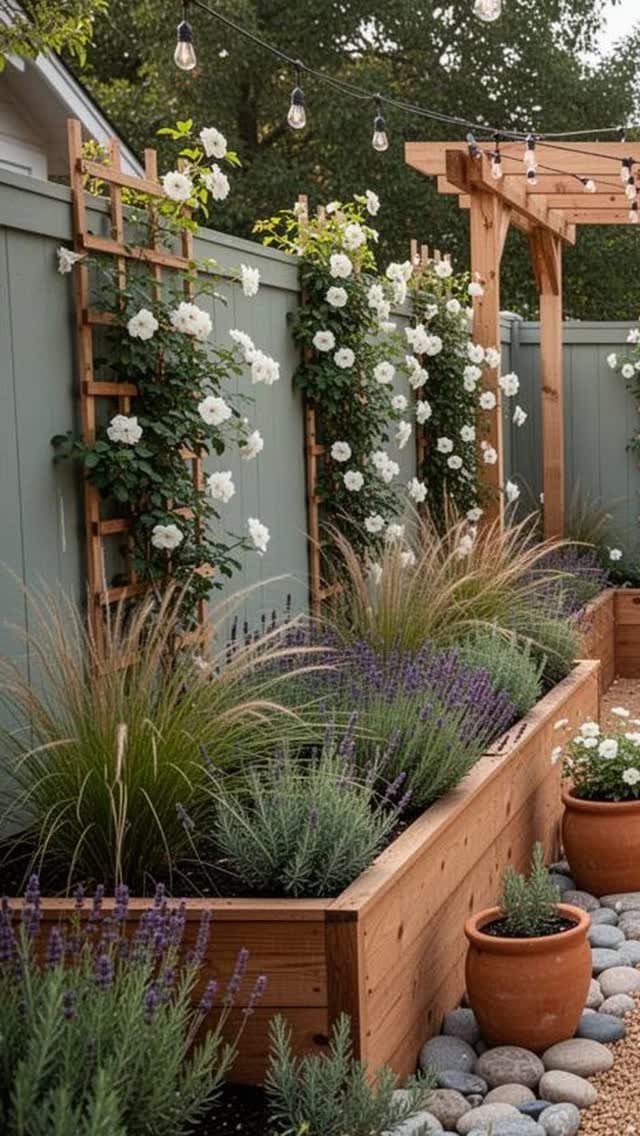
Going upward leaves floor space for a seat under a pergola.
I would keep the plant palette narrow, repeating a handful of kinds, so a compact yard feels calm rather than cluttered.
6. Garden Pond
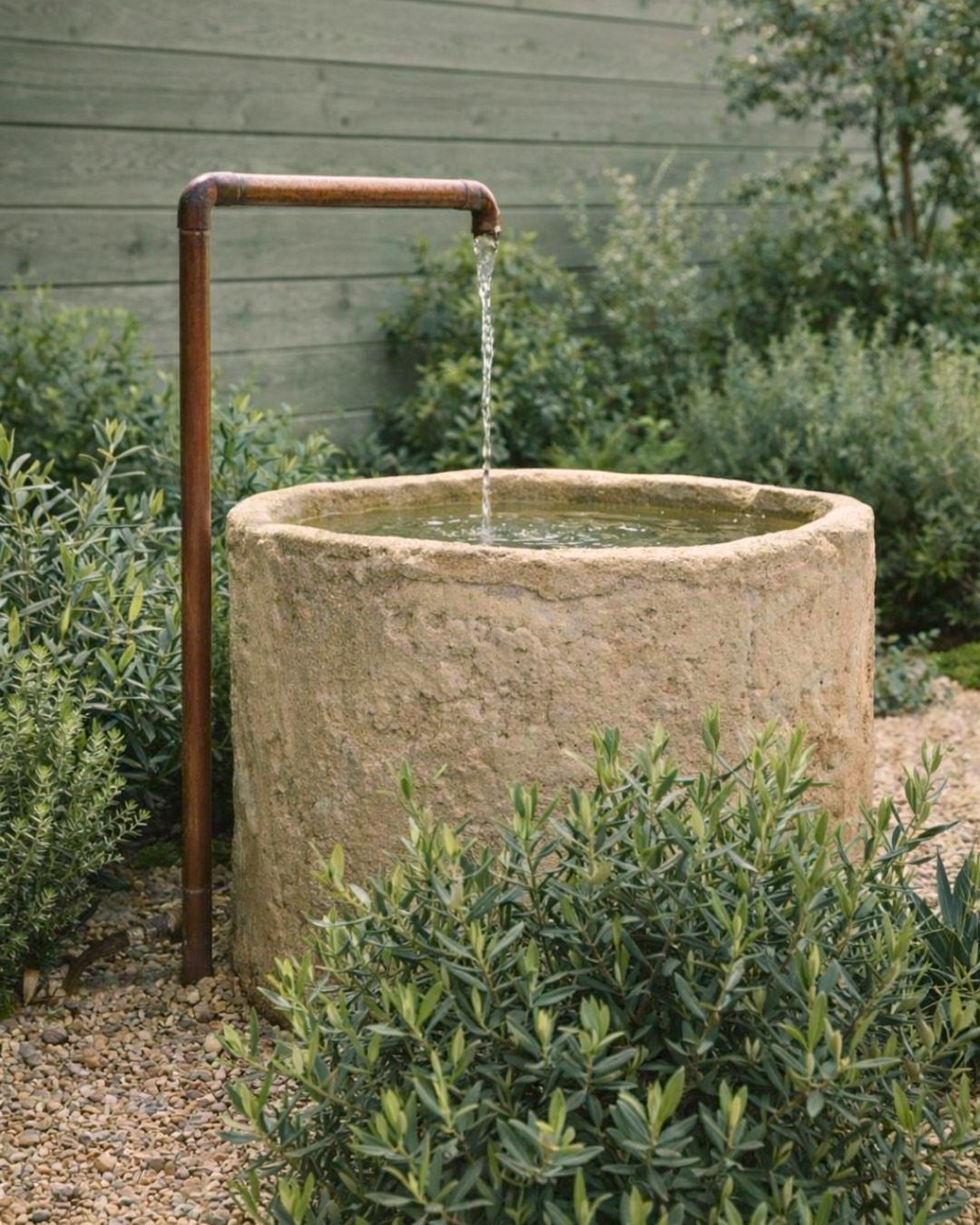
A stone basin with a copper pipe pouring into it gives you the sound of water without digging a pond. It sits happily on gravel, which keeps the area tidy and easy to maintain.
For a renter, a self-contained basin is appealing because it can move with you if you leave.
Water in a garden is calming, and it’s also attractive to wildlife. You can make your own container pond out of any watertight container that’s around 20-40cm deep.
7. Garden Lighting
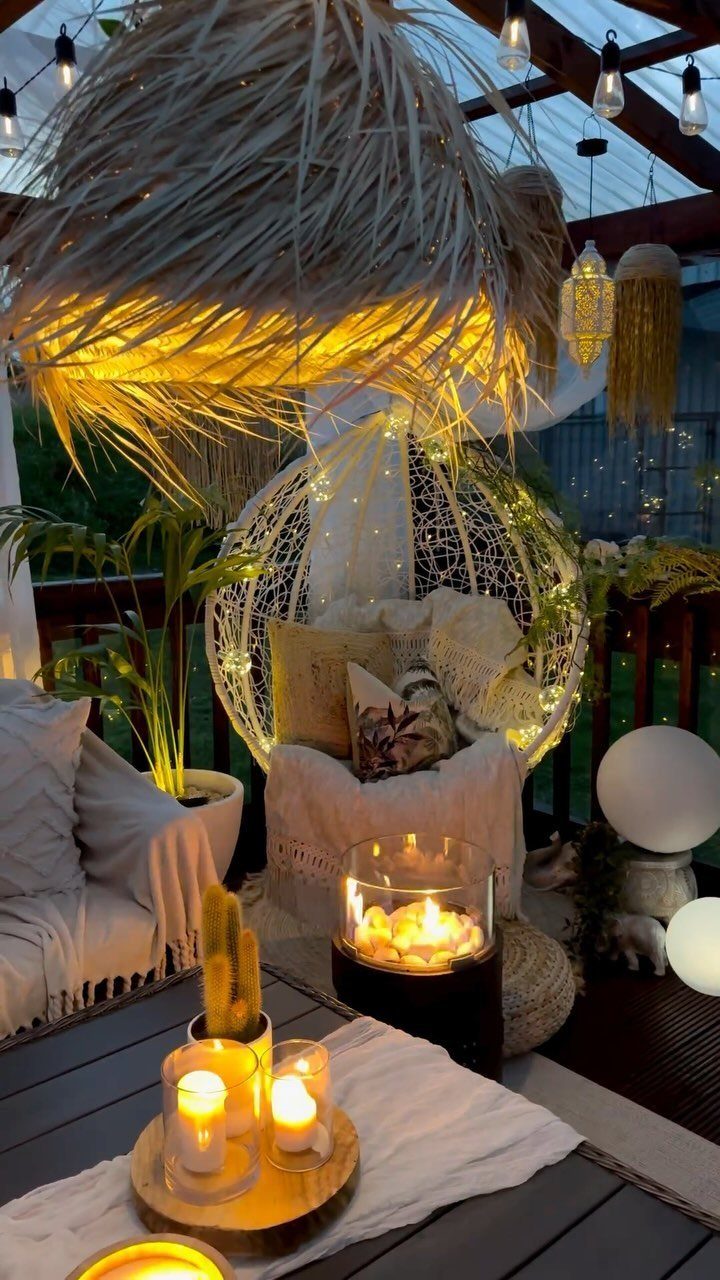
String lights, candles in glass holders and a few glowing orb lamps give a patio 3 layers of light at different heights, which is what makes it feel like a room after dark.
Keep every source warm and low. Glass holders keep candle flames steady, and orbs on the ground light up the plants around the seating.
I would hang the string lights first, then add the rest until the corners stop looking dark.
8. Front Yard Planting Bed
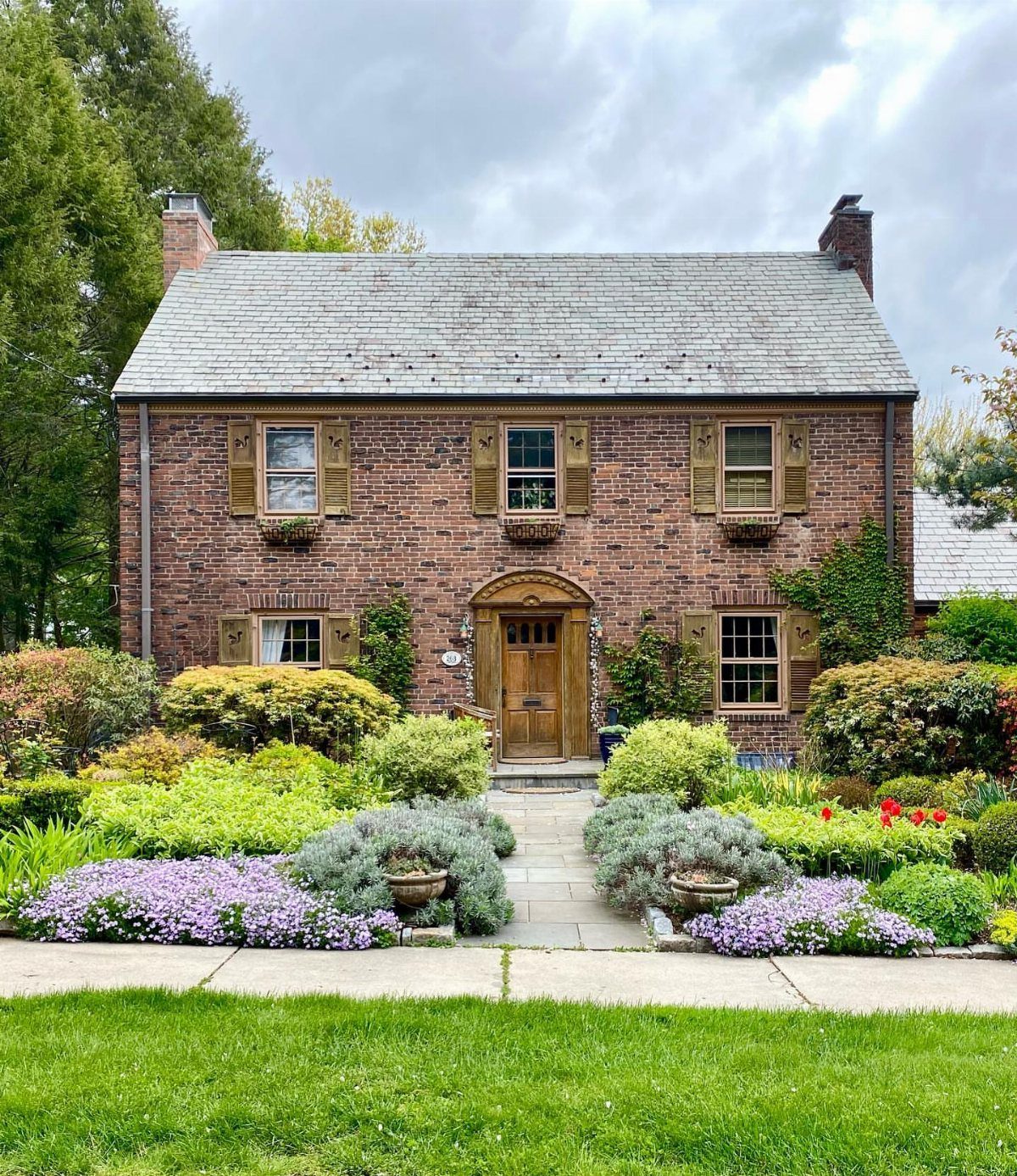
A front bed with layers, tall plants at the back, mid-height in the middle and low ones along the edge, makes a brick house look finished.
Purple and green foliage against red brick is a combination I like because the colors sit opposite each other.
Let the stone path run through the bed so the planting leads to the door. Repeat the same few plants along the walkway rather than buying one of everything.
9. Garden Planters
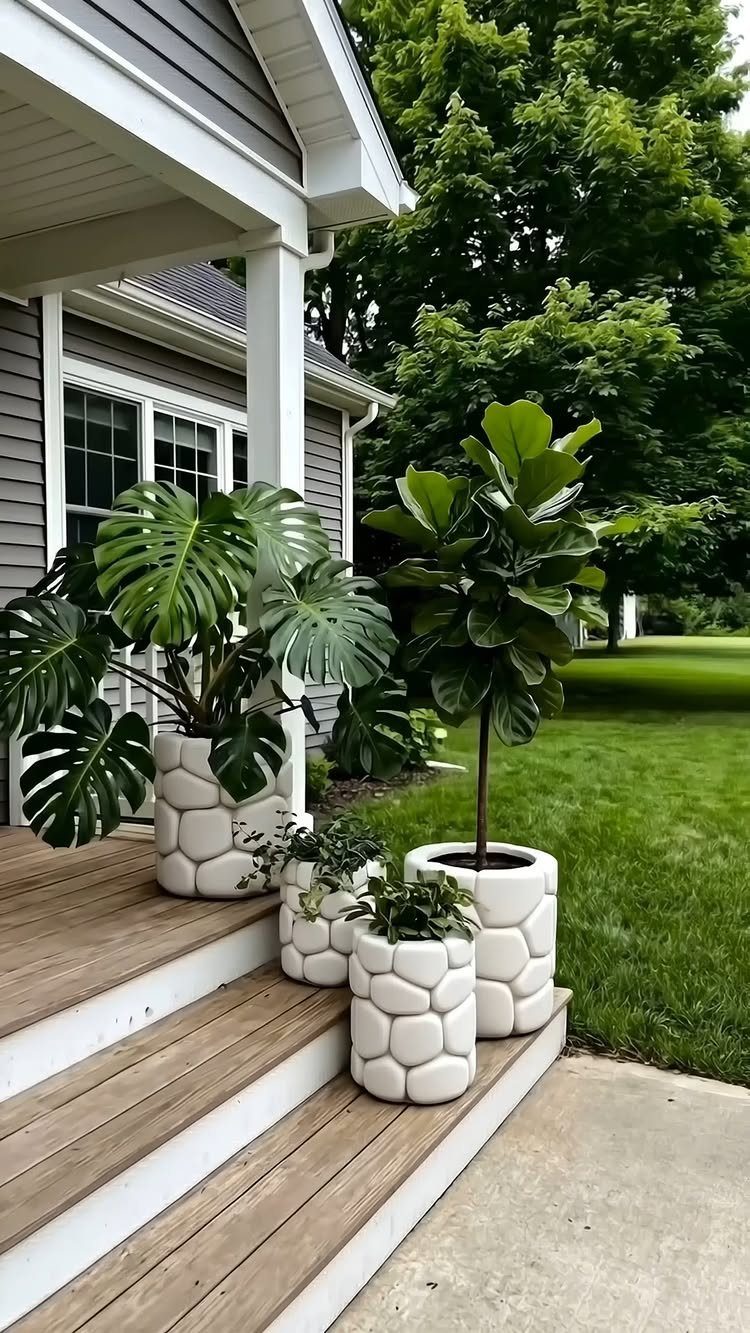
Planters with a texture of their own, like these white bubble-surfaced ones, let plain green leaves carry the whole look. Matching a set of four in one color keeps a porch tidy.
Repurposed objects work the same way: a bucket, a crate or an old tin makes a fine pot once it has drainage holes in the bottom. Without them, roots sit in water.
Fill each container with a different leaf shape and the group reads as one display.
10. Rustic Wildlife Garden
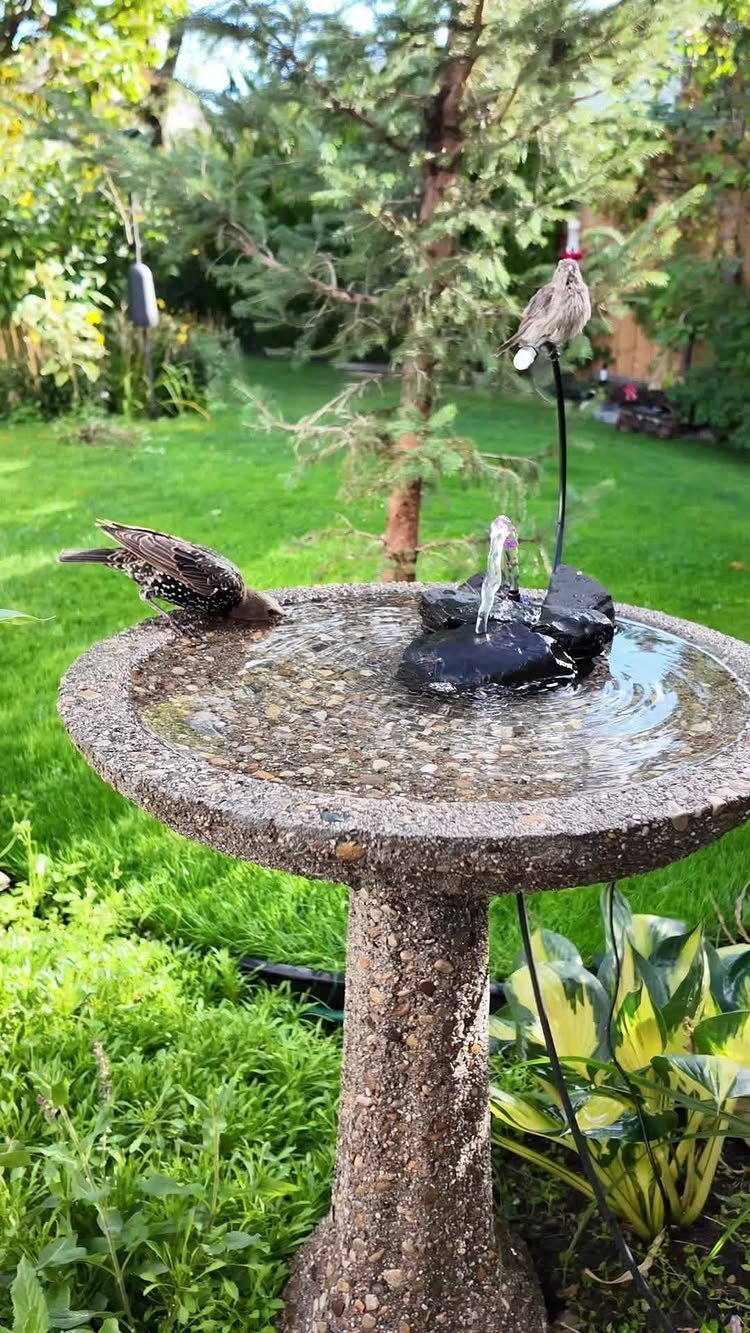
A birdbath with a small fountain is the simplest wildlife feature, since moving water catches a bird’s attention faster than still water. Stone suits a rustic yard and weathers nicely.
Set it where trees and shrubs sit close by, so visitors have somewhere to perch before and after drinking. Keep it filled and rinse it out regularly.
Add flowers for bees and butterflies around it, and the corner works for several visitors at once.
11. Cottage Garden
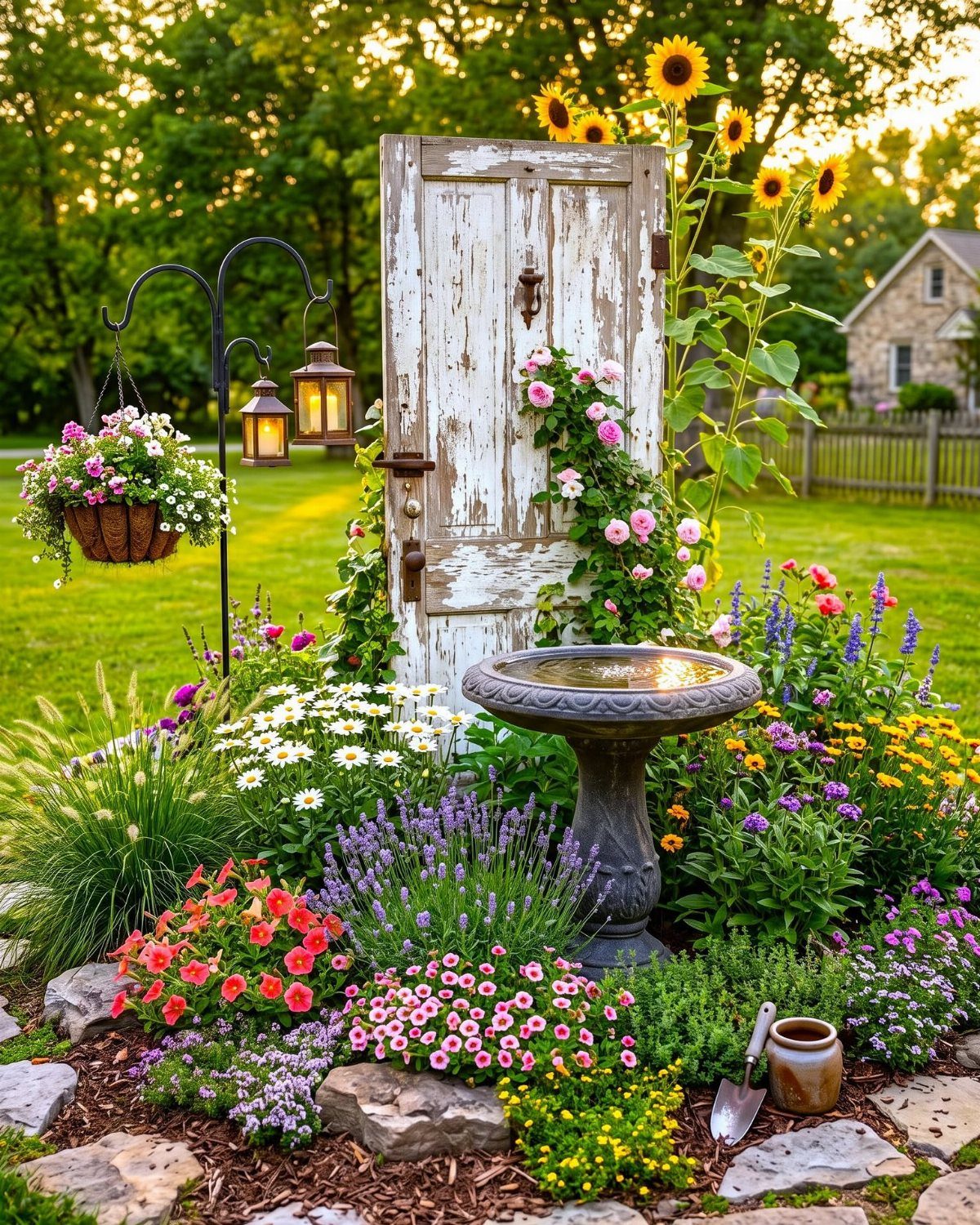
Cottage gardens look best when the planting seems a little unplanned: sunflowers standing tall, lavender and daisies packed in below, all spilling toward each other.
Layer by height, tall at the back and low at the front, and skip rigid rows. Squeeze plants close so bare soil disappears.
A weathered door, a birdbath or any aged object leaning among the flowers adds the romantic part cheaply. I would choose a faded secondhand piece over a new one.
12. Hosta Shade Garden
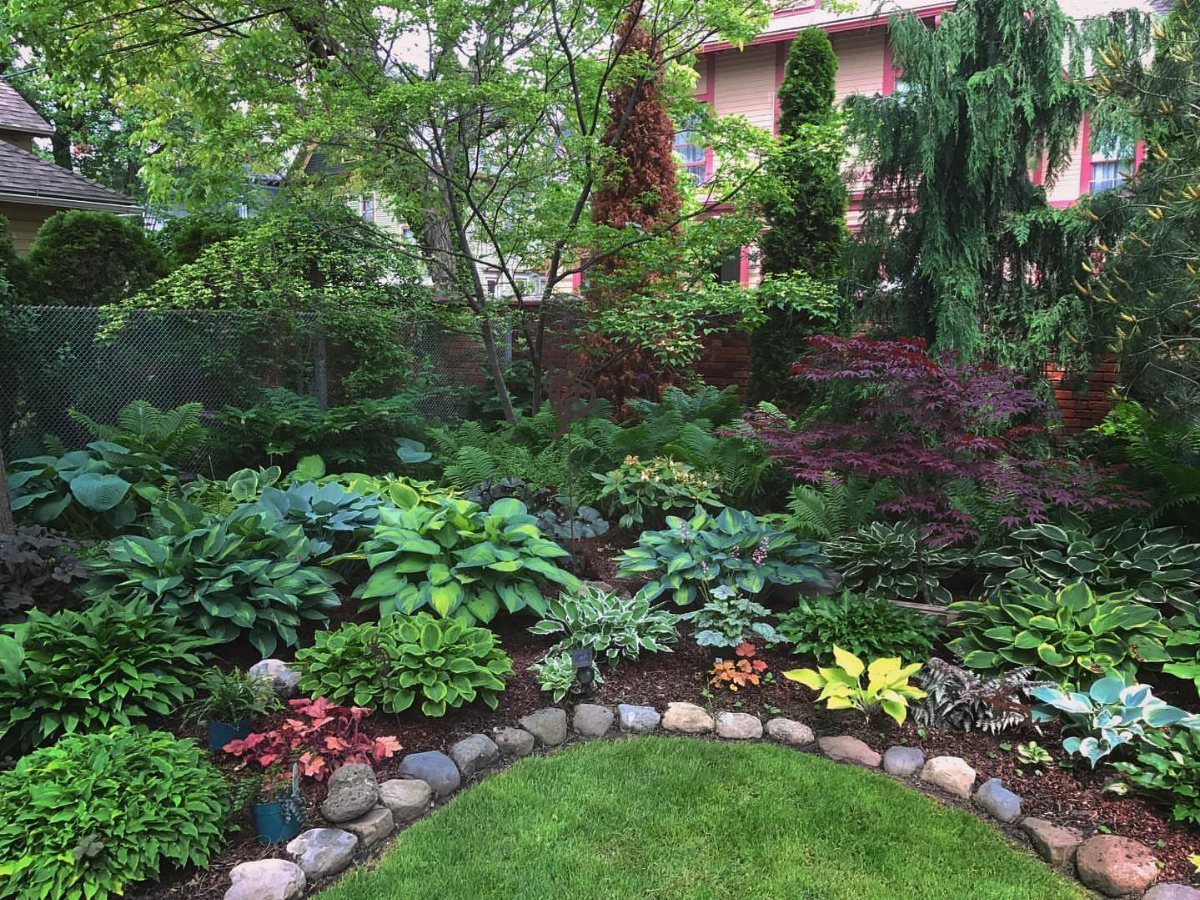
Hostas give a shade bed its structure, and pairing several leaf shapes and shades with ferns keeps the planting from going flat in one tone. A red Japanese maple above them adds the one jolt of contrast the bed needs.
Plant the hostas in drifts of the same kind rather than scattering them. A curved stone border holds the bed’s shape against the lawn and looks far more natural than a straight edge.
13. Water-wise Garden
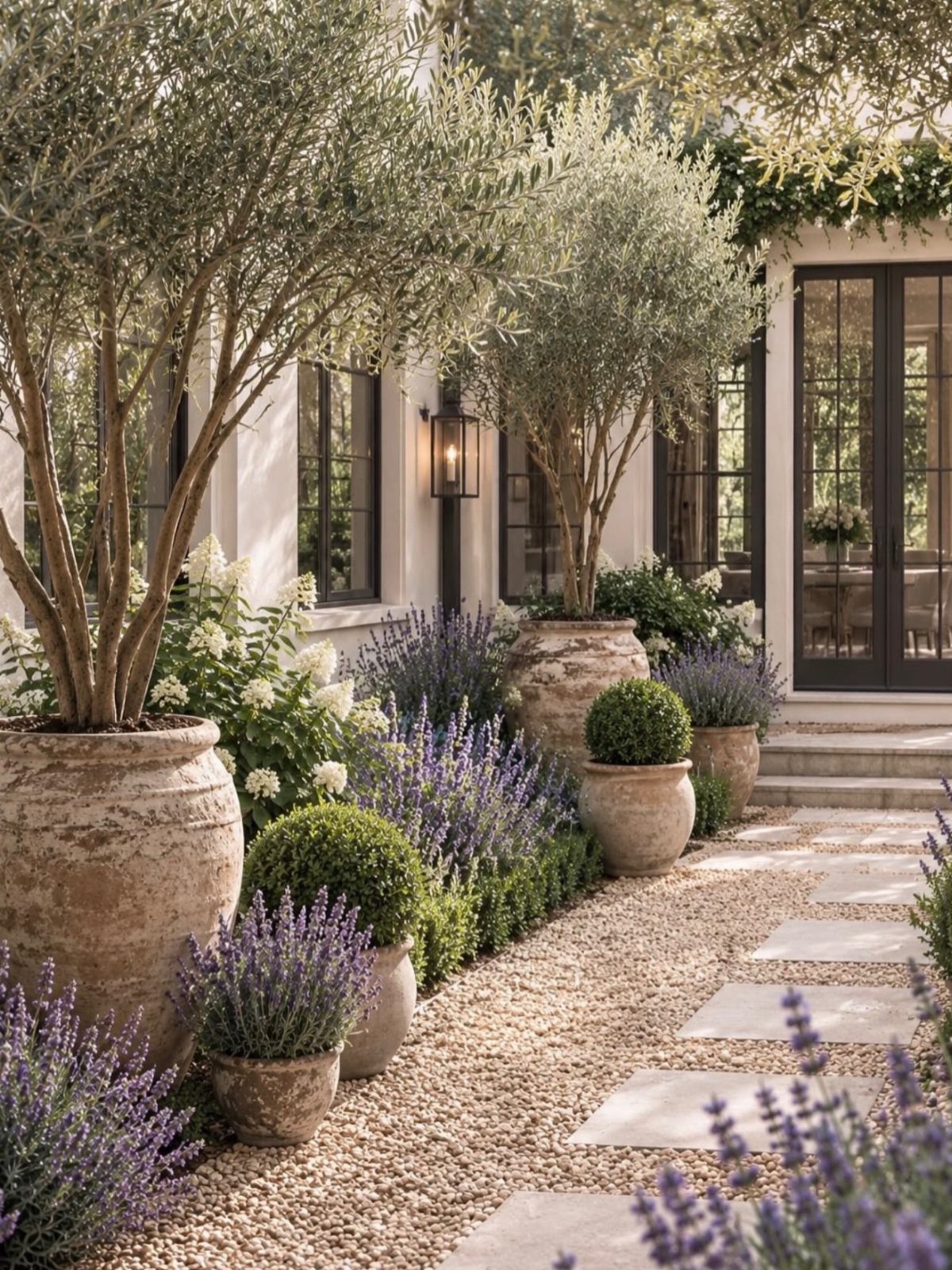
Olive trees in big terracotta pots, lavender and clipped boxwood make a planting that suits dry conditions, and the gravel underfoot fits the same idea.
I would build the look from a few repeated plants rather than a mix. Stone pavers set in gravel keep the ground open and tidy.
14. Outdoor Rug
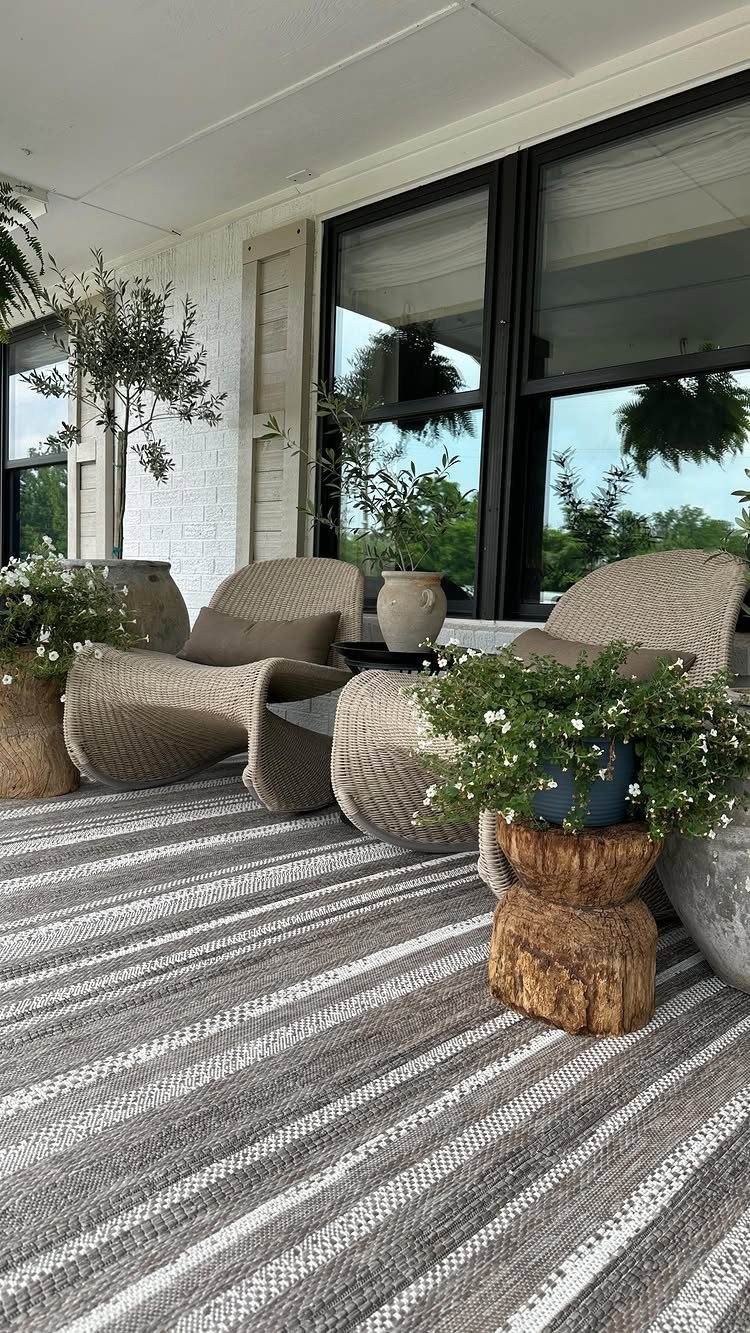
A striped rug under wicker chairs marks out a seating area on a covered patio, so the space reads as a room instead of leftover floor.
Choose stripes that run toward the view or the door, since they pull the eye along the space.
Set a few potted plants at the rug’s edges so it feels tied to the garden. I would pick a rug sized so the front chair legs sit on it.
15. Patio Garden with Tall Plants
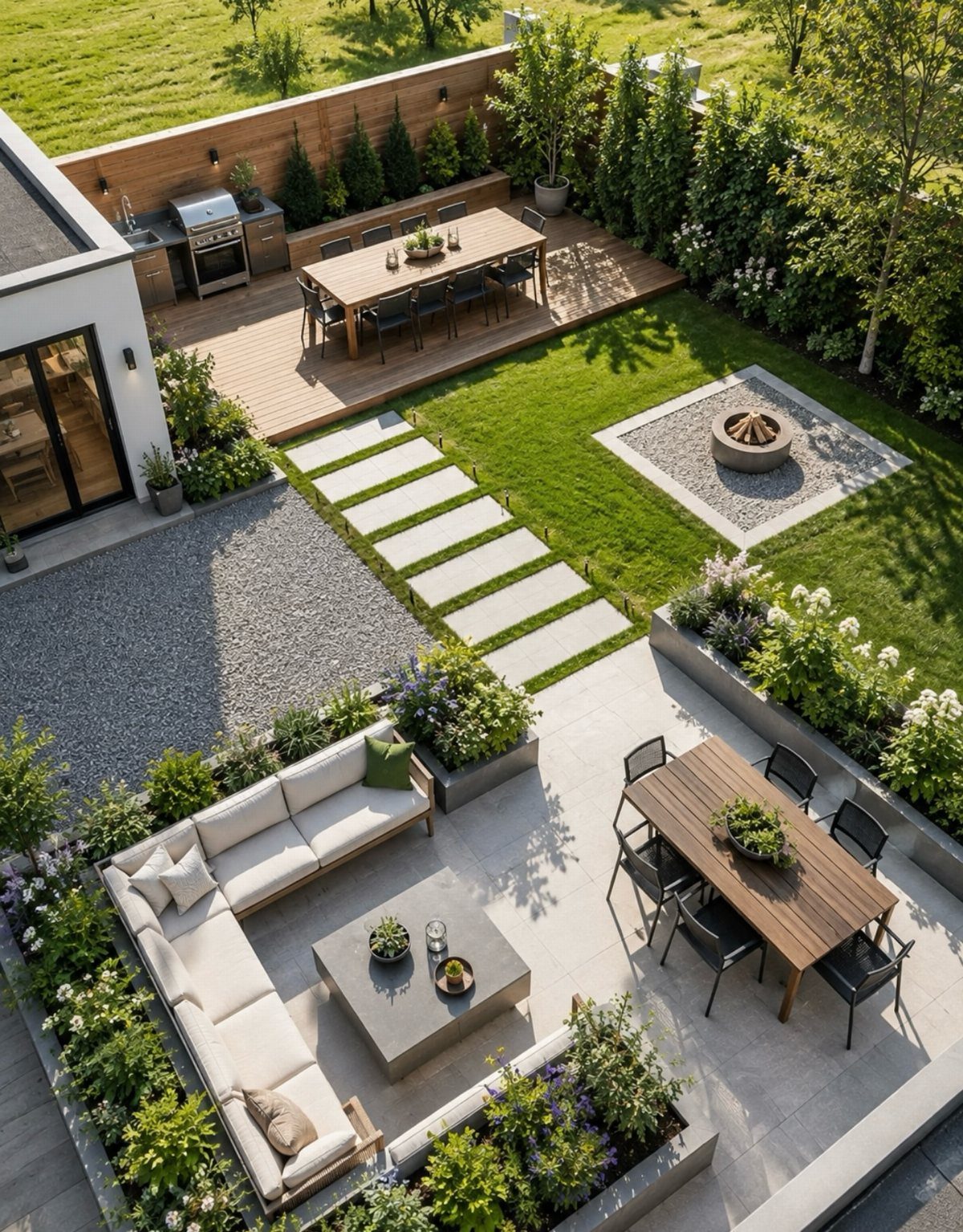
Tall hedging around the edge of a patio gives privacy without a fence, and it keeps the green lawn and seating area feeling enclosed.
Plant the screen along the sides where neighbors can see in, and leave the dining and fire pit area open to the center of the yard.
Evergreen types hold the screen through winter. Hedges cost less than building a solid wall, though they need years of growth and regular trimming.
16. Perennial Garden Design
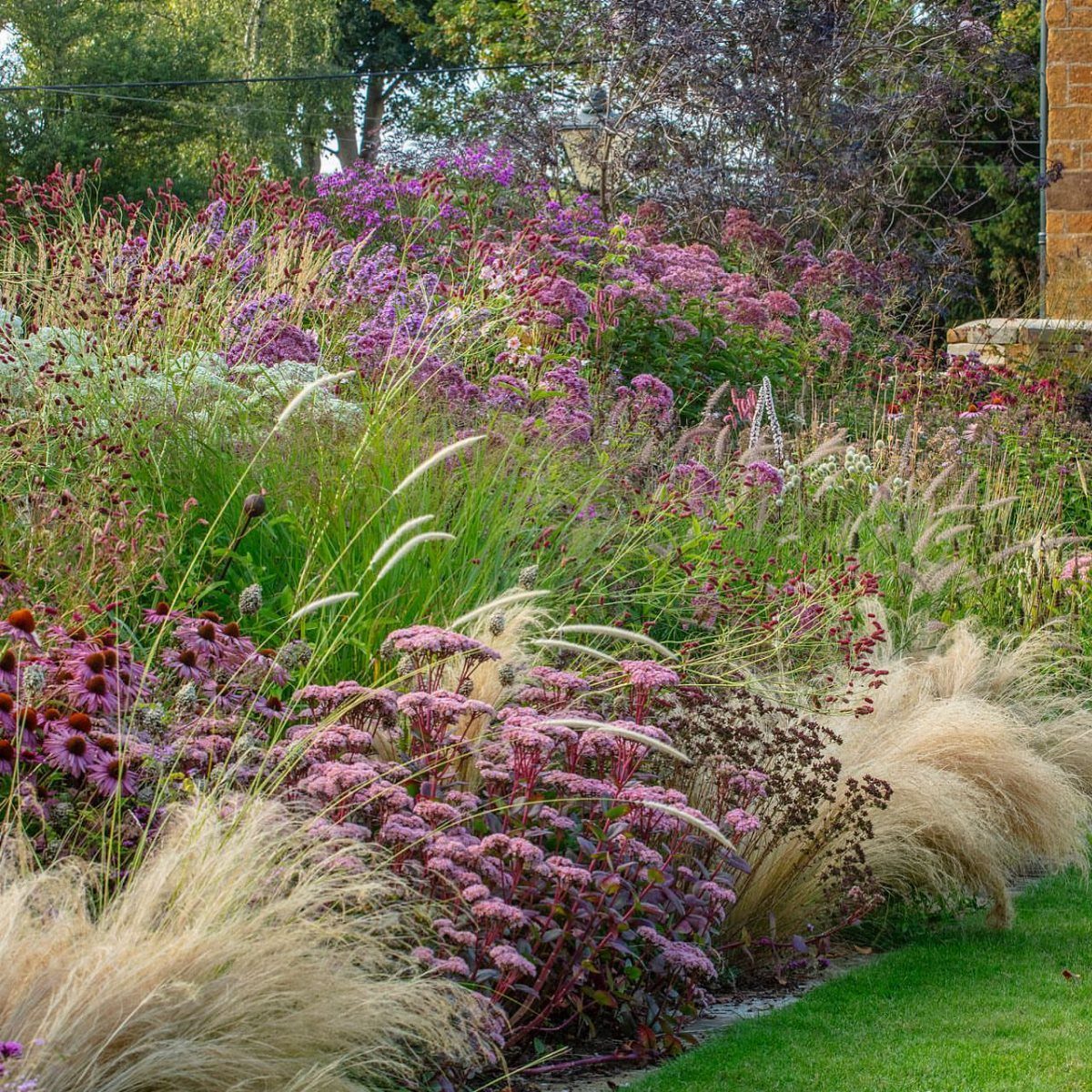
Perennials return each year, so one planting session pays you back season after season. That is why I rank them as the best use of a small budget.
Mix upright flowers like sedum with ornamental grasses, so you get color and movement in the same bed. Pack the plants close enough that bare soil fills in.
Grasses add texture when the flowers fade, which keeps the bed interesting for longer.
17. Timber Raised Beds
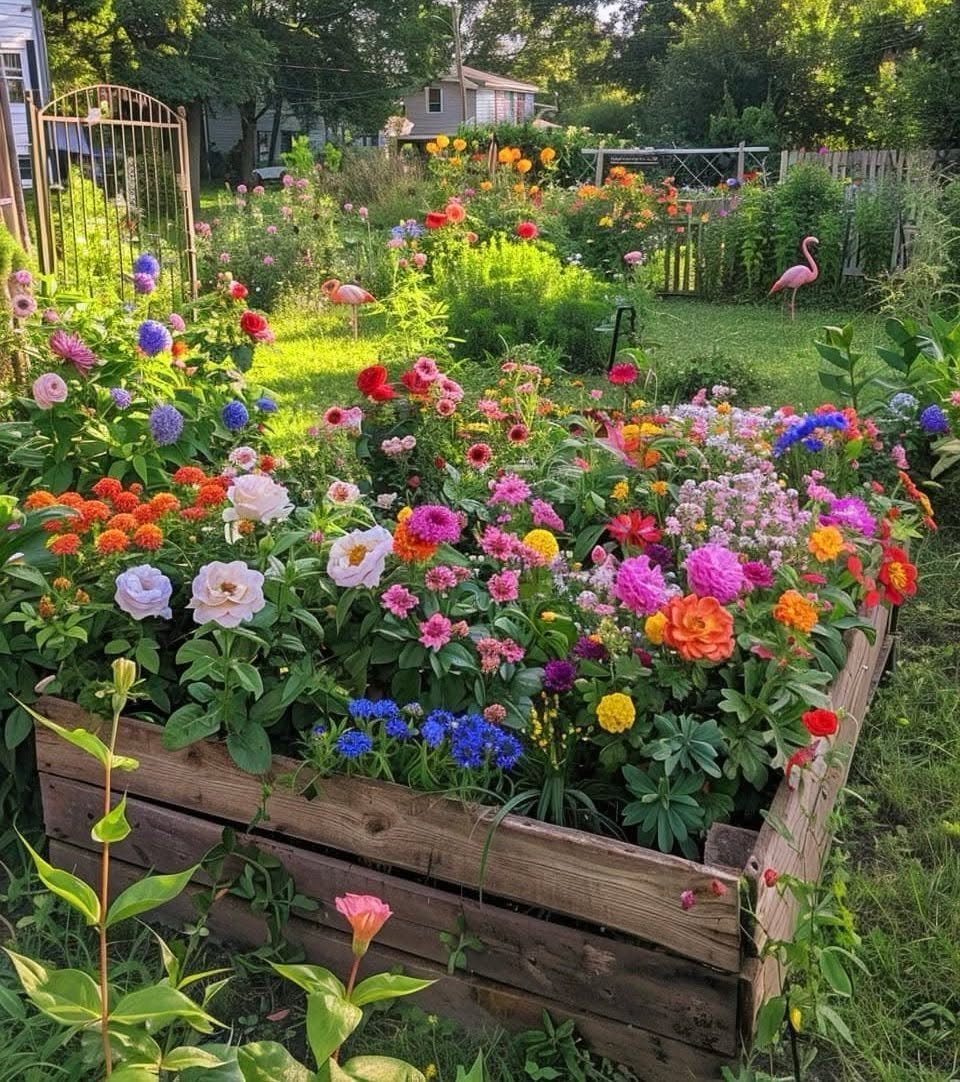
A timber raised bed gives a yard a clean frame and lifts the soil above the ground, which makes planting and weeding easier on your back.
Dahlias fill a bed like this with color, and a sunny spot suits them.
Fill the bed with good soil rather than digging into poor ground. Wood does wear over time, so expect to repair or replace boards eventually.
18. Gravel Garden Path
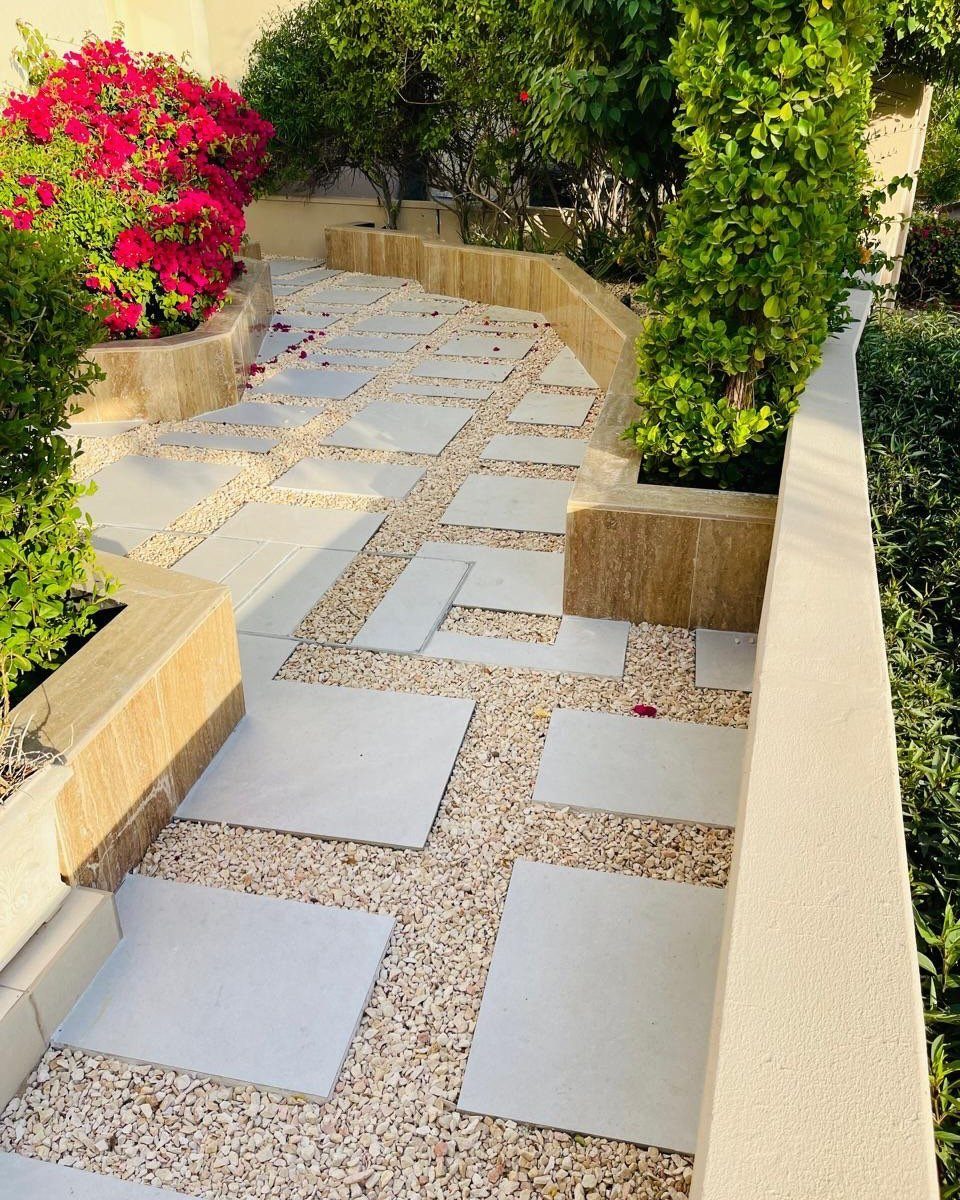
Square pavers set in small gravel make a path that is easy to lay and easy to walk. Space the pavers a comfortable stride apart so the route feels natural.
Low walls and shrubs along both sides pull you through the garden, so let the planting spill a little toward the edge. Light pavers stand out against tan gravel, which helps show the way at dusk.
19. Keyhole Garden
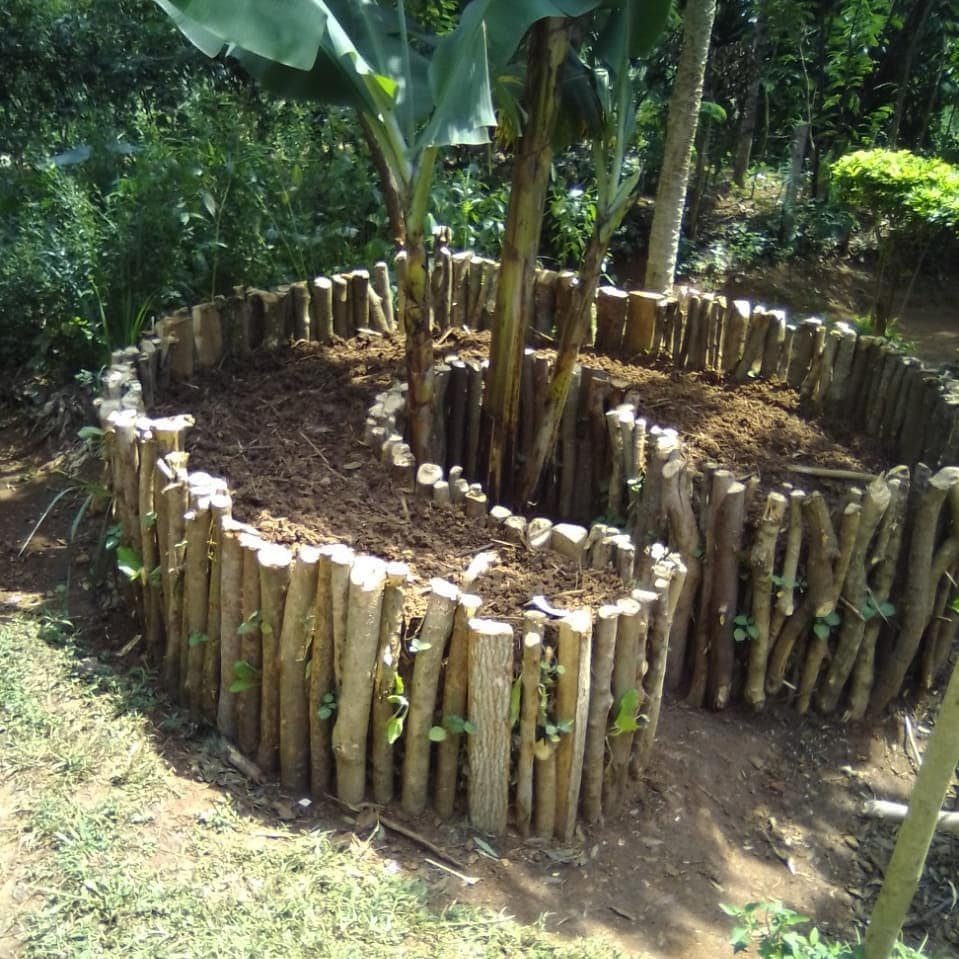
A keyhole bed curves into an upside-down U, so you can reach the plants in the middle from the open side without stepping on the soil.
That makes it a good fit for a small yard, and for anyone who wants less bending and stretching.
Wooden stakes driven in side by side hold the curve and keep the dirt in. I would set the stakes first, then fill the bed with good soil before planting around the center.
Stakes like these are cheap, though wood wears down over time.
20. Annual Cosmos from Seed
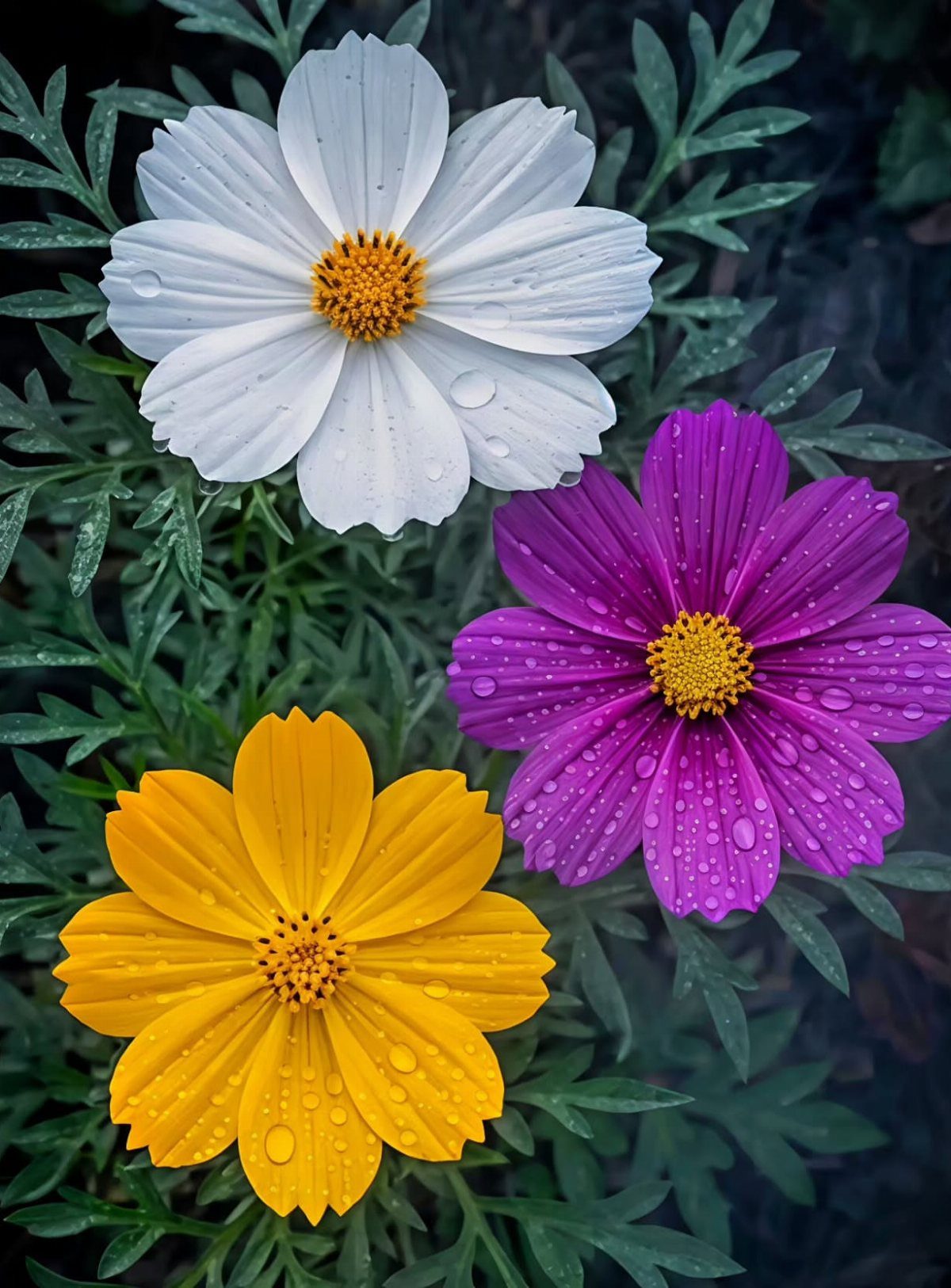
Cosmos grown from seed fill a gap in the garden with color for very little money, since a single packet covers far more ground than a few nursery plants would.
Sow where the flowers will stand, rather than starting them in pots.
I would scatter seed across a bare corner or between young perennials, then thin the seedlings so each plant has room.
Cosmos are annuals, so expect to sow again next year.
Assess the Space Before Planting
Sketch the yard on paper and measure it before buying anything. Mark what can’t move: terraces, a water feature, a downspout, a fence line.
Then watch how light crosses the space through the day. Different plants want different amounts of sun, so this map decides your plant list more than any style preference does.
Check the soil too.
Sandy, clayey and loamy ground all behave differently, and a simple soil test will tell you the type and the pH. If the soil is poor, raised beds or soil additives fix it without starting over.
Look at the ground’s shape as well. Water that has nowhere to go will drown roots, so check how the yard drains after rain; a sloped yard may need terraces or retaining edges to keep the soil from sliding downhill.
Place a hose spigot within easy reach of the beds, and plan the walking routes you’ll use most so they don’t turn muddy after rain. Gravel or pavers help there.
Before heading to the nursery, snap a few photos of the yard from different angles, because a master gardener can give far better advice from pictures than from a verbal description.
Choose Plants for Conditions
Start with your hardiness zone, before you ever walk into a nursery. A plant rated for your zone and soil type is far more likely to survive, and that saves you from replacing it next spring.
Match each plant to the light it gets. Group those with similar needs so you aren’t watering sun lovers and shade lovers on the same schedule.
Read the growth habit on the tag. Some plants spread quickly and crowd out their neighbors, so give those room or keep them away from slower ones.
Plan for the whole year. Mix heights, colors and bloom times so something is happening in every season, and decide whether you want annuals, perennials or both.
Let the purpose guide some picks. Lavender, coneflowers and bee balm draw bees and butterflies, while basil, rosemary and thyme suit a kitchen garden.
Set Goals and Plan Gradually
Decide what the yard is for before you draw a bed: a quiet retreat, a place to entertain, or a spot to grow food. That one answer settles most later choices.
Be honest about upkeep. If your gardening time is short, pick easy-care plants and keep the beds small; if you like getting your hands dirty, you can add more beds and fussier plants.
Sketch the plan on graph paper first, then mark the bed shapes on the actual ground with a garden hose or a length of rope to see if they fit.
Seeing the curve or edge at full size shows you how big the bed really is and how many plants it will hold.
I would break a large project into stages.
Build one bed, let it settle, and move on when it feels manageable. A bed right in front of the house is where I’d start, since it’s the spot everyone sees and it changes the look of the place fastest.
Think about what the space has to do, such as giving shade on hot afternoons or including a path that stays firm and doesn’t turn to mud.
Frequently Asked Questions
What vegetables are easiest to grow?
Peas are a good first crop, especially trained up a wire trellis at the back of a raised bed.
Growing upward puts the harvest at hand height and frees up ground for other plants. Drive the trellis in before the seeds or seedlings go down; hammering stakes next to established roots tears them.
What are some DIY garden ideas?
A few that fit a weekend and a small budget: a gravel path with square pavers, a keyhole bed held by wooden stakes, a timber raised bed, and cosmos sown from seed.
Repurposed buckets, crates or tins also make fine planters once they have drainage holes.
How do I design my own landscape?
Start with a rough paper sketch of the yard, tape-measure the edges, and mark everything that has to stay put: a patio, a downspout, a fence line, an existing fountain.
Once the outline sits on the ground at real size, you can see how much room a bed takes up and roughly how many plants will fit.
How much light does my yard get?
Check the yard every couple of hours on a clear day and jot down when each spot goes into sun and when it drops out.
Put plants with matching light needs side by side, so one watering schedule fits the whole bed instead of splitting between sun lovers and shade lovers.
How do I make the sides of my house look good?
Choose plants to match the light each side gets. A south-facing bed gets hot in summer and needs plants that handle full sun, while a north-facing strip needs shade-tolerant ones.
Should garden borders be curved or straight?
Curves usually win for a relaxed look. Pin the curve in place with a hose, then push a mower along it and reshape any bend that makes you stop and backtrack; wide, easy curves cut far cleaner than tight ones.
A very modern home may suit straight lines instead.