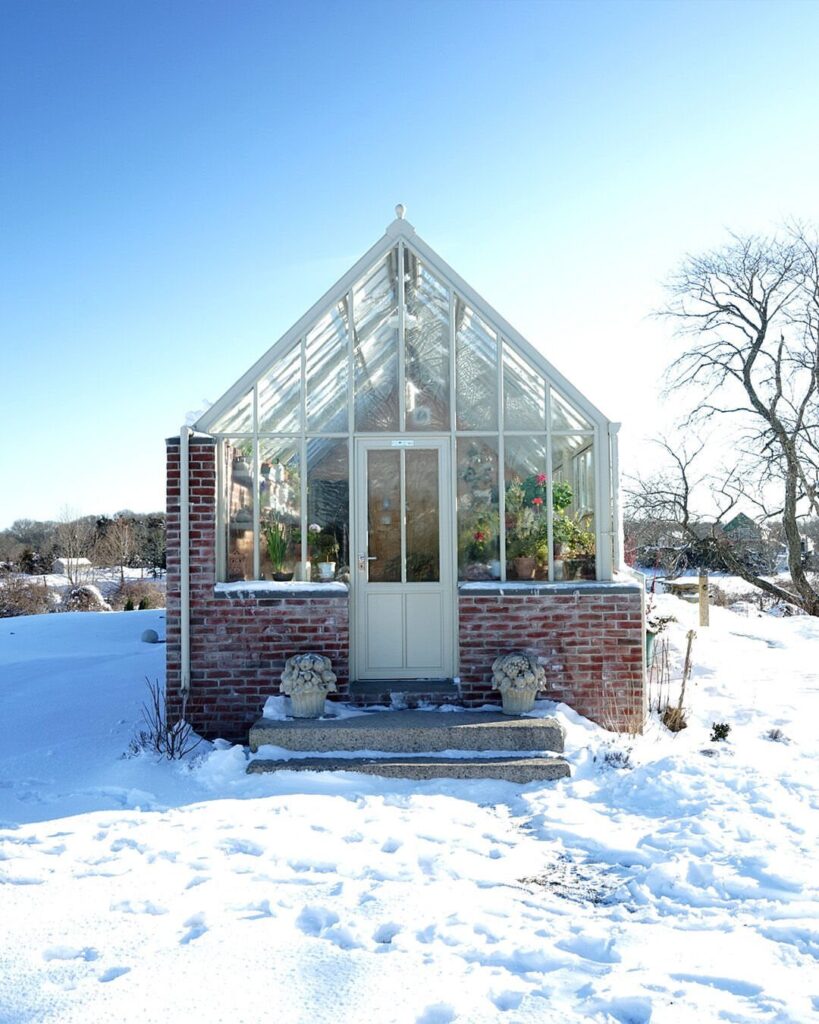
Your climate zone decides which of these ideas you need: in Zone 7 and warmer, an unheated greenhouse keeps cold-hardy greens going all winter, while in Zones 3 and 4 production stalls in deep cold unless you add a heat source.
The list covers everything from greenhouse vents and insulation to soil warming cables and heaters, and I’d save the heaters for last.
1. Greenhouse Vents
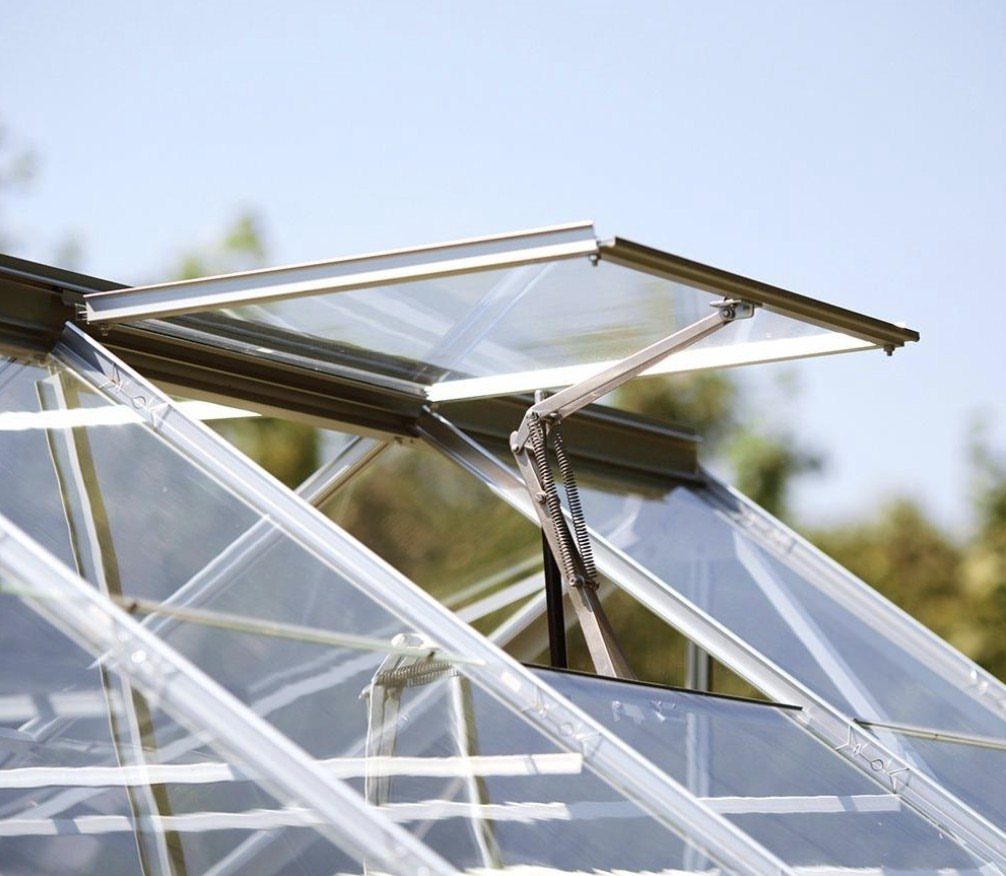
A roof vent propped open on a metal arm is the cheapest temperature control a greenhouse has. Sunny winter days can push the air inside well past what cold-hardy crops like, even when it’s freezing outside.
I open the vent on bright mornings and close it again before the afternoon sun fades, so the trapped warmth carries into the night.
Cracking it a few inches also moves humid air out, which helps keep mold off the leaves.
2. Supplemental Grow Lights
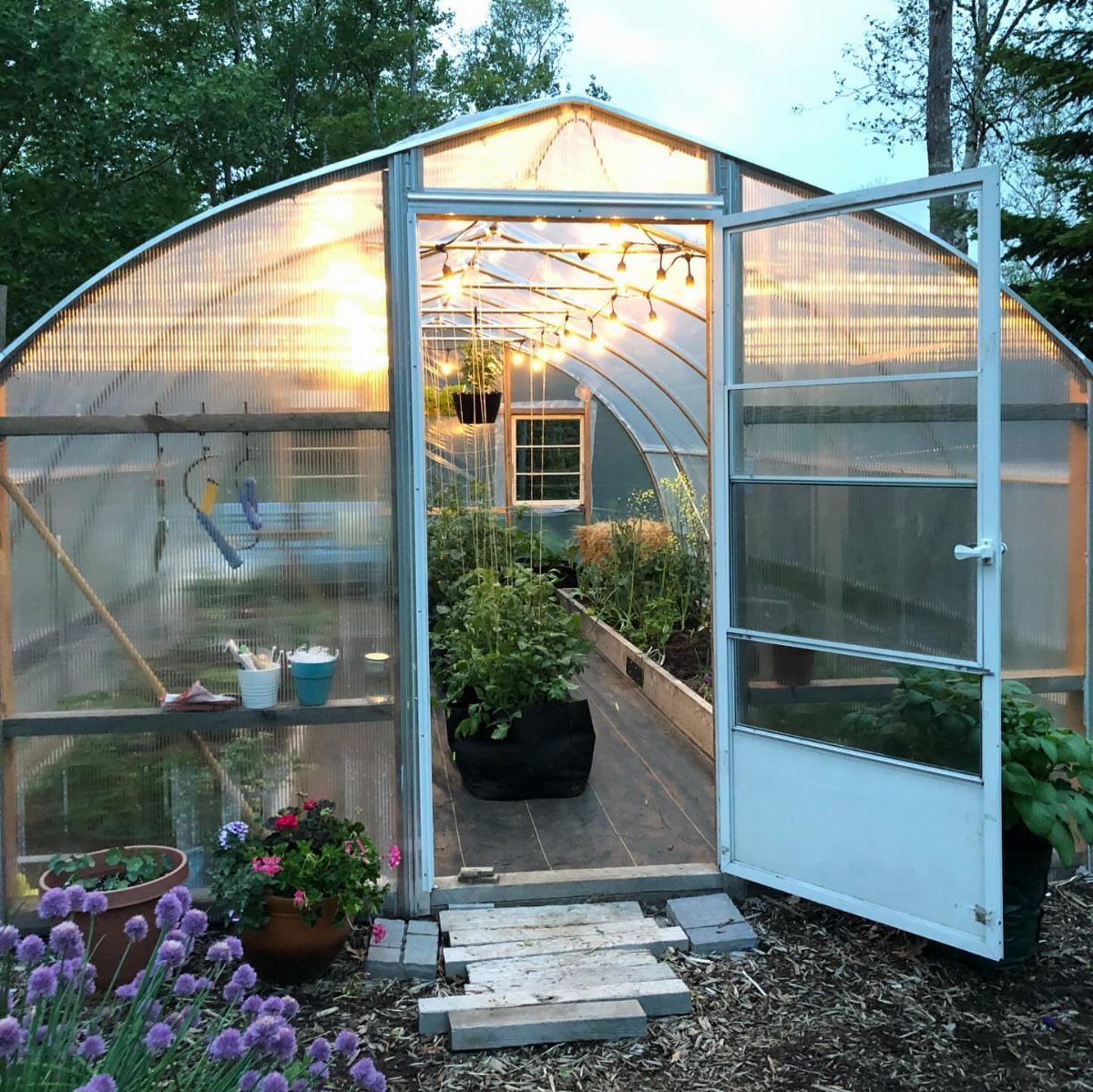
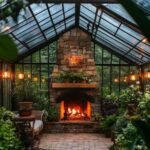
Short winter days leave plants starved for light long before the cold kills them, and a string of warm lights hung from the ceiling is one way to add hours.
The glow looks cozy, but check the bulb type before you count on it for growth.
For real results, I’d choose bulbs sold as grow lights and hang them above the plants, not off to the side. Plug them into a plain outlet timer so the day length stays steady without you thinking about it.
3. Cold-hardy Leafy Greens
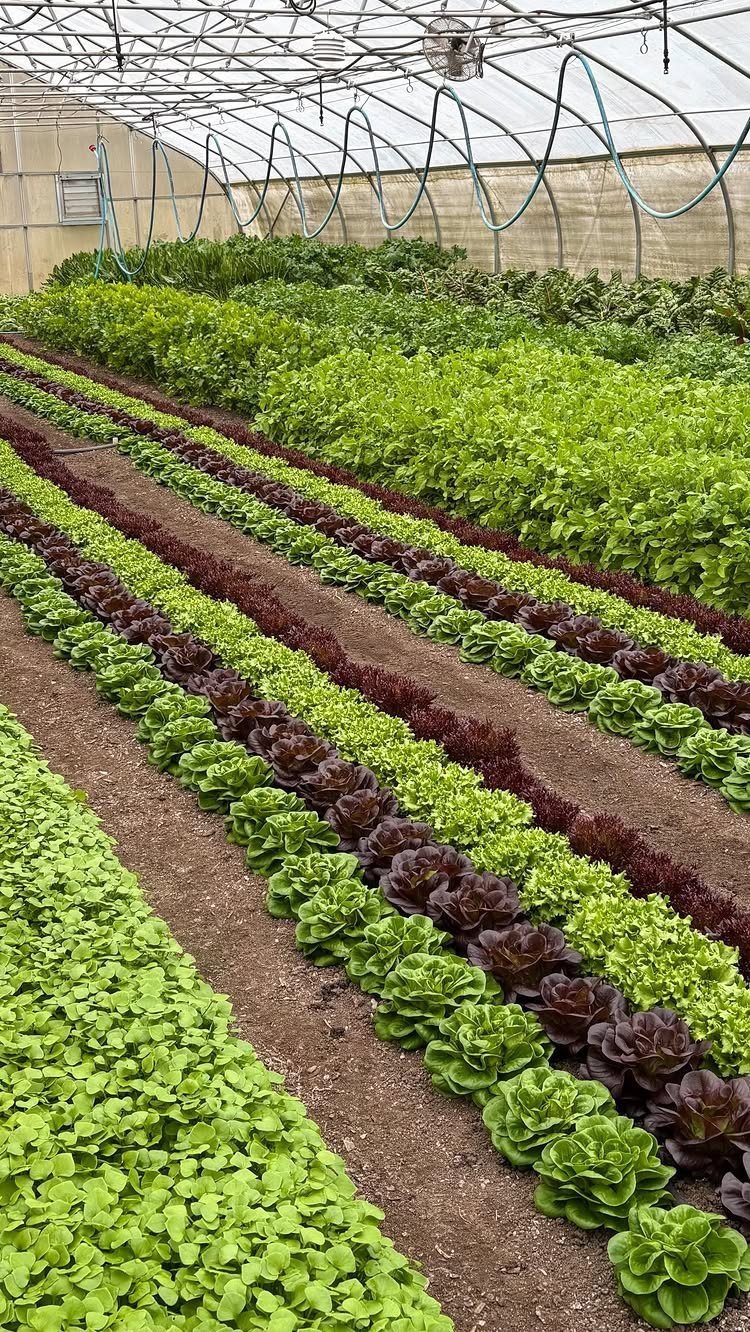
Lettuce, in green and purple varieties, is a good place to start a winter greenhouse because it keeps growing when the days are short and the air is cool.
Beginners get quick wins here, and a plastic-covered house with a row layout makes picking easy.
Choose varieties labeled cold-hardy on the seed packet. Sow in succession, a short row every couple of weeks, so you’re not stuck with everything ready at once.
Cut outer leaves and let the center keep producing.
You don’t have to stop there. A number of cold-hardy plants are suitable for winter gardening in an unheated greenhouse.
4. Cold-season Brassicas
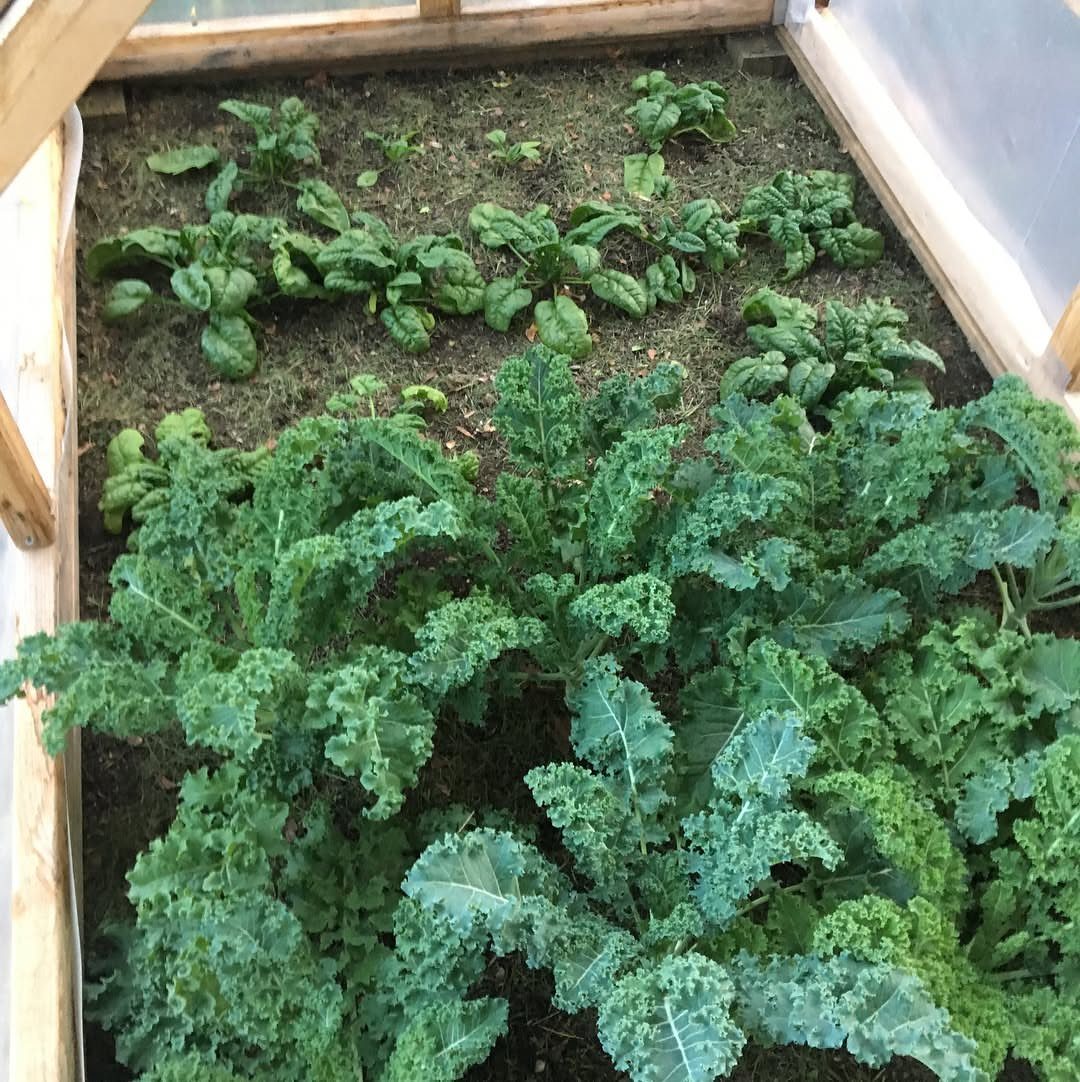
Kale is the brassica I’d plant first in a cold greenhouse, since it shrugs off conditions that flatten tender crops. A framed bed of kale and other leafy greens needs little more than good soil and steady watering.
Give each plant room, because crowded brassicas hold moisture on their leaves and invite disease. Pick the lower leaves first and leave the growing tip, and the plant keeps giving through the season.
Water in the morning so the foliage dries before night.
5. Soil Warming Cables
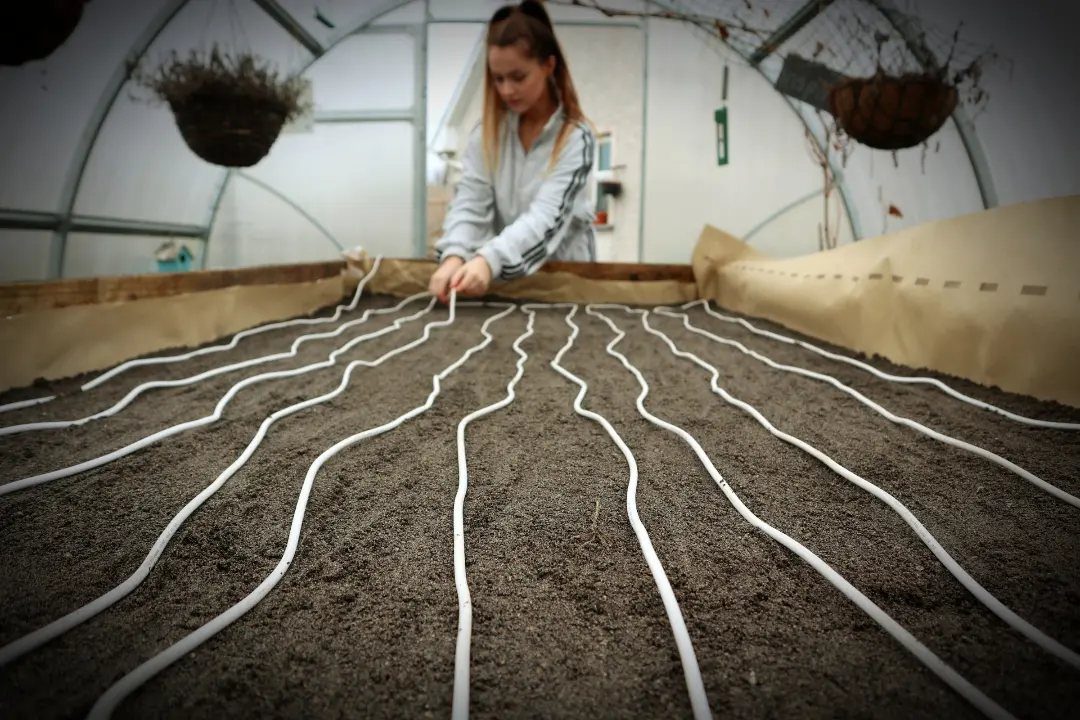
Laying white heating cable in a pattern across a soil bed warms the roots directly, which is a smarter use of power than heating all the air around them. It suits crops that are hardy but sluggish in cold ground.
Space the loops evenly and keep the cable from crossing itself, since overlaps create hot spots.
Cover it with soil before planting, and keep trowels away from it afterward. Plug it into a thermostat if you can, so it runs only when the soil needs it.
6. Greenhouse Heaters
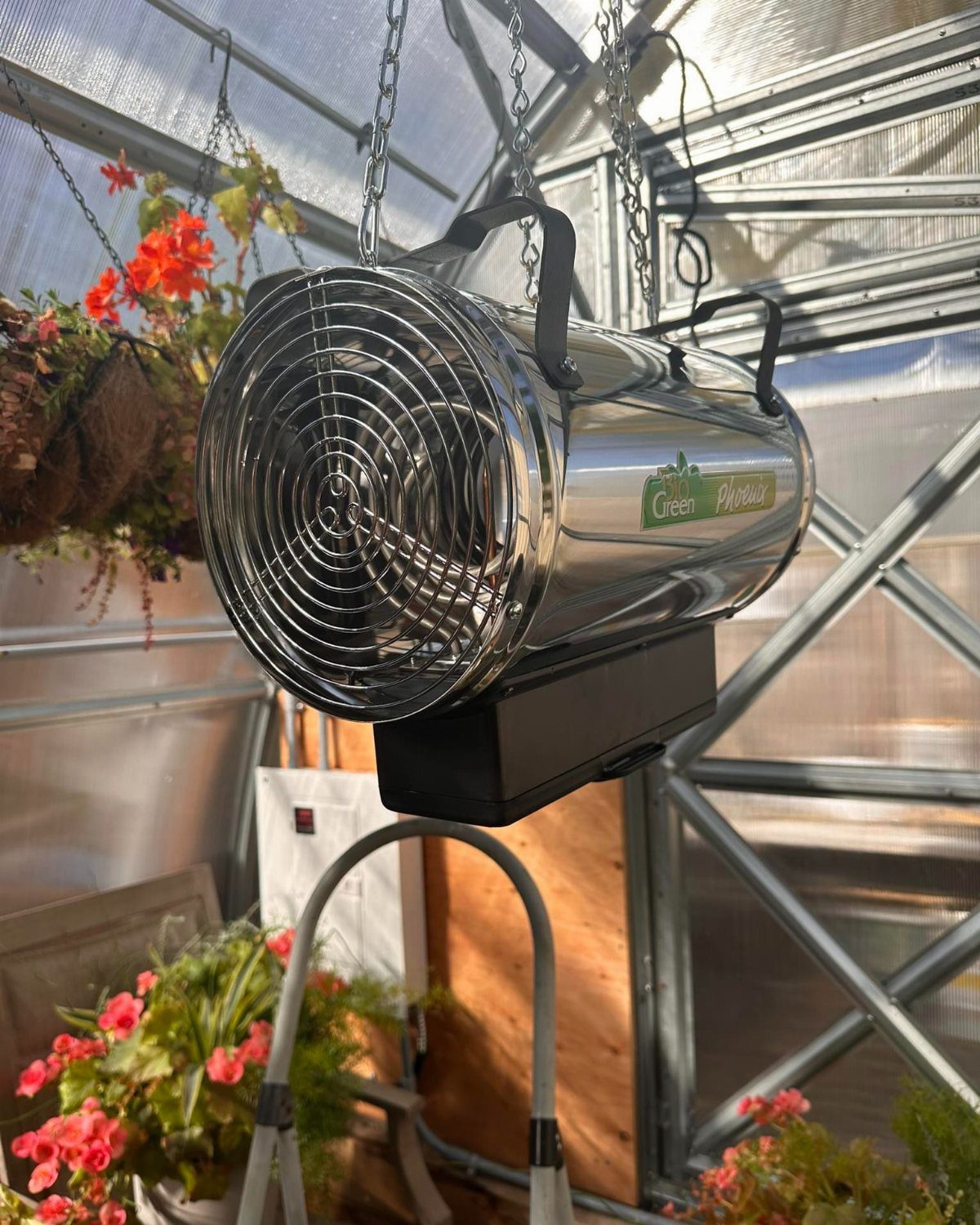
A chrome electric heater hanging from chains keeps warm air up where it spreads, and it clears floor and bench space for pots.
It’s the costly route, so I’d reach for it only after vents, covers and insulation have done their part.
Use it as a frost guard, not a furnace: set a thermostat just high enough to protect plants on the coldest nights.
Running costs depend on your greenhouse size and local power rates, so size the heater to the space and not above it.
7. Insulate Greenhouse
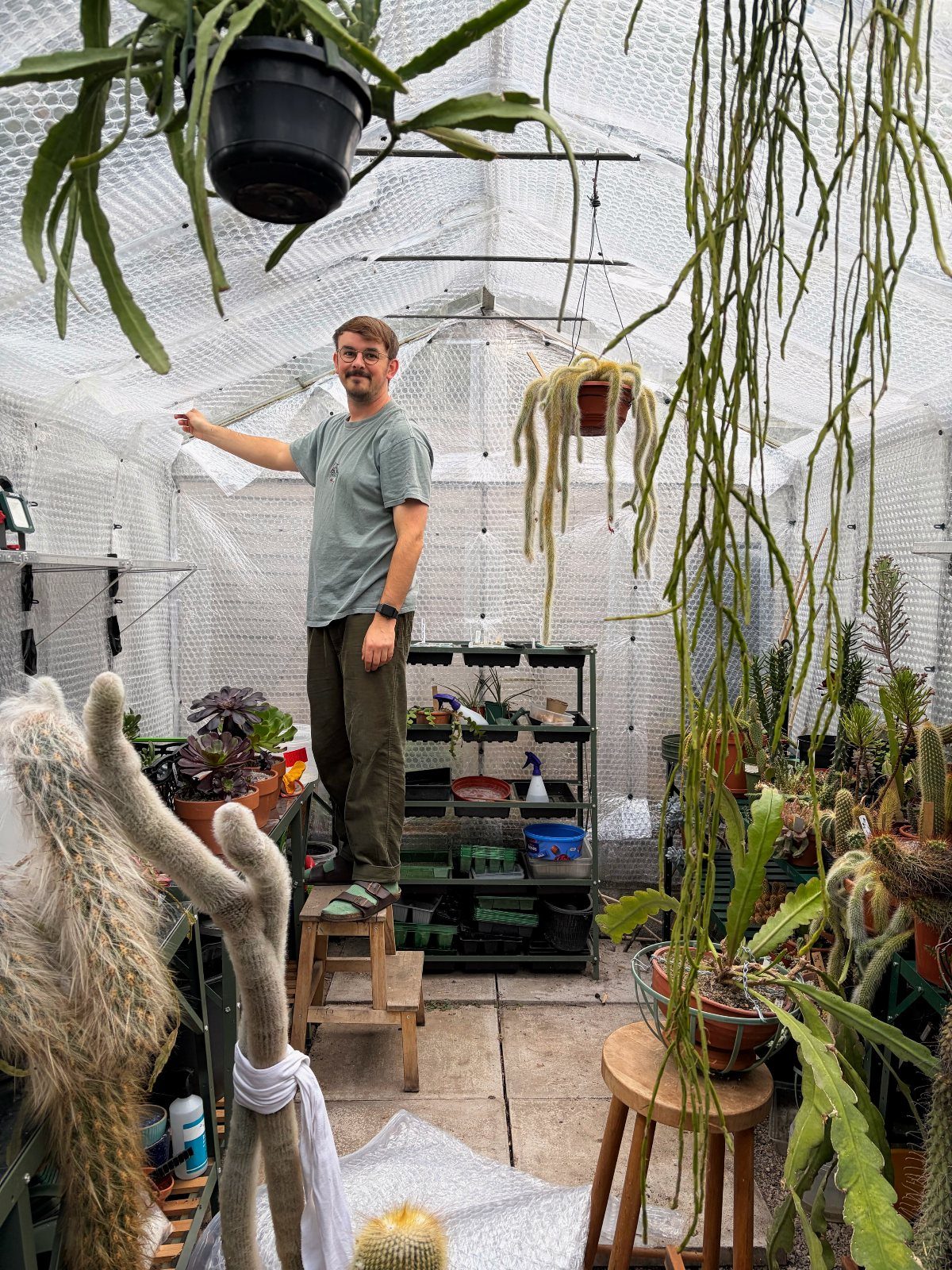
Bubble wrap pressed onto greenhouse glass is the cheapest insulation I know, and one roll can line the walls and the ceiling of a small hobby greenhouse.
It traps a layer of air against the panes, which slows heat loss where a greenhouse leaks most.
Cover the windows first, then chase gaps around doors and panel joints. Leave the roof vent clear of wrap so you can still open it on sunny days, since even a cold greenhouse can overheat by midday.
Clear wrap lets in more light than opaque material, and winter light is already scarce.
8. Greenhouse Plastic Covers
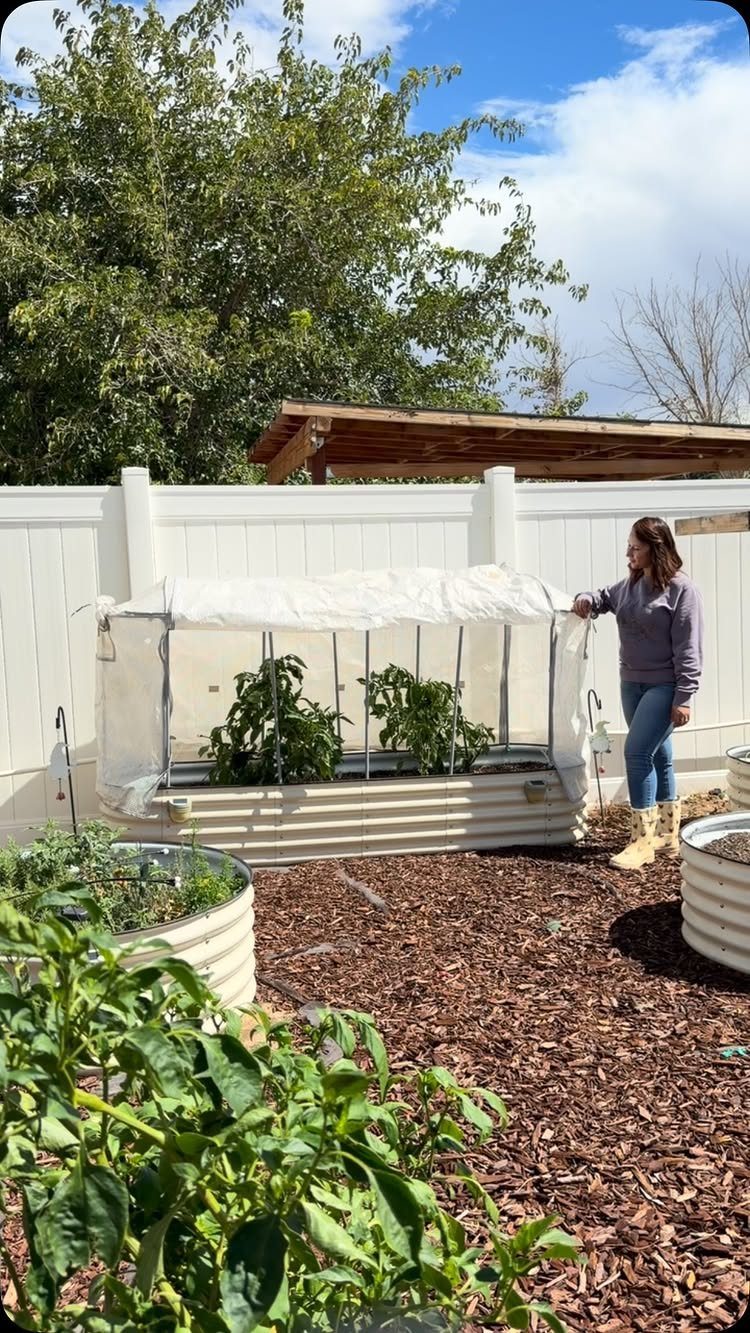
Outer plastic sets how much light gets in and how much warmth stays, and a translucent sheet stretched over a small frame is the easiest version to try.
Pick a film that lets plenty of light through, since dim winter days are the bigger problem for most crops.
The maker of this one says it is 100% waterproof, frost-resistant and UV-protected. Those are the 3 claims I’d look for on any roll.
Pull the sheet snug and anchor the edges so wind can’t flap it loose. A cover this size suits a raised bed or a small frame.
9. Thermal Mass Water Barrels
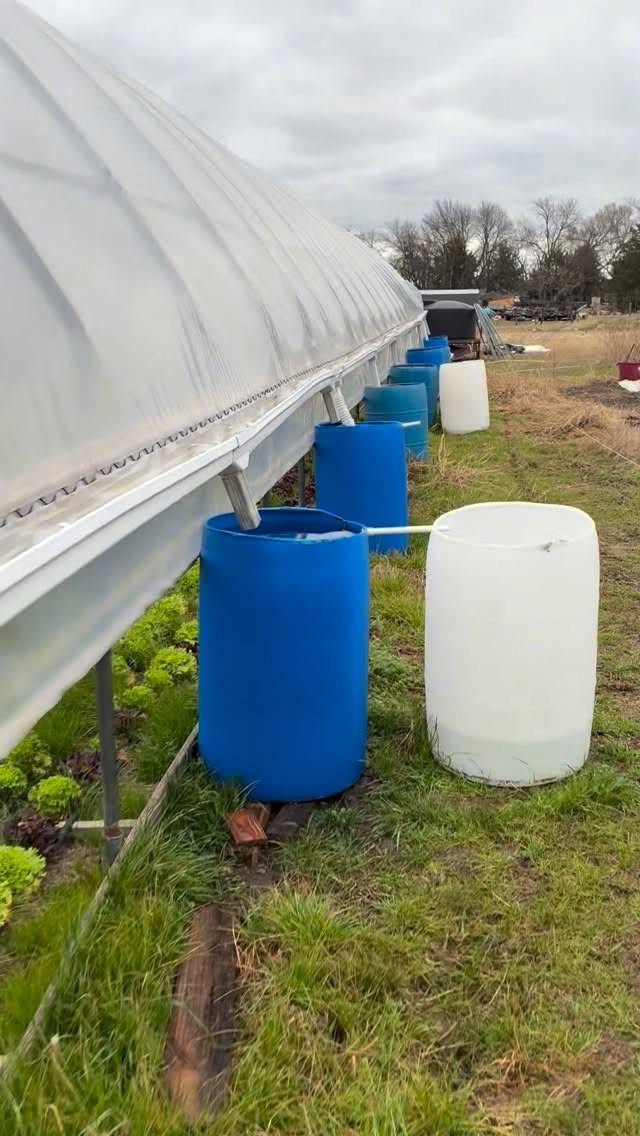
Barrels of water stacked along the wall of a hoop house work like a battery: they soak up heat on sunny days and give it back after dark.
Water holds heat well, so the barrels cost far less to run than a heater, which is nothing at all.
Fill them and set them where the sun hits them directly, along the side that gets the most light. Dark-colored barrels should take in heat faster than pale ones.
They eat floor space, so plan your beds around them. Expect a gentle buffer on cold nights, not a heater’s output.
10. Greenhouse Drip Irrigation
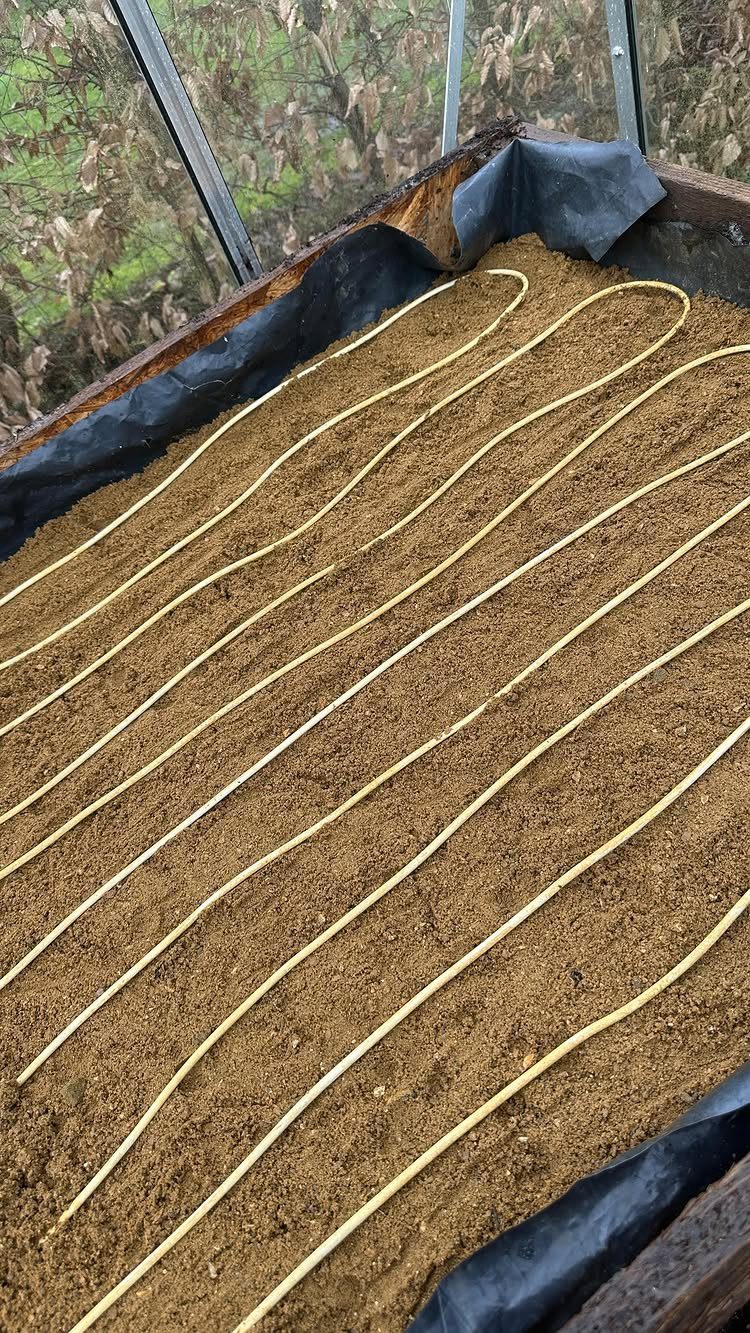
Parallel lines of drip tubing laid along a bed put water at the roots and keep leaves dry, which matters in a winter greenhouse where damp foliage invites mold.
Run one line per row of plants so each gets its share.
Lay the tubing before planting, or lay it along the rows right after, and keep emitters near the stems.
A timer makes it hands-off, though cold soil dries slowly, so water less often than in summer. Check for clogs now and then.
11. Seed Starting in Small Pots
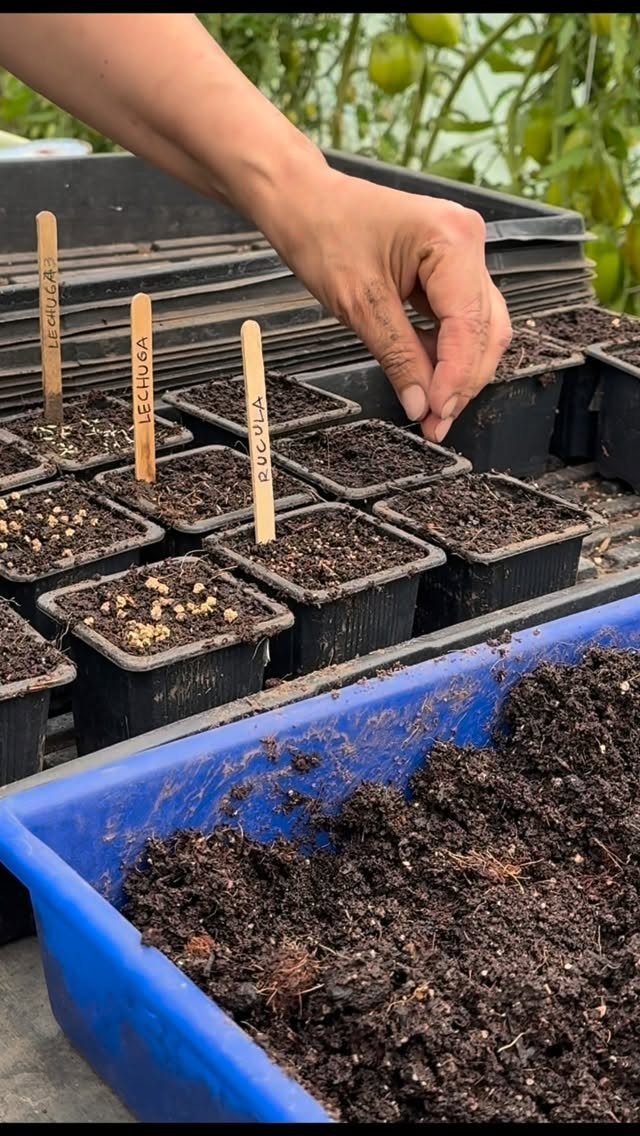
Small nursery pots filled with seed mix let you start crops indoors and keep the greenhouse bed free for what’s already growing.
A wooden label stuck in each pot is the habit I’d copy first. Lettuce and arugula look alike as seedlings, and labels end the guessing.
Fill the pots with fresh soil, drop in a few seeds, and cover them lightly. Keep the mix evenly damp, never soggy.
Setting pots in a tray makes watering from below easy and keeps spills contained. Thin to the strongest seedling before moving it to its bed.
Winter Greenhouse Temperature Expectations
Overnight, a greenhouse with no heat drops to nearly the same temperature as the air outside.
If it’s 20°F out, the inside usually lands around 22–28°F, and where it falls in that range depends on the glazing and on how much thermal mass, like water barrels or stone, the space holds.
Daytime is a different story. On a sunny day with the vents working, the inside can run 20–30°F warmer than outdoors, though winter’s low sun and short days cap how much heat you actually collect.
Expect a gray, windy day around 25°F to leave the inside at or below freezing all day. Stretch that weather over 5, 10 or 20 days and everything in there stays frozen the whole time.
Growth slows well before that point. Once nights stay under 40°F, most plants barely grow, and a crop that matures in 45 days during the regular season can take 90 or more.
Plan around the cold nights, not the sunny afternoons. Put a thermometer that records the daily low inside, and let that number decide what you plant.
Winter Growing by Climate Zone
Without any heat, a greenhouse adds about 6–8 weeks to each end of the season; warmer zones gain a bit more and colder zones a bit less. In Zone 7 and warmer, it will keep cold-hardy greens going all winter.
Past that, expect growth to stall.
In Zones 3 and 4, production stalls in deep cold unless you add heat. Treat those months as a rest period, or budget for a heat source before you plant.
Tomatoes, eggplants and peppers want strong sun and steady warmth, so a basic unheated greenhouse won’t get them through winter. In any cold zone, tropical and tender plants need added heat to survive.
Stick with cool-season vegetables and match your expectations to your zone. A realistic plan gives you fresh greens long after the garden outside has quit.
Frequently Asked Questions
Can you keep a greenhouse warm during the winter?
Yes, to a point. Bubble wrap on the glass, water barrels that store daytime heat, and a thermostat-controlled heater used only as a frost guard all help.
Without any heat, a greenhouse drops to nearly the outdoor temperature overnight: with 20°F outside, expect about 22–28°F inside.
How do you manage winter lighting in a greenhouse?
Grow-light bulbs hung directly over the plants stretch a short winter day, and overhead placement matters because light from the side leaves the lower leaves reaching and uneven.
A $10 outlet timer handles the schedule, so the lights switch on and off at the same hours every day without me having to remember.
Decorative string lights look cozy but may not give plants the light they need, so check the bulb type.