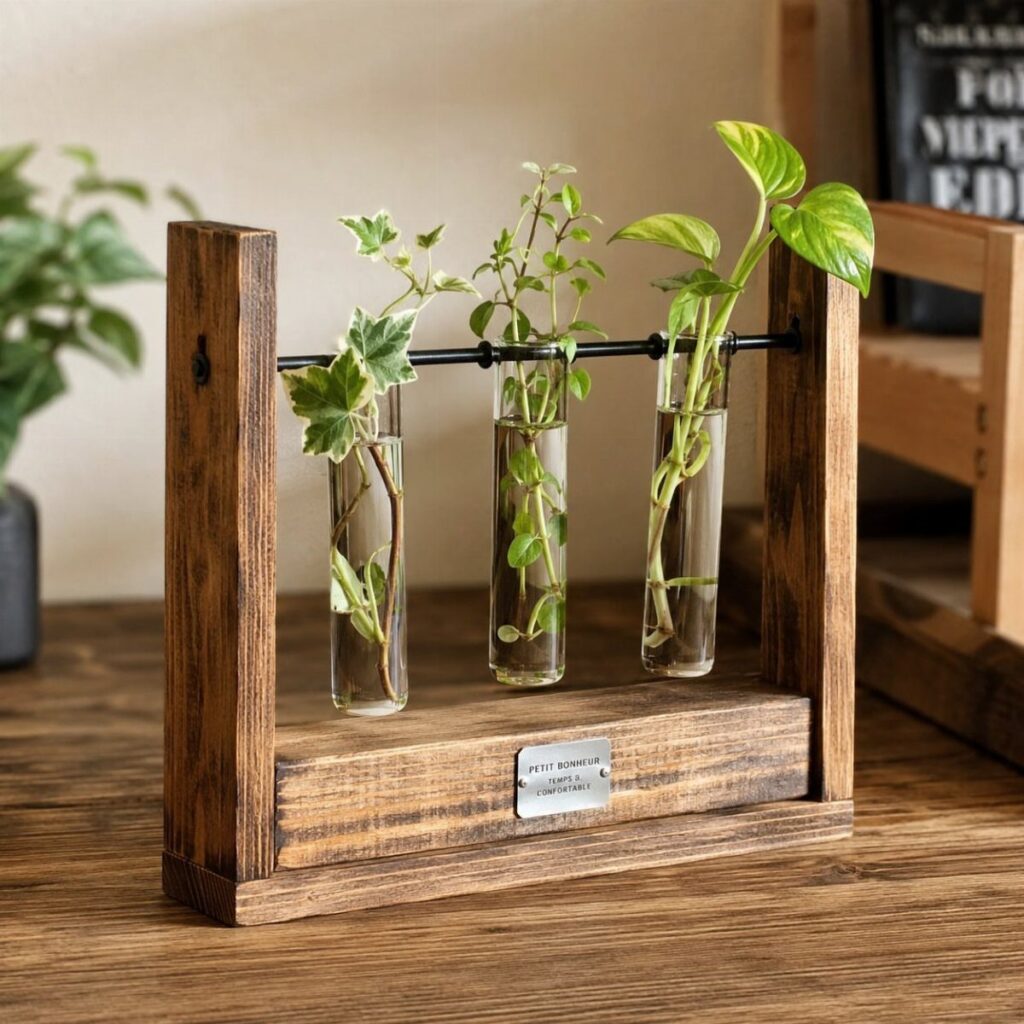
Where the planter will sit decides which of these is yours: a railing, a windowsill, a bare wall, a patio floor and a front lawn each call for a different shape, and the weight of wet soil sets how much bracing, how sturdy a leg or how strong a wall anchor it needs.
The builds run from 3 cylinder planters for a sill to a peaked-roof arbor that takes a weekend, with cedar boards, scrap offcuts, a free pallet and driftwood logs along the way.
Lining, sealing and drainage get their own sections at the end.
1. Wooden Planter Bench
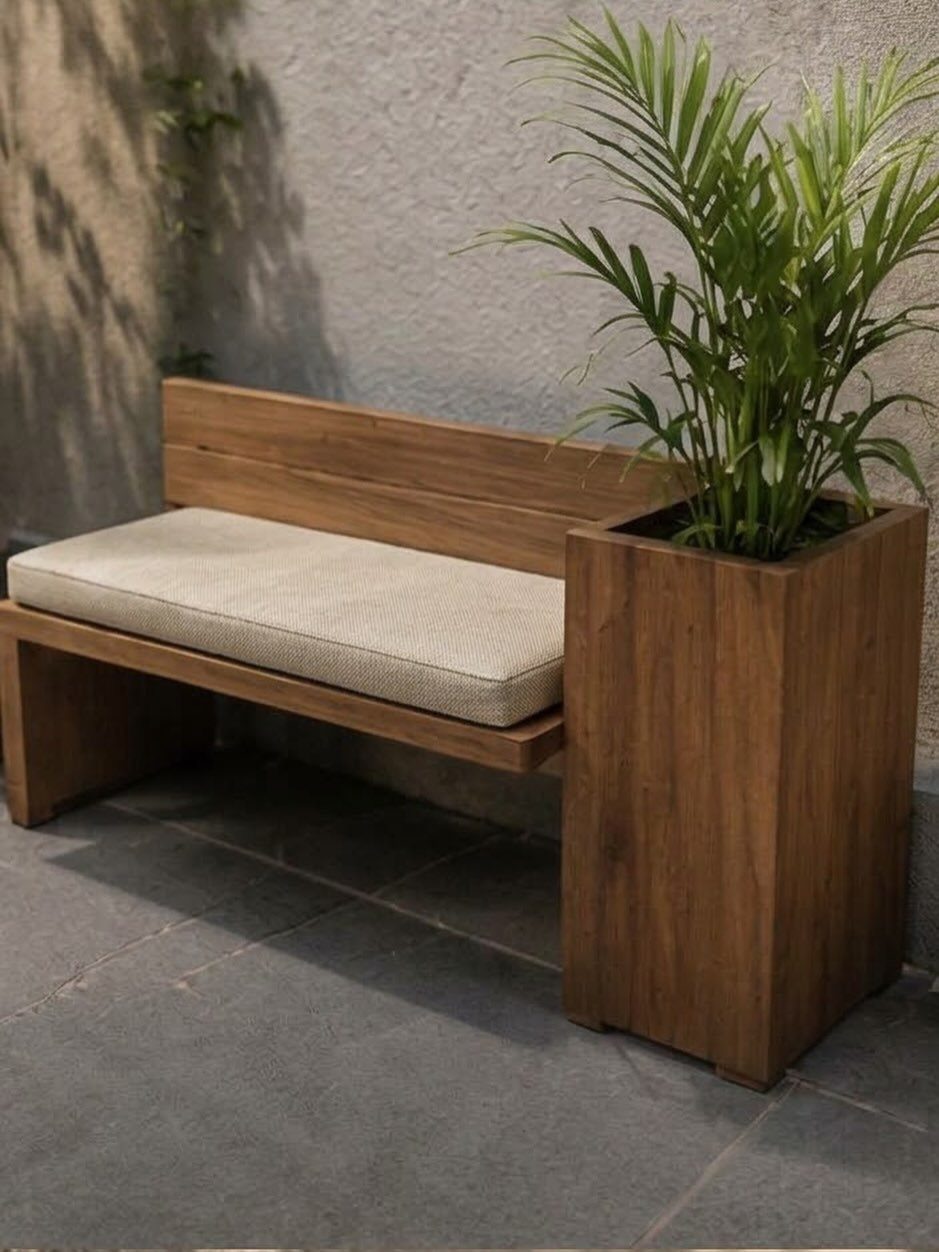
A bench with a tall square planter built into one end gives a small patio seating and greenery in a single footprint.
I like that the planter acts as a backrest and a side table of sorts, so nothing else needs floor space.
Pick a plant that grows upright, like a palm, so its leaves stay out of the way of whoever sits next to it. A cushion in a light color keeps the wood from looking heavy against a stone floor.
2. Railing Planter
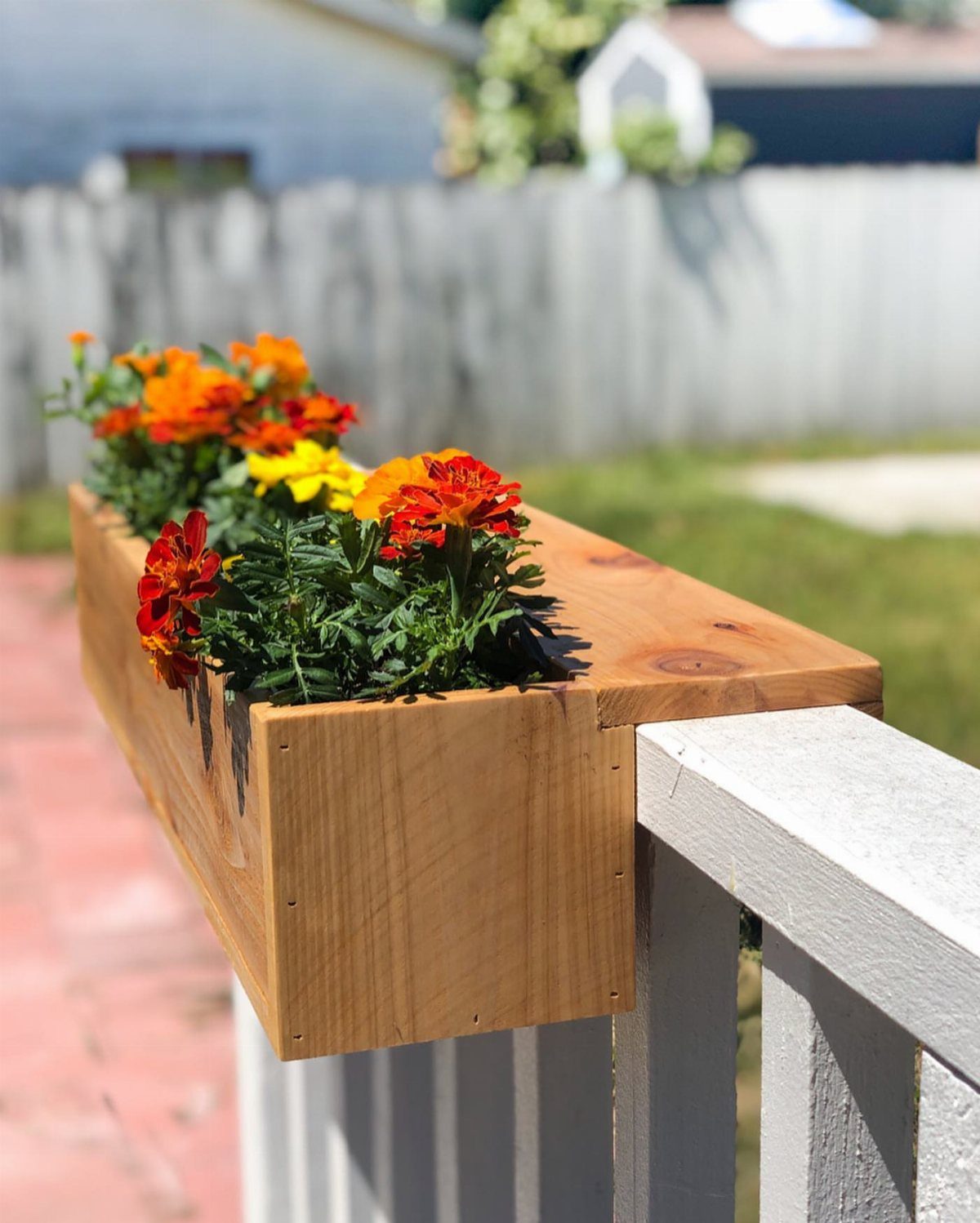
Mounting a planter on a deck or balcony railing puts flowers at eye level without costing a single inch of floor. Orange marigolds against white paint look bright, and I would copy that pairing.
Size the box to your railing before cutting anything, and attach it with brackets or a secure rest so it can’t tip. A box with a narrow depth works best on a slim rail.
3. Cedar Vertical Tiered Ladder Planter
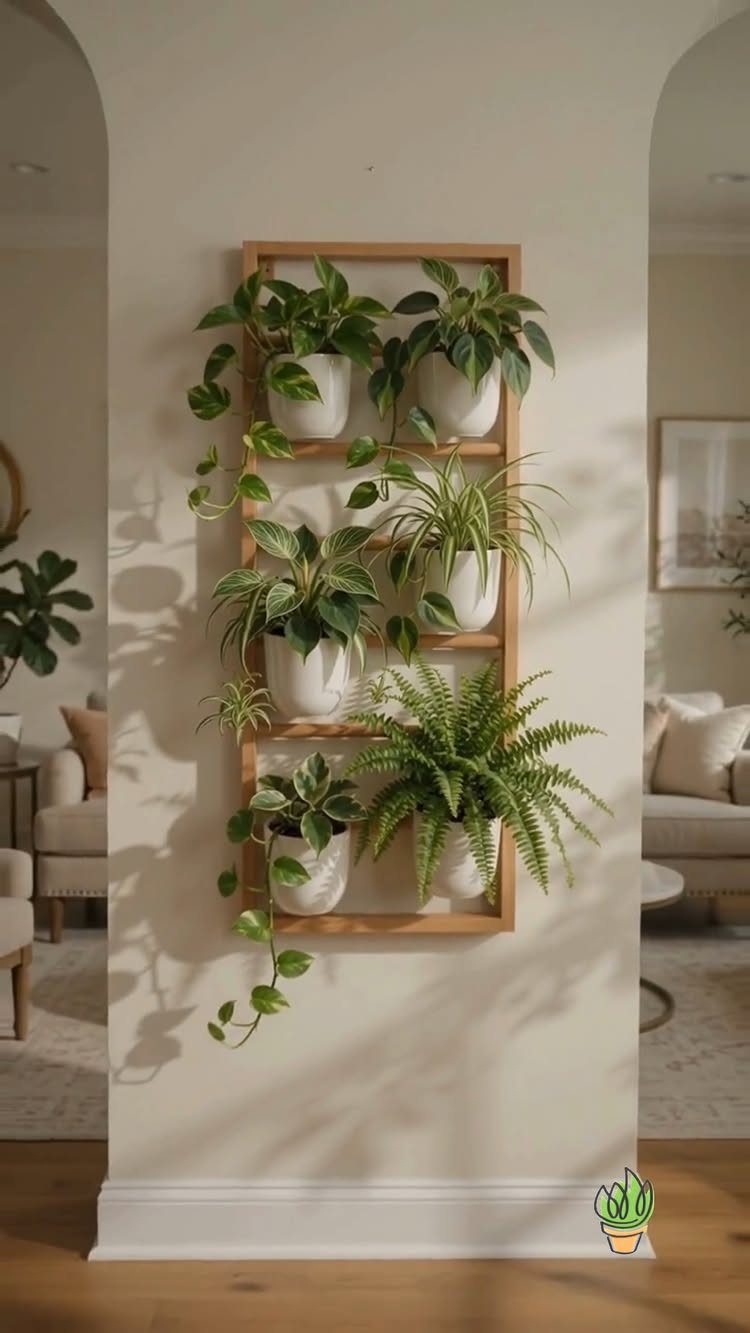
6 pots stacked up a wall ladder grow a small garden on the footprint of a single picture frame. For a renter with no yard, that is the whole appeal.
Cedar is the wood I would choose here, since it handles damp better than plain pine.
Stick with matching pots in one color, white works well, and the ladder reads as one clean piece instead of clutter. Anchor it to the wall, because 6 watered pots add up in weight.
4. Tall Planter Box
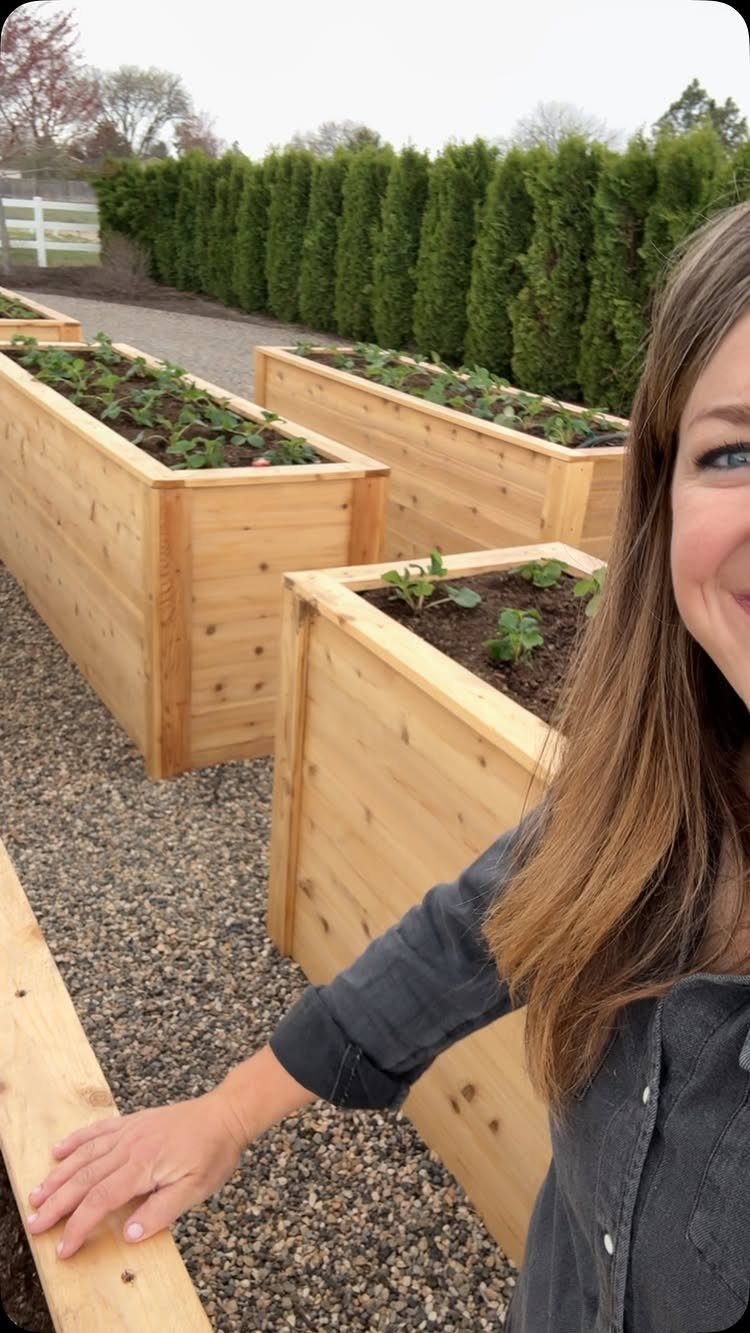
Boards stacked tall make a raised bed you can tend without bending, and the size is yours to choose. Build one or a row of several, depending on the space.
One builder used 2×6 cedar boards, with plenty of bracing and metal brackets inside at every joint.
I would copy that, since soil is heavy and pushes outward on the walls. Brackets cost little compared with a bed that bows.
5. House Number Planter Box
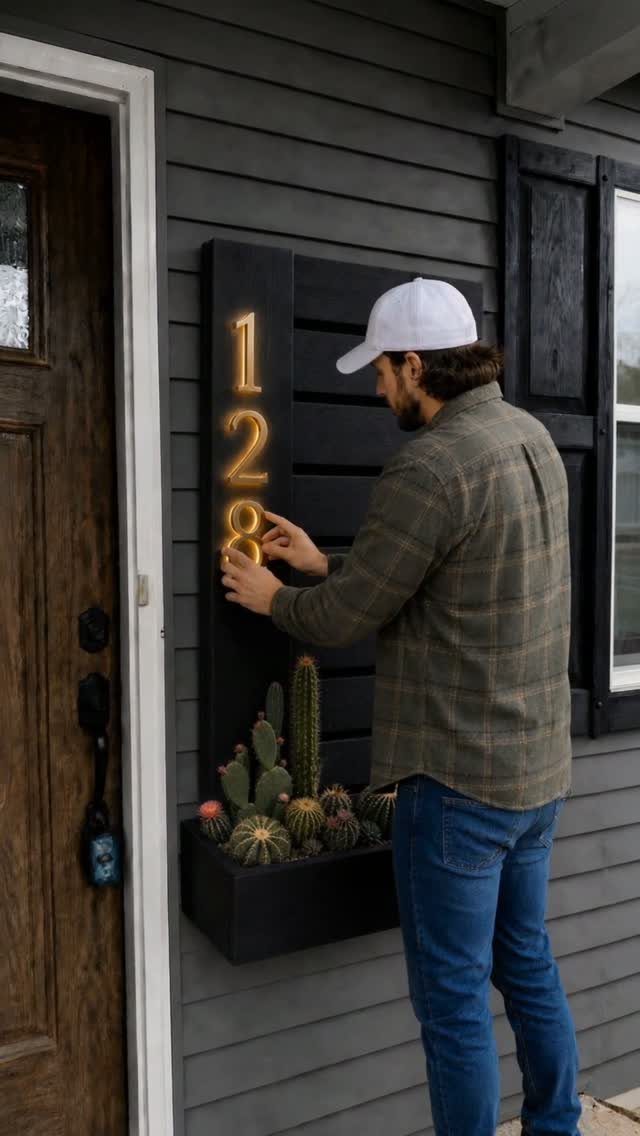
A black box of cacti under house numbers does 2 jobs on a front wall: it marks the address and adds a bit of green. Dark paint against a grey exterior looks sharp, and cacti suit the minimal feel.
Mount the numbers right on the face of the box, so the numbers and the planter read as one piece. Choose numbers large enough to read from the street.
6. Scrap Wood Planter
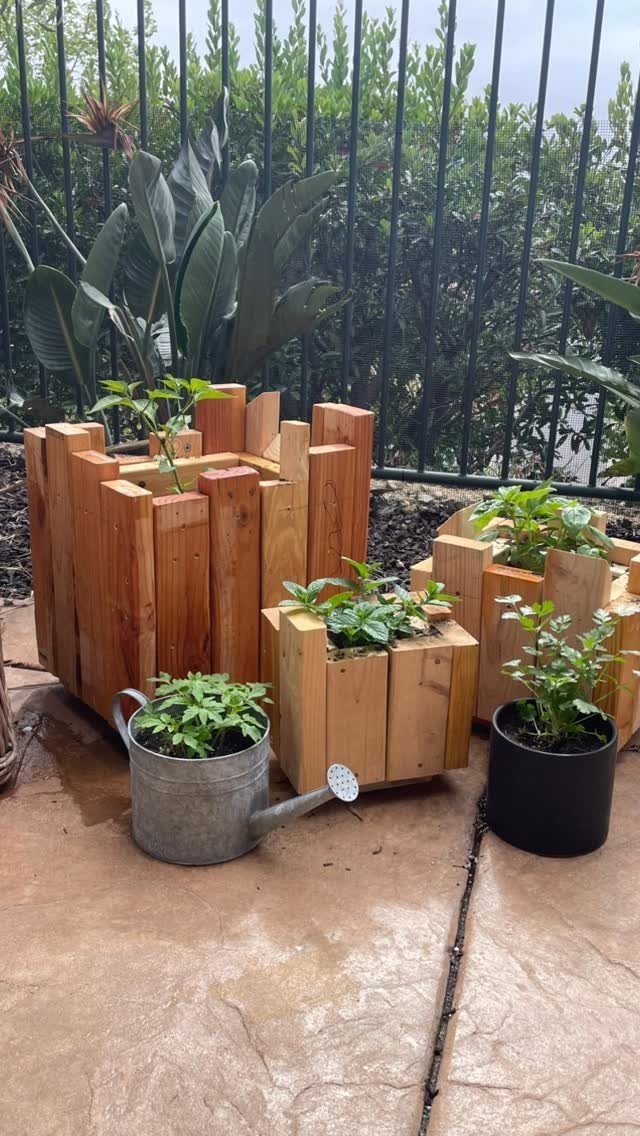
Leftover wood becomes a set of slatted planters in graduated sizes, which costs almost nothing if your scrap pile is already full. 3 sizes together look planned, and that is my favorite way to use up offcuts.
Cut the slats to the same length per box so the sides come out even. Pair them with a black pot or a metal watering can nearby, and the mix of materials looks deliberate.
7. Square Planter Box
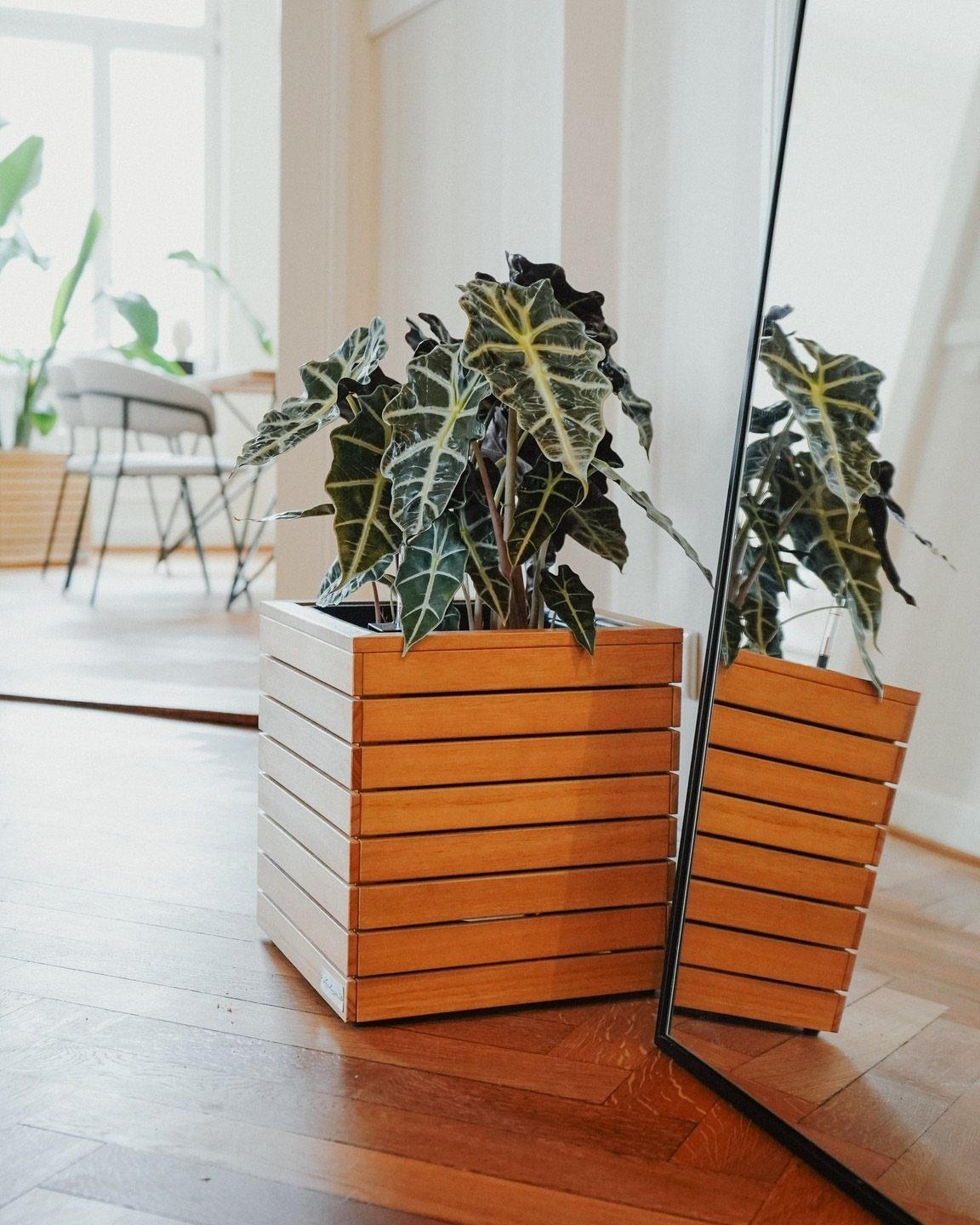
A square box with vertical slats suits a corner by a mirror or a window, where a round pot would waste floor.
The even sides let it sit flush to a wall or fence, and the slatted look keeps a plain room from feeling flat.
One leafy plant is enough to fill it. Match the slat wood to the floor, as this one does, and the box blends in instead of competing.
8. Step Down Tiered Planter
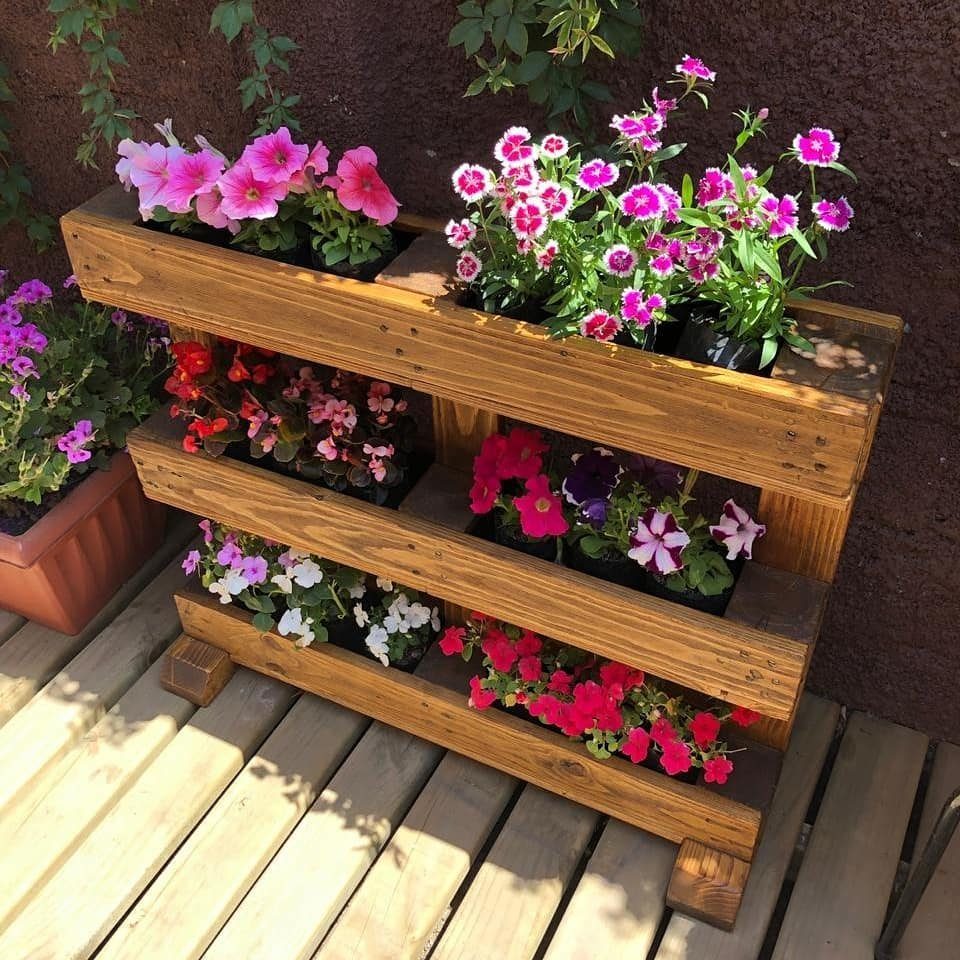
Three boxes stepping down in height let a small deck hold flowers at three levels, so nothing hides the plants behind it. Tall blooms go in the back tier, trailing ones in front.
Place the planter where a wall or fence blocks the wind, since the tallest tier is the one most likely to catch a gust.
9. Modern Planter Box
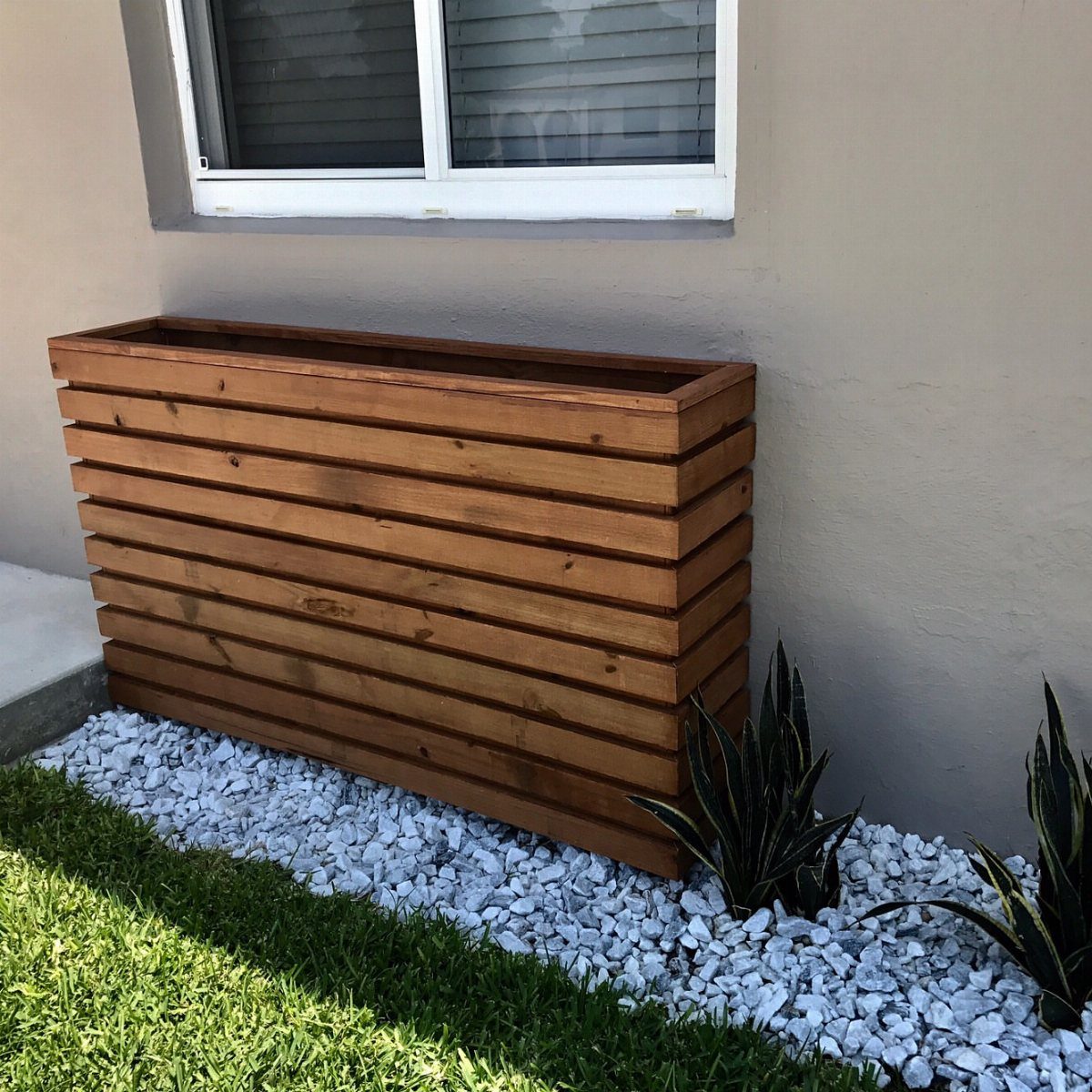
Horizontal slats on a long, low box give a planter a clean, modern line with very little work.
2 snake plants set in white gravel keep it spare, and I like that the upright leaves echo the straight lines of the wood.
Gravel around the box works as a finished surface under it, so the whole corner looks planned. Snake plants are forgiving, which suits a beginner.
10. DIY Wood Planter
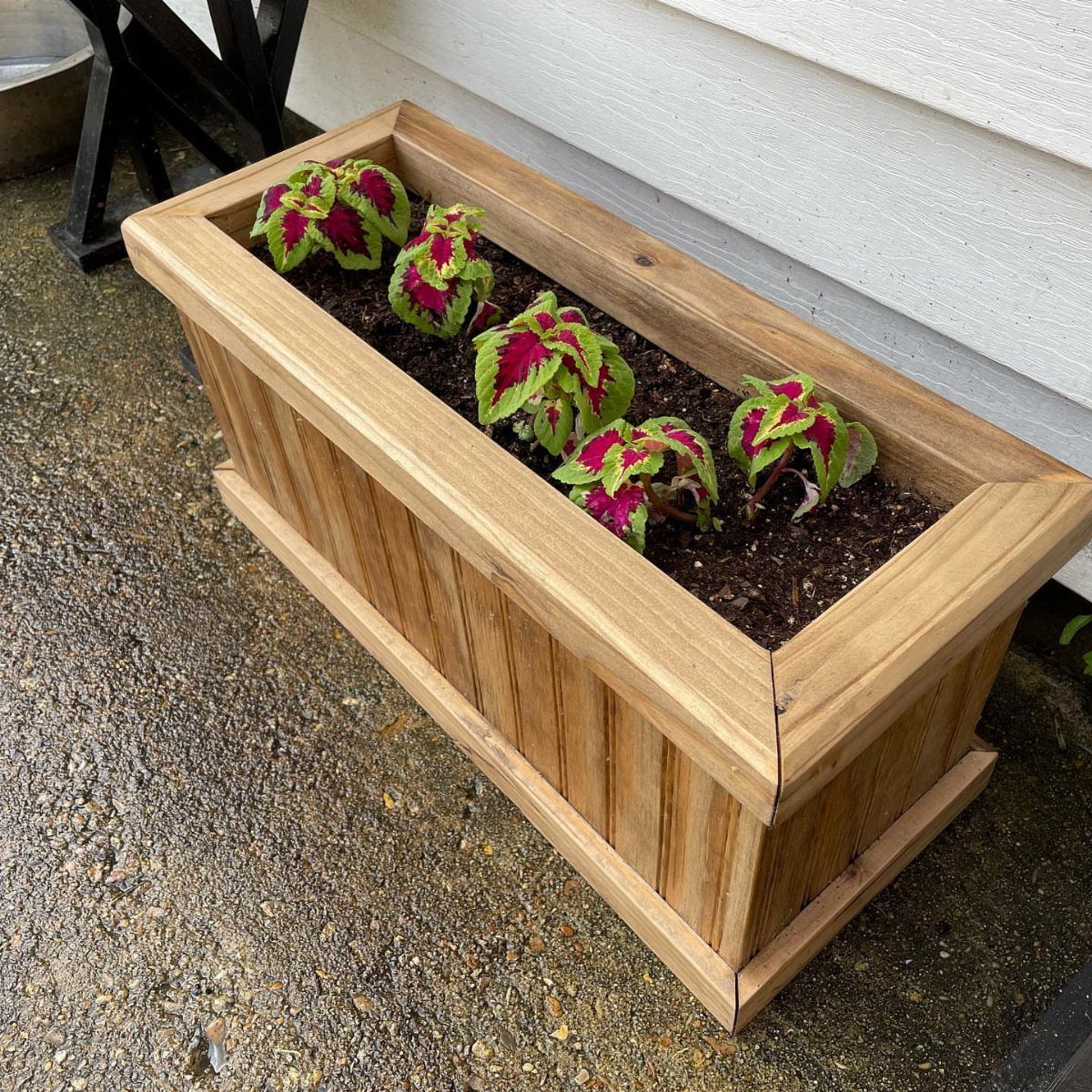
A plain rectangular cedar box is the best first build for a beginner: straight cuts, a few screws, and no fancy joinery. Coleus fills it with leaf color rather than flowers, so the box looks full even without blooms.
Cedar handles damp better than pine, so I would pay the small extra for it on a concrete patio, where water pools after rain.
11. Lattice Planter Box
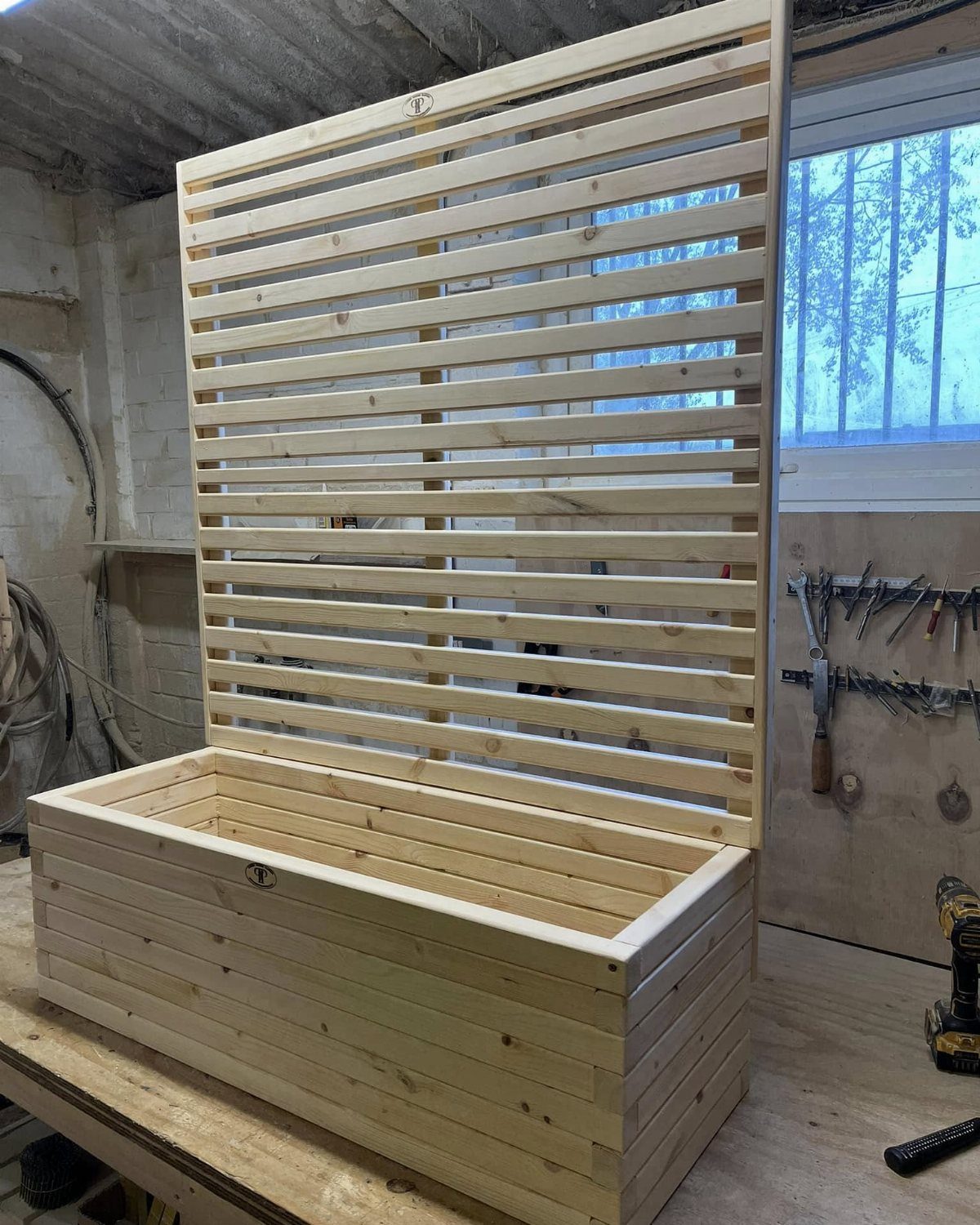
A planter with a tall back of horizontal slats gives climbing plants something to grab and gives the box a built-in screen. Light wood keeps the whole piece airy.
Build the back into the box itself, not as an add-on, so the frame stays rigid when vines pull on it.
Space the slats evenly with a scrap block as a guide. That makes the lattice look neat with no measuring of each gap.
12. Mailbox Planter with Address
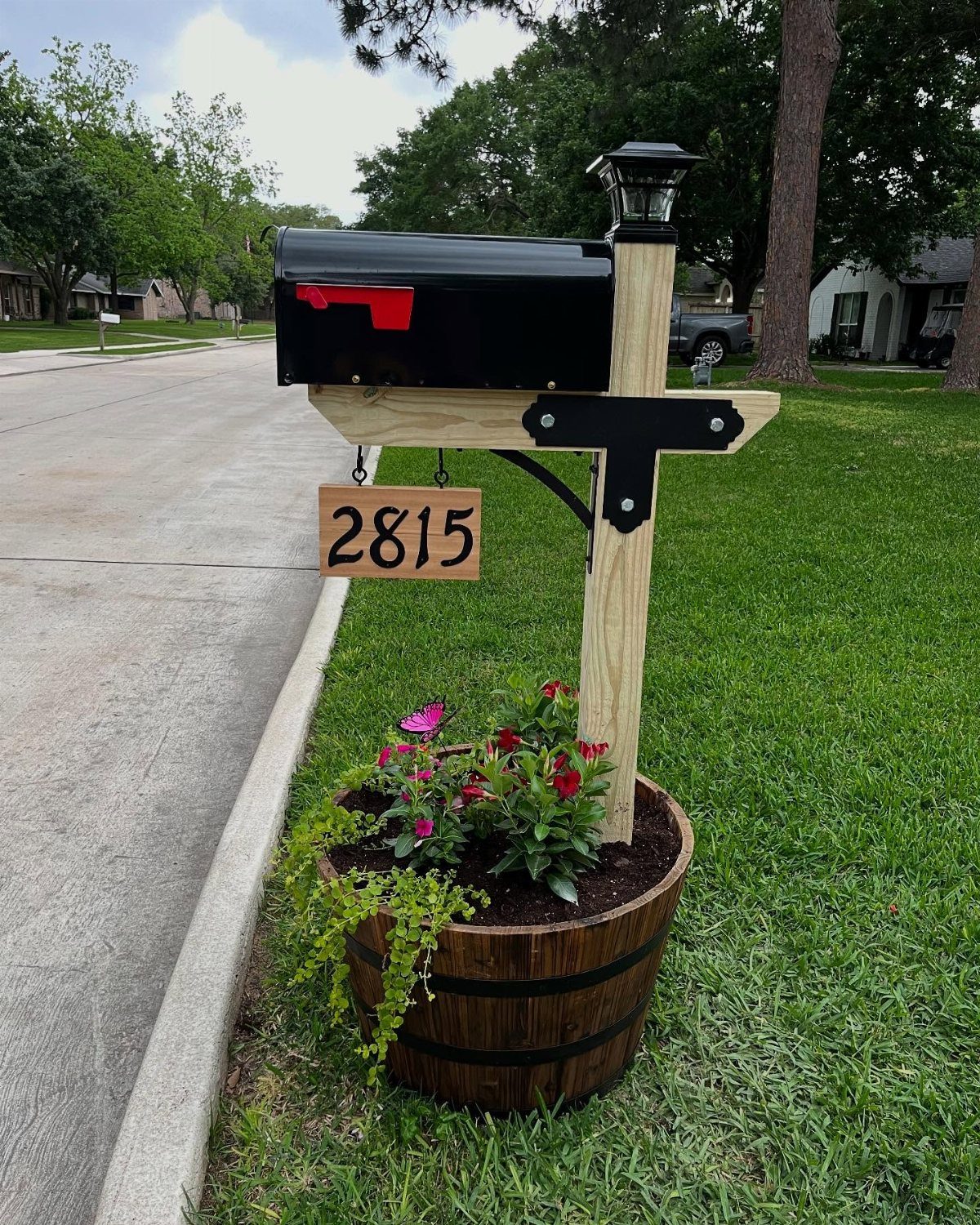
Red blooms around a black box are easy to spot from the street.
Hang the address sign from the post where it faces traffic, and keep the flowers low so they never block it or the mailbox door. A barrel gives a deep root space, so the flowers can fill in generously.
13. Wood and Metal Planter
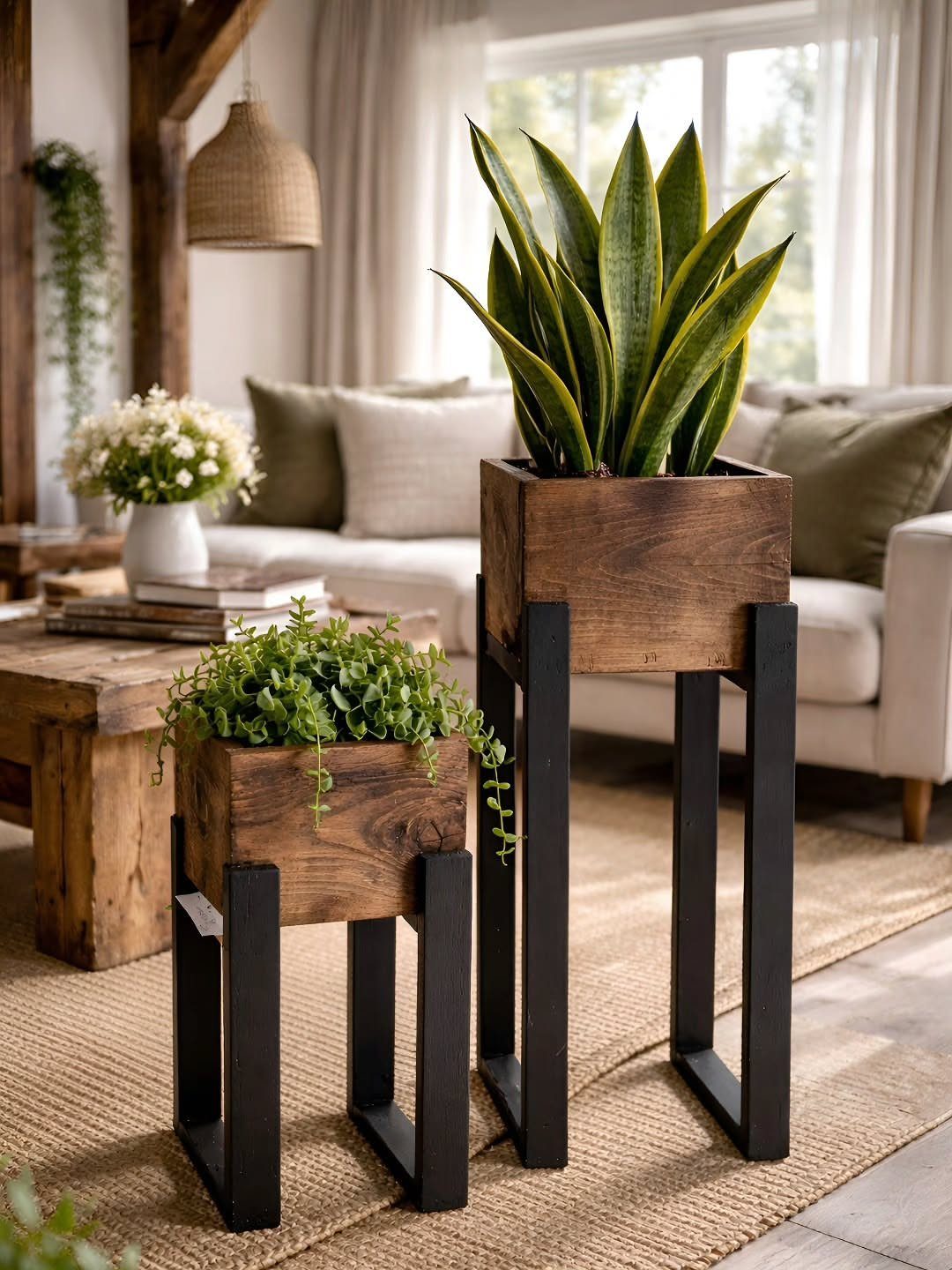
Black metal legs lift a wooden planter off the floor and give a living room the look of furniture rather than a pot on the rug.
Setting two at different heights, as here, makes a small cluster that fills a corner without crowding the sofa.
Match the black of the legs to something else in the room, like a table frame, and the pairing looks chosen. Wood warms up the metal, so I would pick a mid-tone finish over a very dark one.
14. Privacy Planter
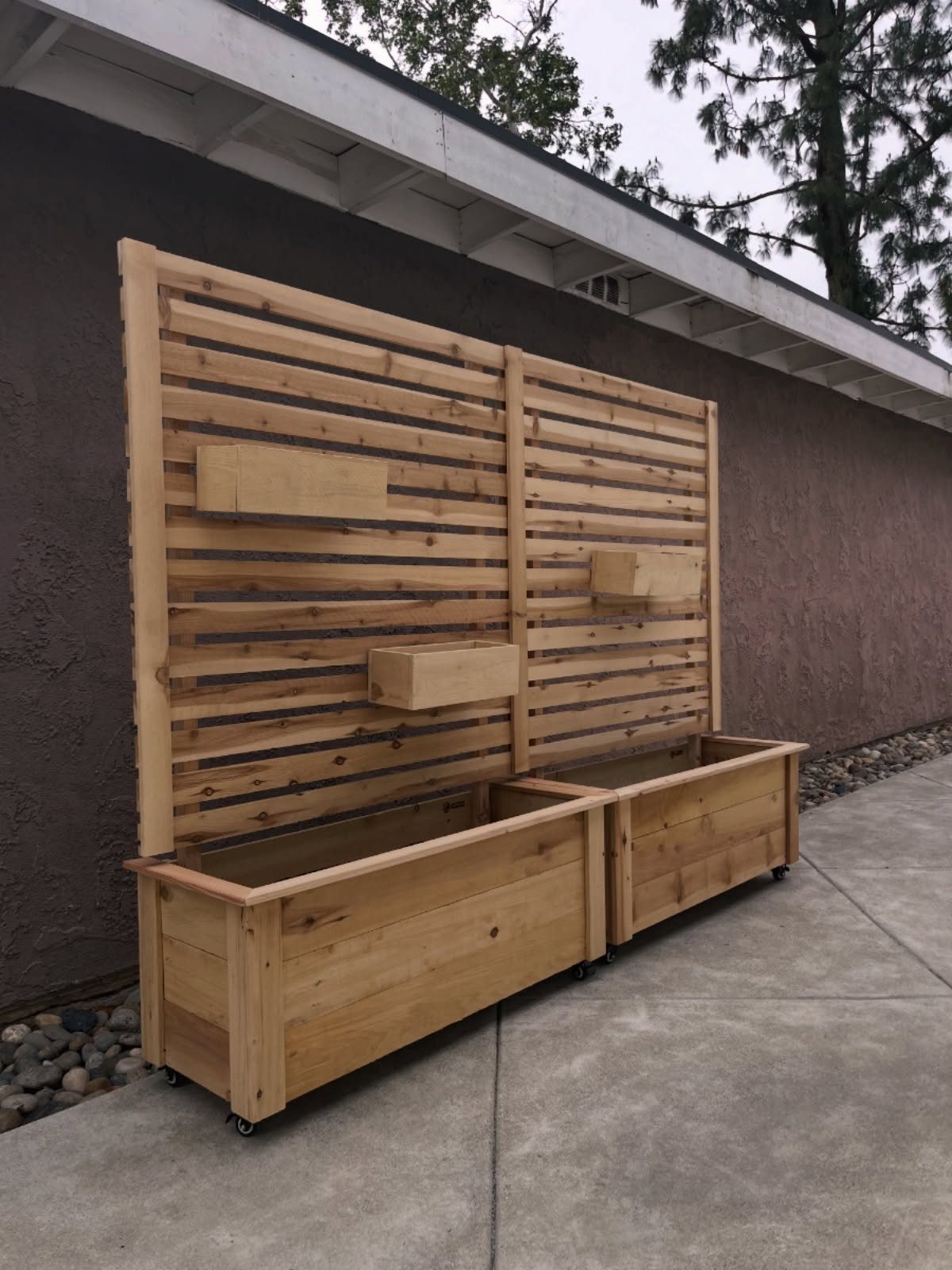
Tall slatted screens built into a planter turn a patio corner into a private spot, and wheels let you move the whole thing when the sun or the neighbors shift.
I like that the screen and box are one unit, so nothing needs to be fastened to the wall.
Space the slats to block the sightline you care about, and add small attached boxes for trailing plants or herbs. A wide box on wheels holds a lot of wet soil, so lock the wheels once it is in place.
15. Small Wood Planter with Tall Back
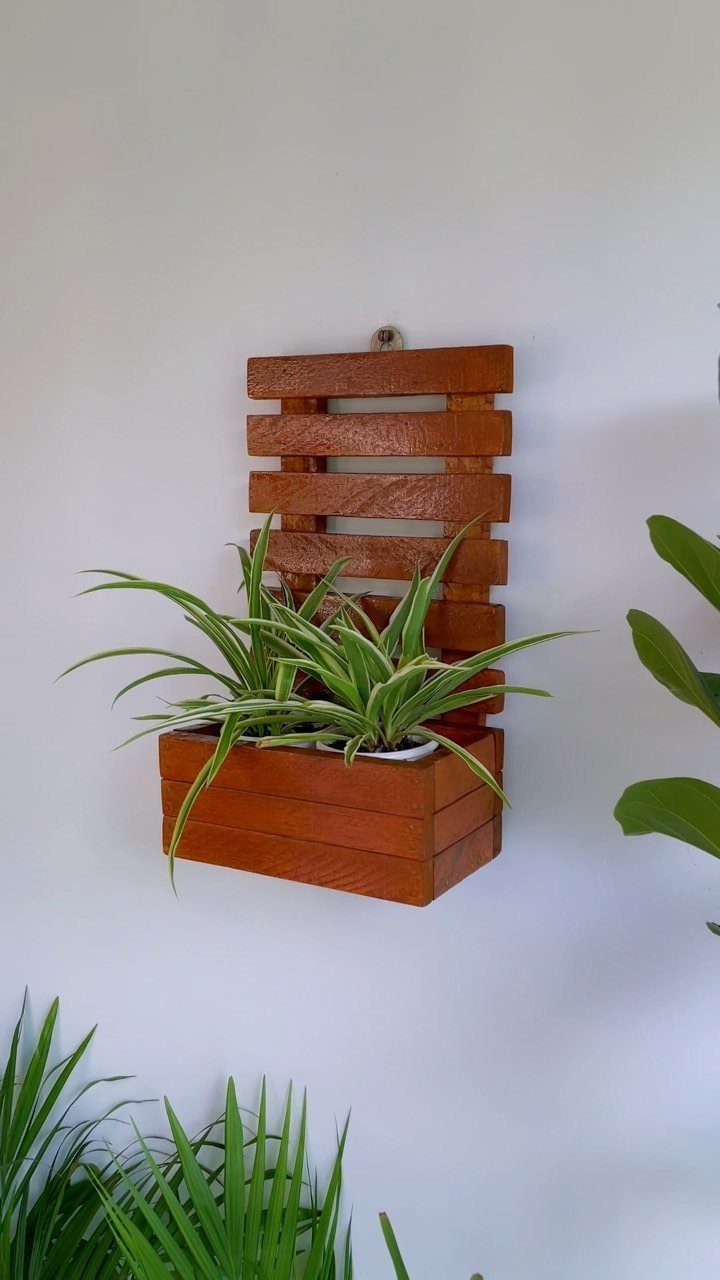
Small enough for a bare wall, this planter pairs a short box with a tall slatted back that does the mounting work.
A tall back panel frames a spider plant’s striped leaves, and against white paint the plant’s green and cream read cleanly.
One maker built theirs from 1 inch wooden sticks, cutting 12 pieces at 20 cm.
Nine of those 20 cm pieces get joined with nails between two 35 cm pieces to form the back. That is cheap lumber and a beginner-friendly job, since every cut is straight.
Sand the sticks before nailing so the slats feel smooth.
You can build this wooden planter box in less than an hour.
16. Pyramid Planter
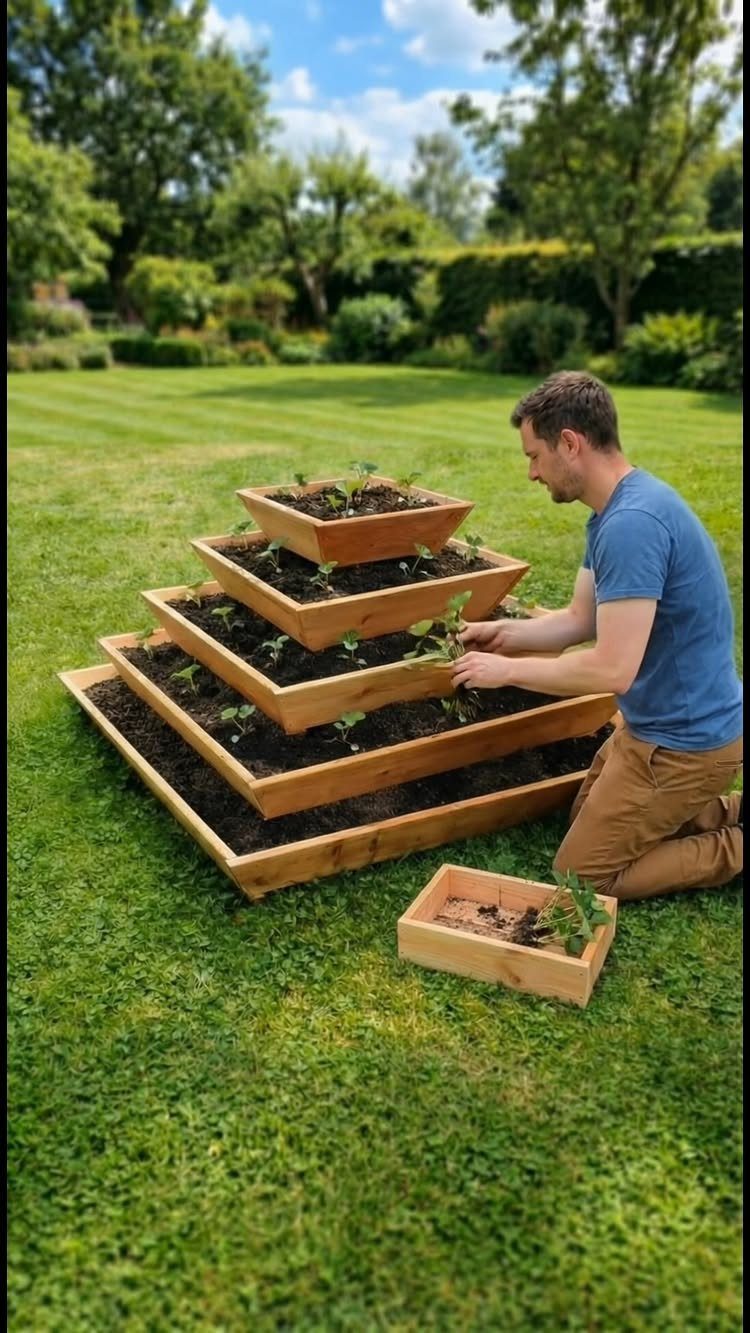
Stacking boxes in shrinking sizes gives a pyramid planter, where every tier gets its own row of plants and the whole piece sits low and stable.
It works well on a lawn, where the wide base spreads its weight over the grass.
Plant seedlings in each level so the pyramid fills in from bottom to top.
I would build it from boxes of one wood so the steps read as a single shape. A spare box set alongside, as here, holds extra plants or tools.
17. Elevated Wooden Planter Box
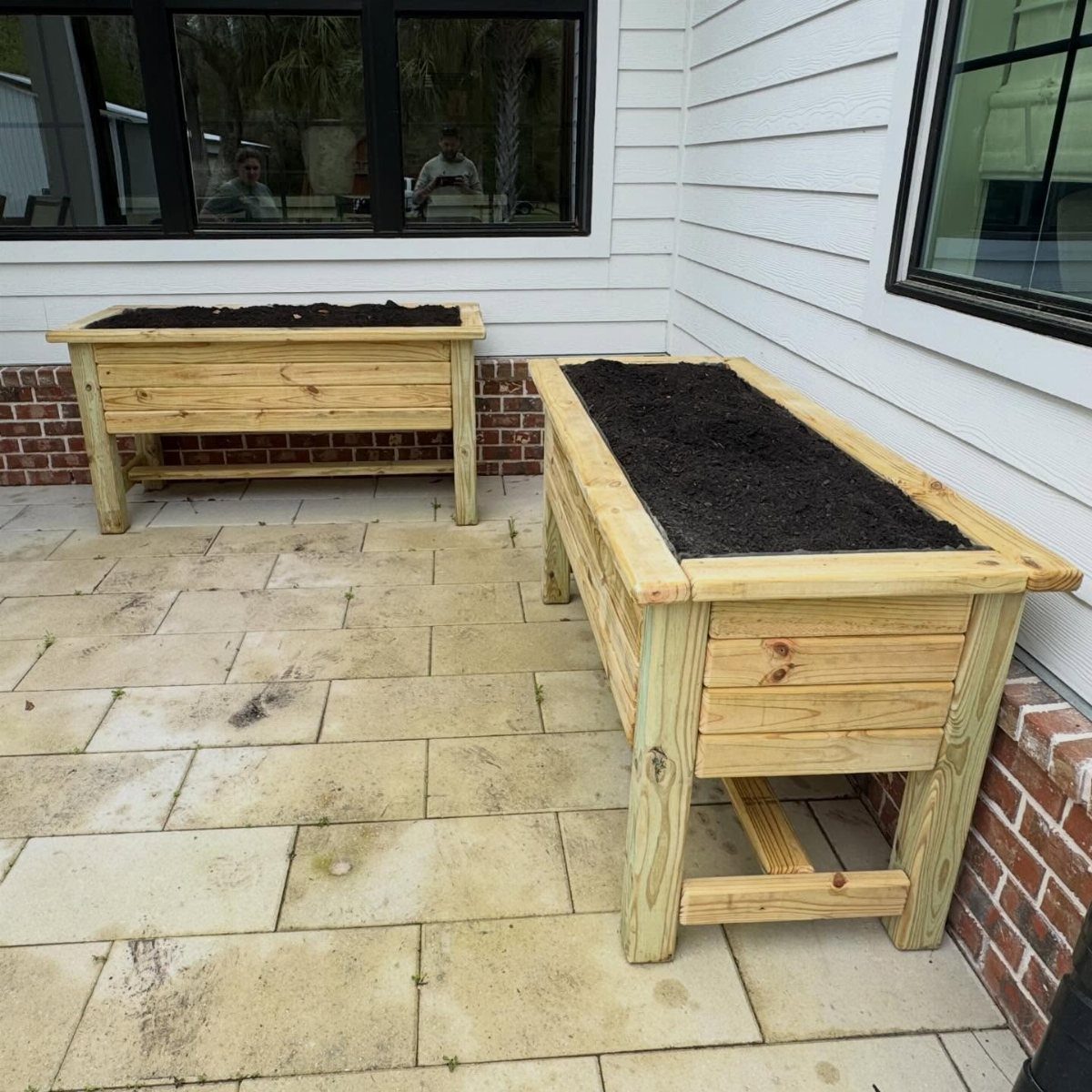
Legs raise a rectangular wooden box to a height where herbs can be picked and watered without kneeling, which makes this a good fit for a patio with no garden bed.
Set 2 boxes in a row along the house or fence, and a few feet of stone becomes a real kitchen garden.
Keep the herbs you cook with most in the box nearest the door. Soil is heavy, so build the legs thick and brace them well before you fill anything.
18. Wooden Window Planter Box
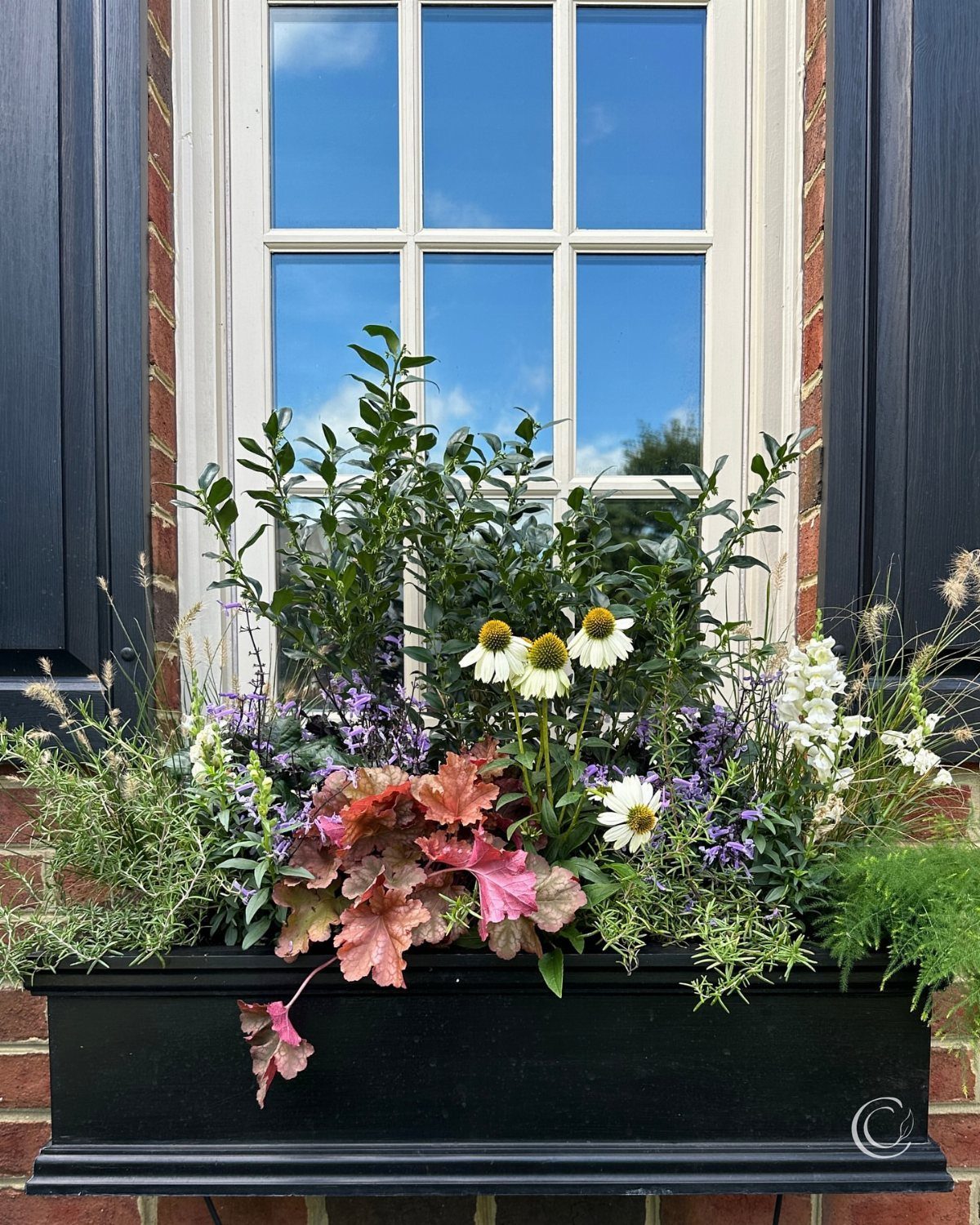
A black box mounted right beneath a window puts flowers in view from inside and out. Black paint reads crisp against white trim and shutters, and it lets the purple blooms and white coneflowers stand out.
Mix upright flowers with leafy fillers so the box looks full from the street and from the room.
Fasten it to the wall with sturdy brackets, since a watered box is heavy. Measure the window width first, and build the box slightly narrower than the frame.
19. Mini Cylindrical Wood Planters
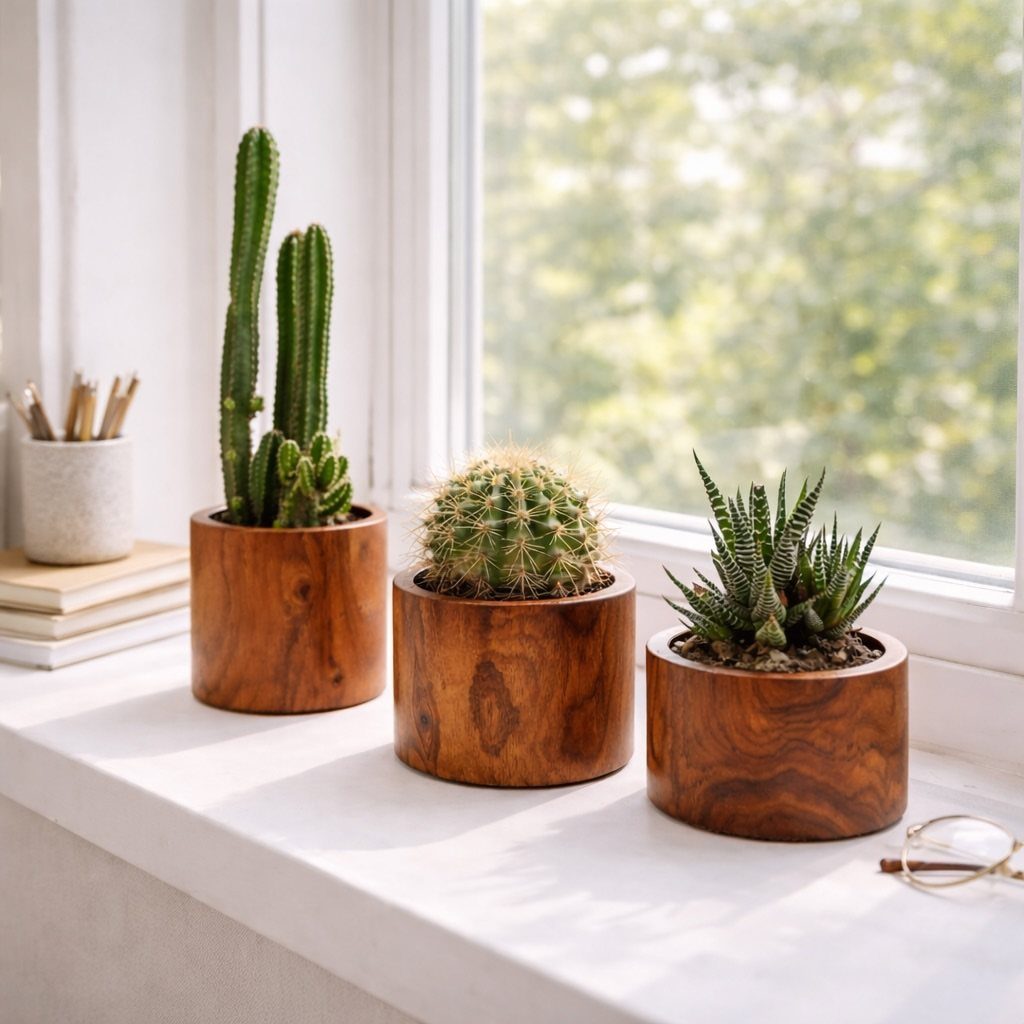
A windowsill holds three cylinder planters easily, and each one gives a single cactus or succulent its own small home. Matching wood tones make the trio read as a set.
Keep them near the glass, where the sun is strongest, since these plants want light. Line up 3 different plants in similar heights, and the row looks tidy without any fuss.
If you build them, drill a drainage hole in each base so water can escape, and set each on a saucer to protect the sill.
20. Trellis Wall-Mounted Planter
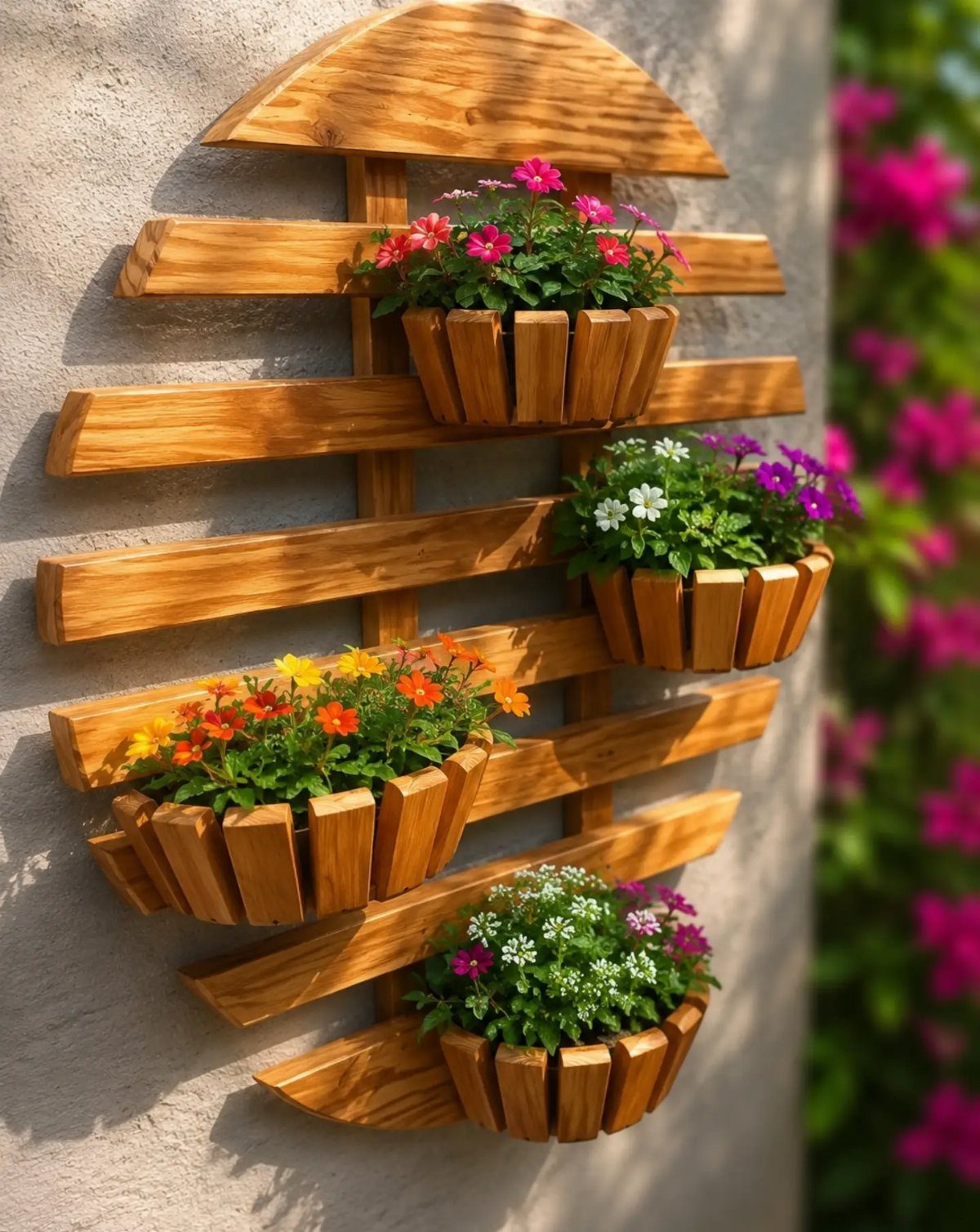
Four small round planters fixed across a slatted wooden trellis turn a bare wall into a hanging flower display with almost no floor space used.
Space the planters at staggered heights, not in a straight line, so the colors spread across the whole trellis. I would pick flowers in two or three shades so it looks planned.
Screw the trellis into the wall first, then attach each planter to its slats. Small pots keep the load light.
21. Tapered Cedar Planter Box
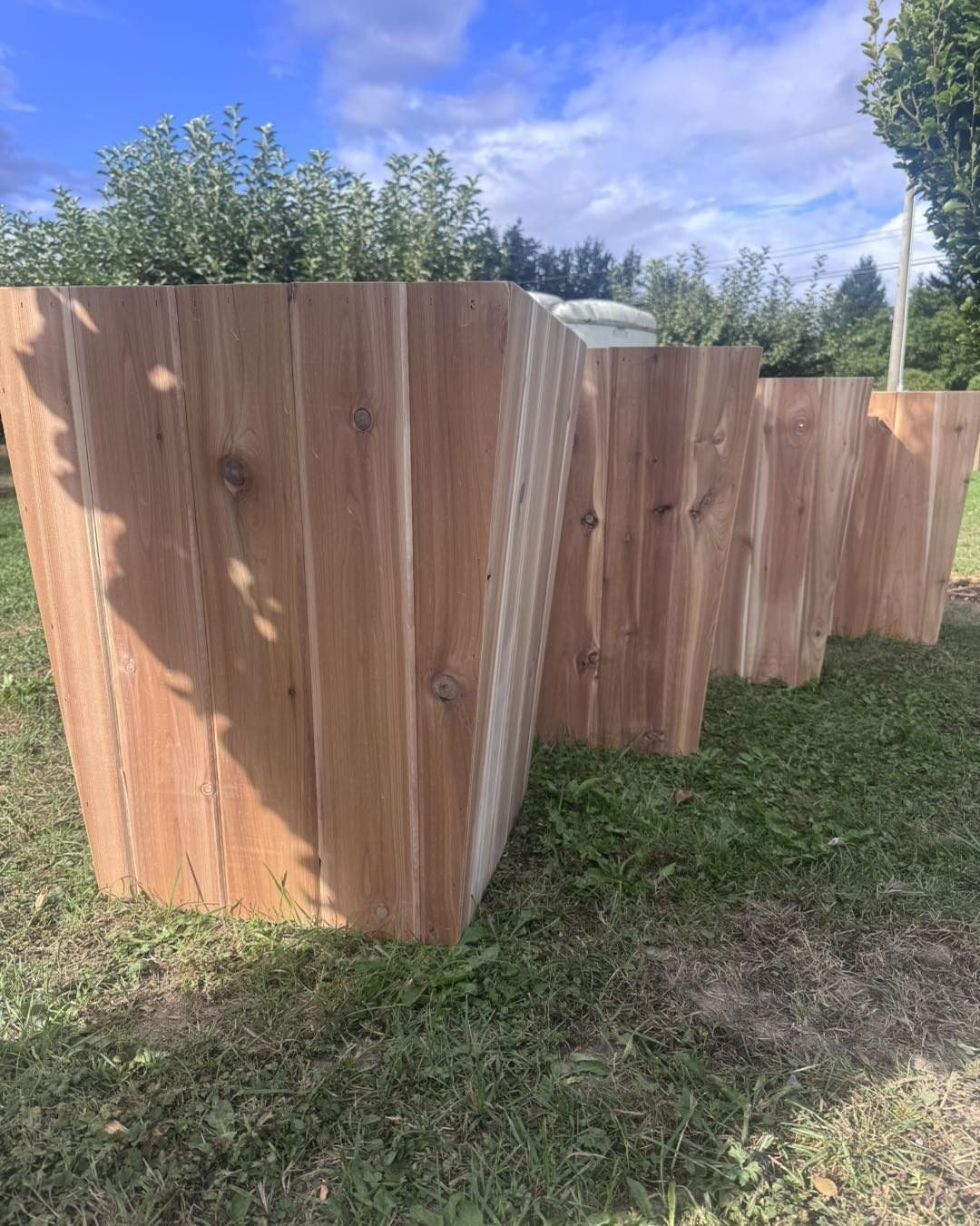
Cedar boards angled outward from base to top make a planter that looks more custom than a plain box, though the build is still just straight boards and screws.
Lined up in a row on a lawn, four of them read like a border.
The wider top gives plants more room to spread, while the narrow base keeps the footprint small.
Cut the side boards at matching angles so every box comes out the same.
22. Pallet Vertical Balcony Garden
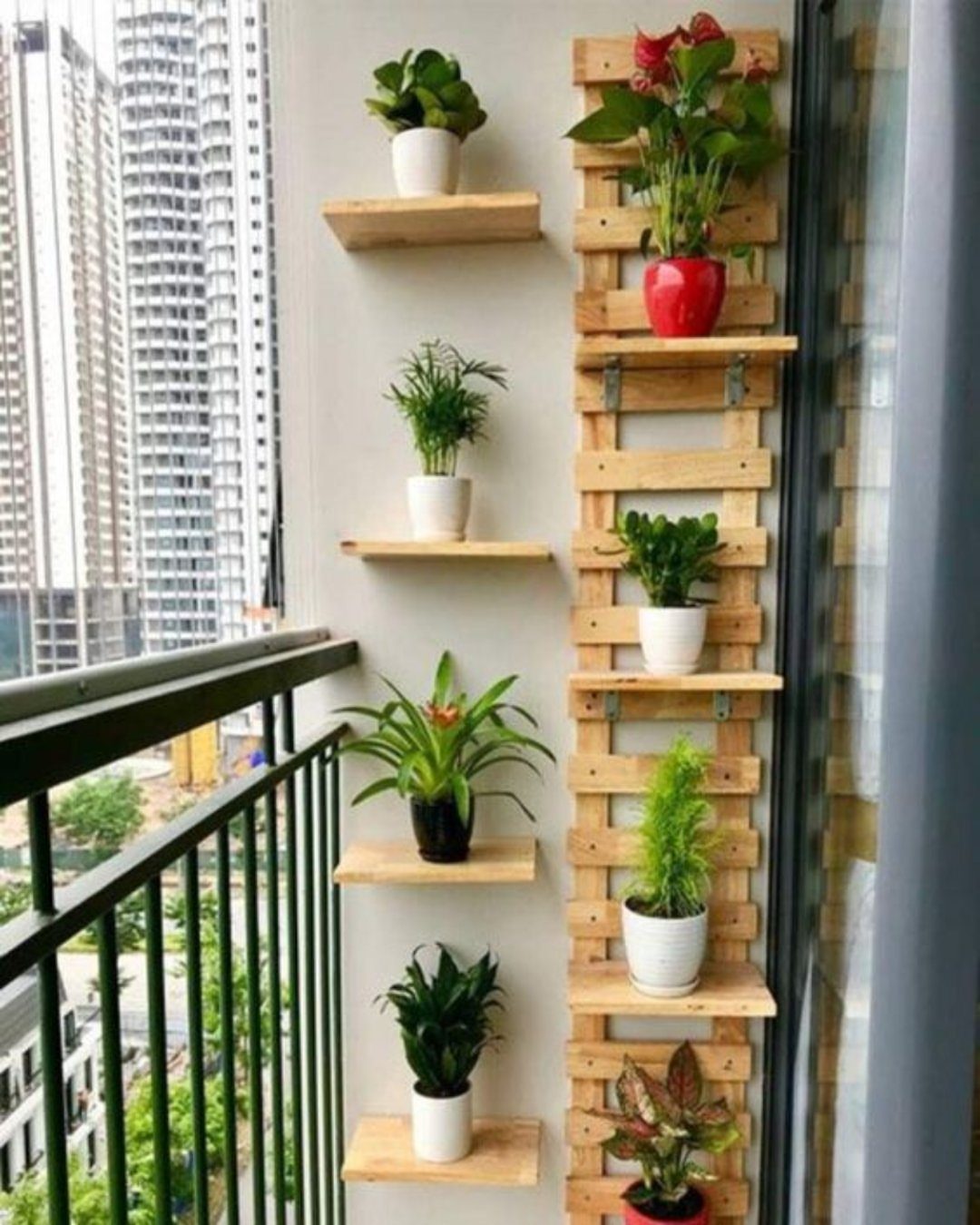
One upcycled pallet stood upright on a balcony wall becomes a multi-tier plant stand, and floating shelves beside it add more room. Free or cheap lumber keeps the cost low.
Sand the pallet well before you use it, because the rough boards snag hands and clothing. Anchor it to the wall, not just leaned against it, since watered pots are heavy and balconies get wind.
Set small pots in each gap between the slats, and keep the lightest ones on the top rows.
23. Arbor Planter with Peaked Roof
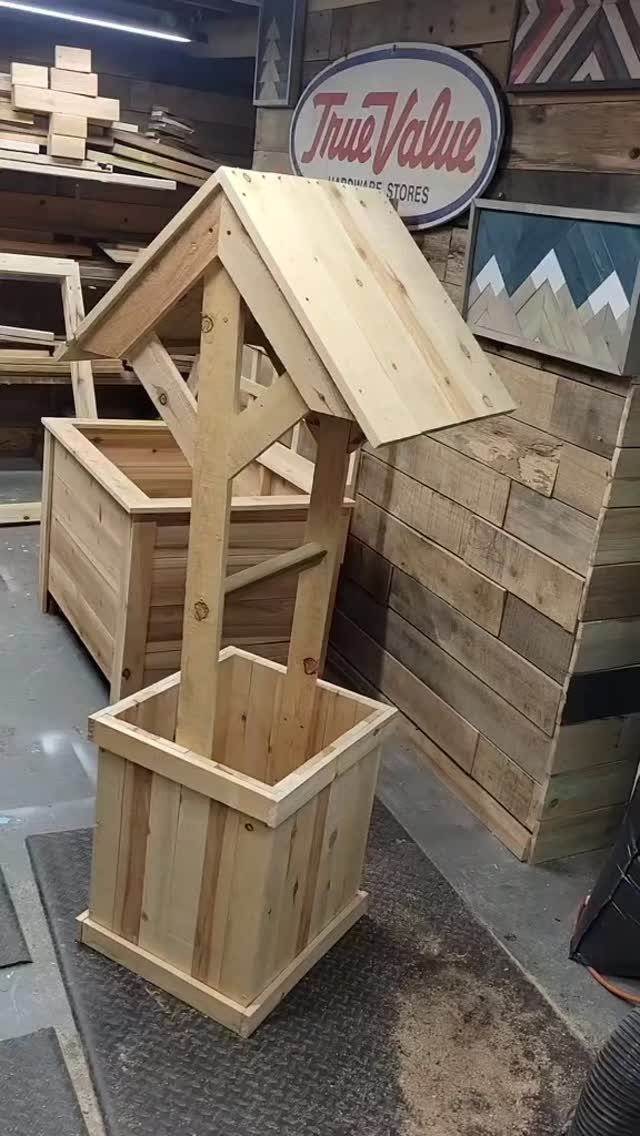
A planter base joined to a tall frame with a peaked roof gives climbing plants a little arbor of their own. It is the most ambitious build in this group, and I would try it only after a plain box.
The roof pitch gives the piece its charm, so cut both rafters at the same angle and test the fit before screwing anything down.
A weekend is a fair estimate for the work.
24. Rolling Wooden Planter Box
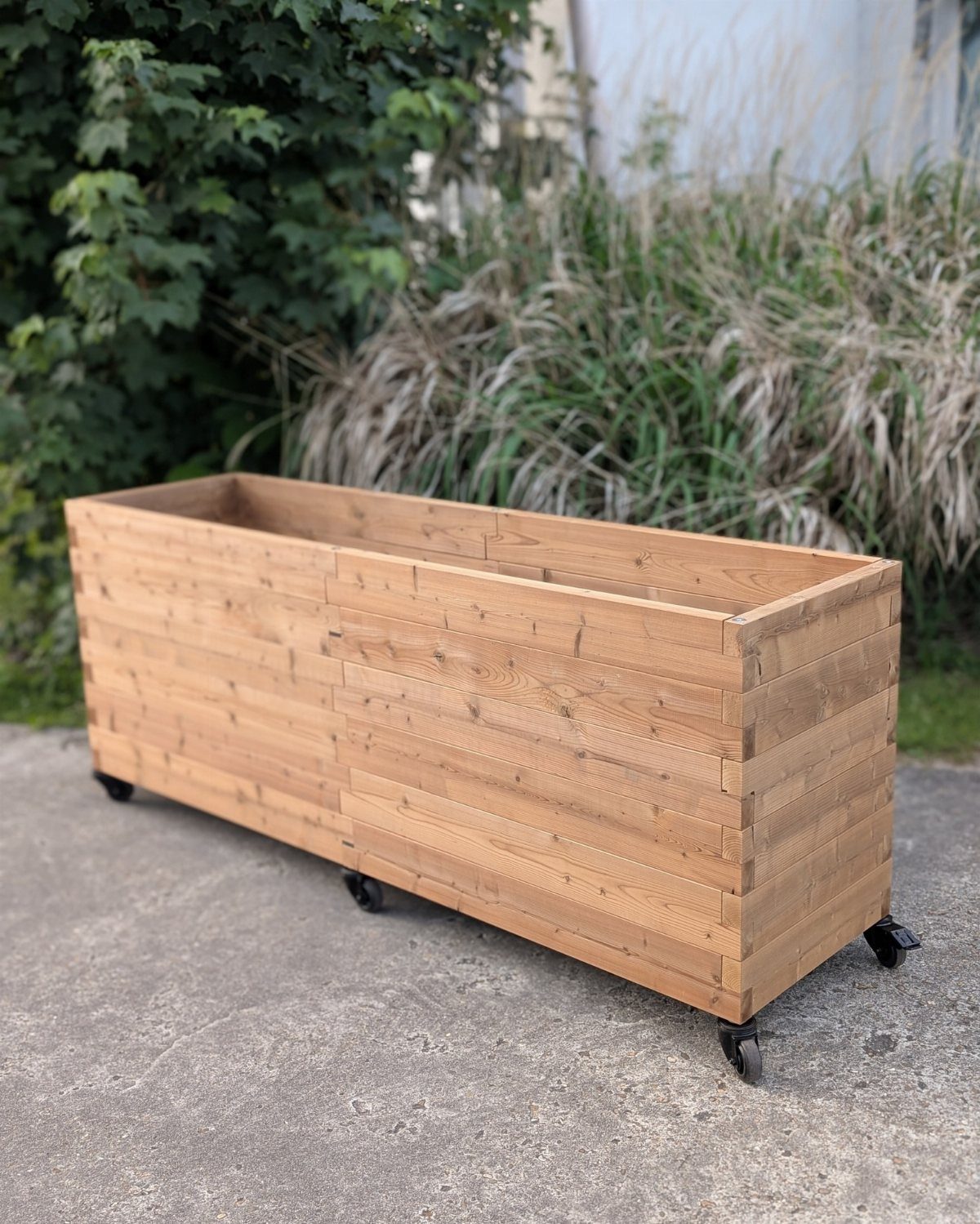
A set of black casters under a long wooden box lets you roll it out of the way, which is handy on a concrete patio where sun and foot traffic shift through the day.
A long box also holds a full row of plants.
Choose casters rated for more than the finished weight, because wet soil adds up fast. Locking casters are worth the small extra cost, so the box stays put once it is in place.
Fill it only after the wheels are attached.
25. Driftwood Log Planters
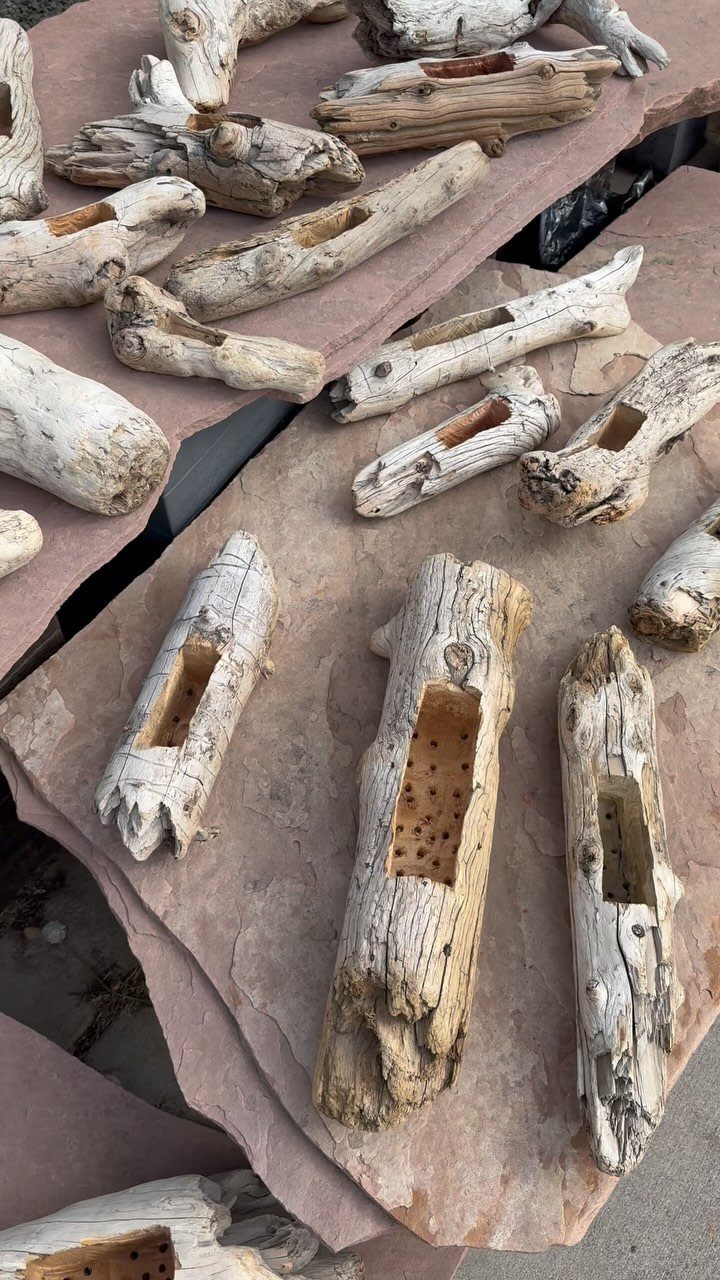
Hollowed driftwood logs set on flat stones give a patio or garden bed a planter that already looks aged. The stones keep the wood off damp ground, and the weathered grain suits small plants with a soft, natural habit.
Pick logs with a thick wall around the hollow so the shape holds up once soil goes in. Set several together at different heights, and the group looks gathered by the shore instead of placed.
26. Planter Post with Hanging Hooks
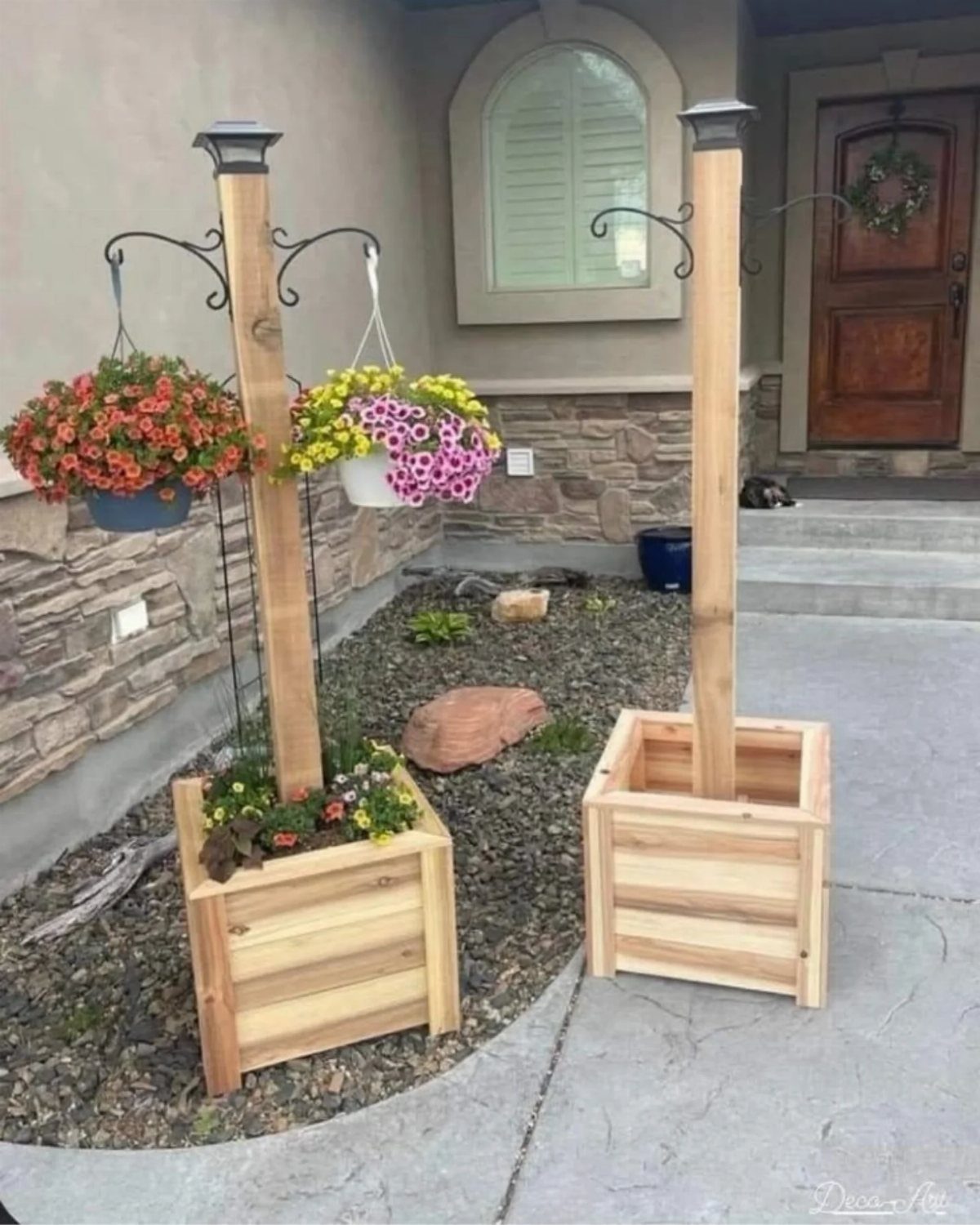
A square wooden box with a tall central post turns one small footprint into a hanging garden.
Black metal hooks on the post hold baskets at eye level, so flowers fill the air above the box as well as inside it.
On a gravel pad beside a house, a pair of these makes a neat entrance feature.
I would make the post thick and fasten it firmly to the box, since baskets pull sideways on it. Solar caps on top add a little evening light with no wiring.
27. Hanging Twig Basket Planter
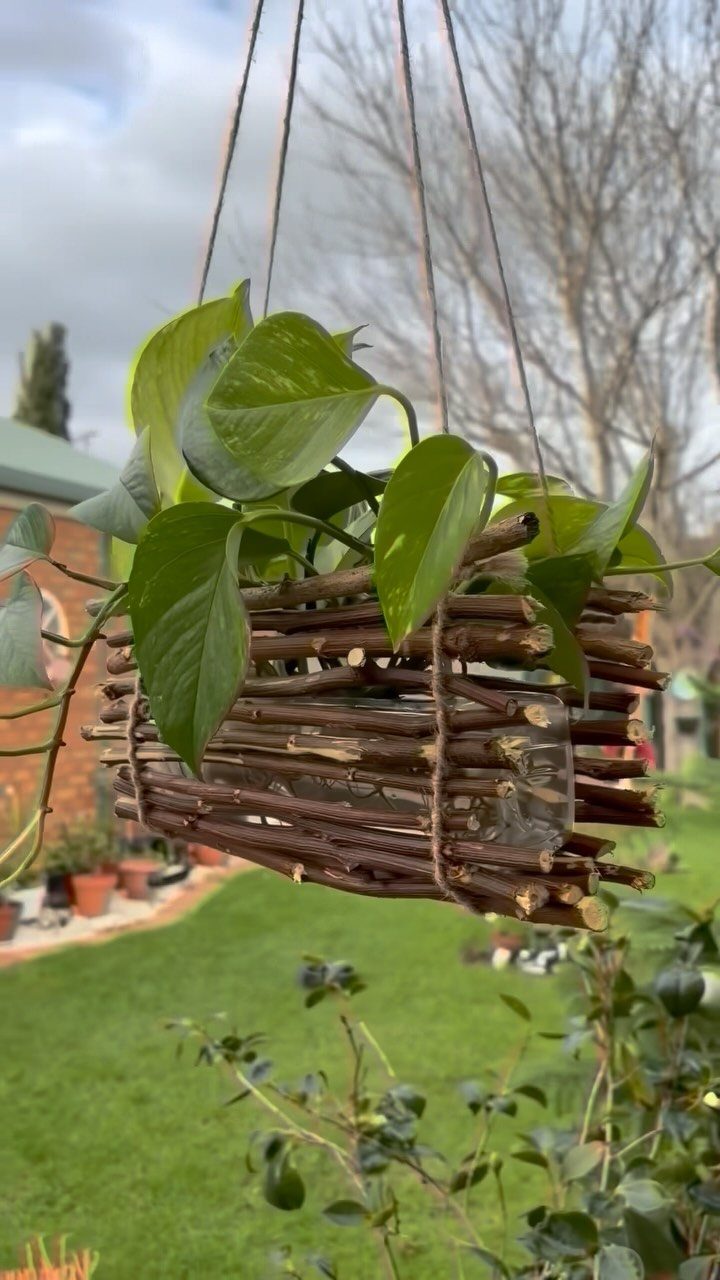
Small sticks bundled and tied with twine make a hanging planter that looks rustic and costs almost nothing if you gather the twigs yourself. A single leafy plant is enough to fill it.
Pick twigs of similar thickness and wrap the twine tightly so the bundle stays snug around the pot.
Hang it from a tree branch or a porch hook where it can swing in open air. I would keep it outdoors, where the natural look fits best.
Lining and Protecting Wood
Plastic sheeting is the cheapest lining for a wooden planter.
Old compost bags work, and small nails hold them to the inside walls. Make the drainage holes before any soil goes in, and cut the plastic over them so water can escape.
Outside wood has 2 main options: a film-style protector such as sealant, waterproof paint or preservative, or a simple wood stain.
Stain sinks into the grain and protects better than paint, which only coats the surface and can peel. Either one will hold up to weather.
Sanding is optional, though a quick pass takes the splinters off and leaves a smoother finish. Coarse sandpaper does the job by hand, or use an orbital sander if you own one.
When the planter is built from new decking, brush end grain protector on every cut end, since raw ends pull in moisture and let the boards warp.
Food-grade mineral oil is cheap and works well for herbs, and plain bare wood is fine too if you accept it will gray over time.
Planter Construction and Drainage
Drill a pilot hole in each piece before driving a screw, so the wood doesn’t split near the end.
Lay out two long and two short pieces to form a frame, and check the corners with a set square. Screw the joints together, then check again before adding the base.
A planter that sits on paving or a deck needs a base under it, so water can drain and the surface stays clear of moisture.
Bottom boards can have gaps up to 5 cm wide, because the liner holds the soil in.
Plan for drainage from the start.
Soil that stays waterlogged rots roots, and it rots the wood, too. Drill holes through the base before lining and filling, and drill more of them in a bigger planter.
Frequently Asked Questions
How do you make a planter out of wood?
Start by sizing the planter to your space, then cut the boards. For the basic box, cut 2 long and 2 short boards, predrill each screw hole so the ends stay intact, and drive screws through the joints to close the frame.
Hold a square against each corner before the base goes on; a frame that’s out of square won’t sit flat. Drill drainage holes through the base, then line and finish the box before any soil goes in.
Do I need to line my planter box?
A liner is a good idea, and it also lets you leave gaps in the bottom boards, up to 5 cm wide.
Plastic sheeting works, and an old compost bag costs nothing. Nail it to the inside walls with small nails, and cut it over the drainage holes so water can escape.
What do you put in the base of a planter?
Put a layer of bulky material such as gravel, broken pots, large stones or broken bricks in the bottom. It gives water room to drain away from the roots.
Lightweight fillers like recycled plastic bottles also work if weight is a concern. Drill the drainage holes in the base first.