
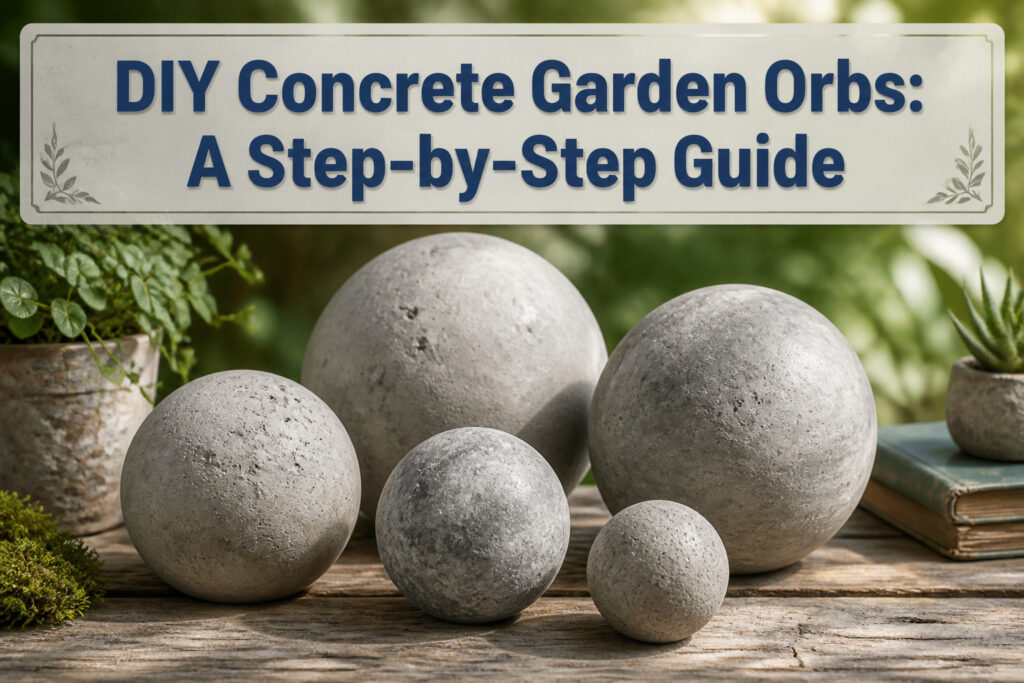
DIY concrete garden orbs are solid concrete spheres cast inside hollow molds, then freed and finished for outdoor display. The catch is weight: a 16-inch orb crosses 100 pounds, so most home projects stop at 6 to 8 inches unless you have help and a permanent spot in mind. Portland cement and water are the only mix ingredients, about $15 for a 94-pound bag that outlasts multiple orbs.
Gather Materials
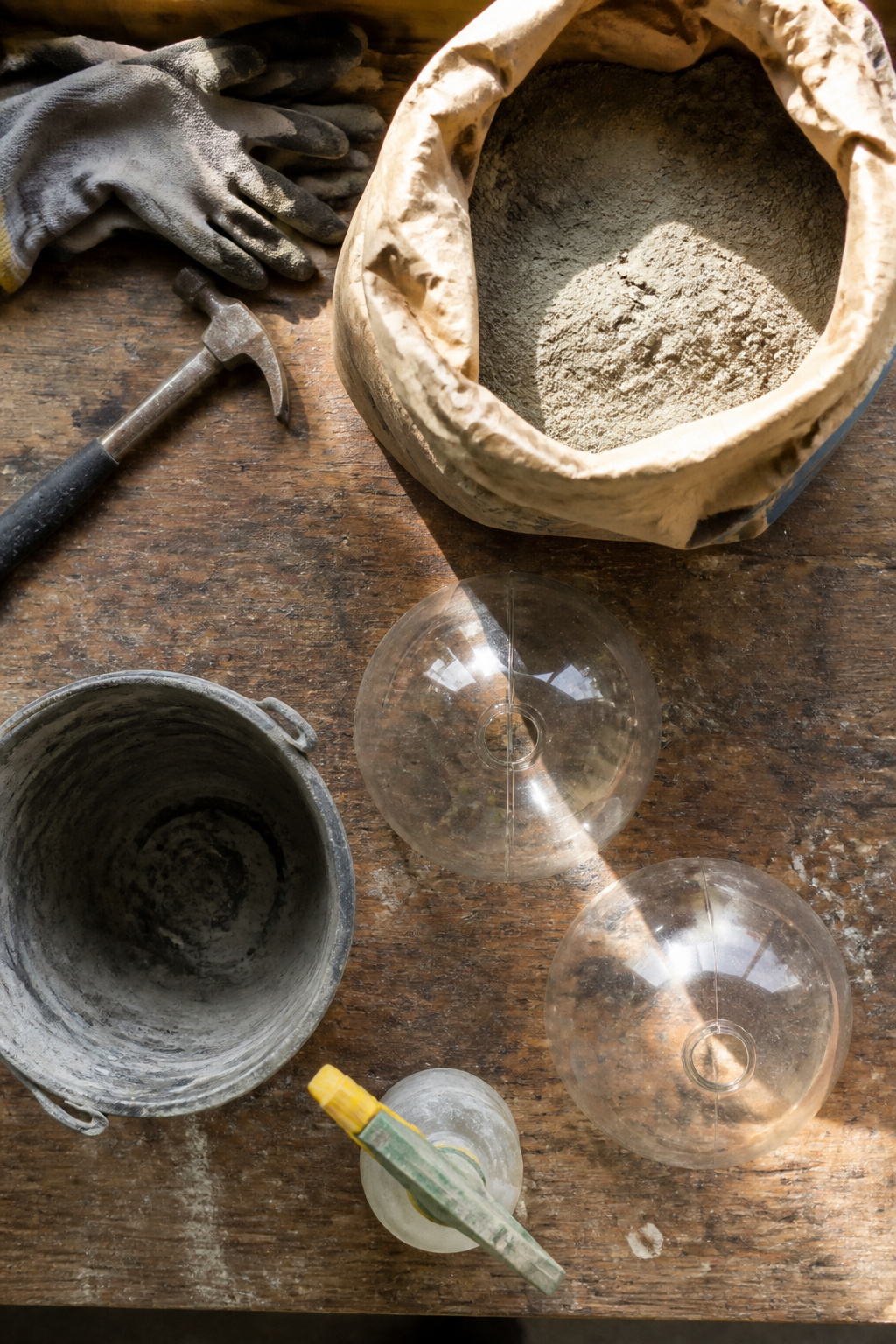
Glass lamp globes from thrift stores are the classic mold for this project, and at a few dollars each they keep the budget honest. The globe’s seam is what you split later with a hammer, so check that it runs cleanly around the middle before you buy. Acrylic globes cost a little more but crack open without the shatter risk, and a globe without a threaded neck demolds far cleaner. For something bigger, a beach ball or playground ball works, though the finished shape stays slightly imperfect.
Portland cement is the active ingredient here, not a pre-mixed bag with sand and gravel already in. A 94-pound bag runs roughly $15 and covers far more than this project. You will also want a mixing container, rubber gloves, spray oil for release, and a hammer plus wire brush for cleanup after demolding. The whole setup for two finished spheres lands around $26, assuming you already own a bucket and basic tools. Eye protection is non-negotiable when you are breaking glass away from cured concrete.

APPLICATION: Create garden decor effortlessly with our reusable concrete mold. Crafted from durable plastic for easy use, it lets you create intricate designs repeatedly, perfect for versatile DIY projects.
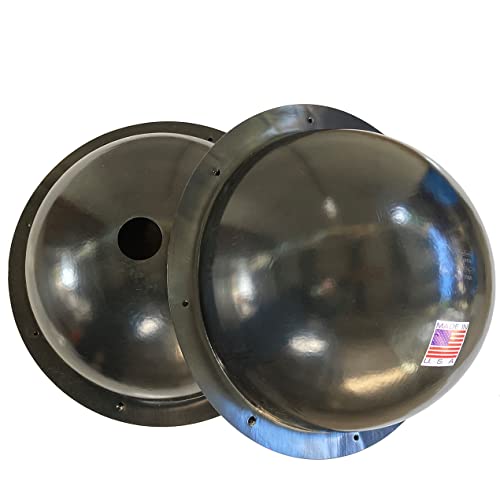
APPLICATION: Create garden decor effortlessly with our reusable concrete mold. Crafted from durable plastic for easy use, it lets you create intricate designs repeatedly, perfect for versatile DIY projects.
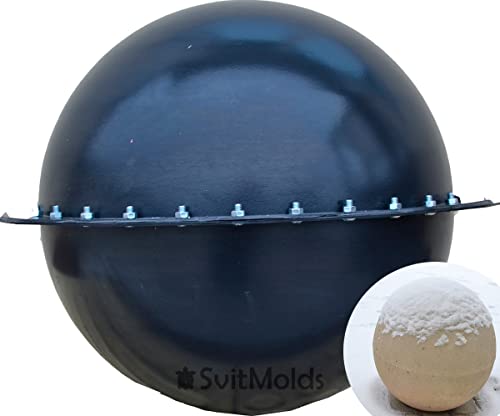
Sold two piece ball (FOTO 2) of multiple mold for making a Concrete ball
Mix the Concrete
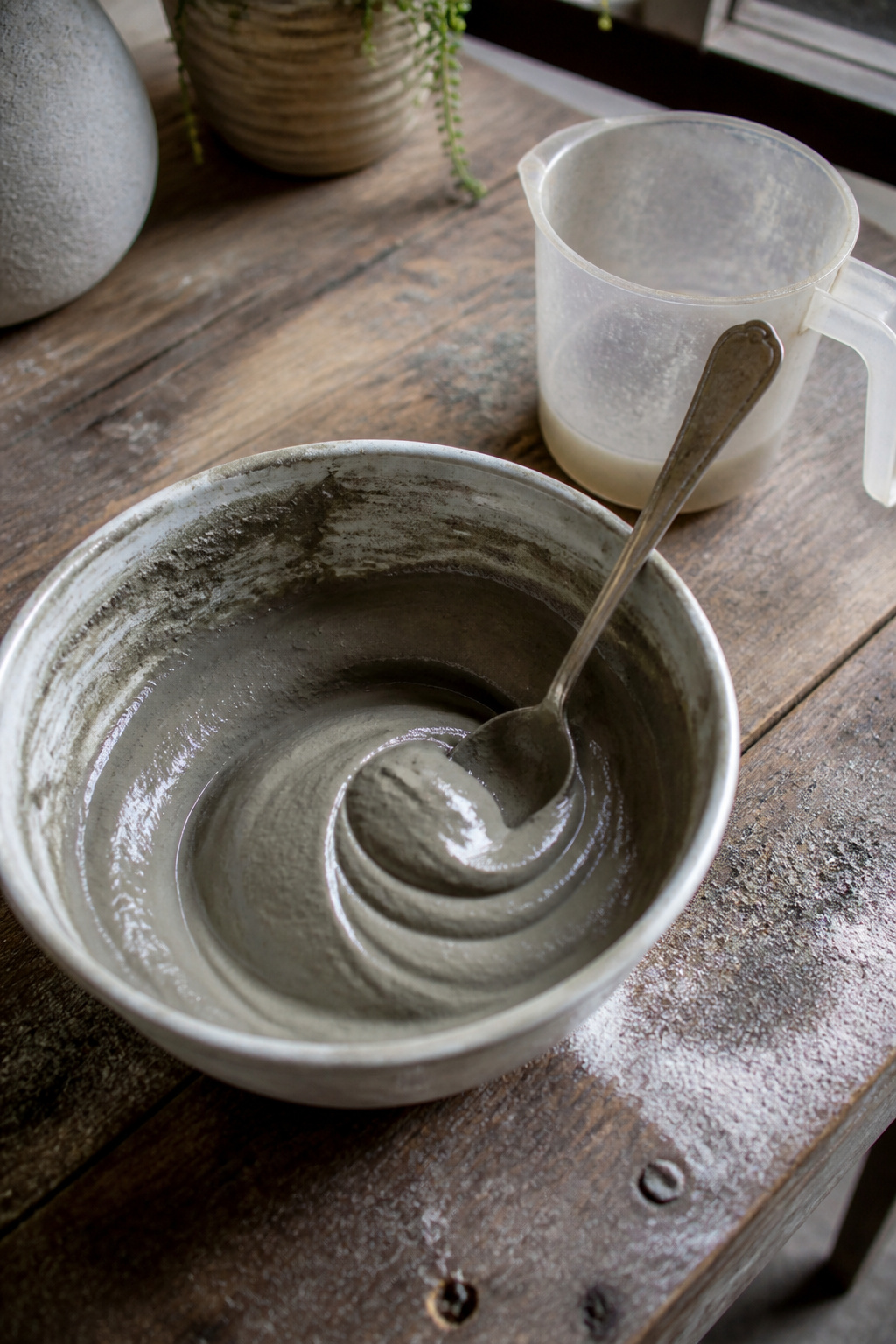
Portland cement and water are the only ingredients here, which keeps the math simple. For a standard 6-inch globe, 8 cups of Cement All and up to 3 cups of water will fill the mold without leaving you short. The "up to" matters more than it sounds like it should. Start with about three-quarters of that water, stir until the powder disappears, then add the rest in small splashes. The mix should look like thick pudding or oatmeal, glossy on top when you stop moving the spoon. Too little water is fixable; too much turns the whole batch soft.
A quick-setting cement speeds the timeline if you are impatient or working in batches. The same ratio holds, but you will have less time to adjust before it starts stiffening. Either way, a concrete mixing paddle on a drill saves your wrist. I have read enough accounts of hand-mixing with a trowel to know it works, and to know it takes a solid fifteen to twenty minutes. The tool is worth pulling out of the garage.

【Perfect Size】2.8- inch base diameter and 6.5 inch height fits most standard kerosene lamps and hurricane lamps. Please confirm hurricane lamp glass replacement size before purchasing to ensure compatibility with your oil lamp replacement parts

Clear Glass: This lampshade is crafted from hand-blown transparent glass with heat-resistance, casting ample light to brighten the entire area

THE RIGHT SOLUTION: 6" Globe with a 3.14" Outside Diameter Fitter Neck. Please measure twice before ordering and message us if you have any difficulties finding the right fixture for your needs. A restock fee will be applied to returns due to measuring the wrong size.
Prepare and Fill the Molds
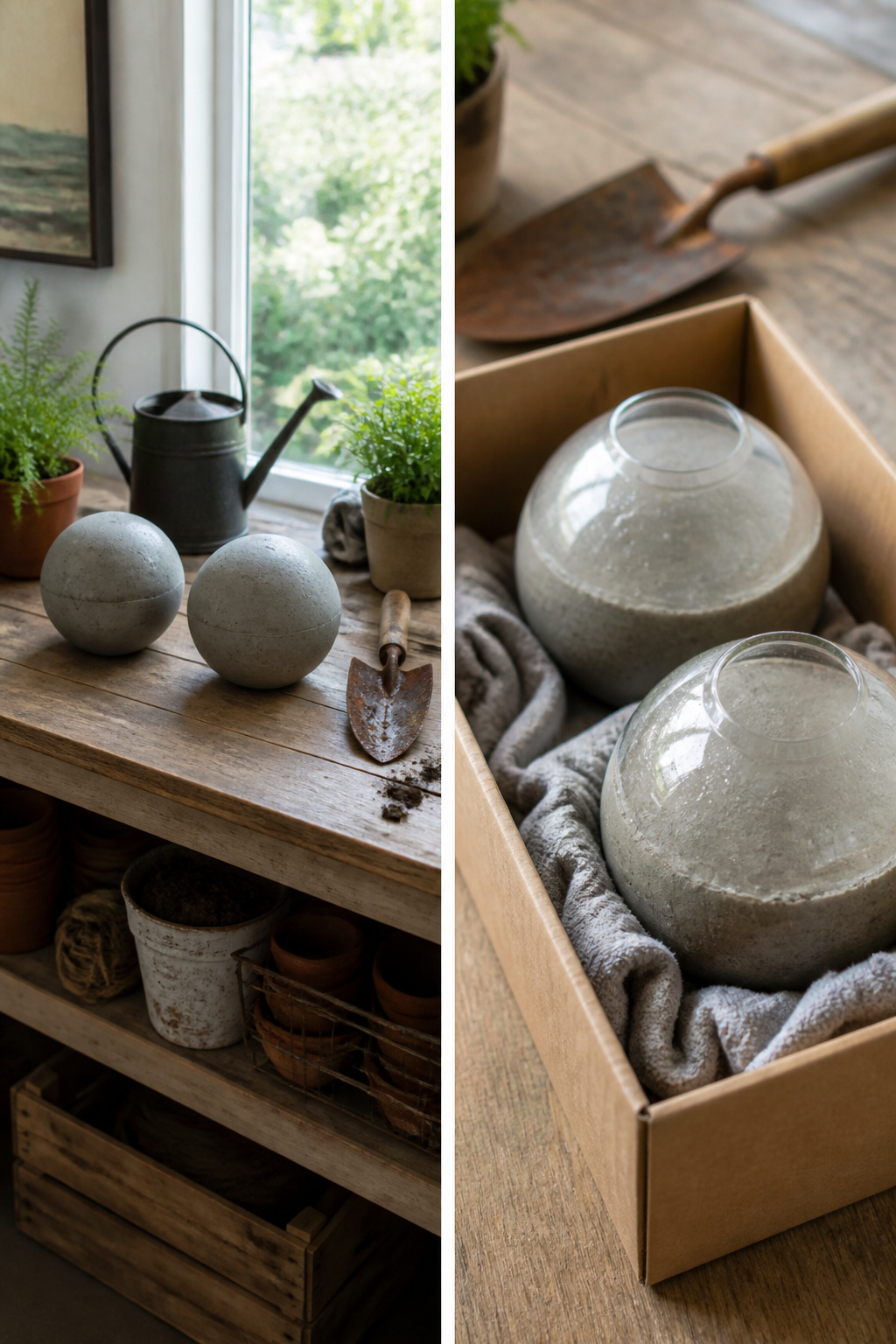
Cooking spray is the only release agent worth the trouble here. A light, even coat across the inside of the globe keeps the concrete from bonding to glass or acrylic alike, and it washes off the finished orb later with plain water. Glass globes look elegant in the mold but demand a gentle hand; acrylic is the safer bet if you are nervous about shards, since it cracks away more predictably and the pieces are not knife-sharp.
Pour the mixed concrete in slowly, letting it settle rather than dumping it. Fill to the shoulder of the globe, not up the neck, or the cured shape will bulge where you wanted a sphere. A little tapping with your knuckles around an acrylic shell drives air bubbles up and out; skip this with glass, since vibration can fracture the mold outright. Once filled, set the globes upright in old towels or a cardboard box to keep them level, slide a plastic bag loosely over each to hold moisture, and leave them in a cool spot. The Portland cement mix needs 48 hours minimum before you even think about breaking it free; rapid-set formulas can come out at 18 to 24, though another full day of rest after demolding helps if you plan to stain.

THE RIGHT SOLUTION: 12" Globe with a 5.25" Outside Diameter Neckless Opening. Please measure twice before ordering and message us if you have any difficulties finding the right fixture for your needs. A restock fee will be applied to returns due to measuring the wrong size.

THE RIGHT SOLUTION: 12" Globe with a 3.91" Outside Diameter Fitter Neck. Please measure twice before ordering and message us if you have any difficulties finding the right fixture for your needs. A restock fee will be applied to returns due to measuring the wrong size.

Modern White Acrylic Replacement Globe with Fitter Neck, 1 pack | UV Resistant
Cure the Orbs
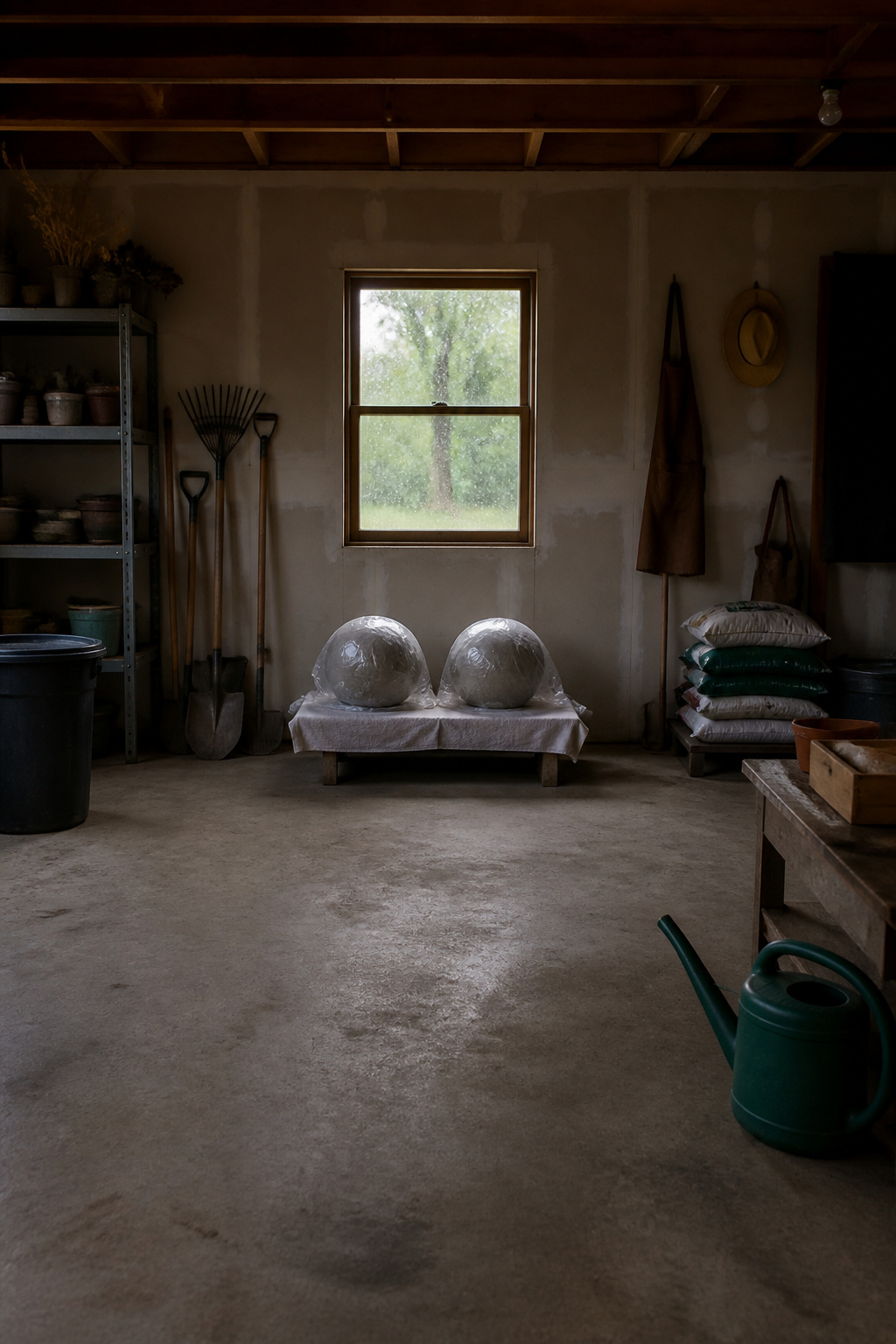
Concrete needs time to become stone, and the wait changes with the mix you chose. Rapid-setting cement firms up in 18 to 24 hours, while traditional mixes can stretch toward two days or more before they are ready for demolding. Temperature and humidity push those numbers around in either direction. A garage in July dries faster than a shaded patio in October, so the 12-hour minimum only applies when conditions are warm and the air is not heavy. I set mine on old towels inside a plastic bag, which slows surface drying and keeps the cure even. If the surface still looks damp or feels soft to a light touch, another half day costs nothing and saves a cracked orb. Some makers mist the concrete during this window to strengthen the final shell, though I have had clean results without that step when the bag traps enough moisture on its own.
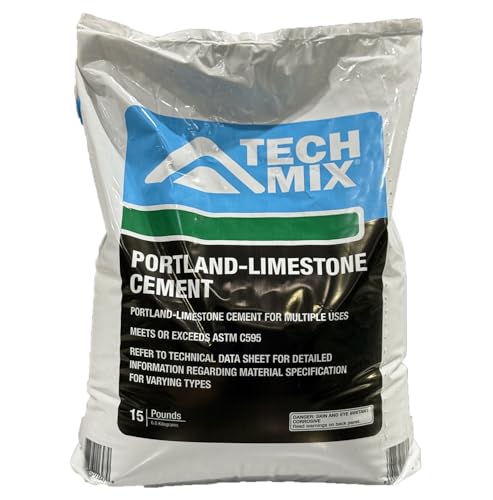
MULTIPURPOSE: Basic building material for crafts, pavement, sidewalks, reinforced concrete buildings, masonry units, and more

Dry powder polycarboxylate superplasticizer makes your concrete more fluid without adding water

WHETHER IT’S YOUR FIRST CAST OR YOUR THOUSANDTH — THIS MIX IS READY WHEN YOU ARE: Beginners struggle with ratios, ingredient sourcing, and unpredictable results. Experienced casters struggle with 100lb bulk bags, inconsistent home blends, and wasted studio time. Highland Hope Creations Ultra White Ready Mix solves both problems in one bag. Open it. Add water. Pour it. That’s it.
Demold and Finish
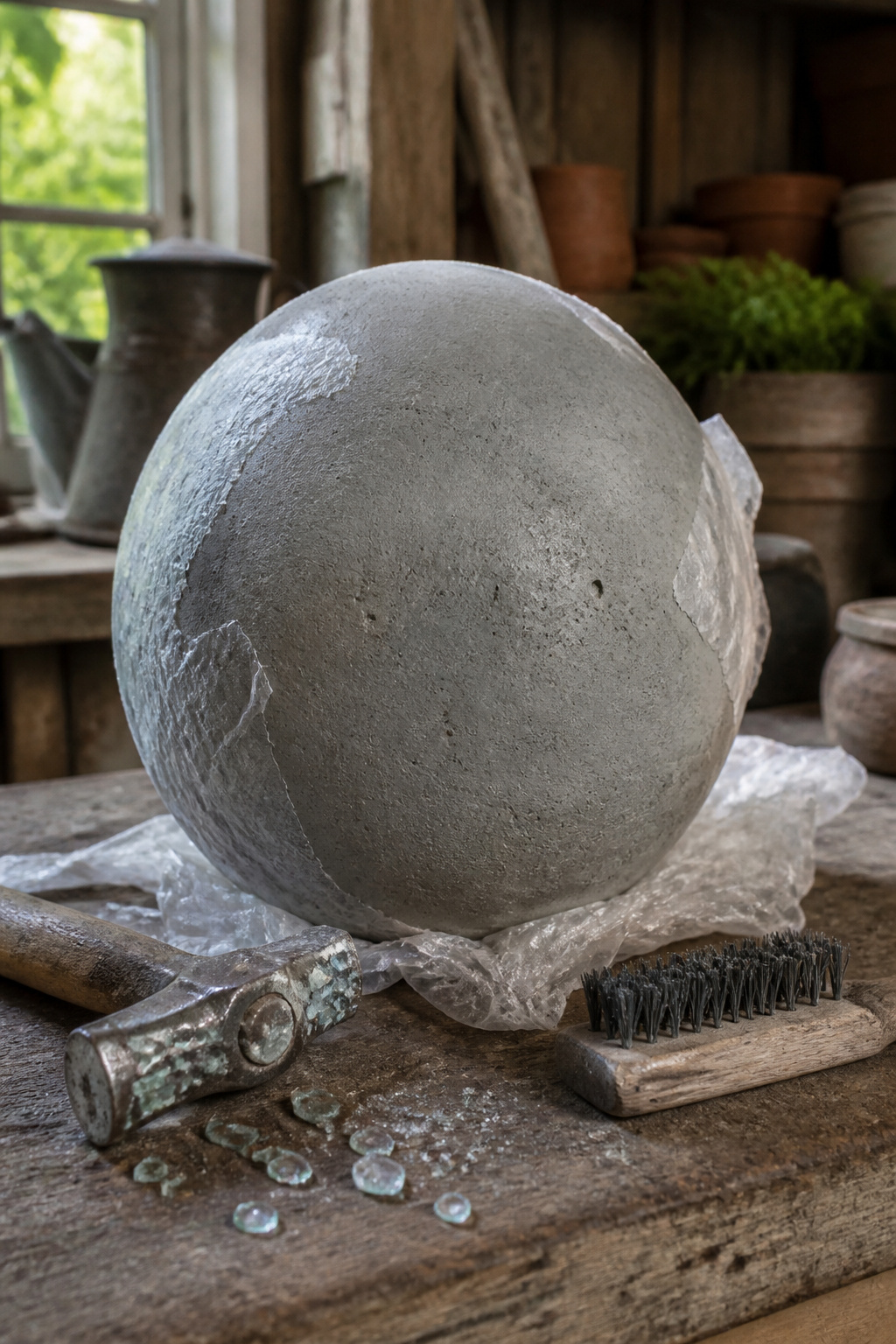
Glass or acrylic, the mold has to come off sometime after a couple of days of curing. I keep the orb inside a bag while I work, which catches most of the flying shards when glass is involved, and I still wear gloves, goggles, and a dust mask every single time. A few taps along the side of a hammer usually cracks glass loose in pieces; acrylic needs a cloth over it and patience starting at the neck, working the seam open until the shell separates. Some glass sticks to the surface no matter what, so a putty knife scrapes those bits free before my bare hands ever touch the thing, because the one time I skipped that step I found the leftover edge the hard way.
A wire brush takes the surface from raw to finished, knocking down protrusions and roughing up anything too smooth for my taste. Filing works for isolated blemishes if the rest of the orb already has the right texture. After that, the concrete is ready to live outside as-is, or it can take color. Water-based wood stain goes on with a foam brush, sits for about three minutes, and wipes back for whatever intensity I want; off-white concrete reads brighter than gray with the same stain. Sealing is optional, though two coats of concrete sealer, brushed on fifteen minutes apart, buys better protection against fading if the orb sits in direct sun all summer.

Heavy Duty Mixer Paddle Drill Bit Allows for Quicker and More Consistent Mixing

1. Optimal Paint Mixer for Drill: The unique 4-blade helix mixing head design ensures a more uniform mixing effect, while the enlarged 2.76” diameter mixing head boosts efficiency by 50% compared to the 2.36”. Perfect for 1-5 gallon buckets, meeting all your everyday mixing needs.

Global Set Paint Mixer: this offering provides 3 pieces paint stirrers for drill ideal for uniformly mixing a variety of substances such as paints, epoxy resins, mud, cement or any other coating or powder compounds with low to medium viscosities
Mold Options Compared
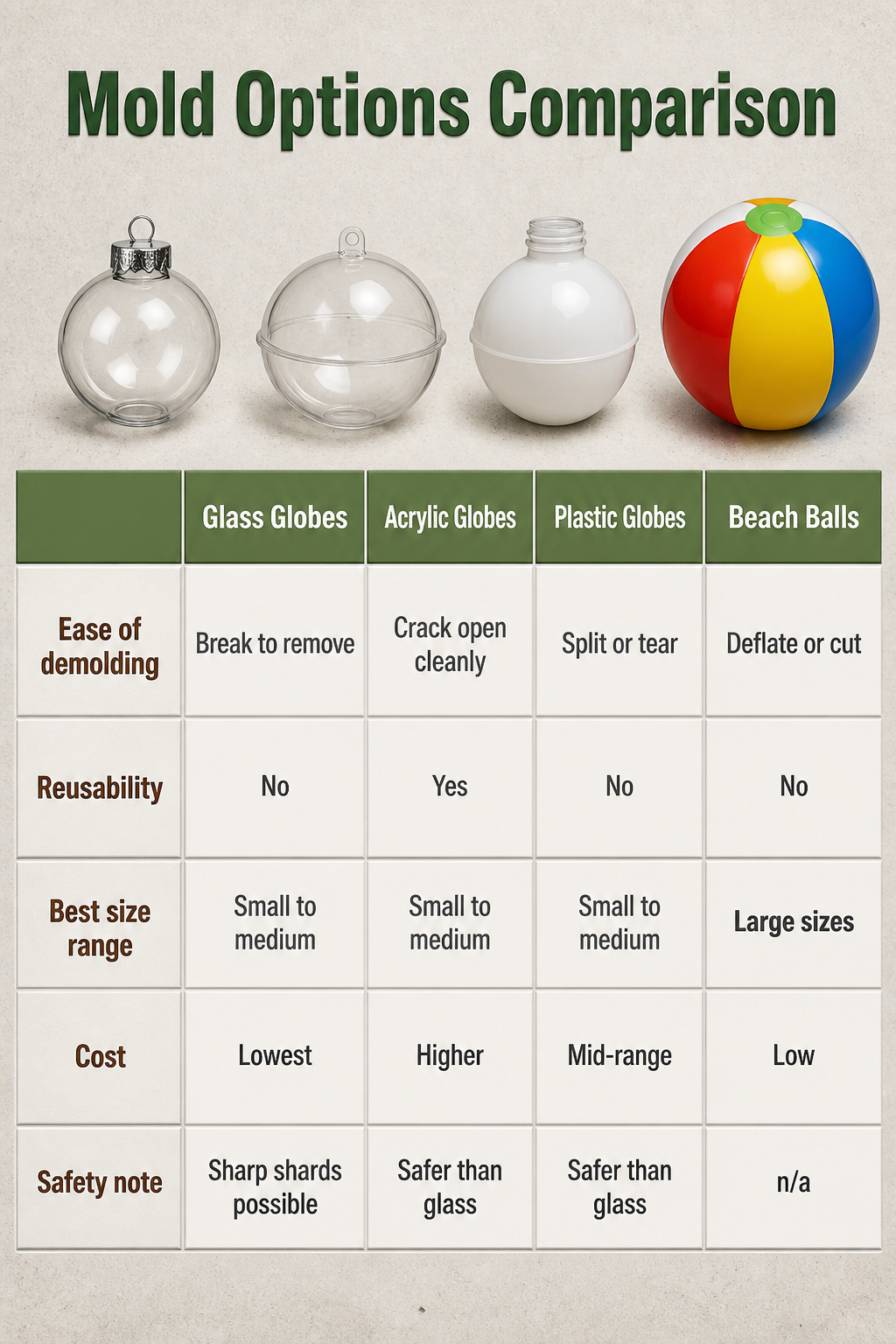
Glass globes cost the least, but the price includes cleanup time and the risk of shards. Acrylic globes run higher upfront and survive dozens of pours if you avoid threaded necks, which trap concrete in the ridges. Plastic globes split somewhere in between, neither reusable nor dangerously brittle. Beach balls scale past the others for anything over 12 inches, though deflation takes patience unless you sacrifice the ball and cut it open.
| Attribute | Glass Globes | Acrylic Globes | Plastic Globes | Beach Balls |
|---|---|---|---|---|
| Ease of demolding | Break to remove | Crack open cleanly | Split or tear | Deflate or cut |
| Reusability | No | Yes | No | No |
| Best size range | Small to medium | Small to medium | Small to medium | Large sizes |
| Cost | Lowest | Higher | Mid-range | Low |
| Safety note | Sharp shards possible | Safer than glass | Safer than glass | n/a |
I started with glass Christmas ornaments on sale, about $15 for enough to make eight orbs. The funnel-sized opening limited me to Portland cement mix, and settling meant topping off after the first pour. The acrylic globe I tried next needed fist-tapping for three minutes to shake air bubbles loose, something glass would not survive. For anything bigger than a bowling ball, the beach ball is the only mold that makes sense, though my cheap streak made deflation harder than it had to be.
APPLICATION: Create garden decor effortlessly with our reusable concrete mold. Crafted from durable plastic for easy use, it lets you create intricate designs repeatedly, perfect for versatile DIY projects.

🌻 This versatile 6-pack includes 6 pcs concrete stepping stone molds in 3 sizes (10", 11", 12.6"), ideal for creating unique garden pathways. The contrasting sizes enable creative layouts to enhance your outdoor decor. Perfect for DIY enthusiasts seeking durable, reusable path makers.

Concrete Mix Choices
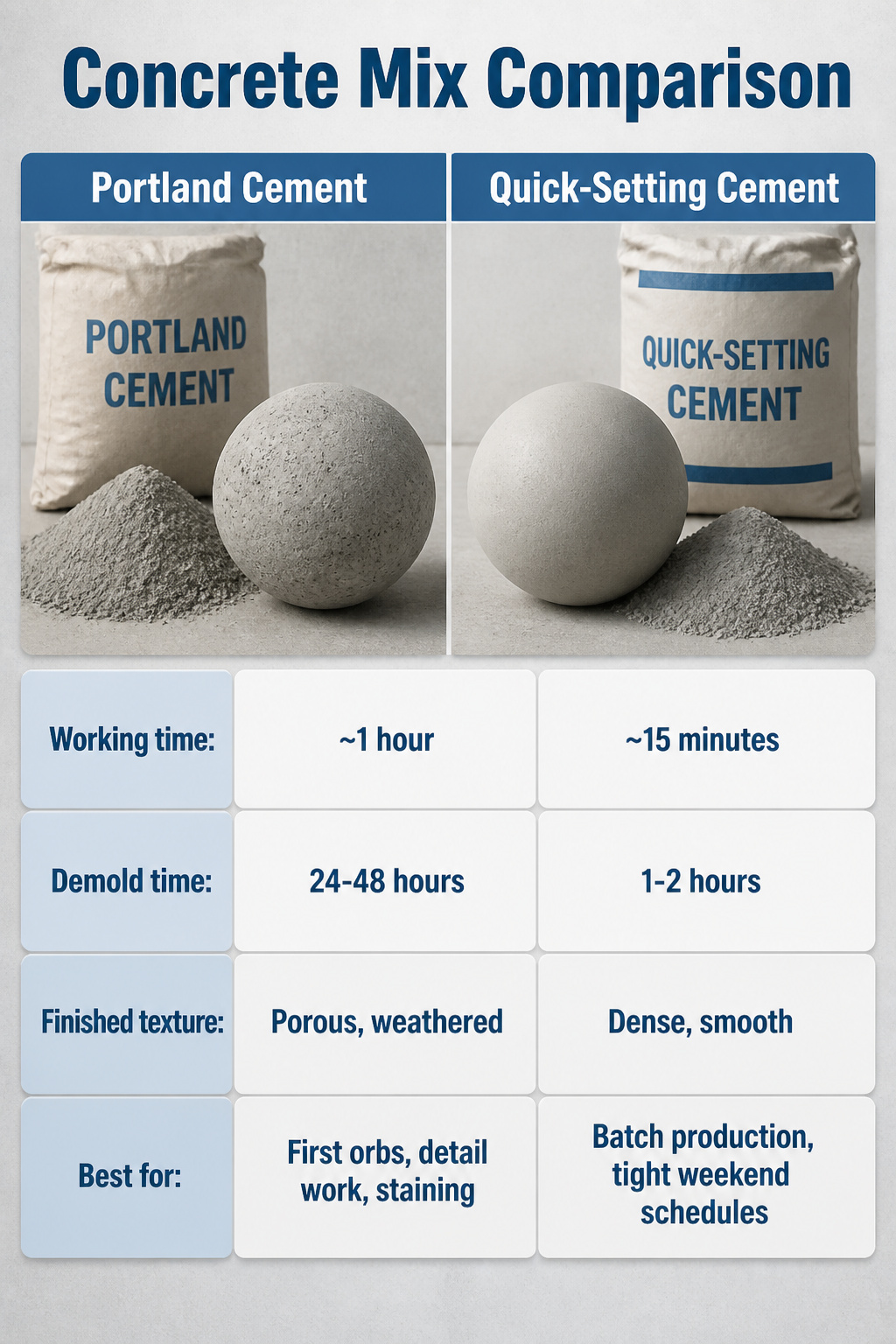
The cement you choose decides whether your afternoon ends with wet gloves or finished orbs. Portland cement gives a generous hour of working time, which matters when you are turning a sphere by hand and patching thin spots. Quick-setting cement shrinks that window to roughly fifteen minutes. The faster cure trades away forgiveness for speed; an orb that sets in two hours can be demolded the same evening, but a rushed patch job dries as a permanent seam.
Surface texture splits the same way. Portland cures slower and leaves more open pores, so the finished orb takes stain and weathering like old stone. Quick-setting formulas pack tighter and read smoother, almost manufactured, unless you grind or acid-wash afterward.
| Portland Cement | Quick-Setting Cement | |
|---|---|---|
| Working time | ~1 hour | ~15 minutes |
| Demold time | 24–48 hours | 1–2 hours |
| Finished texture | Porous, weathered | Dense, smooth |
| Best for | First orbs, detail work, staining | Batch production, tight weekend schedules |
Portland cement is the safer bet if you are mixing only one batch and shaping by feel. Quick-setting pays off when you have multiple molds lined up and a rhythm going, but the cost is real: a stiff mix that goes rubbery mid-sculpt does not forgive a pause to check your phone.
【3 Inch Base】Perfect oil lamp globe replacement,3 inch fitter on base lamp chimney replacement, our high-quality kerosene lamp chimney glass replacement fit most oil lamps, serving as ideal oil lamp replacement glass and kerosene lamp glass replacement to refresh your old or broken oil lamp chimney effortlessly.

Material: The lamp shade is made of tawny alabaster glass with sturdy structure, softening harsh lighting into warm glow

Clear glass utility shade sprayed white on the inside
Sizing and Weight
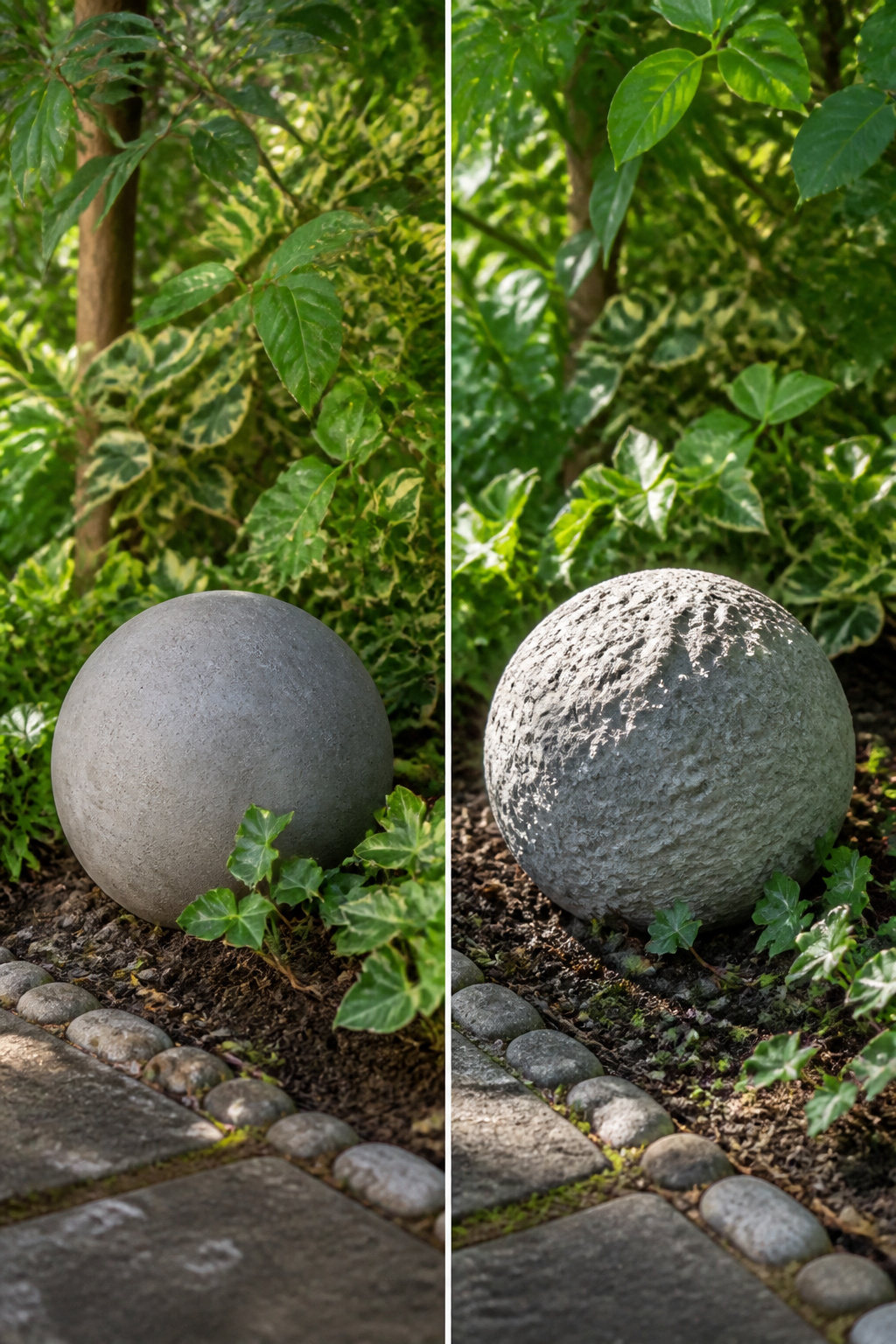
Concrete weight scales fast with diameter. A 6-inch orb is something you can still lift with one hand and tuck under a shrub or line along a path without asking anyone to help. Once you push toward that soccer-to-basketball range, roughly 12 to 16 inches, the same material becomes a two-person lift and a genuine consideration for whatever sits underneath it. A 16-inch orb can weigh north of 100 pounds finished, which rules out perching it on a delicate pot rim or a tiered fountain edge unless you have engineered the base for it.
The sweet spot for most gardens sits in the middle. An 8-inch orb has enough visual presence to read as a sphere rather than a ball, but it still moves without a dolly. I would place the larger sizes only where they stay put: anchoring a bed corner, marking a path junction, or sitting directly on compacted soil where the weight becomes an asset against wind or curious dogs. The smaller ones travel. They stack inside concrete planters, nest at the base of a bird bath, or fill gaps in a flower bed that would swallow anything flatter. One source noted the back-breaking concern of cement weight explicitly, and that worry is justified past the 10-inch mark. If you are renting or planning to take these with you, small wins.

Modern White Acrylic Replacement Globe with Neckless Opening, 1 pack | UV Resistant

THE RIGHT SOLUTION: 6" Globe with a 3.14" Outside Diameter Fitter Neck. Please measure twice before ordering and message us if you have any difficulties finding the right fixture for your needs. A restock fee will be applied to returns due to measuring the wrong size.

THE RIGHT SOLUTION: 10" Globe with a 3.91" Outside Diameter Fitter Neck. Please measure twice before ordering and message us if you have any difficulties finding the right fixture for your needs. A restock fee will be applied to returns due to measuring the wrong size.
Materials at a Glance
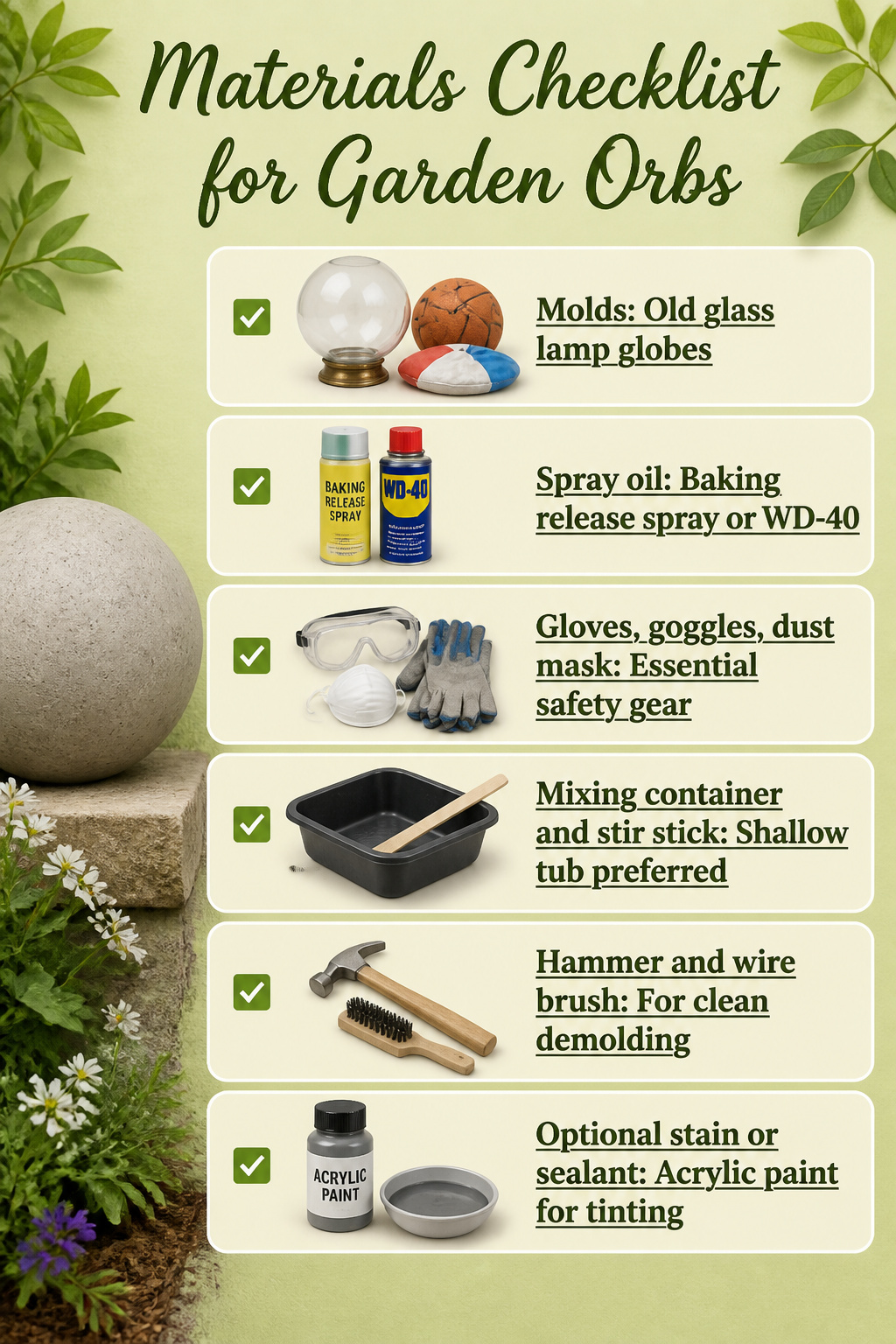
Concrete garden orbs need fewer supplies than most backyard projects, but each item earns its place. Portland cement or Cement All Rapid Set carries the load: the first demands patience, the second sets in about an hour and suits a single weekend. Water quantity depends on your pick; with Cement All, a 6-inch globe takes roughly 8 cups of mix to 3 cups of water, while a 7-inch globe doubles that.
- Molds: Old glass lamp globes from the thrift store give a true sphere; playground balls work but slump slightly. Beach balls or deflatable balls are the cheap fallback.
- Spray oil: Baking release spray or WD-40 keeps the concrete from bonding to glass; any residue washes away after rain.
- Gloves, goggles, dust mask: Portland cement is caustic in the mix and brutal on lungs in the bag. The mask matters most during pour, not just cure.
- Mixing container and stir stick: A shallow tub beats a bucket for hand-mixing. Sources admit they often just used their hands.
- Hammer and wire brush: The hammer breaks away glass or deflated rubber; the wire brush knocks off stubborn bits without gouging the surface.
- Optional stain or sealant: Acrylic paint tints the wet mix if you add it to the water first. I leave mine raw; the gray weathers in faster than any topcoat I have tried.

THE KIT THAT SOLVES BOTH PROBLEMS AT ONCE — FOR EVERY SKILL LEVEL: Beginners struggle with ratios and sourcing the right ingredients. Experienced casters struggle with 100lb bulk bags and inconsistent home blends. This bundle solves both. White Portland Cement Type 1 and premium white quartz silica sand — pre-paired at the proven 2:1 ratio. Open it. Add water. Pour it. That's it.

MULTIPURPOSE: Basic building material for crafts, pavement, sidewalks, reinforced concrete buildings, masonry units, and more

Designed to be added directly to portland cement mixes to make concrete and mortar impermeable to water penetration
What Can Go Wrong
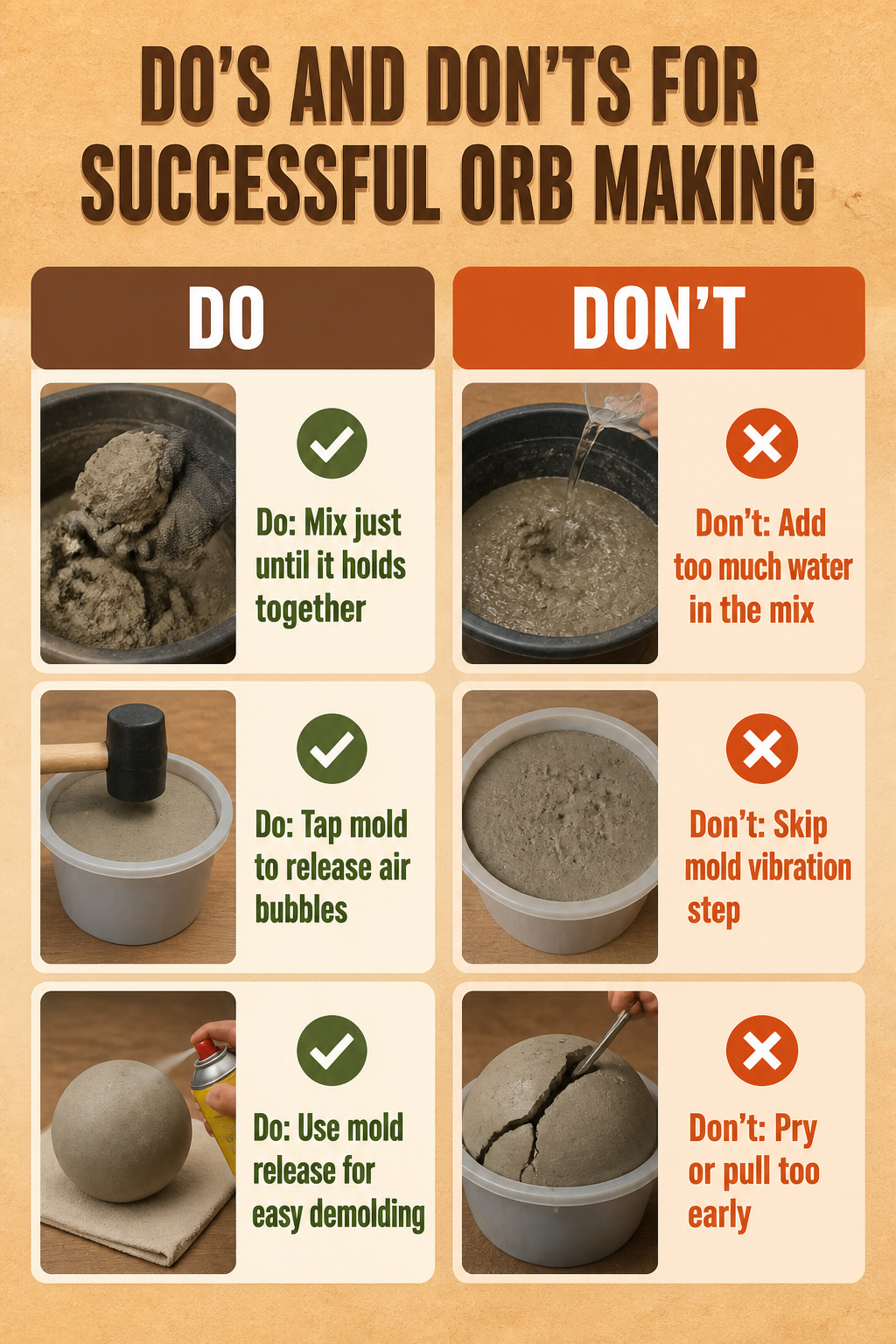
Too much water in the mix is the fastest way to ruin an orb before it even sets. The concrete shrinks as it cures, and excess water leaves it riddled with hairline cracks that widen over a single winter freeze. When I read through project logs, the ones that failed always described a mix that poured like pancake batter instead of thick oatmeal. The fix is simple: add water in small splashes until the mix just holds together, not until it flows.
Uneven surfaces come from skipping the vibration step or doing it half-heartedly. Air bubbles cluster against the mold wall and leave pockmarks where the orb should be smooth. Tapping the sides with a rubber mallet for a full two minutes, rotating as you go, pushes those bubbles up and out. I have seen people tap five times, set the mold down, and wonder later why the orb looks like the moon.
Stuck orbs are the ones that teach you about mold release the hard way. A thin coat of cooking spray or petroleum jelly, wiped so no puddles remain, is the difference between a clean pull and shattering the concrete against the plastic. Breakage during demolding usually means patience failed: concrete needs a full day, sometimes two in humidity, before it can hold its own weight. Prying early snaps the weakest point every time.

For mixing up to 5 lbs. of grout, thinset and other setting materials

VERSATILE APPLICATION: Ideal for mixing paint, plaster, render, cement, jointing compound, and concrete with its helix paddle design
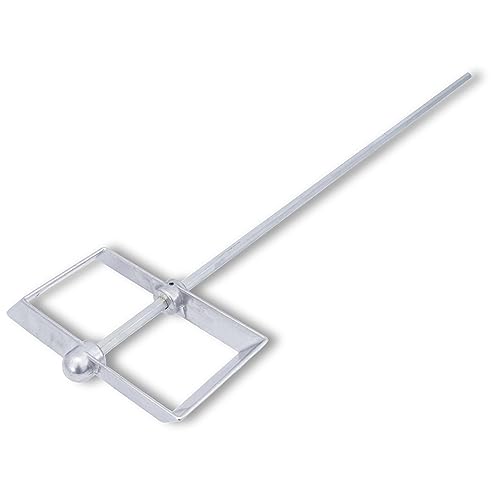
The MARSHALLTOWN Die-Cast Mixer is a versatile tool for stirring and blending various materials such as paint, drywall mud, and concrete products.
Color and Surface Options
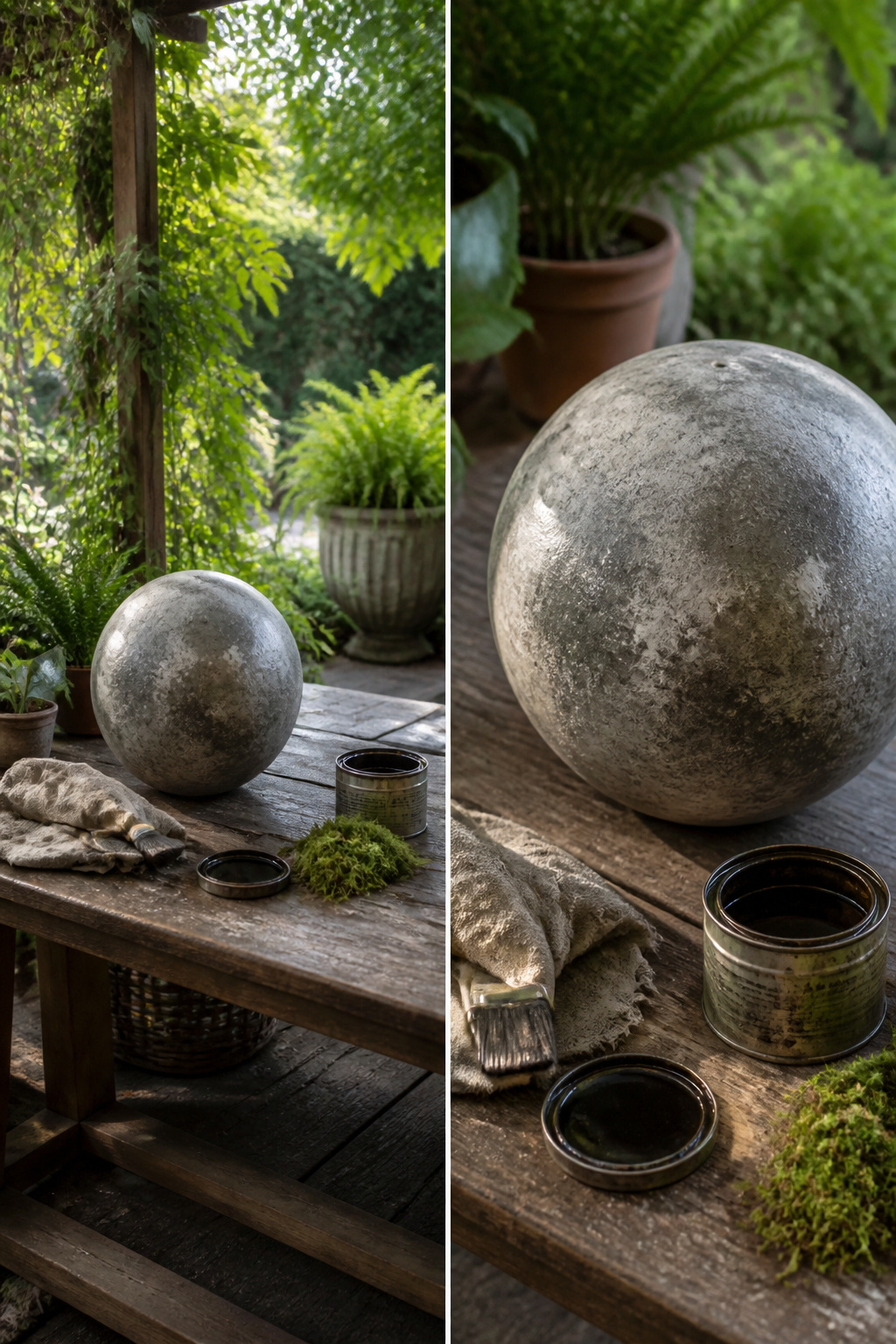
Raw concrete weathers to a soft grey that some people want immediately and others spend money to avoid. Three paths get you there, and only one of them is free.
Mixing acrylic paint into wet concrete tints the whole orb, but the color dulls as the cement cures. For a surface color that stays put, concrete stain soaks in rather than sitting on top. One writer used Varathane wood stain in French Grey on a cured sphere, wiping the excess after three minutes; the same stain on off-white concrete would have read brighter, and grey concrete absorbs it more quietly. Stain fresh from the can gives stronger color than stain left to separate, something I noticed in the side-by-side tests people post. Multiple thin coats beat one heavy one, and a wax finish formulated for exterior use, like Lustra Table-Top wax, outlasts spray clear coat through freeze cycles.
Moss colonizes raw concrete in shade and damp, a look some gardeners seed deliberately. Paint or stain closes that door. The choice is really between controlling the finish and letting time do the work.
After the Orbs Are Done
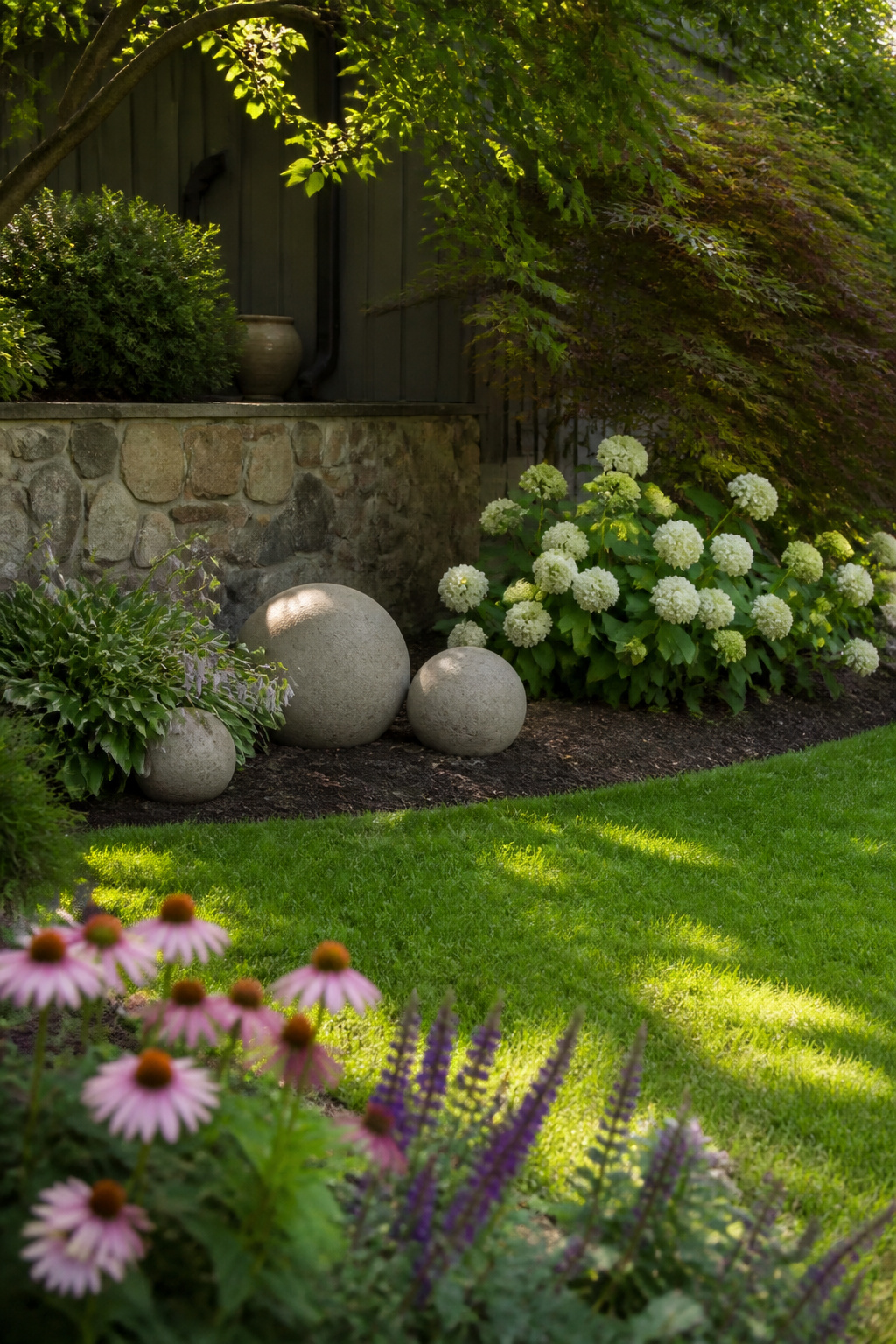
Concrete garden orbs settle in best when you bury the bottom third in soil or mulch so they read as discovered objects rather than placed decorations. I group mine in odd numbers, three or five, with the largest slightly off-center and the smallest tucked near a plant that will eventually spill over it. The spacing should feel accidental: close enough that your eye travels between them, far enough that each one gets a moment alone.
After two winters in zone 7, the surface of my orbs has dulled from that aggressive new-concrete gray to something softer and slightly mottled where rain pools and dries. I do not seal them. The slow weathering is the point, and any flaking has been minor enough that I just brush loose dust away in spring. I shift the smallest orb a foot or two each year when I divide perennials; the others stay put, heavy enough that frost heave has not bothered them.
Frequently Asked Questions
How do you make concrete garden spheres?
Mix Portland cement with water to a thick pudding consistency, pour it into a mold such as a glass or acrylic lamp globe, let it cure for 18 to 48 hours depending on the mix, then break or peel away the mold and brush the surface smooth. The whole project costs around $26 for two finished orbs if you already own basic tools.
What materials do I need to make concrete orbs?
You need Portland cement or a rapid-setting cement mix, a mold like a thrift-store glass lamp globe or acrylic globe, water, a mixing container, rubber gloves, spray oil for release, and a hammer plus wire brush for cleanup. Eye protection is required when breaking glass away from cured concrete.
How long does it take for concrete to cure?
Rapid-setting cement firms up in 18 to 24 hours, while traditional Portland cement mixes need a minimum of 48 hours before demolding. Temperature and humidity shift those numbers, so give it another half day if the surface still feels soft.
Can I color my concrete orbs?
Yes. Acrylic paint mixed into wet concrete tints the whole orb, though the color dulls as it cures. For lasting surface color, apply water-based wood stain with a foam brush, let it sit about three minutes, then wipe back the excess for your desired intensity.
What type of mold is best for concrete spheres?
Acrylic globes are the safer and more forgiving choice because they crack open predictably without dangerous shards, and a globe without a threaded neck demolds far cleaner. Glass globes cost less but carry shatter risk, while beach balls work best for orbs larger than 12 inches.