
Herbs are plants taken as teas, capsules or kitchen staples for specific effects, and the evidence behind them is thinner than their reputations.
The real risk is interactions: ginkgo, ginseng and garlic can all raise bleeding risk or clash with warfarin. A 2019 study also found almost 50 percent of tested products had contamination problems.
Garlic
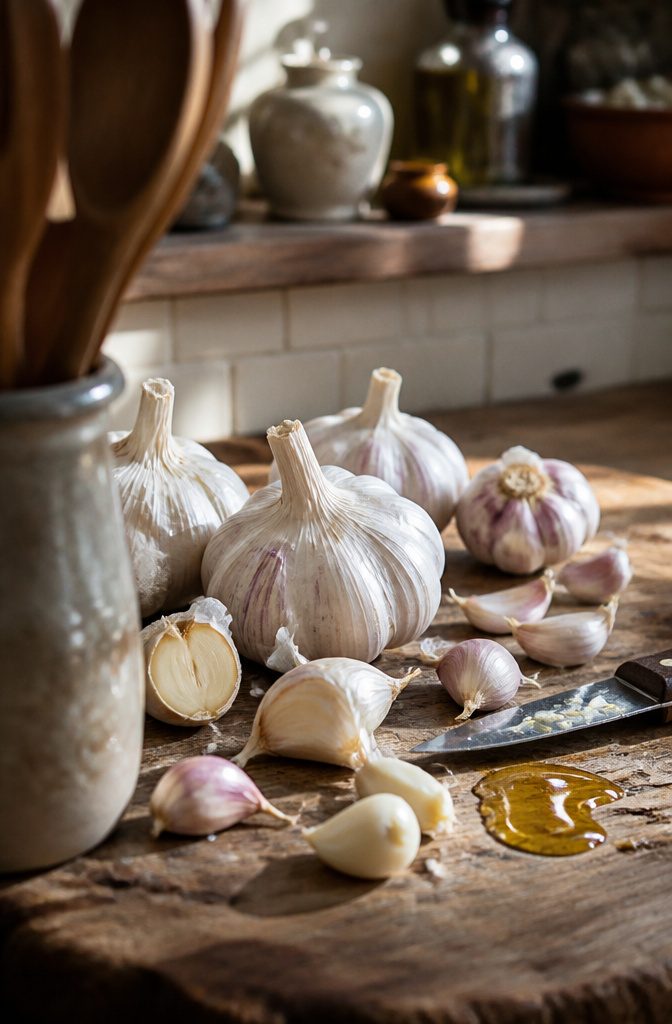
Garlic’s best-known claim is about the heart: lowering blood pressure and cholesterol. The compounds credited are allicin, which is said to block cholesterol production, methyl allyl trisulfide, which relaxes blood vessels, and ajoene, which keeps platelets from clumping.
Results are mixed, though, so I treat it as a kitchen habit, not a treatment.
Claims run bigger for 1–2 cloves daily: a 10–15% drop in total and/or LDL cholesterol, plus 30% lower colon cancer and 50% lower stomach cancer risk. Certainty varies a lot on those, and I wouldn’t lean on the cancer numbers.
Capsules are listed at 2–3 capsules, 3–4 times daily.
Skip garlic supplements and large amounts if you take warfarin, heparin, or NSAIDs, since garlic can raise bleeding risk. Hold back before dental work or surgery too.
Ginger
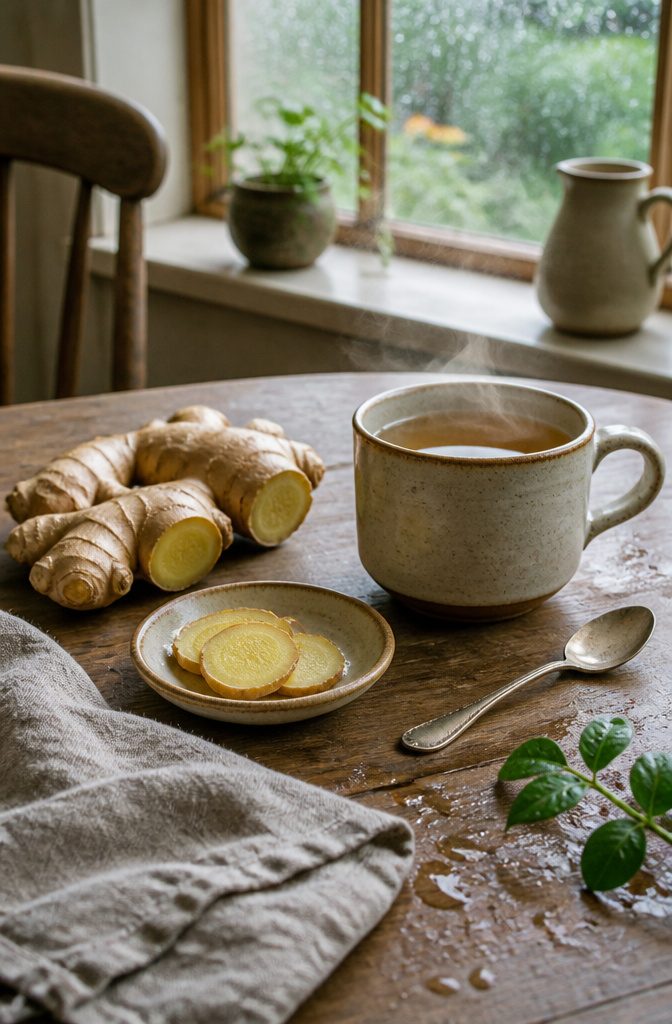
Ginger’s best-supported job is calming nausea, especially motion sickness. Pregnancy nausea and chemotherapy-related nausea are also linked to it, though I’d treat those as questions for your doctor before you start self-treating.
It is also called a strong antioxidant with anti-inflammatory effects, and it is being studied for use around surgery and as an anticancer agent. Those last claims are still research, not promises.
Fresh root, tea and capsules all get used. Fresh root or tea is where I’d start: it costs little and suits an unsettled stomach or gas.
Capsules make sense if you dislike the heat. Expect bloating, gas, heartburn or even nausea if you overdo it, which is an odd result from a nausea remedy.
Turmeric
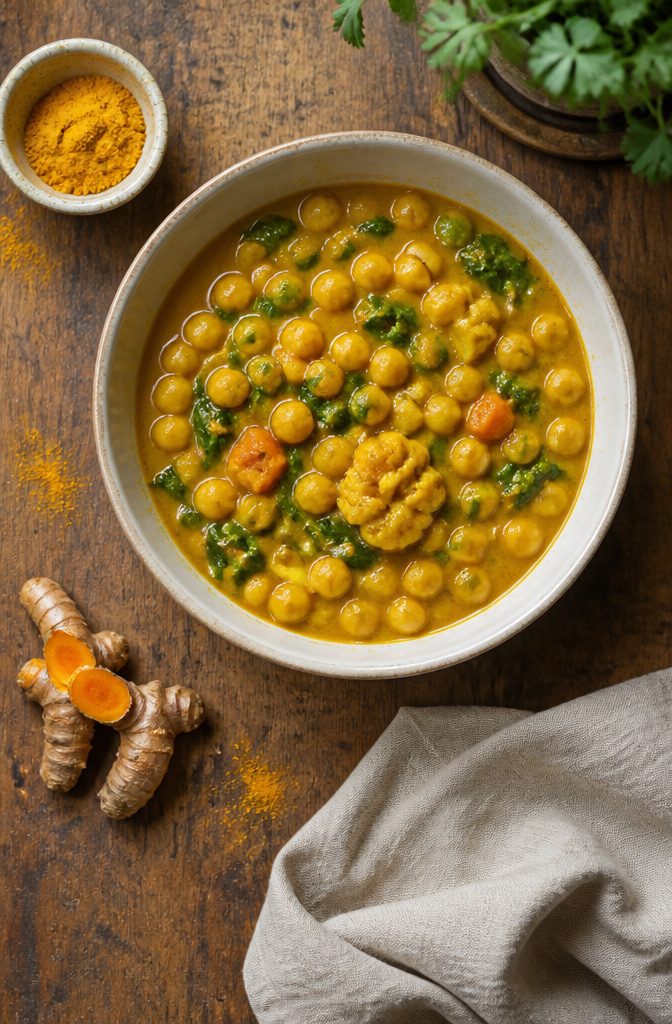
Turmeric is the yellow spice that colors curry, and its reputation rests on two reported effects: anti-inflammatory and antioxidant. Most of that credit goes to curcumin, the compound people point to for easing arthritis and supporting general wellness.
I treat those as reported effects, not settled ones. Early findings on skin benefits, whether taken by mouth or applied topically, still need stronger evidence behind them.
You can get turmeric two ways: cooked into food or swallowed as a capsule. Cooking with it is the easier place to start, since a curry costs you nothing extra and carries no real downside.
Capsules deliver a more concentrated dose, but a claim about arthritis relief deserves a skeptical eye until the science catches up.
Chamomile
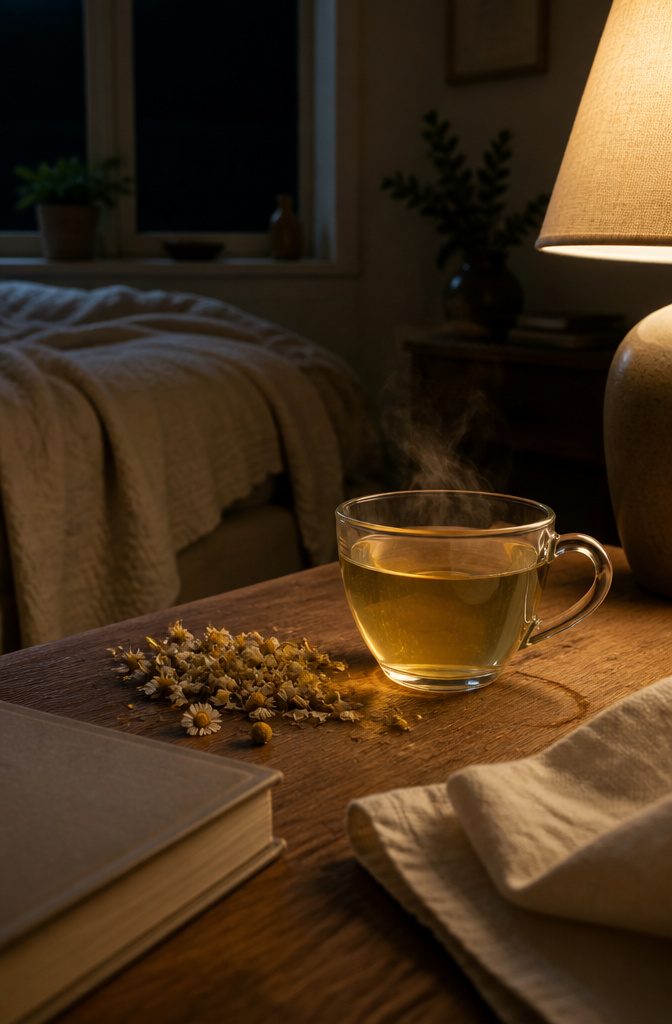
Chamomile is the herb most people reach for at night, and tea is how nearly everyone takes it.
It is traditionally used for calming, easing anxiety and winding down before sleep, and that is a gentle, long-standing use rather than a proven treatment. I would treat a cup as a bedtime ritual, not a fix for real insomnia.
The FDA considers it safe, but chamomile can add to drowsiness if you take other medicines, and it may change how some of them work in your body. Check with a pharmacist before making it a nightly habit.
A compress is the other easy option, and in Europe the herb has been used on wounds and swelling.
Ginkgo
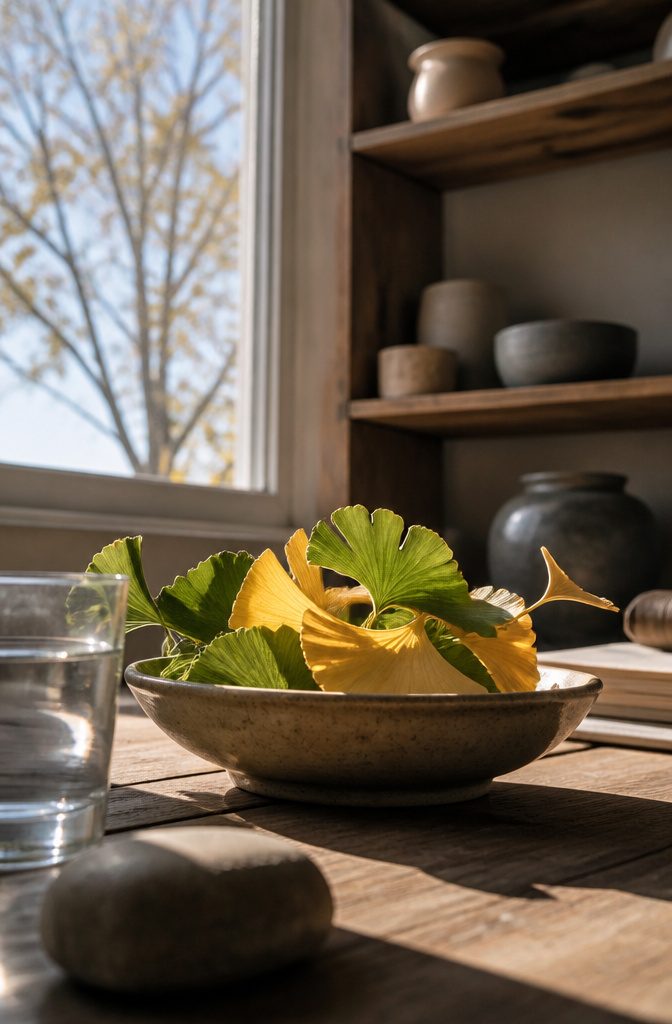
Ginkgo is one of the oldest living tree species, first appearing more than 290 million years ago, and the leaf extract is what people take for memory and cognitive support.
The evidence is modest: some studies suggest it works slightly, and how it works isn’t fully understood. I’d treat it as a maybe, not a fix.
The safety side deserves more attention than the benefits.
Use only leaf extract, never the seeds, which contain ginkgo toxin that can cause seizures and, in large amounts, death. Ginkgo may also raise bleeding risk, so skip it if you take NSAIDs or other blood thinners.
Anticonvulsants and tricyclic antidepressants are on the same do-not-combine list. Check with a pharmacist first.
Ginseng
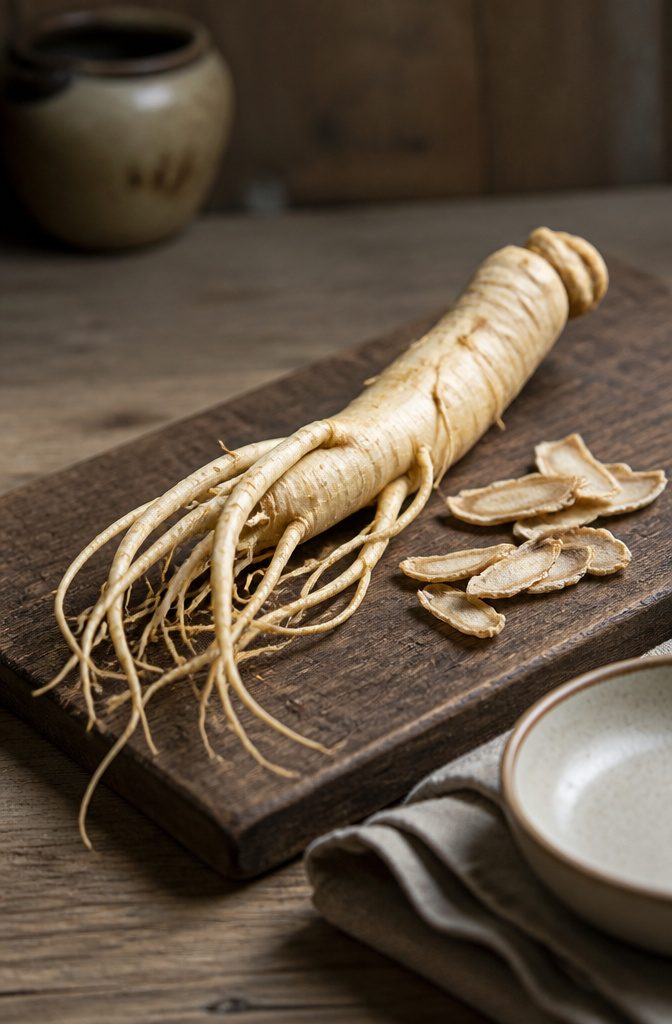
Ginseng’s reputation for energy, sex drive and "balancing" the body is traditional, and that is where most of the claims stop.
Studies on whether it does any of that remain unsettled, so I would not buy it expecting a reliable lift on a tired afternoon.
The cautions are better documented than the benefits. Side effects can include high blood pressure and a fast heart rate.
Skip it if you take warfarin, heparin, NSAIDs, estrogens, corticosteroids or digoxin, and people with diabetes should not use it. The FDA considers it safe, but that rating assumes you are not stacking it on those medicines.
My verdict: a reasonable thing to try for stress support only if your medicine list is clear, and a poor bet if you need a dependable result.
Echinacea
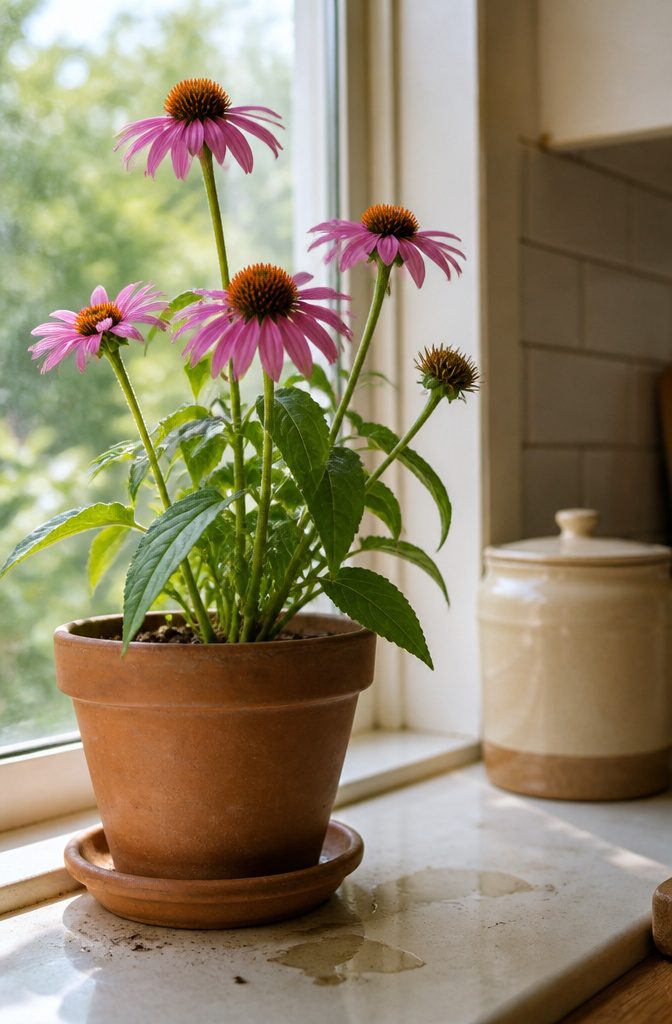
Echinacea is mostly taken to prevent or shorten a cold, and it also turns up in flu remedies and wound care.
The studies on colds have not agreed. Some show a modest benefit for upper respiratory infections, others show little, so I treat it as a maybe rather than a sure thing.
Duration matters more than brand.
Long-term use can affect the immune system, so keep echinacea to short stretches, not a daily habit. If you take any medication, ask your pharmacist or doctor about interactions first.
One more check before buying: echinacea belongs to the daisy family. Anyone who reacts to ragweed, chrysanthemums, marigolds or daisies could react to it too, and for those people I would skip it.
Milk Thistle
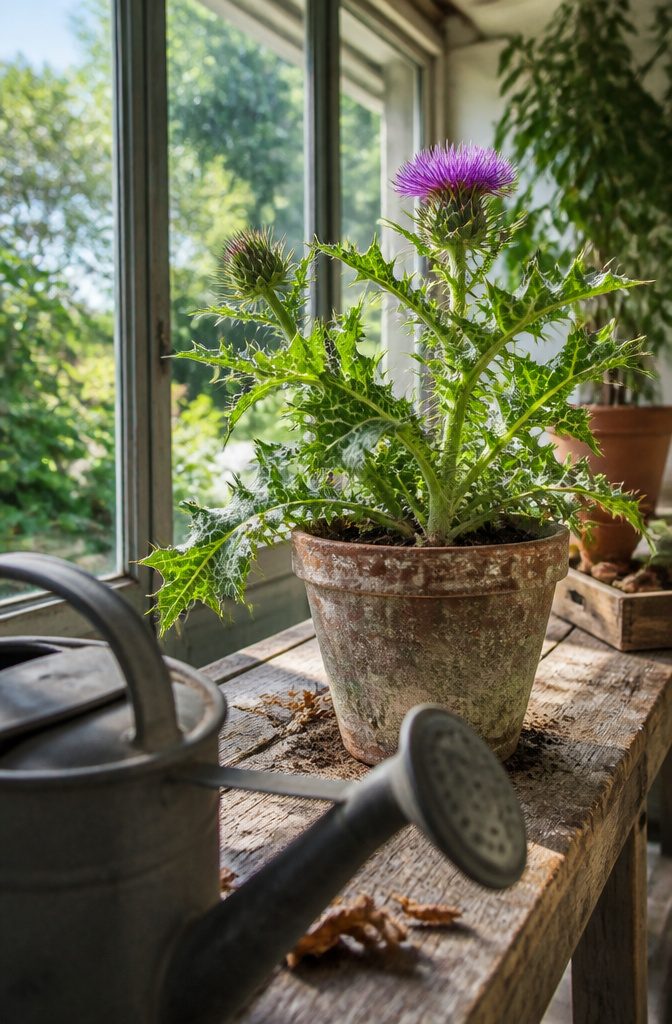
Milk thistle is a flowering plant related to the daisy, with purple blooms and white-veined leaves, and its extract is rich in silymarin, an antioxidant compound. Liver support is the reason most people buy it.
Traditional Western herbal medicine has used it to protect the liver and to support bile production and flow from the liver and gallbladder. It is also taken for high cholesterol and to slow the growth of cancer cells.
Study results on whether it helps liver disease are not clear, so I treat it as a long-used herb with an unsettled evidence picture, not a proven fix.
If you already have a liver condition, ask your doctor before spending money on it. A supplement should not stand in for treatment.
St. John’s Wort
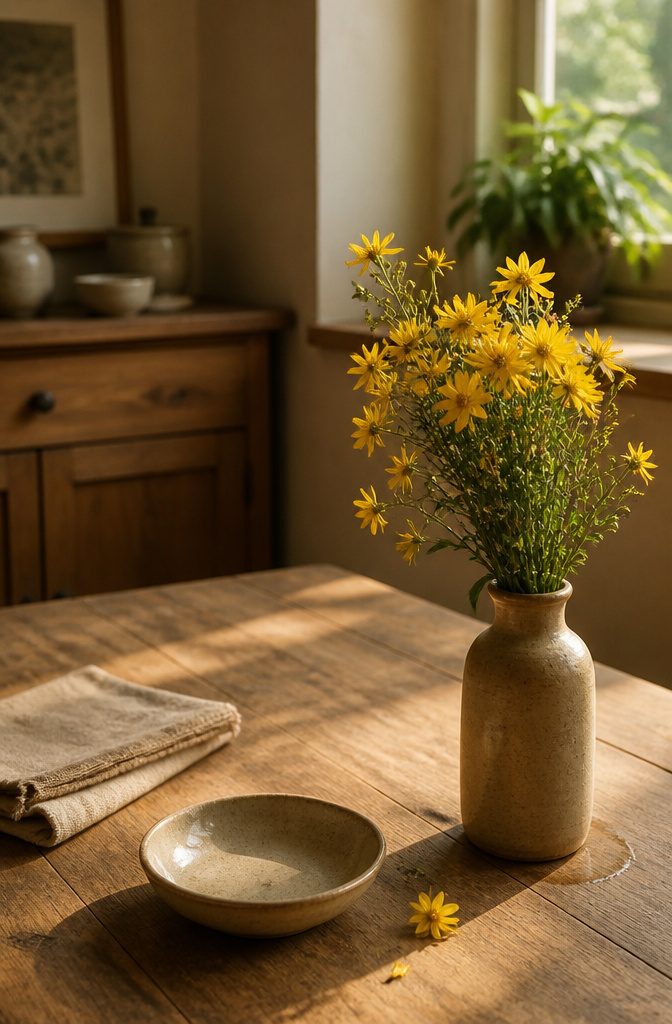
St. John’s wort is the yellow-flowered herb people reach for when their mood runs low, and it has a long record: it goes back to the ancient Greeks.
It can help with mild to moderate depression, while results for severe depression are unclear. It has also been used for premenstrual mood swings and mild anxiety.
The interactions are the reason to slow down.
It can clash with warfarin, digoxin, tricyclic antidepressants, corticosteroids and estrogens, sometimes dangerously. High doses can also make skin sensitive to light.
Ask a doctor or pharmacist before the first dose, especially if you take any prescription. A mood herb is still an active one.
Valerian

Valerian (Valeriana officinalis) is the herb I’d look at first for sleep trouble and nerves.
It’s used for both insomnia and anxiety, and it’s one of the most widely studied herbs, with work done in humans and animals in Germany and Russia.
As a sleep aid, though, the results are mixed, so expect a maybe, not a guarantee.
Reported use is 2–4 capsules daily, taken by mouth.
That’s what’s described, not a dose I’m recommending. The same reports claim no known side effects, a claim I’d treat with caution for any herb.
Because valerian can lower blood pressure and acts as a sedative, check with your healthcare provider before you start, especially if you already take medication.
Evidence Varies by Herb
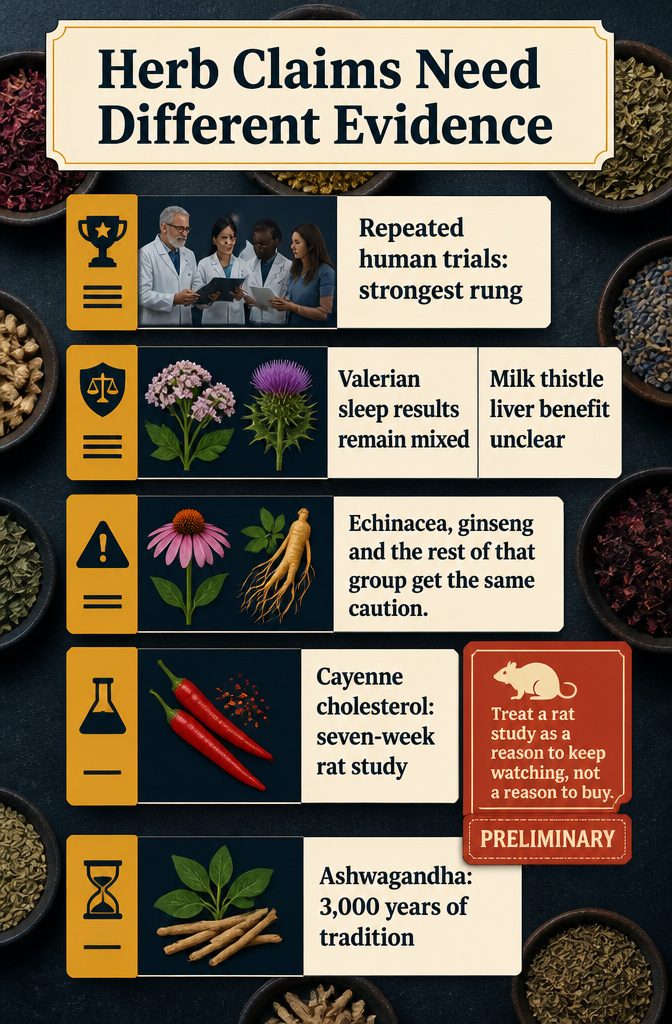
Claims about herbs sit on a ladder, from "people have used this for generations" at the bottom to repeated human trials at the top.
Valerian and milk thistle show the middle rungs: valerian may help sleep, but results are mixed, and milk thistle’s benefit for liver disease is still unclear. Echinacea, ginseng and the rest of that group get the same caution.
Cayenne sits lower down.
The study behind its cholesterol claim ran seven weeks in rats, which makes it a lead, not proof for people. Treat a rat study as a reason to keep watching, not a reason to buy.
Ashwagandha has the longest résumé, at least 3,000 years in Ayurvedic practice, plus small trials on stress and muscle strength.
I still weigh that history as cultural context, not as evidence it works, and a product label that leans on tradition alone has told you nothing about effectiveness.
Safety, Interactions and Quality
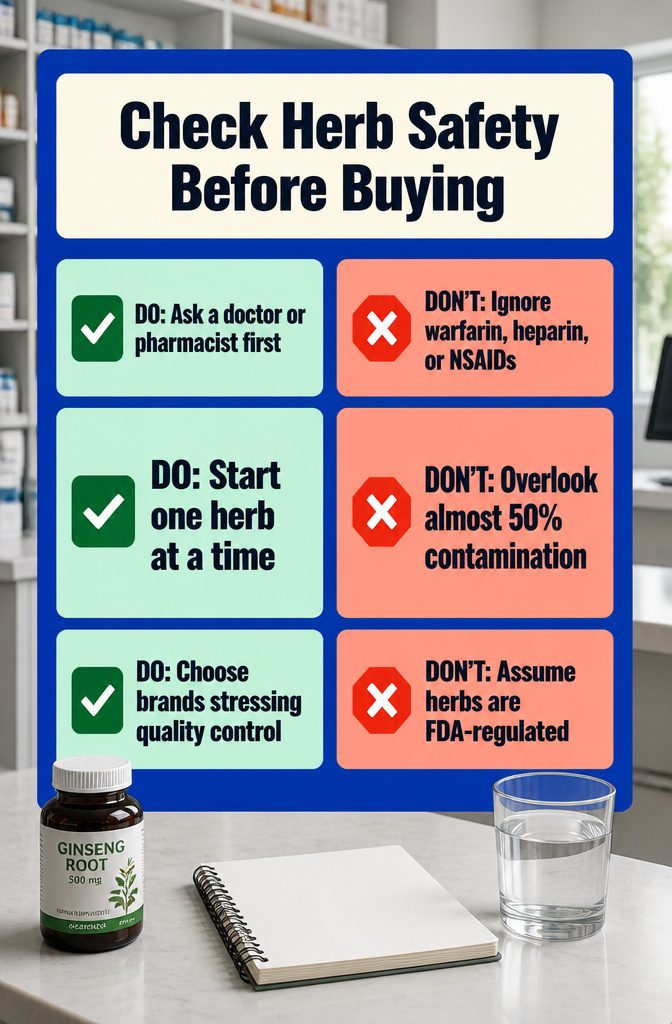
Natural does not mean risk-free, and a few points are worth checking before any herb goes in your cart:
- Talk to a doctor or pharmacist first if you take medication, live with a chronic condition, or are pregnant or nursing.
- Blood thinners are the biggest flag: warfarin, heparin and NSAIDs all show up on interaction warnings for herbs like ginseng.
- Start with one herb at a time, in a small amount, and stop if something feels off.
- A 2019 study found almost 50 percent of tested herbal products had contamination issues in their DNA, chemical makeup, or both.
- Some Ayurvedic preparations can contain arsenic, mercury or lead.
- The FDA does not regulate herbs like medicines, so the label is mostly the maker’s word. I’d pick brands that stress quality control, or buy through a qualified practitioner.
Frequently Asked Questions
What are some common herbs and what are they used for?
Common medicinal herbs include garlic, ginger, turmeric, chamomile, ginkgo, ginseng, echinacea, milk thistle, St. John’s wort and valerian.
Garlic is linked to heart health, ginger to nausea, chamomile to winding down at night, and valerian to sleep and nerves. Evidence varies a lot from herb to herb, so treat most uses as reported rather than proven.
What are the top 10 medicinal plants and their uses?
The 10 covered here are garlic (heart health), ginger (nausea), turmeric (inflammation and antioxidant claims), chamomile (calming), ginkgo (memory), ginseng (energy), echinacea (colds), milk thistle (liver support), St. John’s wort (mild to moderate low mood) and valerian (sleep and anxiety).
Ginger for nausea is among the better-supported uses, while many of the others have mixed or unsettled results. Several interact with common medicines, so check with a doctor or pharmacist first.
What are some common Ayurvedic ingredients?
Ashwagandha has at least 3,000 years of use in Ayurvedic practice plus small trials on stress and muscle strength, but that history is cultural context, not proof it works. Turmeric’s reported effects, such as easing arthritis, still need stronger evidence.
What are the benefits of Ayurvedic proprietary medicines?
Followers of Ayurveda say these medicines protect against disease, support mental health and aid digestion, but the evidence is only partial.
Some preparations can also contain arsenic, mercury or lead. Talk with a doctor before using them, and choose brands that stress quality control or buy through a qualified practitioner.