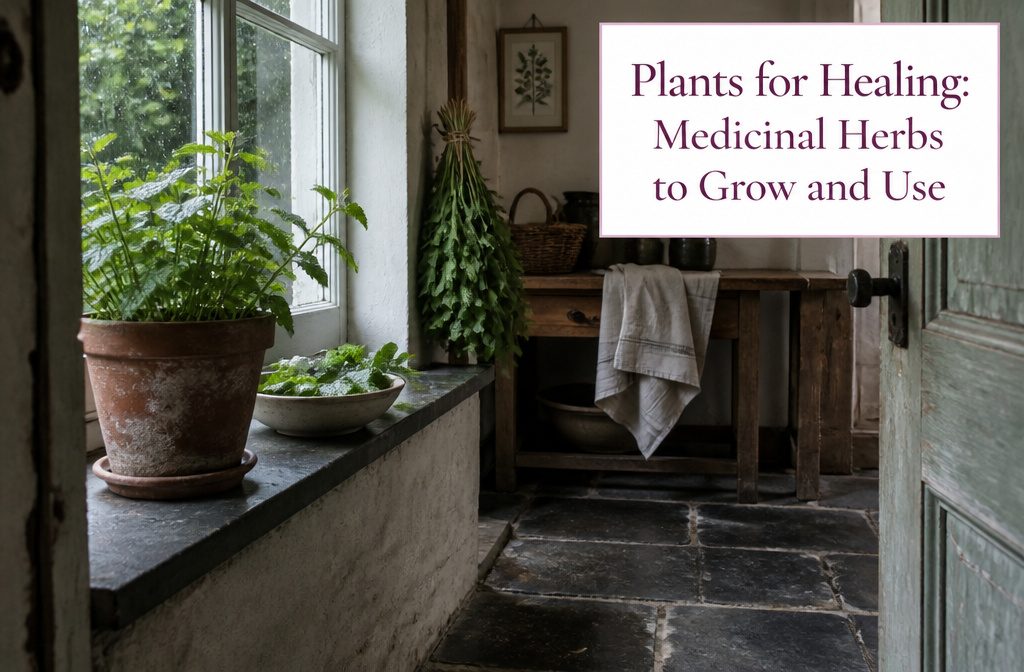
Plants for healing are herbs, flowers, roots, and even lawn weeds used as teas, salves, poultices, and food for everyday complaints like nausea, bites, burns, and poor sleep.
Most of the evidence is tradition or early research, and some are risky: garlic thins the blood, and nettle must never be eaten raw.
Calendula
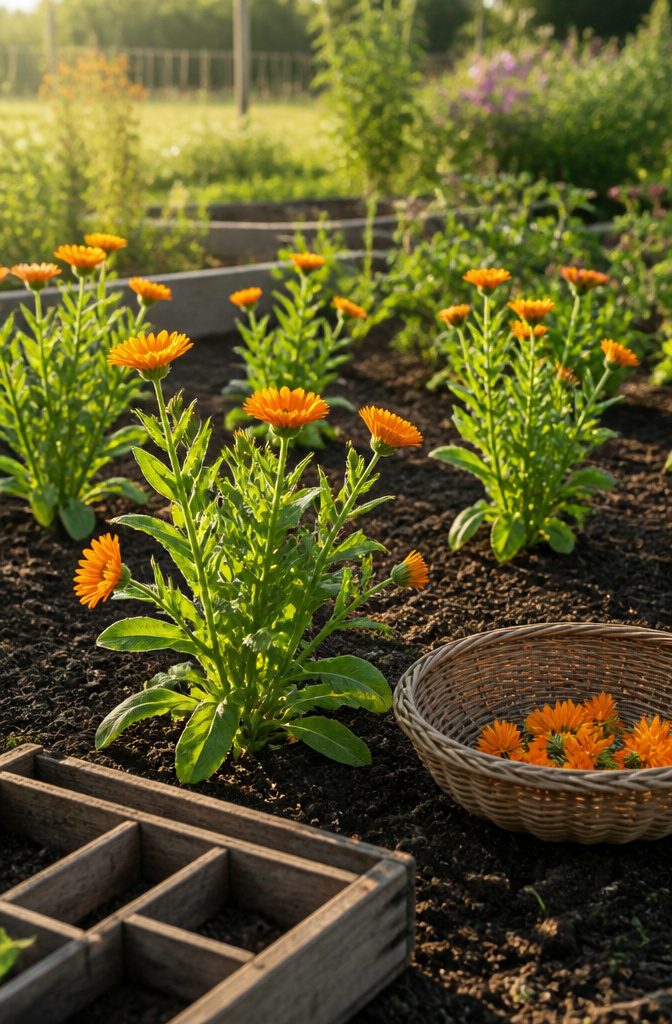
Calendula is the plant I’d put first on any skin-care shelf: the flowers go into oils and salves for wounds, rashes, burns, and dry skin, and it’s the herb most likely to turn up in diaper rash ointments.
Start seeds indoors 6 weeks before your last frost; the seedlings tolerate some cold. Give them full sun and average garden soil, with 10–14 inches between plants, since they reach about 18 inches tall.
Pick the sticky flowers every 2 to 3 days to keep blooms coming.
It usually self-sows unless you mulch heavily, and it’s treated as an annual in most gardens. Don’t confuse it with ornamental marigold; it’s a different plant.
Chamomile
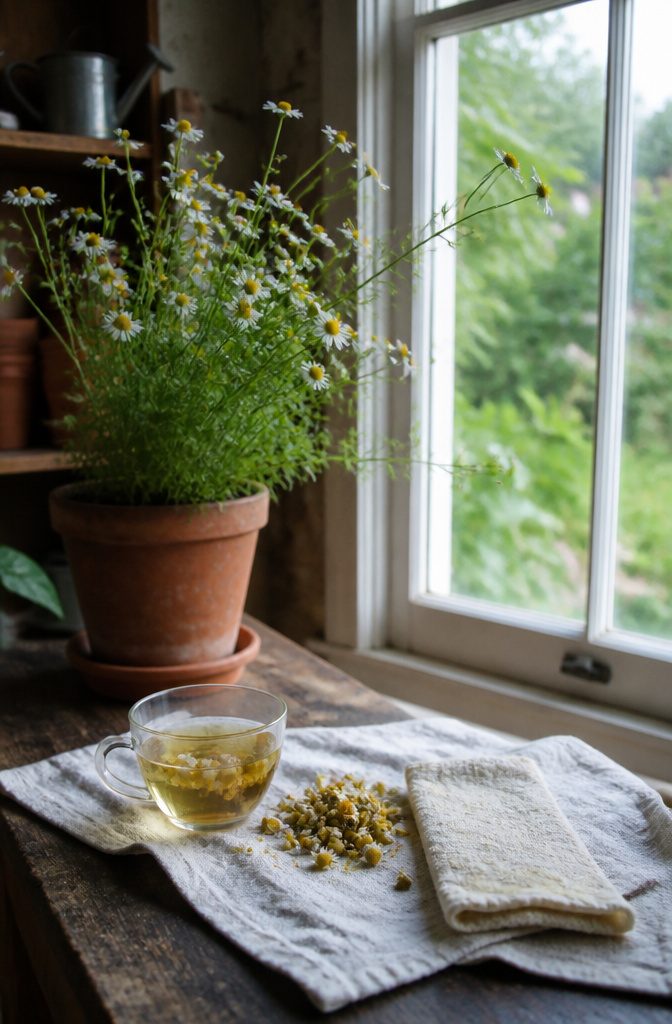
Chamomile (Matricaria chamomilla) is used for its flowers, and tea is the form that matters most.
Dry the flower heads completely before brewing, since damp flowers spoil in storage. A cup before bed is the classic use for winding down, and the same tea has a long record for cramps, nausea and minor digestive upset.
For the skin, I’d use the tea as a cooled compress on sore, irritated patches, or gargle it for a sore throat.
The flowers have also been used for eczema and diaper rash, and the whole flower head can be made into a poultice.
Chamomile can make you sleepier if you take other medicines, and it may change how some of them work, so check with a pharmacist first.
Peppermint
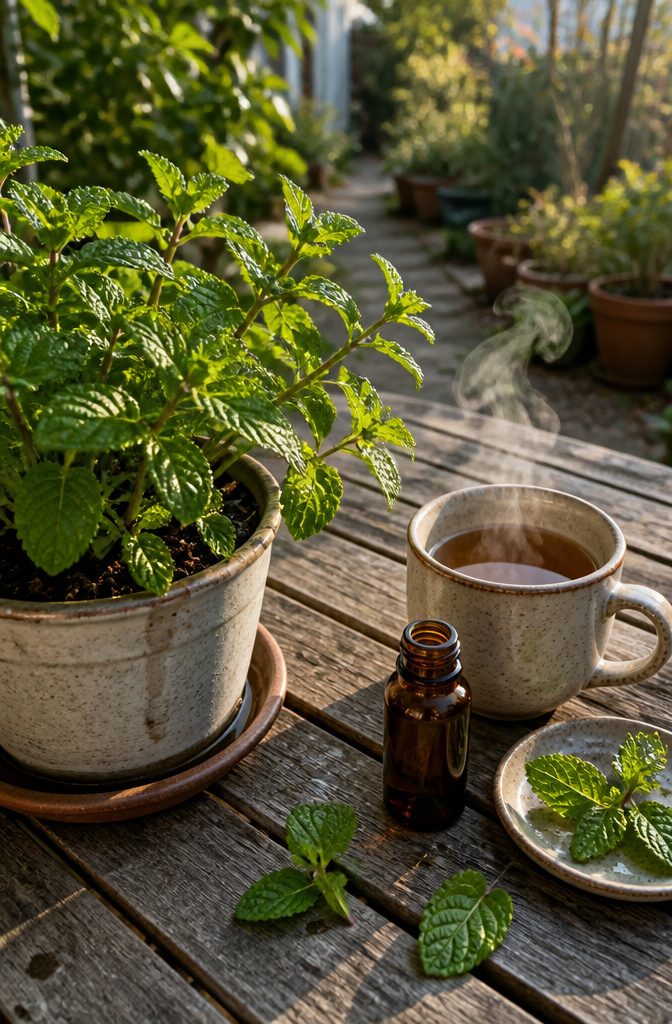
Peppermint tea is the easiest way in: steep a handful of fresh leaves in hot water and sip it for tummy aches, nausea, gas or indigestion.
It also soothes a sore throat, cough or cold, and it is a common pick for occasional morning sickness in pregnancy. Breathing the steam from the cup does double duty when your sinuses are packed.
For headaches and sore muscles, the essential oil is applied topically or inhaled. Oil is concentrated, so I’d keep it for these jobs and leave the leaves for drinking.
Grow it in a sunny spot with moist soil, since sun raises oil production and that is what gives the leaves their punch.
Peppermint spreads less than its relatives, but a container still keeps it from taking over a small yard.
Holy Basil (Tulsi)
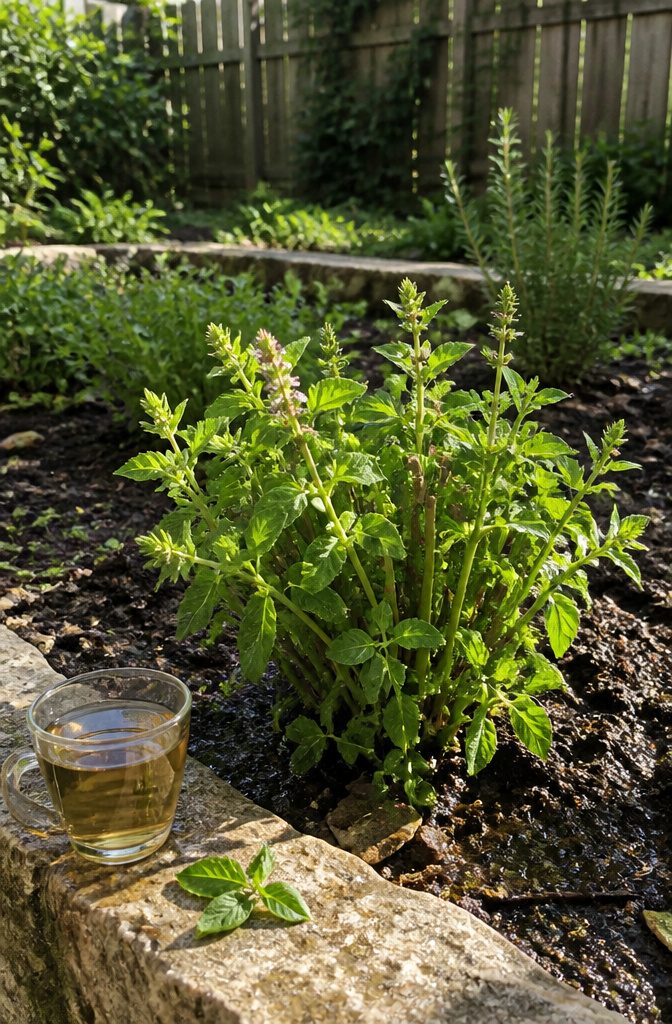
Holy basil has been used as a medicinal plant for over 3,000 years, and the usual way in is a daily cup of tea made from the leaves and flowers.
People reach for it for stress, colds and coughs, and to help regulate blood sugar and cortisol. It is a close cousin of common basil, only more pungent.
Give it full sun and average to moist soil, with plants spaced 1–1.5 feet apart. They reach 1–2 feet tall.
The seeds are tiny, so barely cover them, and wait until frost has passed before planting outside. Young plants look puny for weeks, then take off once days lengthen and nights warm up.
For steady tea leaves, cut a mature plant back to 8 inches and it regrows fast. Pinch early flowers too, which keeps the plant bushy.
Plantain
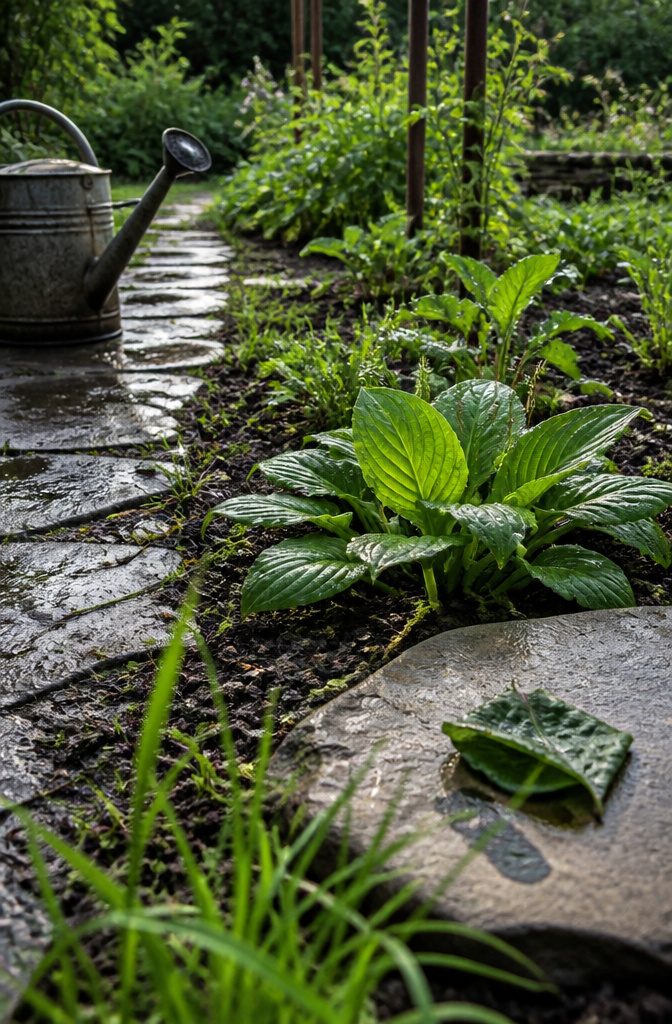
Plantain (Plantago major) is the weed already growing in your lawn or driveway cracks, and its leaves are the part worth using.
Crush a fresh leaf and press it on a bug bite, sunburn or small cut as a poultice. It has anti-inflammatory, antibacterial and wound-healing properties, and I’d reach for it before buying a cream for a bite.
To grow it on purpose, space plants 4 to 6 inches apart in a sunny spot with moist soil. Water without soaking it, and cover plants during cold spells.
The leaves are edible too. They taste a bit like Swiss chard and carry vitamins A, C and K. Cooking improves the texture, so I’d steam them rather than eat them raw.
Lavender
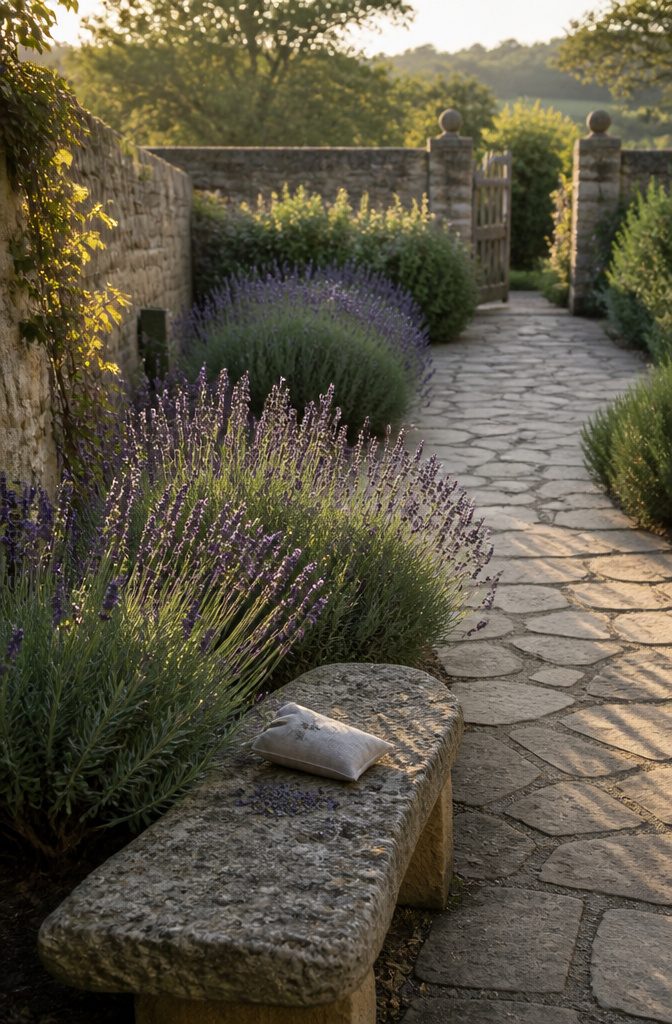
Lavender (Lavandula angustifolia, often sold as English lavender) earns its place mostly through scent.
People keep a sachet by the pillow or rub a few flowers between their fingers to ease tension, and some use it for a mild tension headache.
The evidence is modest: small studies hint at calmer mood and easier sleep, but they are short and uneven, and I would not call it a treatment for insomnia or migraines.
Still, it is a low-risk plant to try as a bedtime aroma, and it is pretty enough to justify a spot in the garden regardless.
Dried buds in a cloth bag cost almost nothing. Skip anything you plan to swallow until you have read the safety section below.
Echinacea
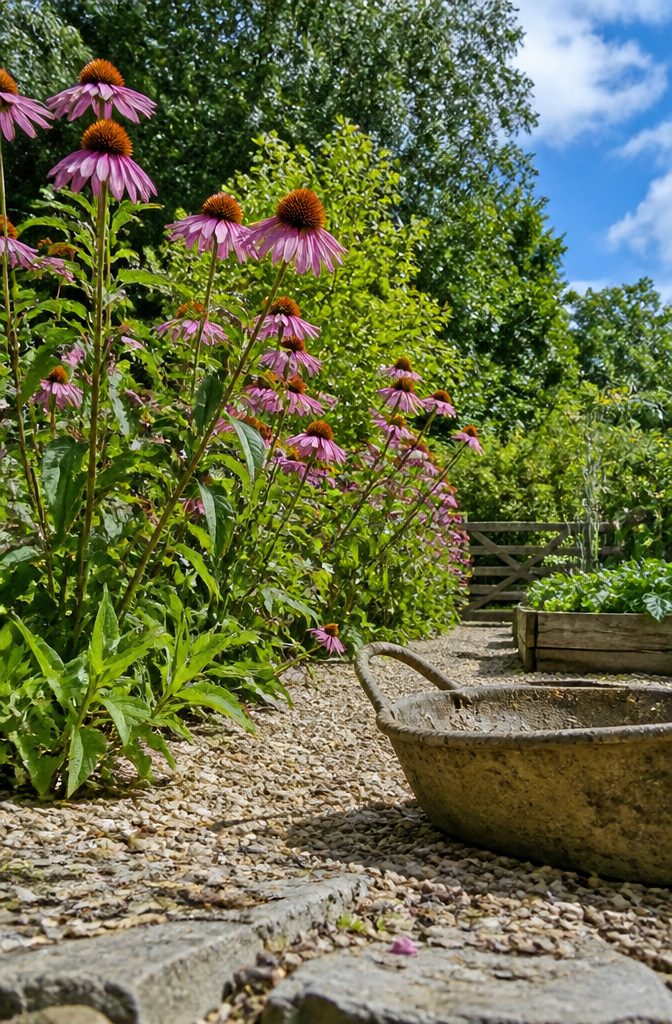
Echinacea purpurea is the coneflower you probably already recognize from other people’s gardens, and it is one of the easier plants for healing to start with.
Sow seed in early spring, trays or straight into the ground, and expect sprouts in 2–3 weeks.
Give each plant 1–2 feet of room in full sun; it reaches 3–4 feet tall. Flowers come in year two, and the roots need two or three years before they are worth digging.
Evidence for colds and respiratory infections is mixed, with some studies showing a benefit and others not.
Stick to short-term use, since long-term use can affect the immune system. Check interactions with your medications, and skip it if daisy-family plants like ragweed give you trouble.
Stinging Nettle
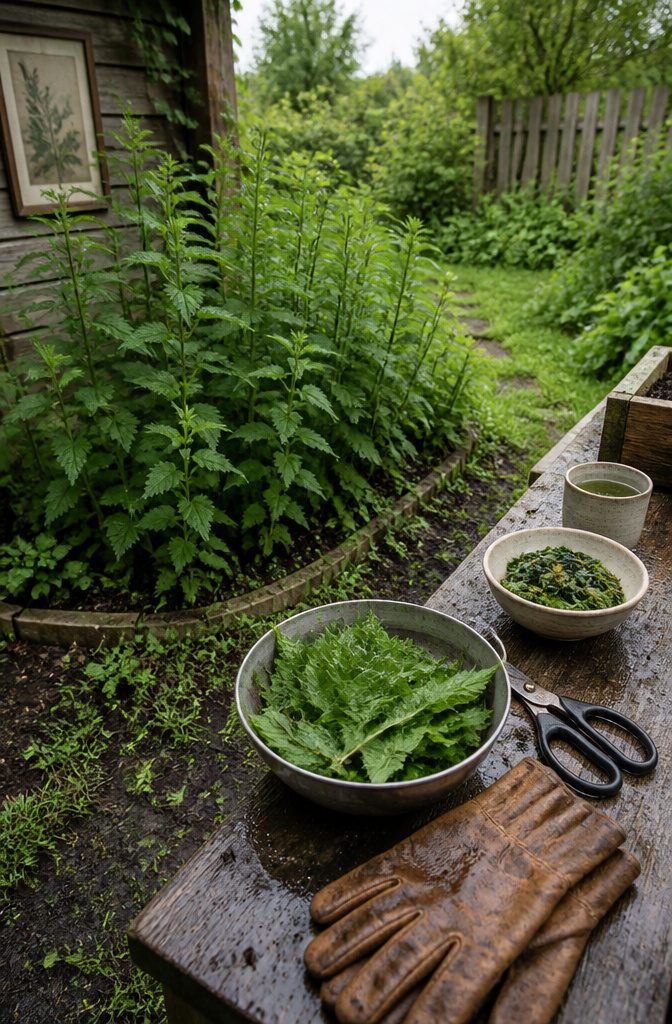
Stinging nettle (Urtica dioica) earns its place among plants for healing because it works as both a food and a tea.
Traditional use points to arthritis and eczema, plus gout and anemia, and the leaves carry vitamins A and C, calcium, potassium, magnesium and iron.
Never eat it raw.
Cooking or drying removes the sting, so steam the young leaves, stir them into soup, or swap them for spinach. Dried leaves steeped in hot water make a plain green tea.
Harvest before flowering, with thick clothing, leather gloves and kitchen scissors. Cut tender new growth and it regrows.
Nettle reaches 3–4 feet, grows in Zones 4–8, and spreads by runners, so I’d keep it in a semi-buried barrier or a far corner.
Dandelion
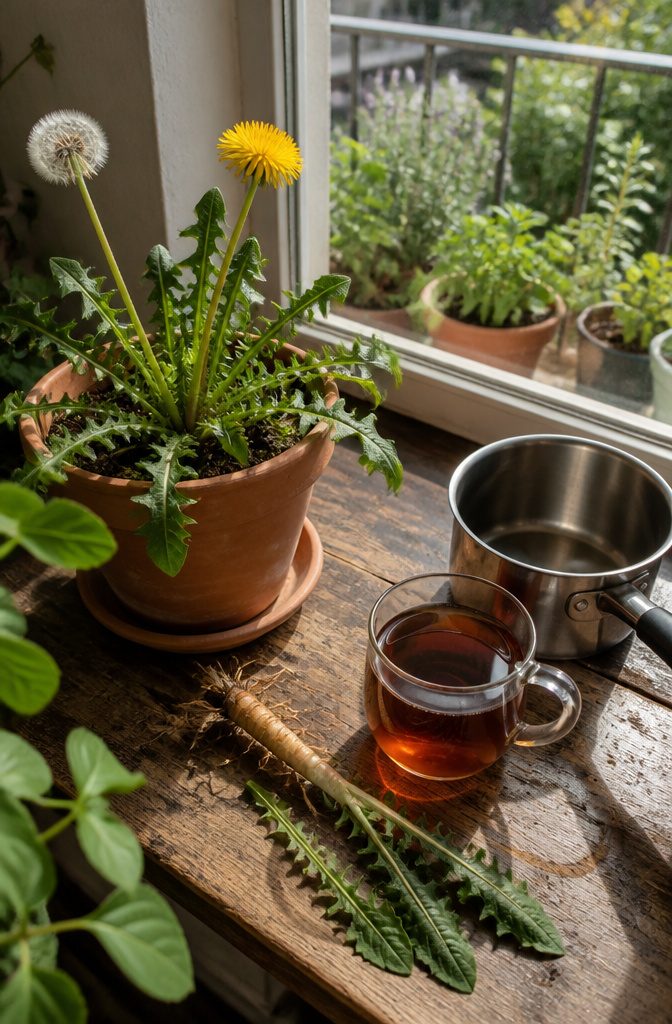
Every part of a dandelion (Taraxacum) can be used, and the roots and leaves are the two worth knowing.
Roots are simmered or steeped for tea, the usual traditional choice for liver and digestive support. Leaves go into dishes as a garnish or a bitter green, and they carry vitamin K, vitamin C, iron and calcium.
I’d start with the tea.
It asks for one scrubbed root and a pot, and it tells you quickly whether you like the bitter edge. Capsules exist, but they skip the part where you taste what you’re taking.
Forage only from untreated areas, meaning no lawn that gets herbicide or fertilizer, and nothing along a sprayed roadside. If you can’t vouch for the ground, grow a few in a pot instead.
Lemon Balm
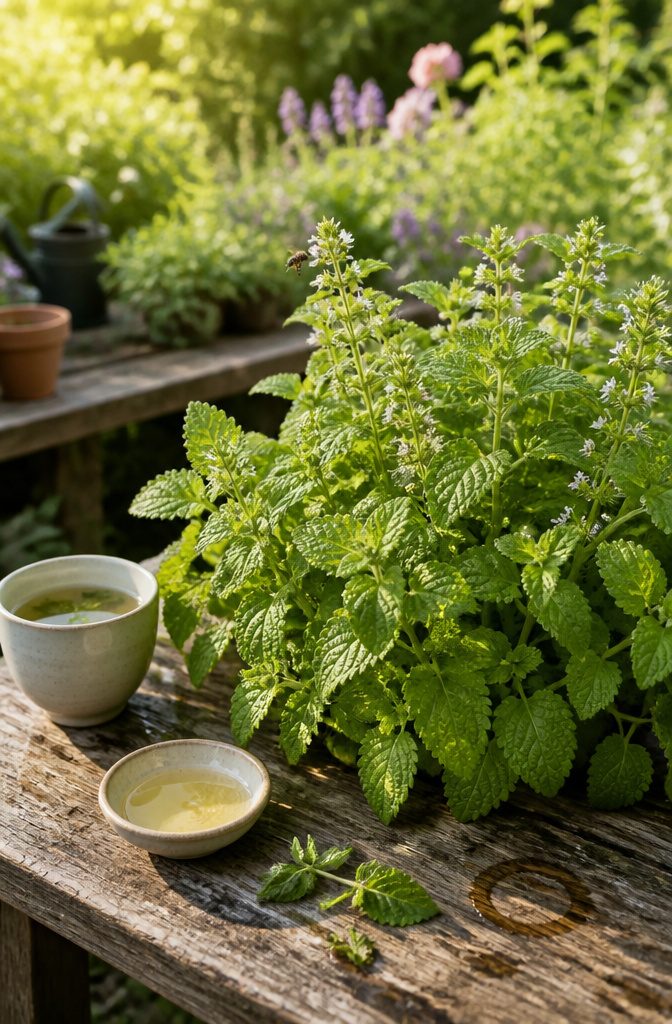
Lemon balm has been used for 2,000 years to ease the heart and lift sadness, and the active compound most often credited is rosmarinic acid, which may help with stress and anxiety.
The easiest way to use it is a tea brewed from the fresh leaves, which also happens to taste like lemon. Pairing it with valerian root gives a mild sedative effect, so I would save that combination for evenings.
On the skin, its antiviral and antibacterial properties make it a topical option for cold sores: apply the cooled tea or an essential oil product directly to the spot.
In the garden, this mint family perennial earns its space twice over. Its scent repels insects, and its flowers draw bees.
Ginger
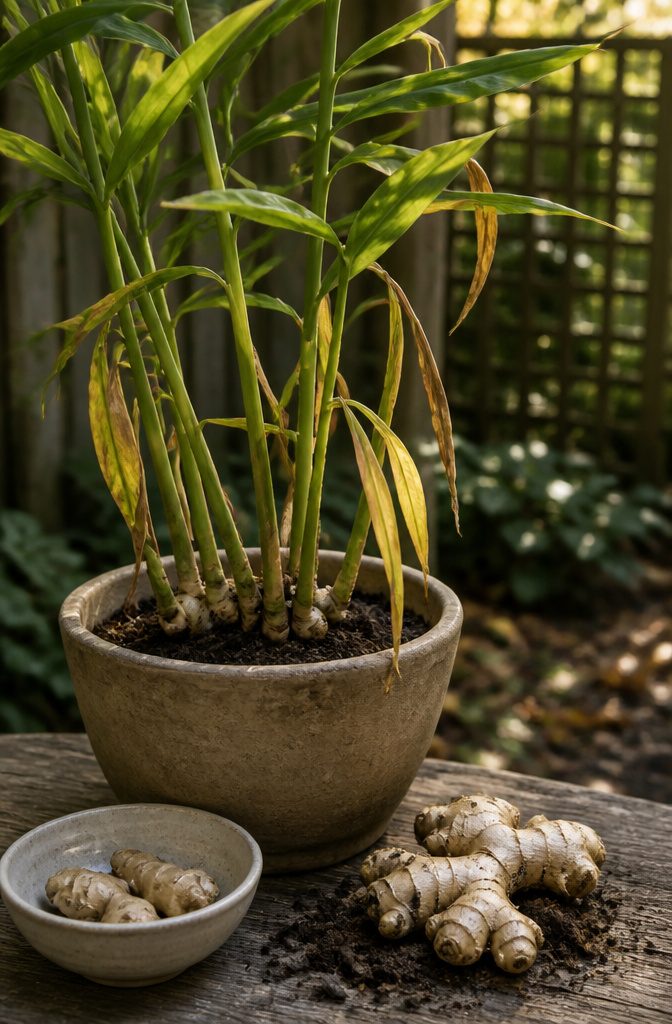
Ginger (Zingiber officinale) is the plant on this list with the most research behind it, and the root is the part you use.
Nausea is its main job: it is best known for easing motion sickness, and it may help mild nausea and vomiting in pregnancy and the nausea that comes with chemotherapy.
A few studies also suggest it eases menstrual cramps. Work on surgery recovery, cancer and inflammation is still ongoing, so treat those as open questions.
Growing it is easy to try. Plant the rhizomes in spring in rich, well-drained soil, in shade, and harvest in the fall once the leaves start to die back.
Expect some bloating, gas, heartburn, or even nausea if you take too much. I’d start small.
Catnip
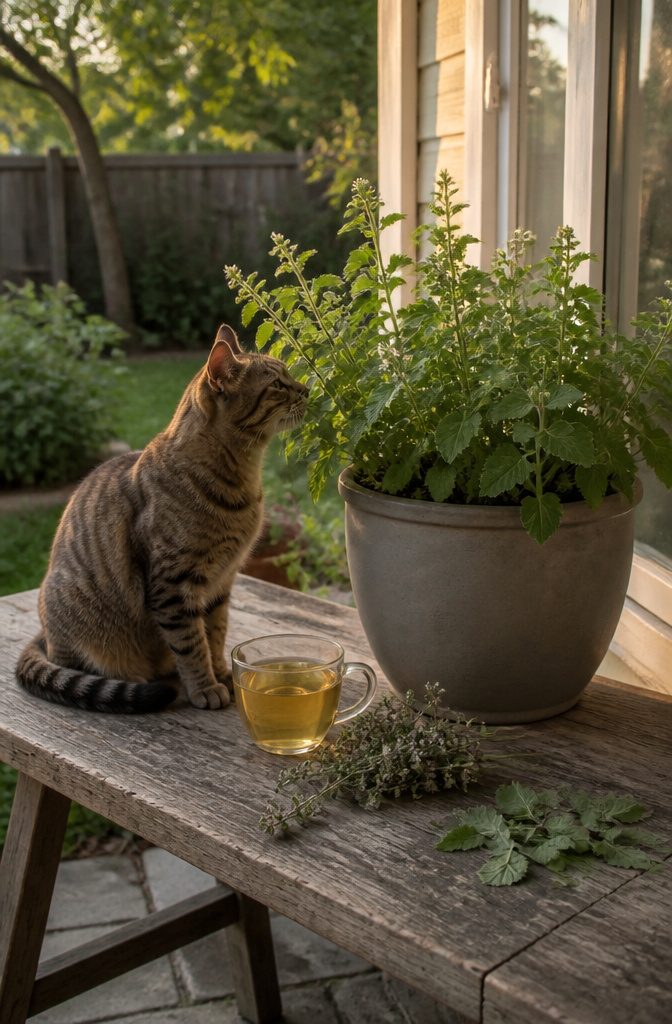
Catnip is a mint-family herb, Nepeta cataria, and people who grow it for themselves mostly want one thing from it: a calming cup in the evening.
The relaxing effect is tied to compounds such as nepetalactone, and the herb has a long history as a mild sedative for anxiety, restlessness, insomnia and headaches.
It also gets used for upset stomachs, gas and cramping, and for the fever and congestion of a cold.
The leaves and flowering tops are the parts to use, and tea is the simplest route.
Steep dried leaves or the flowering tops in hot water and drink it warm. Tinctures exist too, but I would start with tea because it’s cheap and easy to adjust.
Expect your cats to find the plant before you do.
Garlic
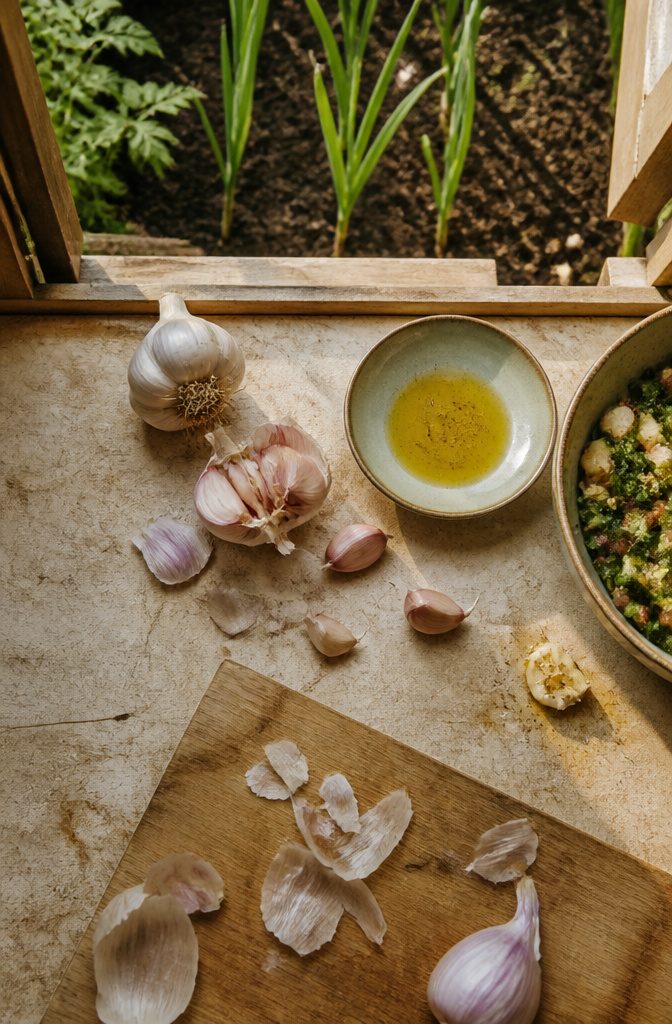
Garlic (Allium sativum) is the rare kitchen staple with a medical record, and the cloves are the part you use.
Raw is the most potent form, so crushing a clove into a dressing or stirring it into a dish at the end gets you more than a long simmer would.
The University of Rochester Medical Center sums up the evidence and the warning in a few lines:
Garlic has been shown to fight germs, protect your heart, and reduce inflammation. It may help lower cholesterol and blood pressure. But the results are mixed.
I’d treat garlic as a food with perks, not a replacement for blood pressure medicine. Garlic can raise bleeding risk, so skip it with warfarin or other blood thinners, and avoid large amounts before dental work or surgery.
Borage
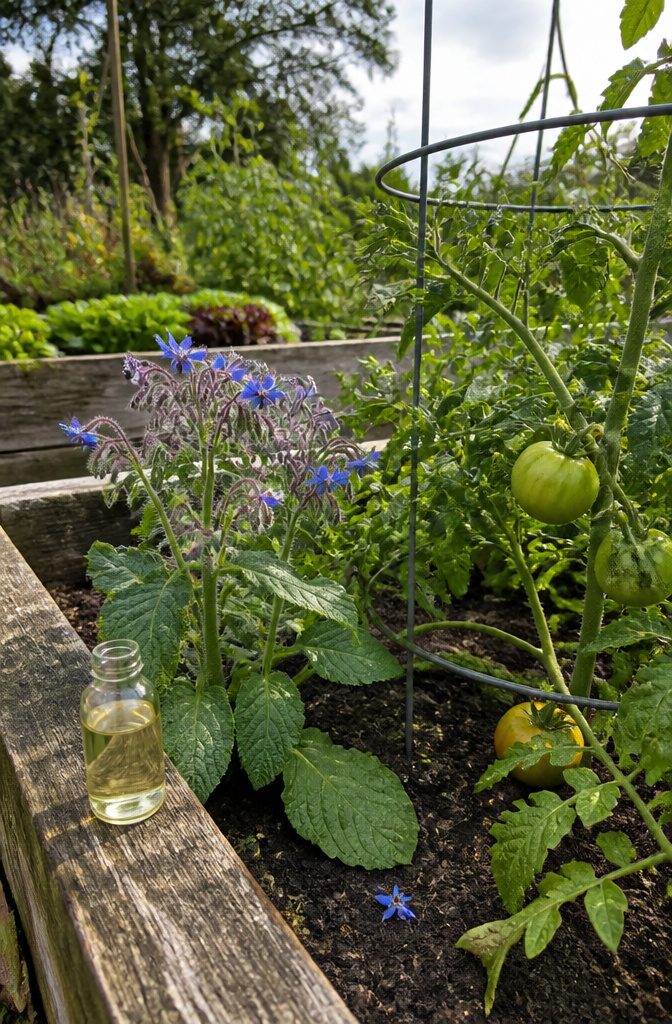
Borage (Borago officinalis) has two reputations, and they rest on different parts of the plant.
In the medicine cabinet, the seeds matter: borage seed oil is the form used for menopause symptoms like hot flashes and menstrual problems, and for colds, bronchitis, and other respiratory complaints.
It has also been studied for diabetes, multiple sclerosis, and heart conditions, though that work is early.
In the garden, borage earns its place as a companion plant that can repel pests, and I would plant it beside tomatoes for that reason alone.
The backing here is thin. Antioxidant properties are the one claim that shows up consistently, so treat the rest as tradition rather than proof, and skip it as a substitute for treating a real condition.
Hyssop
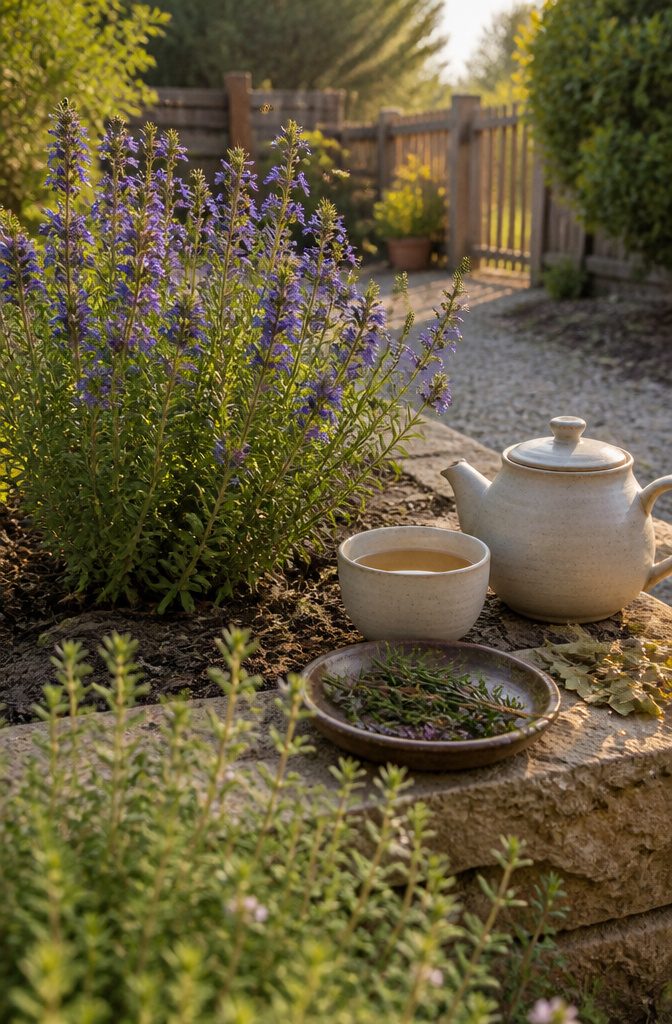
Hyssop (Hyssopus officinalis) earns its spot in a healing garden for coughs and sore throats.
It stimulates mucus production, which helps loosen a tight chest, and its astringent action soothes an irritated throat. It has also been used against asthma, though I would treat that as folk use rather than a plan.
Its antibacterial and antimicrobial qualities explain the kitchen uses too: the anti-fungal action can stretch the shelf life of food, and the flavor suits meat marinades and pasta dishes.
Skip the essential oil. It has been linked to epileptic seizures, so a leaf tea is the safer route.
Grow it in full sun. Once established it needs only normal watering, and bees and other beneficial insects will find it.
Passionflower
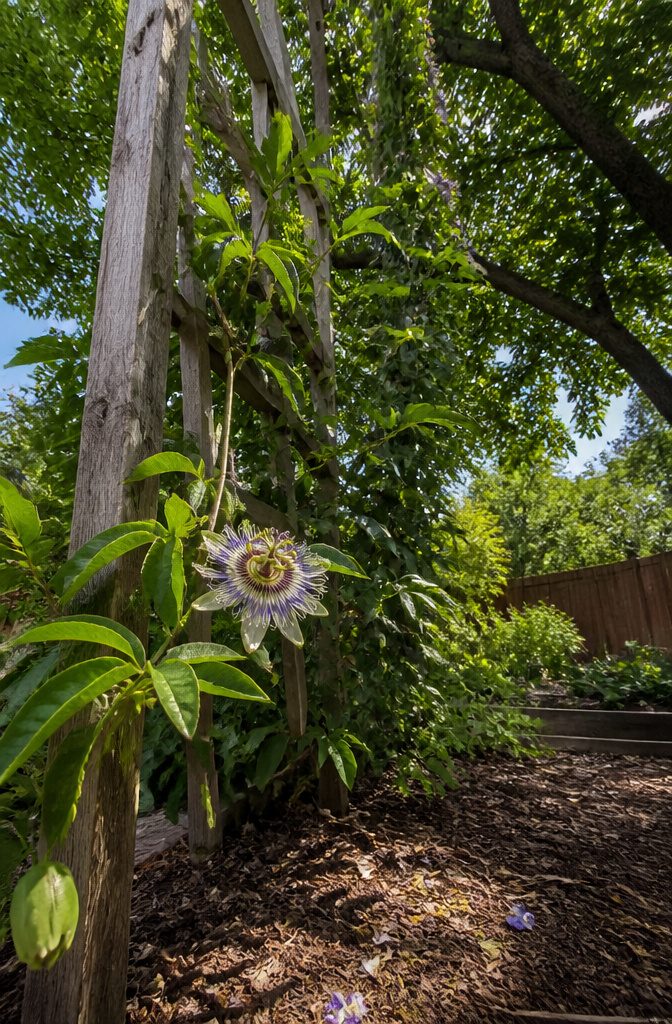
Passionflower (Passiflora incarnata) earns its spot among plants for healing with the leaves and flowers, a nervine sedative used for sleep and for pain such as menstrual cramps and headaches.
It’s native to the Southeast, hardy only to Zone 6, and frost tender, so mulch heavily in fall.
Give it full sun and a trellis.
Space plants 3 feet apart; they can climb 5 feet or more by summer’s end. In a hot climate, pick a spot with shade by mid-afternoon.
Seeds are slow. Rub each one on sandpaper until pale tissue shows, then chill them in damp sand in the refrigerator for 1–2 months.
Sprouting can still take months. It’s a short-lived perennial, so expect to replant after about three years.
Bee Balm
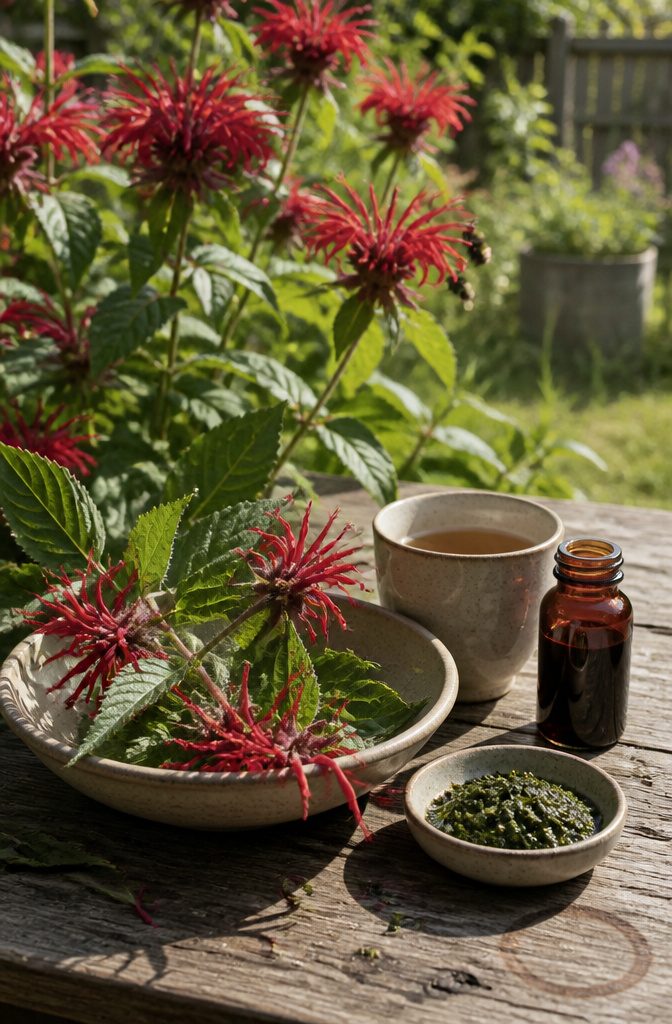
Bee balm (Monarda didyma, also called bergamot) earns its place in a healing garden as a bitter digestive aid, and the leaves are the part you use. Steeped and sipped, they can settle nausea.
The same astringent quality makes a strong leaf infusion a decent gargle for sore throats, gum trouble and cold symptoms; boiling the leaves in water and gargling is the standard way to handle a toothache or mouth infection too.
For skin, I’d make a tincture from dried leaves and use it to wash minor wounds or rashes. A paste of the leaves works on sprains.
Don’t leave a potent extract on skin for long, since it can irritate. The herb is also used to bring on menstruation, so skip it if you’re pregnant.
Rosemary
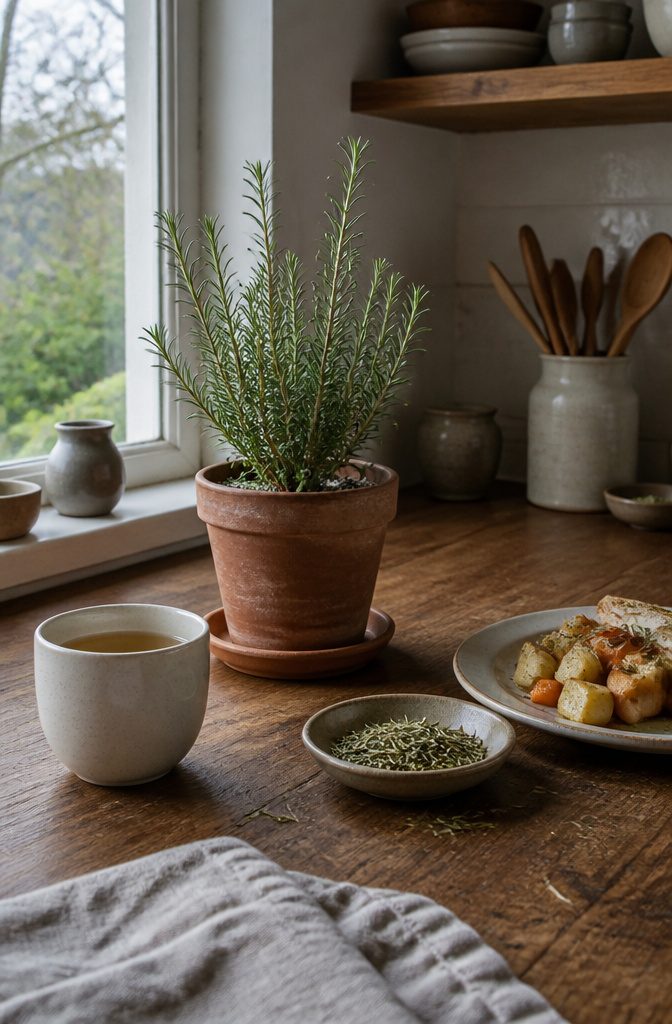
Rosemary’s anticancer reputation rests on a review of animal and cell culture studies, not human trials. Those studies point to four compounds in the extract: carnosol, carnosic acid, ursolic acid and rosmarinic acid.
Carnosol and carnosic acid also showed anti-angiogenic effects, meaning they may interfere with the blood supply tumors build. That is lab evidence, and nothing in it tells you a cup of rosemary tea treats or prevents cancer.
The folk claims are looser. Rosemary tea is traditionally used for memory, circulation, inflammation, bad breath, liver support and hair growth, and I would treat all of those as tradition rather than proof.
The memory and hair claims are the ones most often repeated, and neither comes with human data here.
Steep the dried leaves for tea or sprinkle the herb on food. It is a fine kitchen plant with a long reputation, and that is where I would leave it.
Aloe
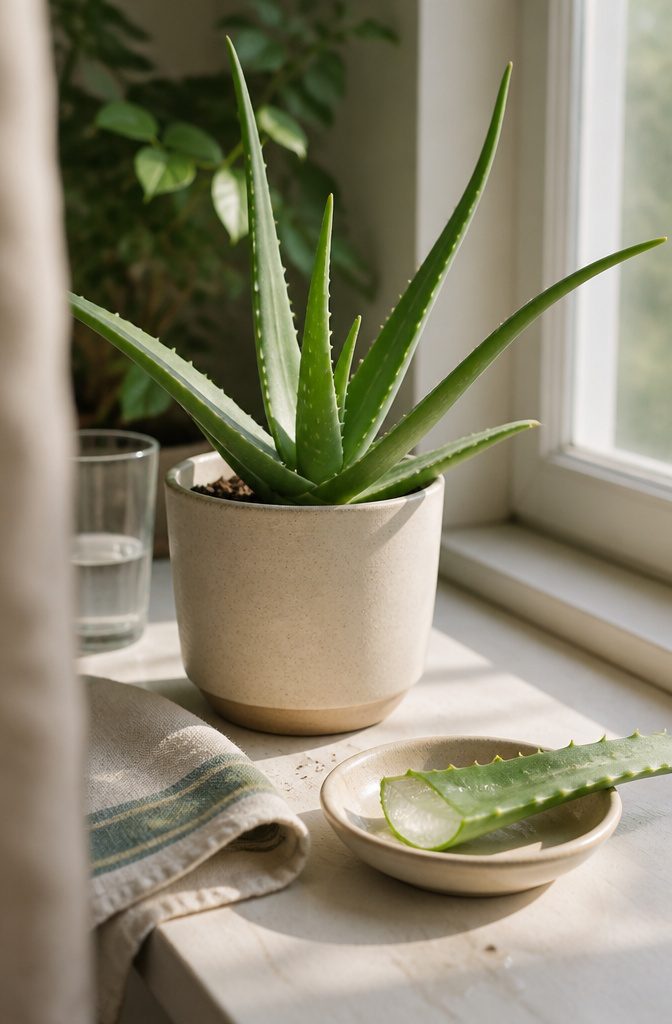
Aloe is the easiest plant on this list to keep alive, and summer is when you’ll want it close.
Split a leaf open and lay the gel side on a minor burn: the cooling feels good right away, and that comfort is the clearest benefit I can point to.
Whether aloe actually speeds healing is still debated, so I wouldn’t treat it as medicine.
Think of it as relief, not a cure. A serious or blistering burn needs a medical opinion, not a houseplant.
Keep a pot on a sunny windowsill or a kitchen counter where you’ll notice it. Cut one leaf at a time from the outside of the plant so the center keeps growing.
Wood Sorrel
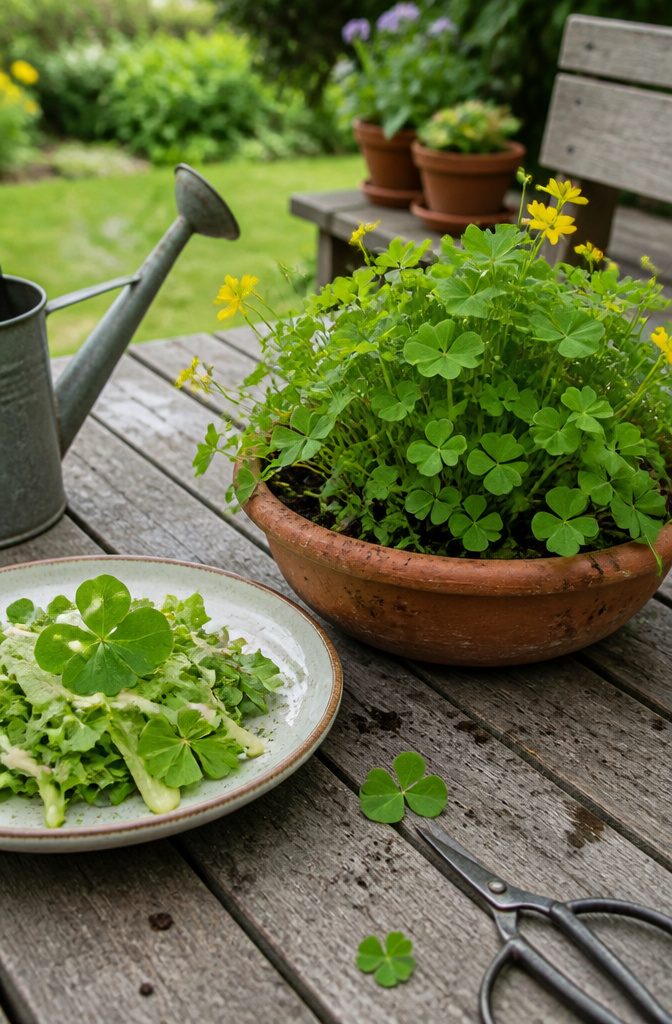
Wood sorrel is the clover-looking weed with heart-shaped leaflets that probably already grows in your yard, and the leaves, flowers and bulbs are all edible.
The taste is subtly tart, close to the skin of a green apple, which is why a few leaves work in a salad.
Traditional use is broad. It has been taken as a diuretic, for mouth ulcers, to cleanse the blood and to bring on an appetite, and its juice is said to reduce swelling and inflammation.
I would treat all of that as folk use rather than proven medicine, and I would keep it to a garnish-sized amount. Treat it as a tangy salad herb first and a remedy second.
Identify it by those three heart-shaped leaflets before you pick anything, since clover looks similar at a glance.
What Healing Plants Are Used For
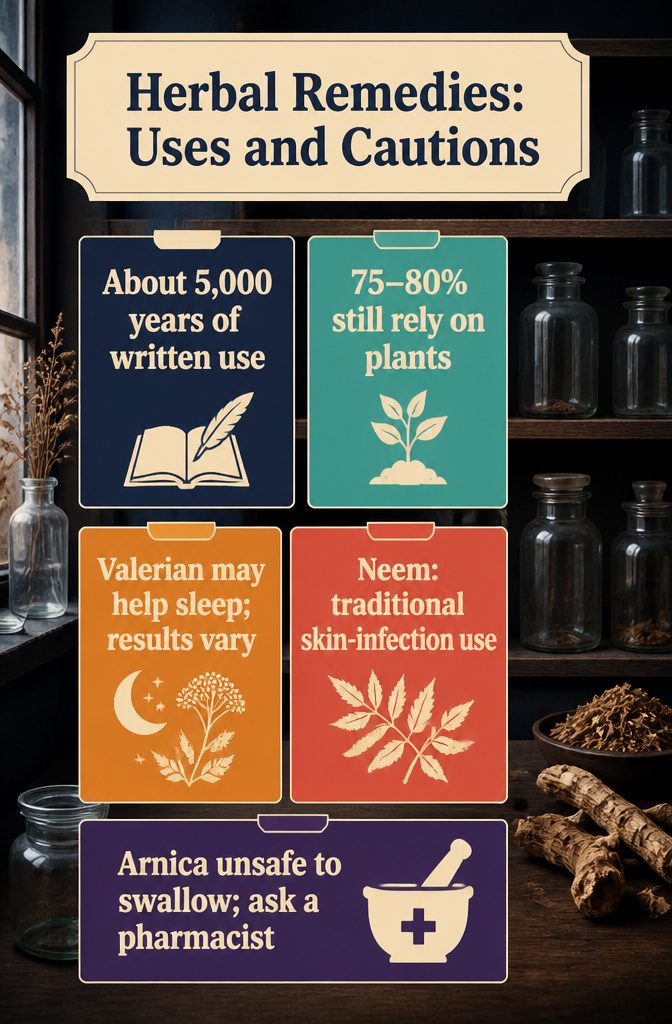
People have turned to plants for healing for about 5,000 years of written use, and an estimated 75–80% of the global population still relies on them in some form. The complaints are familiar.
Valerian root is taken for sleep and anxiety, and angelica root for digestive trouble, bronchitis and nervous headaches. Neem has been called "the village dispensary" in India, used for skin infections among many other things.
Treat every one of those uses as a possibility, not a promise.
Evidence is mixed: valerian may help sleep, but results vary. Willow gave us aspirin, yet few traditional remedies have become modern drugs.
Arnica is classed as unsafe to swallow, so tradition alone proves nothing. Ask a pharmacist before you try anything.
Teas, Tinctures, and Poultices
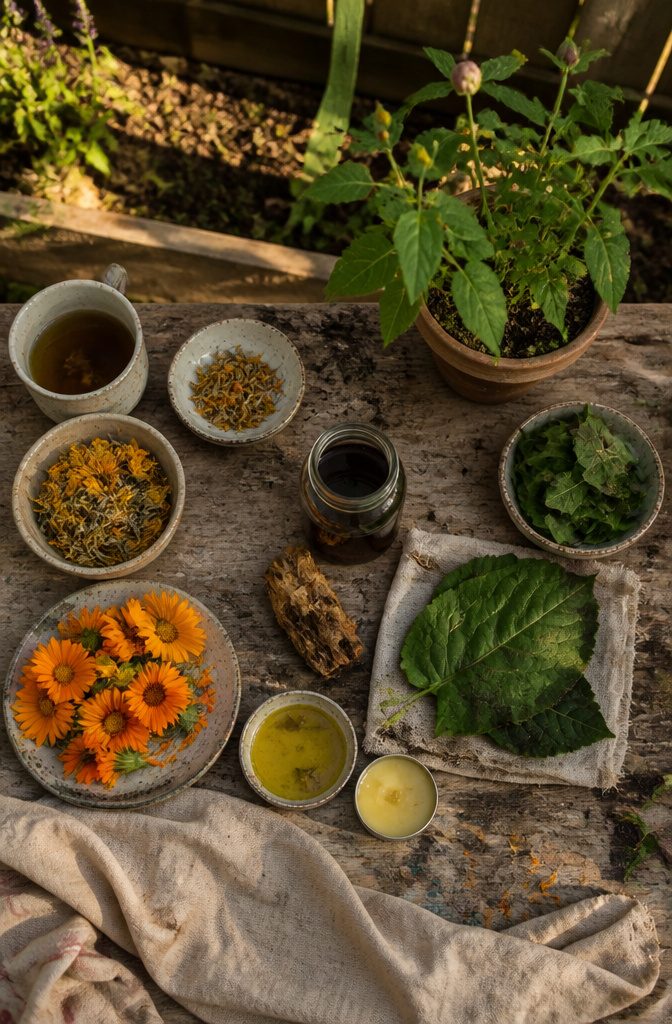
Spilanthes is the plant that makes tincture-making worth the effort: one or two plants yield over a quart.
Cut them back to 6 inches and they regrow if frost holds off, so you may get a second harvest. Watch for slugs.
Part matters as much as preparation. Elecampane is a root herb, simmered into a decoction or soaked into a tincture for coughs and colds.
Calendula is a flower herb, and the whole bloom goes into oils and salves for skin. Alder leaves, not the bark, become poultices for sore muscles.
Teas suit gentle, everyday herbs; tinctures suit roots and anything you want to keep for months. A poultice is the quickest fix for a bite or ache, since you only need fresh leaves.
Safety and Interactions
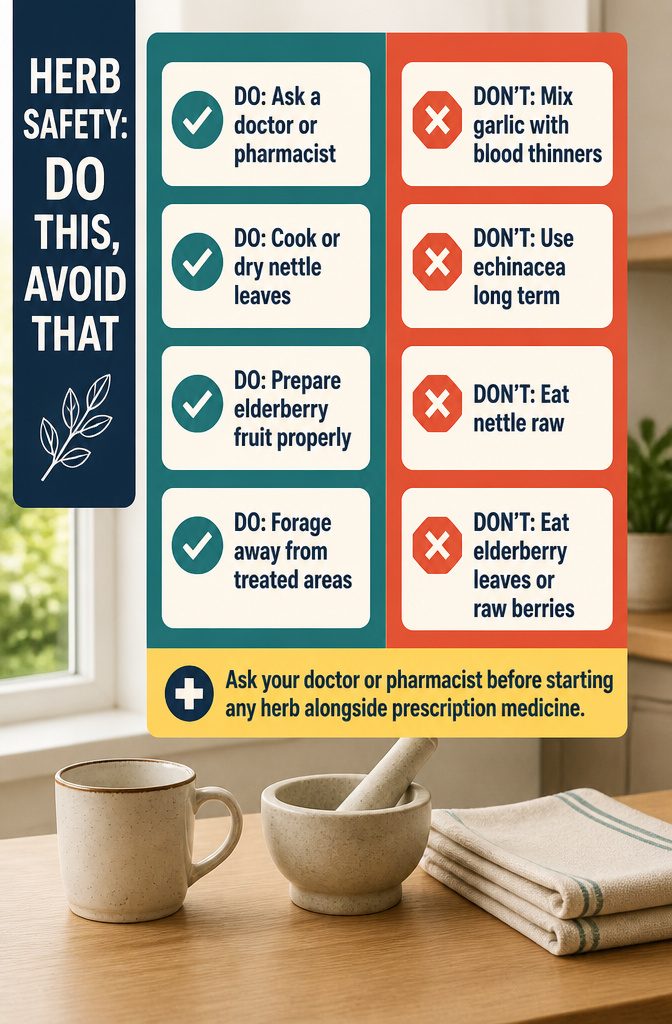
Natural does not mean safe, and these are the points I’d check before anything goes in a mug:
- Garlic thins the blood. Skip it with warfarin or other blood thinners, and don’t take large amounts before dental work or surgery.
- Echinacea is for short stretches only. Long-term use can affect the immune system, and anyone allergic to ragweed, daisies, marigolds, or chrysanthemums may react.
- Nettle is never eaten raw. Cook the leaves or dry them for tea.
- Elderberry leaves and raw berries are toxic. Prepare the fruit properly first.
- Large, steady doses cause problems. Echinacea can bring nausea and dizziness.
- Forage only away from treated areas. Skip roadsides and any lawn or bed that may have been sprayed.
Ask your doctor or pharmacist before starting any herb alongside prescription medicine.
Growing and Harvesting
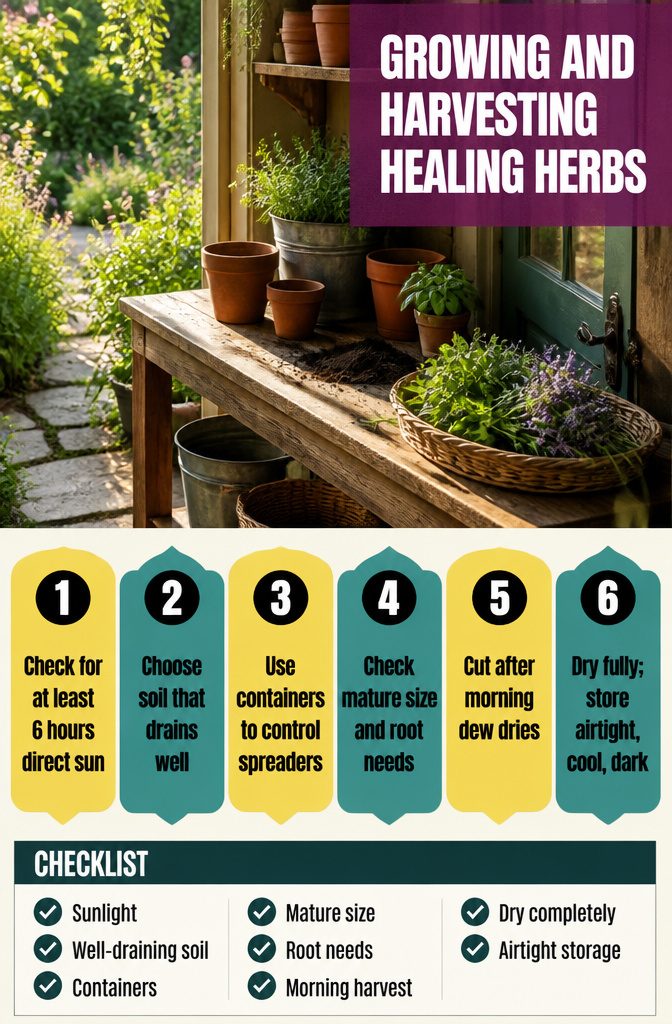
Most plants for healing want at least 6 hours of direct sun and soil that drains well, so check the spot at midday before you buy anything.
Containers suit small yards and renters, and they keep spreaders like horehound from taking over the bed. Put the herbs you’ll cut often near the kitchen door or along a path you already walk.
Before choosing, look up each plant’s mature size and whether the remedy comes from the root, since root crops need digging room.
Turmeric is the easy test: plant a piece of fresh grocery store root in early spring, in partial to full sun and rich soil.
Cut leaves and flowers in the morning once the dew dries. Dry them completely, then store in airtight containers away from heat and light.
Frequently Asked Questions
What is the most healing plant?
Its best-supported use is easing nausea, including motion sickness.
For skin, calendula is the one I’d put first. Evidence for most herbs is mixed, so ask a pharmacist before relying on any of them.
What are the top 10 healing plants?
A solid starter 10 is calendula, chamomile, peppermint, holy basil, plantain, lavender, echinacea, lemon balm, ginger and garlic.
Each one covers a common need, such as skin care, sleep, digestion, colds or stress, and most are easy to grow or already in your kitchen. Treat the uses as possibilities, not promises.
What are the 10 most healing leaves?
The leaves most worth knowing are peppermint, holy basil, plantain, lemon balm, stinging nettle, dandelion, hyssop, bee balm, catnip and rosemary.
Most are brewed as tea, and plantain is crushed fresh as a poultice for bites and small cuts. Cook or dry nettle first, since raw leaves sting.
What are the top 5 medicinal plants?
For a short list, start with calendula for skin, chamomile for evening tea, peppermint for upset stomachs, ginger for nausea and echinacea for colds.
All five are easy to find and simple to prepare. Echinacea is for short-term use only, and any herb can interact with prescription medicine, so check first.