Rosemary is the one that demands a south-facing sill with 6 or more hours of sun, so give it your brightest window and save the dimmer spots for milder herbs like parsley.
The 5 herbs here range from a $2 plastic pot of mint to a scented geranium you grow mostly for perfume, and a grow light hung 6–12 inches above the leaves can make up for a window that falls short.
1. Rosemary
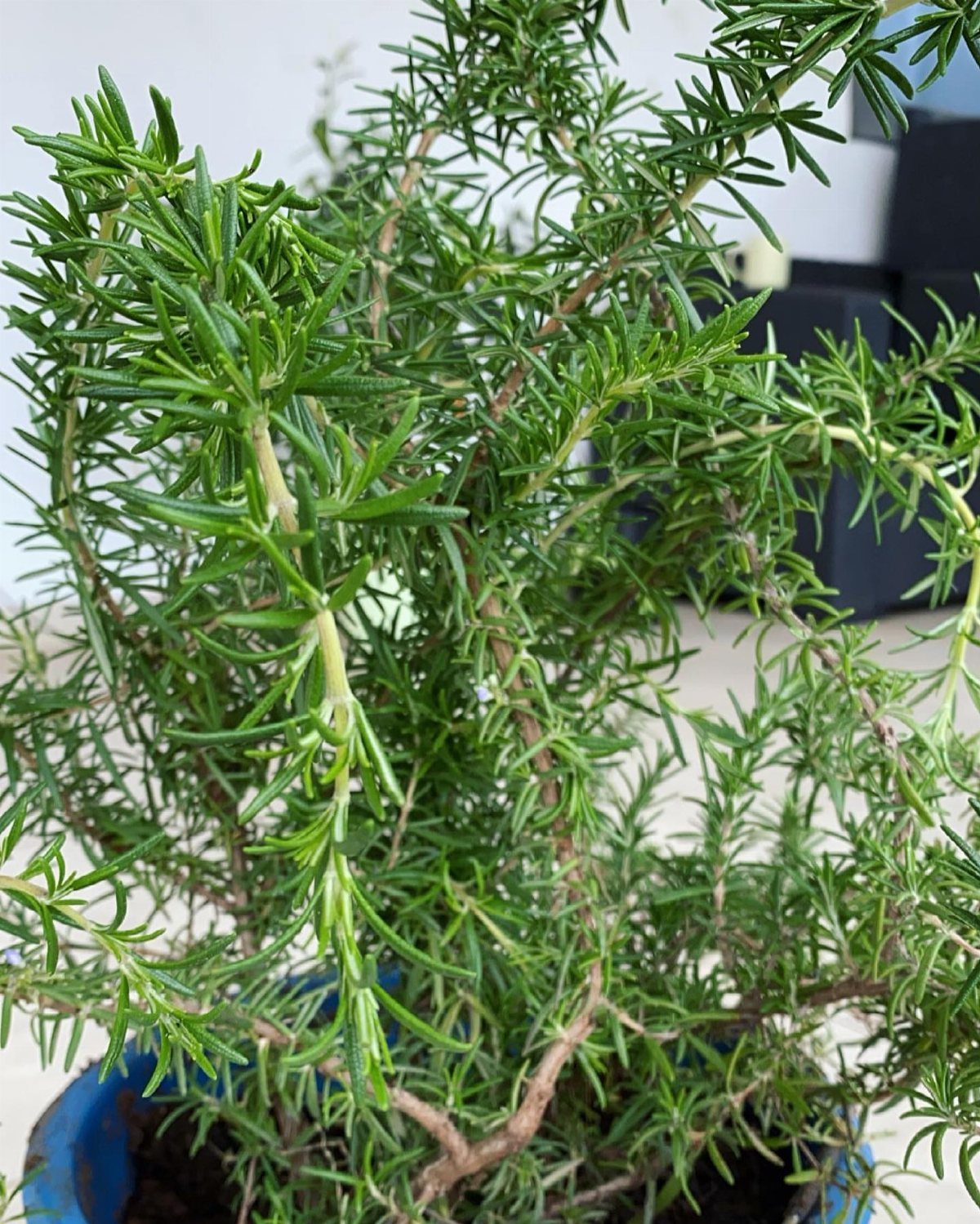
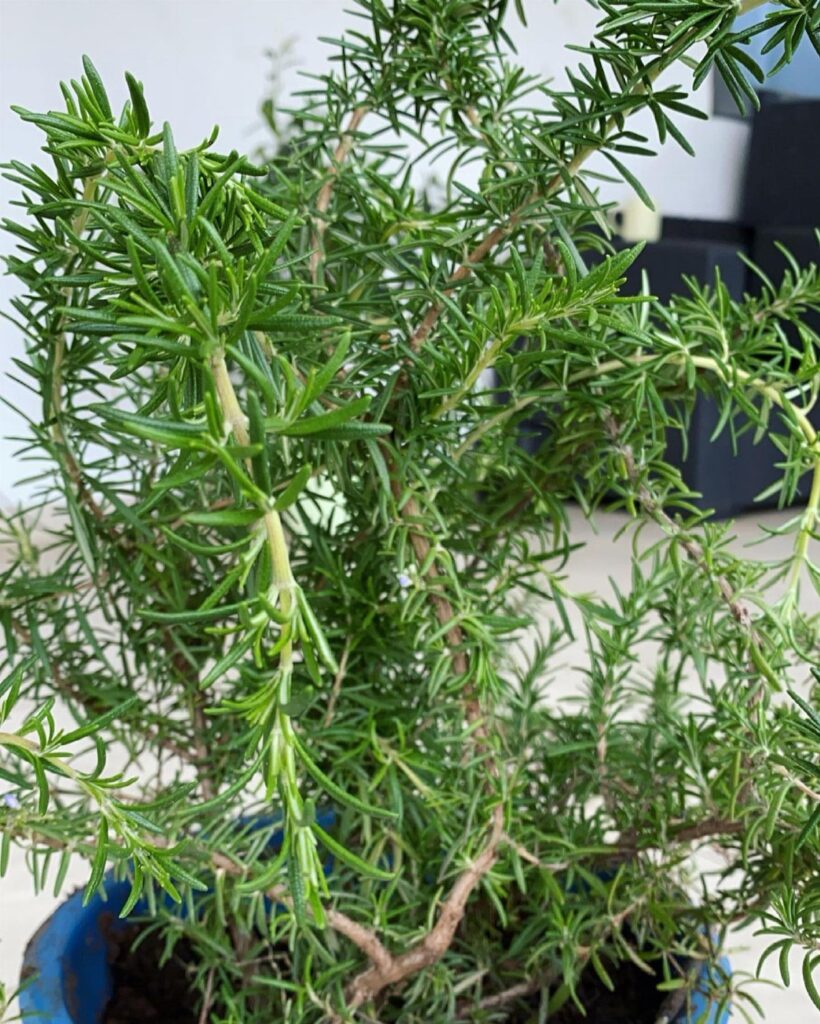
Rosemary is the herb I would put in your brightest window, because it wants strong light and soil that dries out between waterings.
Rosemary wants the brightest window you have, and a south-facing one gives it the 6 or more hours of light it needs.
Skip the saucer full of standing water. Soggy roots are the quickest way to lose a woody Mediterranean plant like this one, so water only when the top of the soil feels dry.
Drainage holes matter far more than pot color, since rosemary roots rot fast in soil that stays soggy. Snip sprigs as you cook, and the plant stays bushy and fragrant.
2. Mint
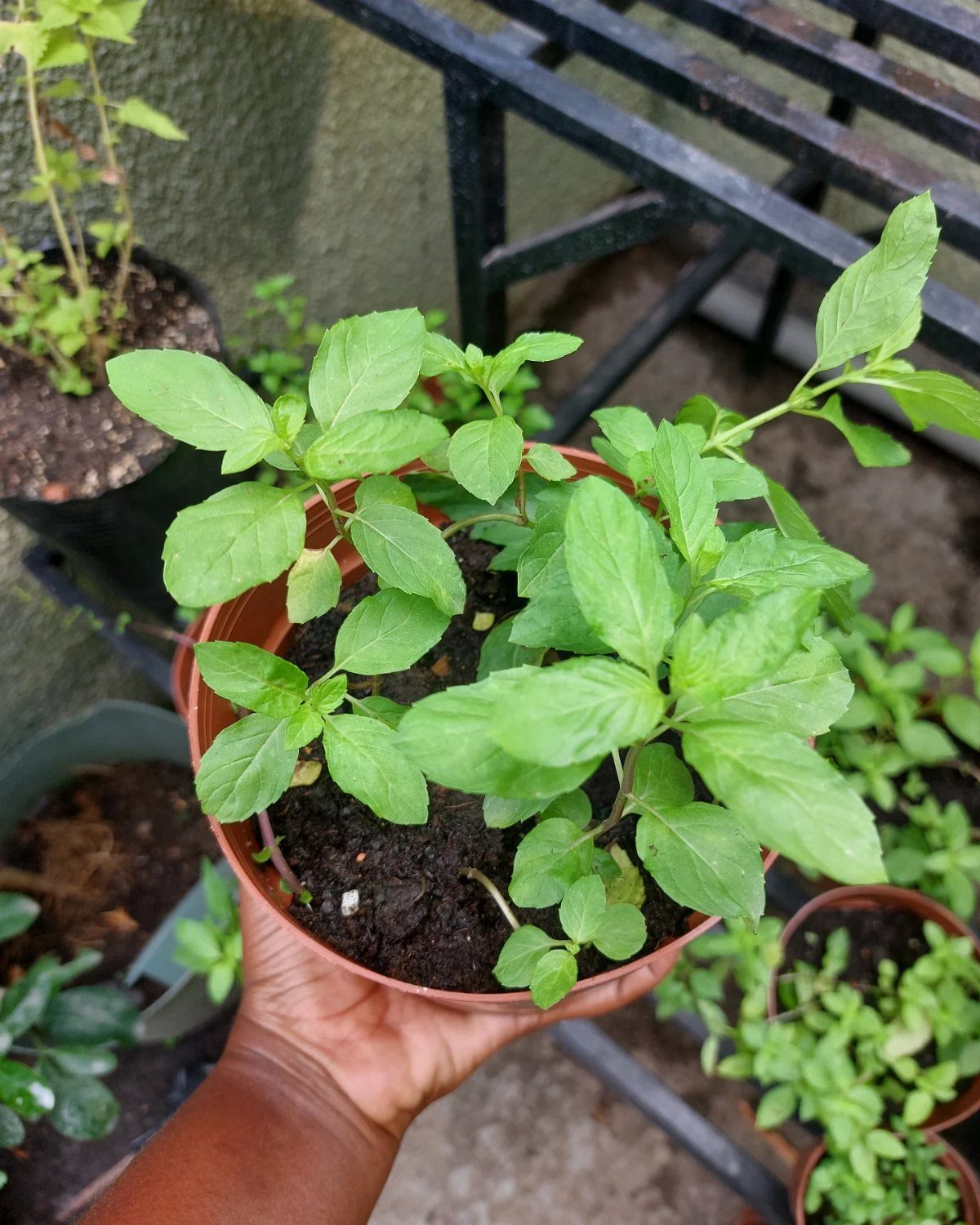
Mint grows fast and spreads, so it gets its own pot, never a shared one. Put it next to basil or parsley and it will crowd them out within a season.
A plain plastic nursery pot works fine for mint and costs a couple of dollars, which suits a plant that spreads fast anyway. Pinch stems often, and the plant stays full instead of leggy.
I like mint for tea and for drinks, and it forgives a beginner’s mistakes better than most herbs. Give it a bright spot and keep the soil from drying out completely.
3. Oregano
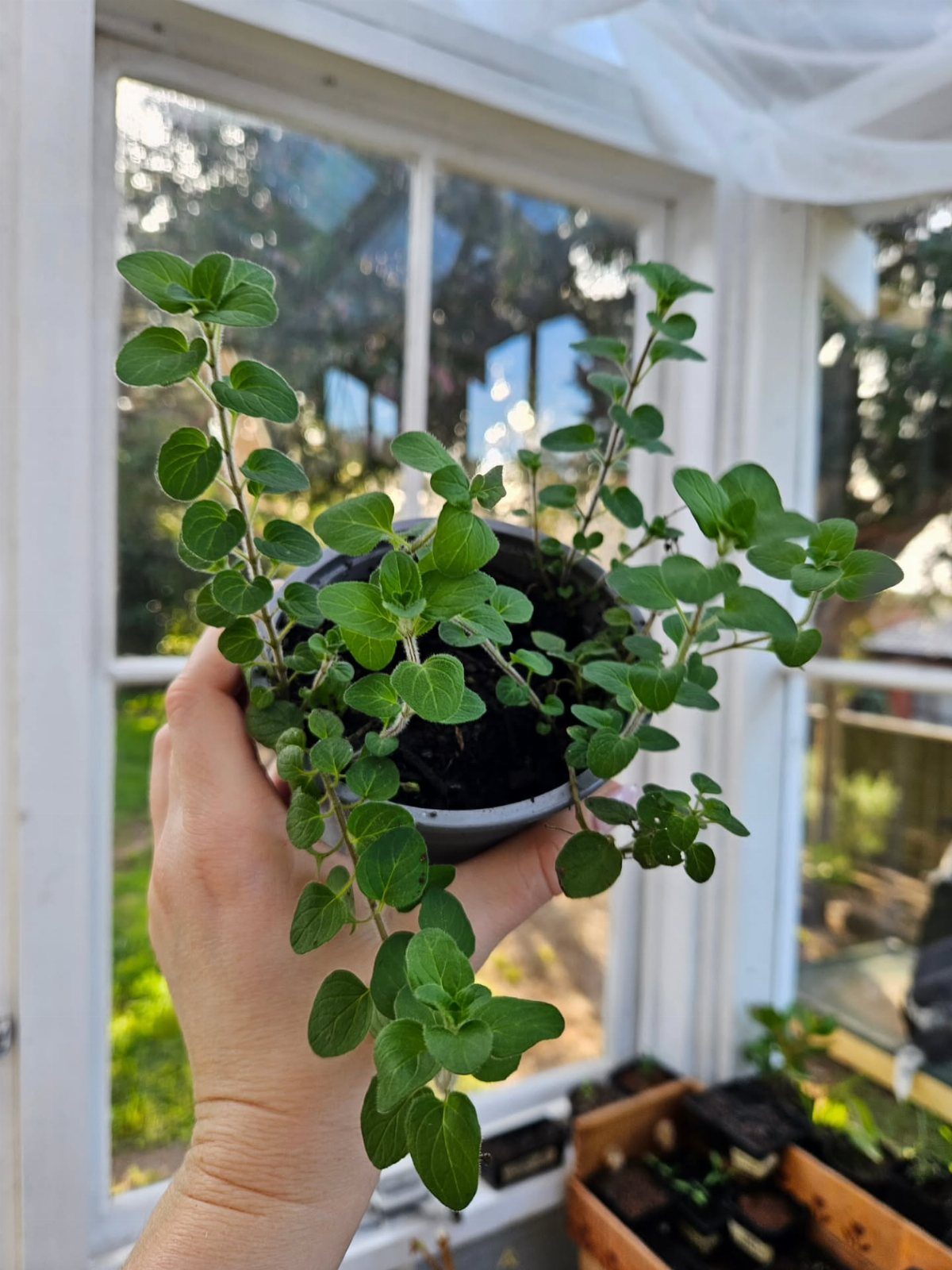
Oregano is a hardy Mediterranean herb, and it earns a spot on a kitchen sill if you cook Italian, Greek, or other savory food. A small pot is plenty for one household.
Set it where it gets bright light, like a window, and let the soil dry a bit before you water again. It handles a little neglect better than a lot of fussing.
Pick leaves as you need them for sauces, roasted vegetables, or pizza. For a first herb, this is one of the safer bets.
4. Scented Geraniums
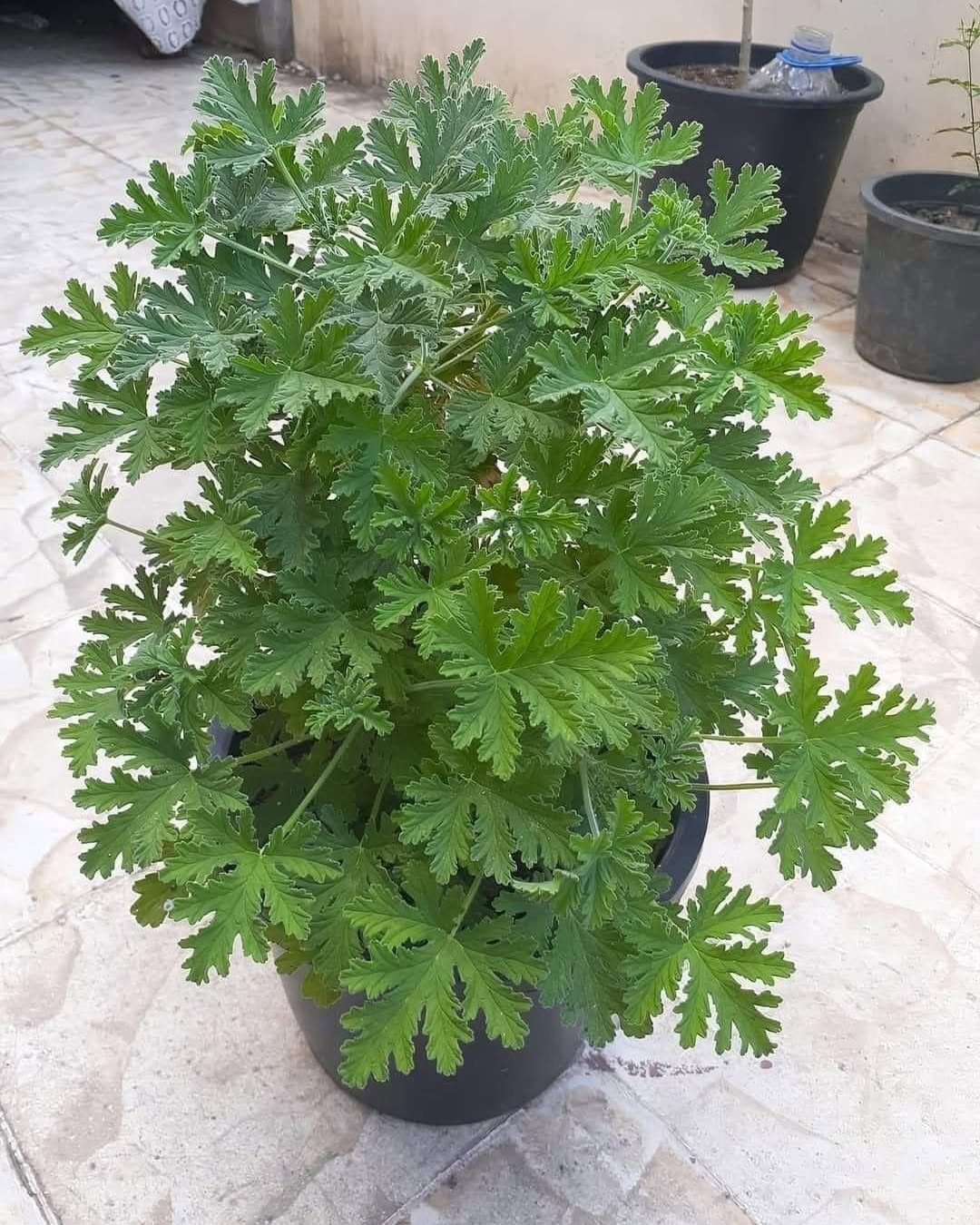
Scented geraniums are the odd ones on this list: you grow them mostly for fragrance, not for the stew pot. Brush a ruffled leaf and the scent releases.
They suit a small home because one plant adds greenery and perfume at once. A black plastic pot is enough, so spend your money on a bright spot instead of a fancy container.
I would put one near a window you pass often, where your hand will touch the leaves. Treat it as a scented houseplant first, with herb duties second.
5. Curly Parsley
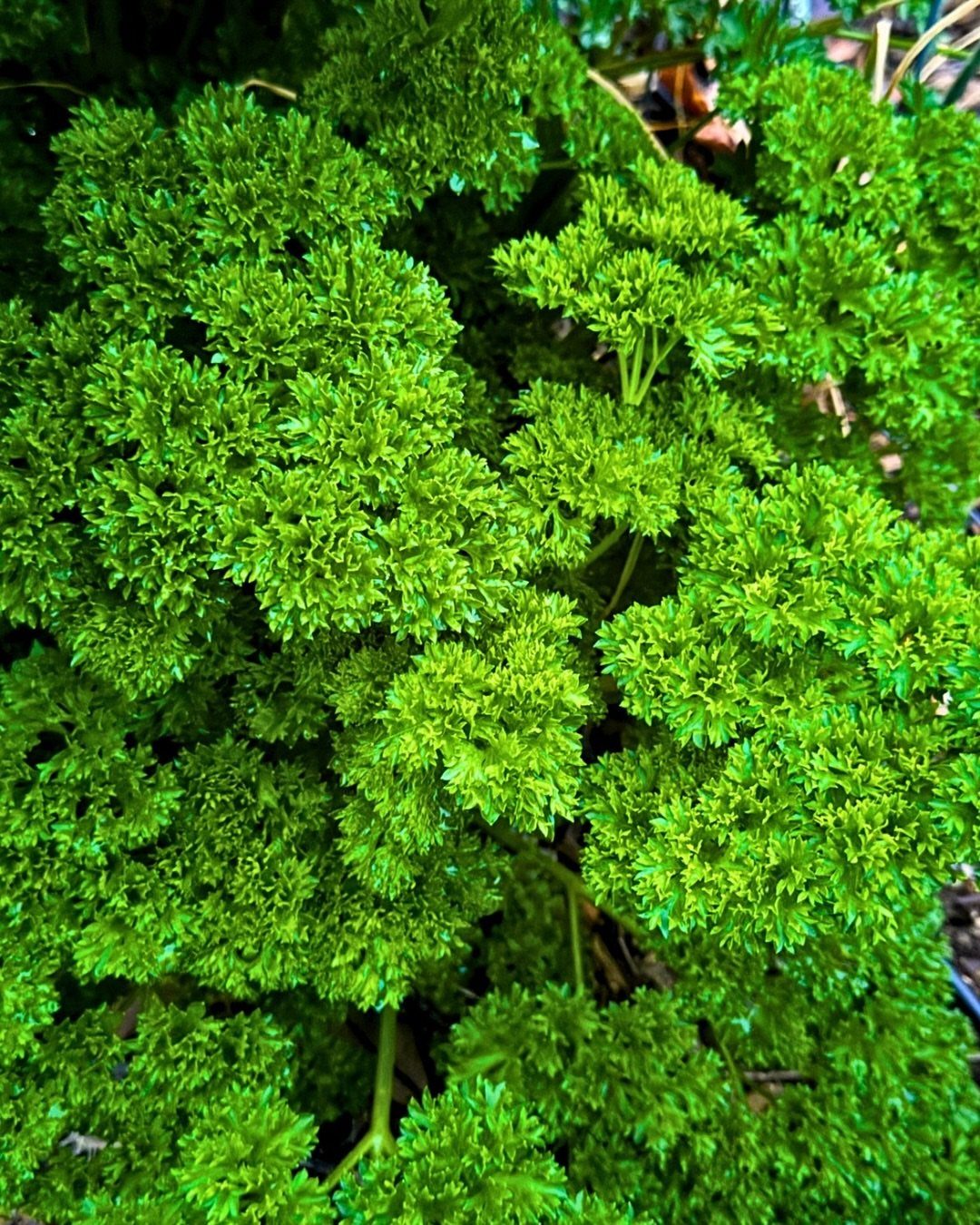
Curly parsley packs a dense mound of bright green leaves into a small pot, which makes it a good fit for a crowded windowsill. A single plant gives you garnish and cooking greens for weeks.
Cut the outer stems at the base and leave the center to keep producing. Taking whole stems works better than nipping leaf tips.
I prefer curly parsley for its looks and for how well it holds up as a garnish. Keep it in bright light, and it stays full.
Light and Grow Lights
Winter is when indoor herbs struggle most, because short days leave them with less light than they need.
Most herbs want 8 or more hours of bright light daily, though a few will get by on 6 hours of sun streaming straight through the glass.
If your window falls short, a grow light fixes it. Choose a full-spectrum, high-output fixture.
Hang the light 6–12 inches above the leaves. A timer set to 12–16 hours a day handles the schedule for you, and if plants get leggy or pale, tweak the timing or the height.
Chives, cilantro, and lemon balm are fine with just 2–6 hours of sun straight from the window, so they can take your dimmer spots. Save the brightest window for bay and thyme.
Containers Soil and Watering
The only must-have for a container is a drainage hole in the bottom. No herb likes sitting in soggy soil, and cool winter temperatures make that worse.
Skip outdoor garden soil and use potting mix.
For bay, thyme, and oregano, I would mix equal parts cactus mix and regular potting soil, which gives the loose, fast-draining texture Mediterranean herbs need. Plain potting soil suits basil well.
Watering splits herbs into 2 camps.
Basil does best when the soil never goes fully dry. Separate pots mean each herb gets watered on its own timetable.
Feed with a liquid houseplant fertilizer once or twice a month.
Although most herbs can survive temperatures in the mid to low 40s, others cannot; for example, basil (Ocimum basilicum) cannot survive temperatures lower than 50°F and should not be kept on windowsills during winter months.
Harvest and Plant Care
Wait until a plant stands 6–8 inches tall before you cut. Then snip just above a leaf node, the point where leaves join the stem, and the plant will branch out and grow fuller.
Never take more than one-third of the plant at a time. Morning is the best time to harvest, since the leaves hold the most oil and flavor then.
Fertilizing is where people overdo it. Water-soluble fertilizer at a low dose every 2 weeks is plenty; heavier feeding can mute the aroma and flavor.
Read the ingredient list before buying an organic fertilizer. Some smell strongly of fish or manure, which gets unpleasant in a closed room.
Frequently Asked Questions
What are some good herbs to grow indoors?
Rosemary, mint, oregano, curly parsley, and scented geraniums all do well on a windowsill.
Rosemary and oregano like bright light and soil that dries between waterings, while mint spreads fast and needs its own pot. Scented geraniums are grown mostly for fragrance, so I treat them as a scented houseplant first.
What are the easiest herbs to grow for beginners?
Mint and oregano are the two I would start with.
Mint forgives beginner mistakes and only asks for a bright spot and soil that never dries out completely. Oregano does best when I leave it alone, so I wait until the top inch of soil feels dry before watering again.
Can I grow herbs indoors all year round?
Yes, as long as they get enough light.
Short winter days are what trip most herbs up, and a windowsill often gives them well under the 8 hours of bright light they want. A grow light fills the gap when your window falls short.
What three herbs grow well together?
Oregano, rosemary, and thyme make a good trio only if they get separate pots, since all three want a gritty, fast-draining mix and dry-ish soil.
Basil and parsley are fine neighbors in spirit but not in one pot with mint, which crowds out anything near it within a season.
Can herbs be grown under grow lights alone?
Yes, a grow light can carry herbs through winter when window light is too weak. A full-spectrum, high-output light hung 6–12 inches over the leaves does the job.
Will indoor-grown herbs taste the same as those grown outdoors?
Often they taste a bit milder, since many indoor herbs are less intensely flavored than outdoor ones.
Basil is the exception: it tastes like basil either way. Strong light helps, and heavy fertilizing can mute aroma and flavor further.