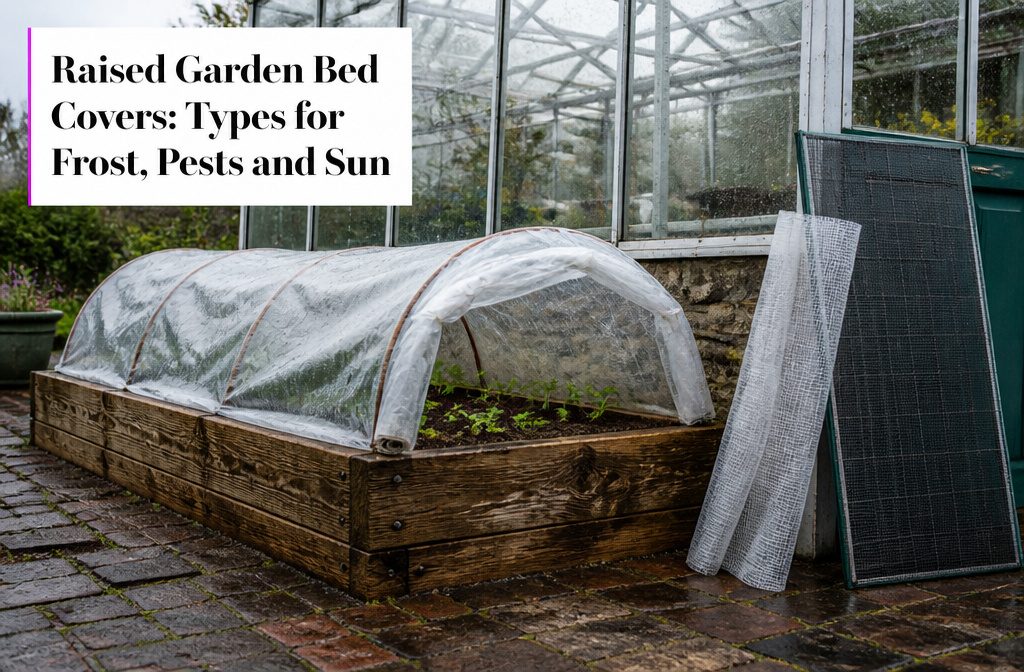
A raised garden bed cover is a fabric, mesh, plastic or rigid-panel layer that sits over a bed to block frost, pests or sun.
Each one handles only its own threat, and sealed plastic can push 40°F air toward 68°F in sun, so it needs venting. Row cover on 9 gauge wire hoops is the cheapest start.
Hoop Tunnels and Row Covers
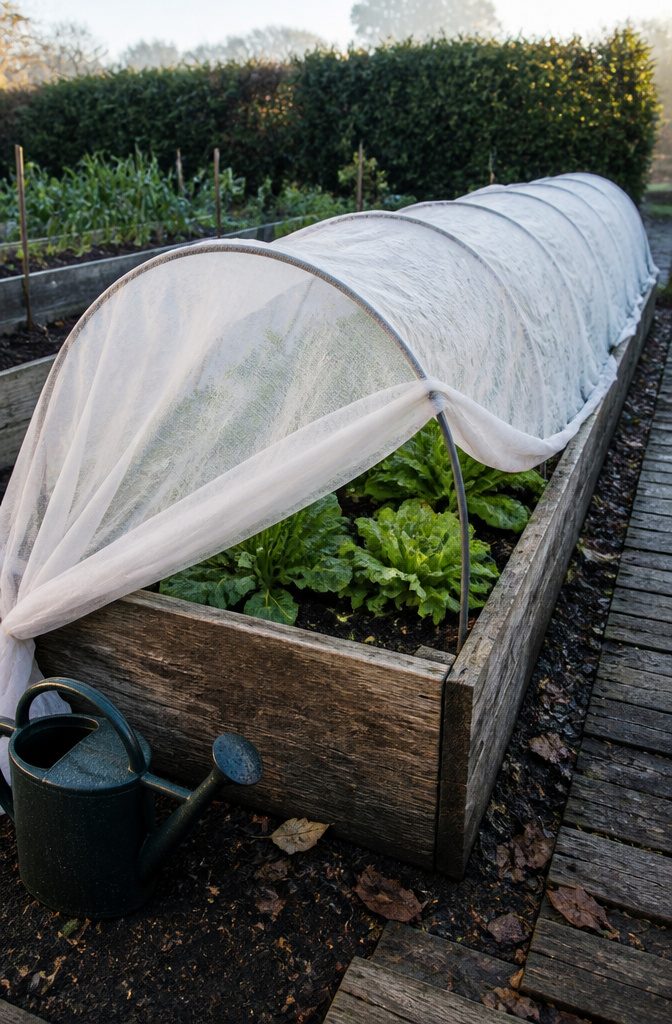
A raised garden bed cover works best floated on hoops rather than laid on the plants.
The fabric sits tidier, and you can lift a side to vent or check the crop without crushing anything. The same frame carries row cover for frost and pests, or plastic for season extension.
For a quick, short-term tunnel, cut 9 gauge wire, bend it into U-shapes and push the ends into the soil.
For a sturdier frame, use 1/2-inch PVC or metal conduit; conduit needs a hoop bender but handles heavy snow far better than PVC or wire.
Fabric weight sets the light.
Lightweight row cover passes 85–90% of light, so it can stay on longer. Heavy-weight passes only 30–50%, which suits temporary winter protection.
Cold Frames and Mini Greenhouses
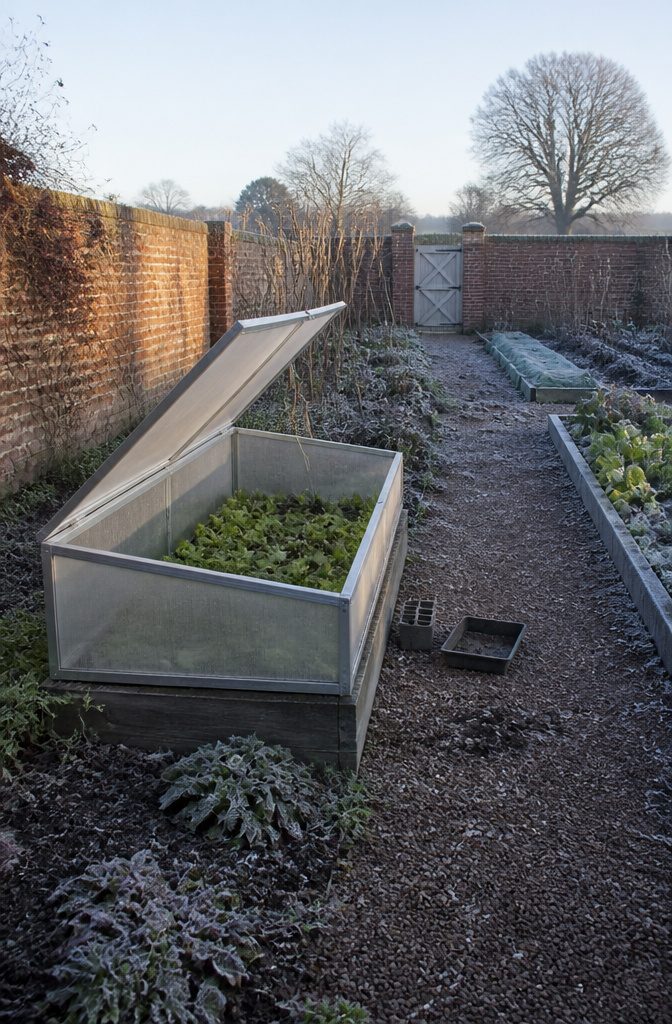
A rigid cover with a hinged lid, a door or a removable top does three jobs a fabric cover can’t: it holds heat on cold nights, gives seedlings a protected start, and stretches the season at both ends.
Twin-wall polycarbonate in 4 mm thickness is the usual choice for sides and tops. It diffuses light, resists impact better than glass, and insulates better than single-layer plastic.
The larger kit style uses a powder-coated metal frame with a zippered door and comes in 8×8, 8×12 and 8×16 sizes, priced from $349 to $1,159.
That is real money for a weekend project, and I’d skip it if frost is only a few nights a year; a cheaper cover does that job.
These covers are sized to their own beds, so a kit rarely fits a bed you already built. Measure first, or buy the bed and cover together.
Mesh, Netting, and Fencing
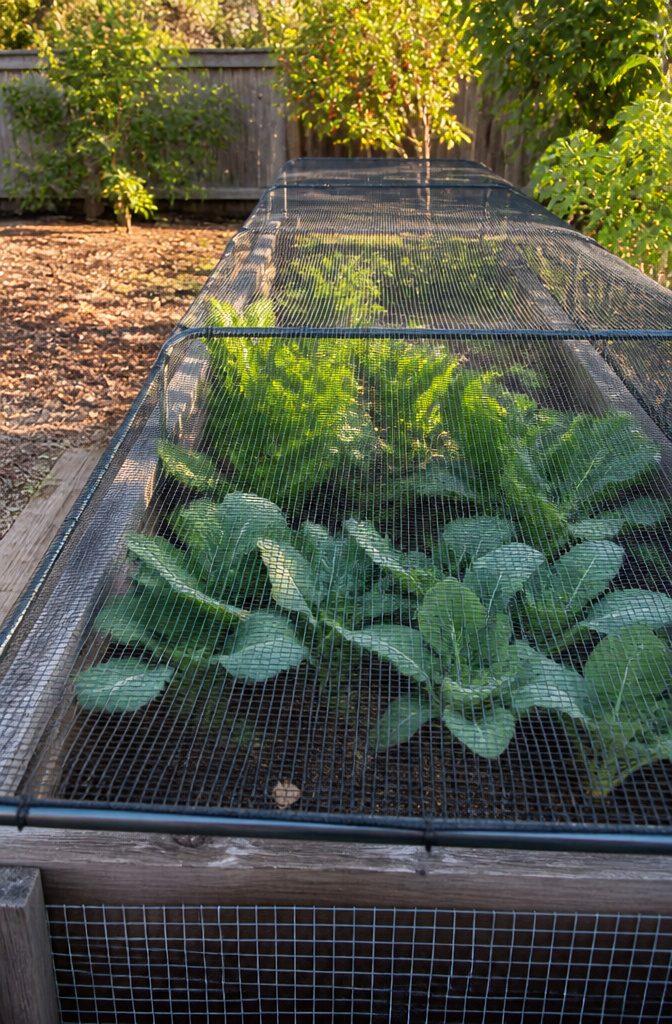
Mesh made from polyethylene or polypropylene is the cheap, light default for a raised bed, and it resists UV, so one season in full sun won’t rot it. Hole size does the sorting.
Fine mesh stops birds, while a large-hole mesh suits deer and rabbits and barely cuts airflow or light. For cabbage worms and squash bugs, switch to insect netting, which lets water and air through.
For animals that dig or chew, I’d skip chicken wire and buy hardware cloth.
It is not cloth at all but flexible, gridded wire, and it cuts, stores and handles far more easily than chicken wire while lasting just as long.
Pull any netting taut and fasten every edge, because slack mesh is what tangles birds.
Shade Cloth
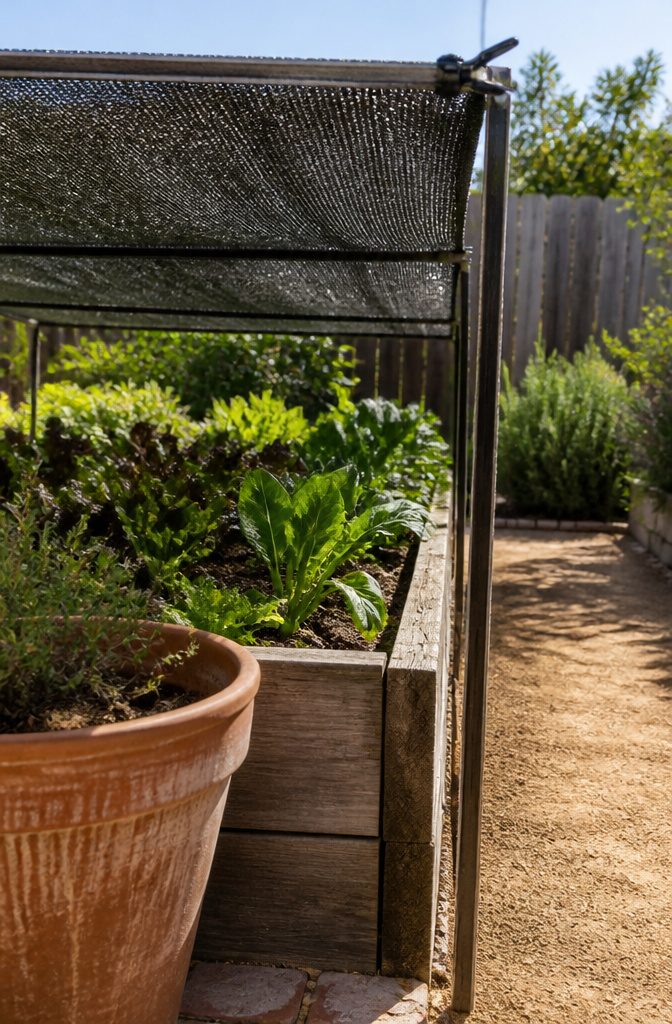
Shade cloth is the cover for heat, and it works over a raised bed because it cuts sun without sealing the plants in. Cloth is sold from 5% to 90%, and the number is literal: 70% cloth blocks 70% of the sun’s rays.
Knitted polyester is the better pick for a bed, since it’s lighter and doesn’t fray when you cut it, while woven cloth is heavier and unravels at the edge.
I like it most over newly seeded or transplanted beds. The shade slows surface drying, which helps germination and eases transplant shock.
In late spring it also delays bolting in lettuce, arugula, and spinach. Stretch it across the top so plants are shaded mainly through the hottest part of the day, and clip it down so wind can’t carry it off.
Plastic Sheeting or Panels
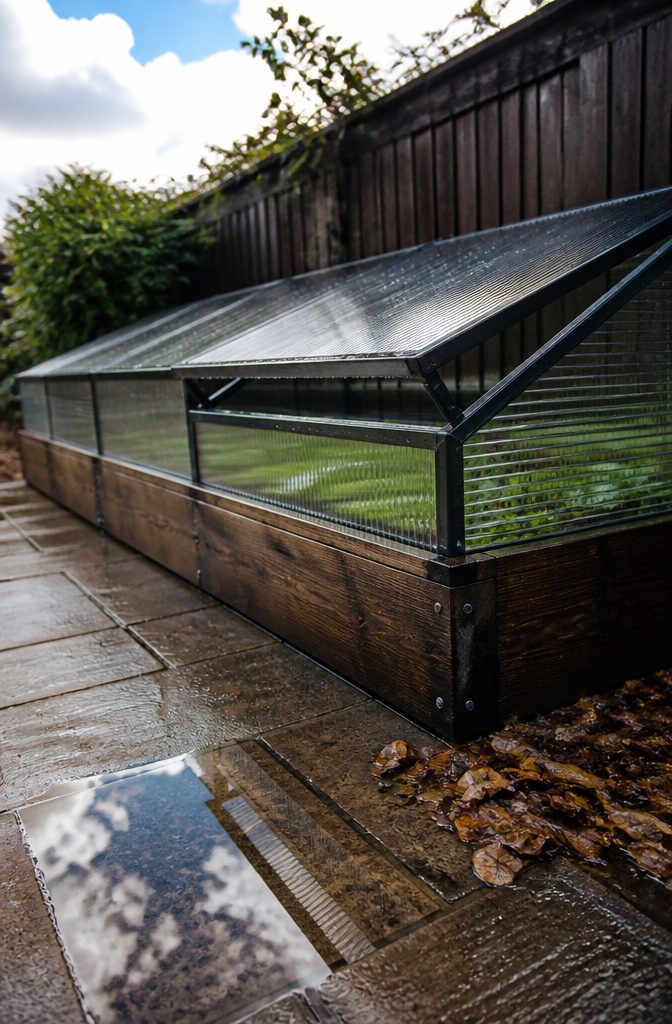
Flexible sheeting and rigid panels both hold heat and shed rain, but they suit different beds.
Sheeting drapes over hoops and fits almost any frame. Rigid polycarbonate panels, smooth or corrugated, cost more and need a sturdier frame, though they last.
For sheeting, buy 6 mil UV-treated greenhouse plastic.
Painter’s drop cloth film is thin, tears easily and gives little frost protection. Greenhouse plastic also resists sun breakdown, and a roll cut to size usually beats pre-cut lengths on cost.
Solid plastic blocks water, so check soil moisture if it stays on more than a few days.
It also traps heat: 40°F air can push a covered bed toward 68°F in sun. Row covers and shade cloth let air and rain through; plastic does not, so vent it.
Individual Cloches
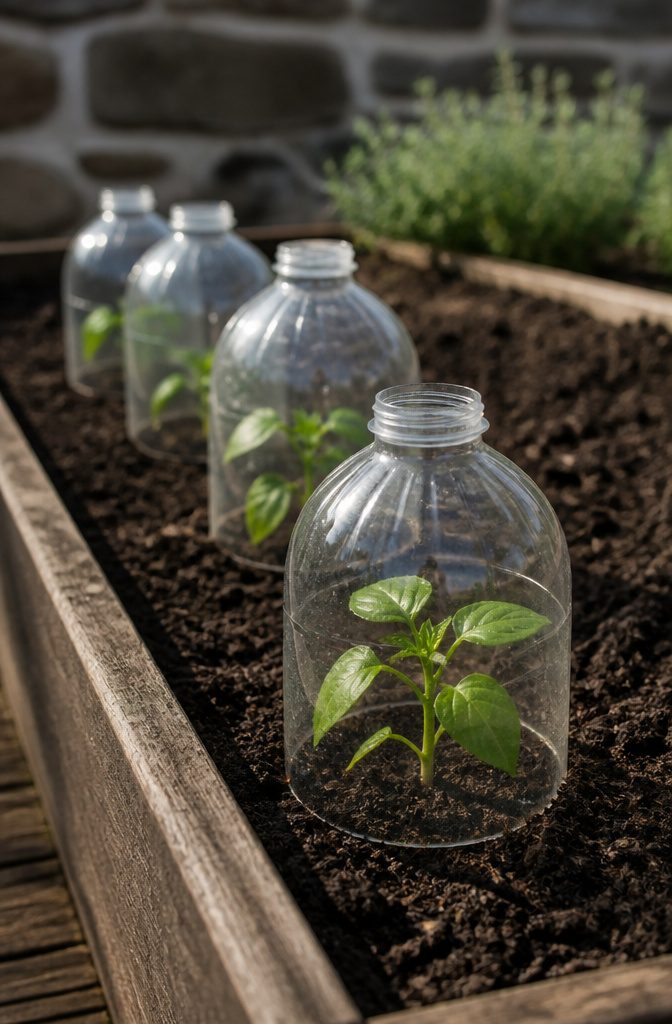
A cut milk jug, water jug or juice container makes a cloche for the price of something already headed to the recycling bin.
Slip one over a newly transplanted pepper or tomato seedling in spring, and take the cap off so heat can’t build up inside on a sunny afternoon.
Bottles with the bottoms cut off work the same way, and tomato cages or mixing bowls can stand in when a cold night catches you off guard.
Glass bell jars look good but cost more and break. Packs of plastic cloches are sold online and at garden centers.
Cloches win for a handful of transplants. Once you have a dozen seedlings or a whole bed to protect, switch to a mini hoop tunnel, because setting up and collecting jugs every day gets old fast.
Match the Cover to the Threat
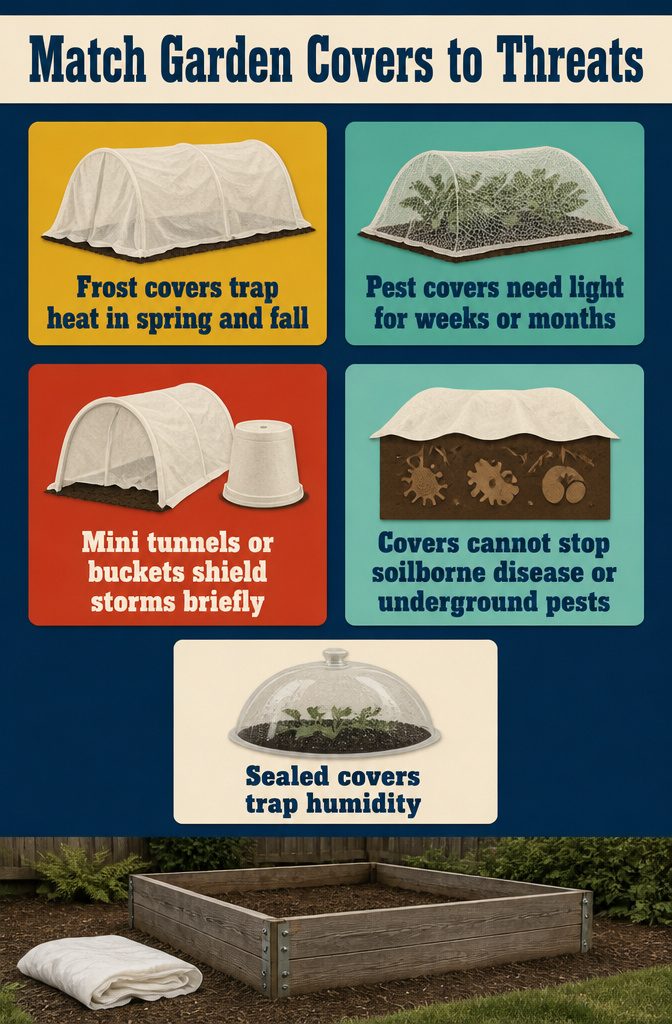
A raised garden bed cover that stops frost will not stop a rabbit, and the reverse is just as true.
Frost covers such as row covers, polyethylene sheeting and cloches trap heat, so they belong on the bed in spring and fall.
Pest covers stay on for weeks or months, which means they must let light through; insect netting and barrier fabric fit that job against flea beetles, cabbage worms, deer and rabbits.
Storms need something different: a quick mini hoop tunnel or even a bucket over a new seedling covers hail, downpours and wind for a day or two.
Pick the threat first, then the cover. Know the limits too:
Not every garden problem can be solved with a single cover. Raised bed covers will not protect plants from pre-existing soilborne diseases, underground pests, or extreme temperatures.
Sealed covers also trap humidity, so don’t expect one cover to handle every threat.
Measure Your Bed First
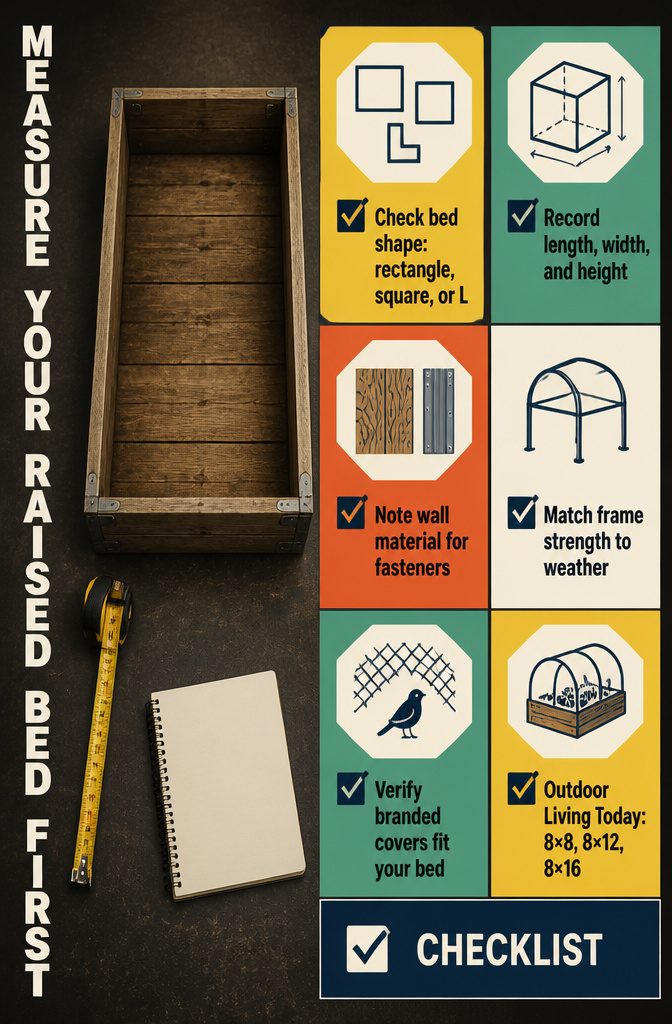
Measure and note these before you add anything to a cart:
- Bed shape. A greenhouse-style cover built for a rectangle will not sit right on a square or L-shaped bed.
- Length, width and height. Write down all three, since a cover that fits the footprint can still crush tall plants.
- Bed material. Wood, metal and other walls hold fasteners and clamps differently, so check what a cover attaches to. One tutorial I came across is built specifically for wooden beds.
- Support frame. Light shade or floating row cover needs only a simple frame, while a cover meant for severe weather needs a heavier one.
- Brand. Branded covers, such as Outdoor Living Today’s bird netting covers, fit only their own beds unless the dimensions match exactly. Theirs come in 8×8, 8×12 and 8×16.
Frames and Cover Materials
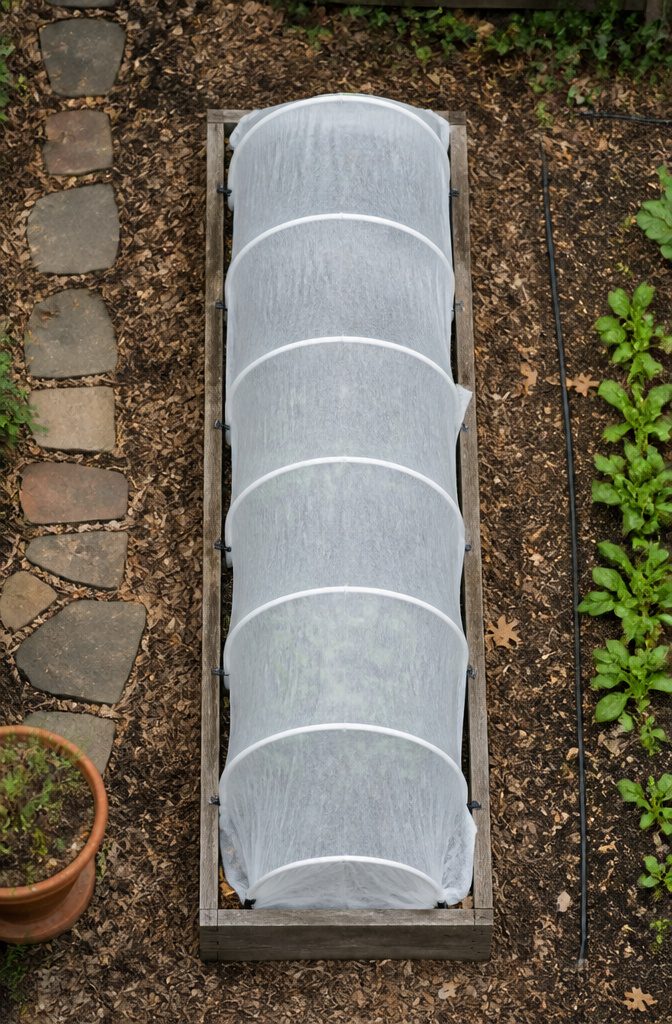
PVC is the easiest frame to like: it comes in fittings for hoops, square frames and angled roofs, costs little, and comes apart for storage.
Wind is its weakness, since light pipe needs a fastening method that suits both the pipe and your bed’s material. Metal conduit hoops handle heavy snow far better, though you need a bender.
For a cheap, forgiving build, I’d pick the PEX tunnel.
Use 1/2 inch pipe in 7-foot sections, one support about every 4 feet, and each section makes a tunnel about 2 feet tall over a 4-foot bed. Clamp each end to the bed, leaving 3–6 inches of pipe to slide in.
A drill is the only tool you need. Two clamps per side keep the pipe from leaning under the fabric.
Venting, Access, and Upkeep
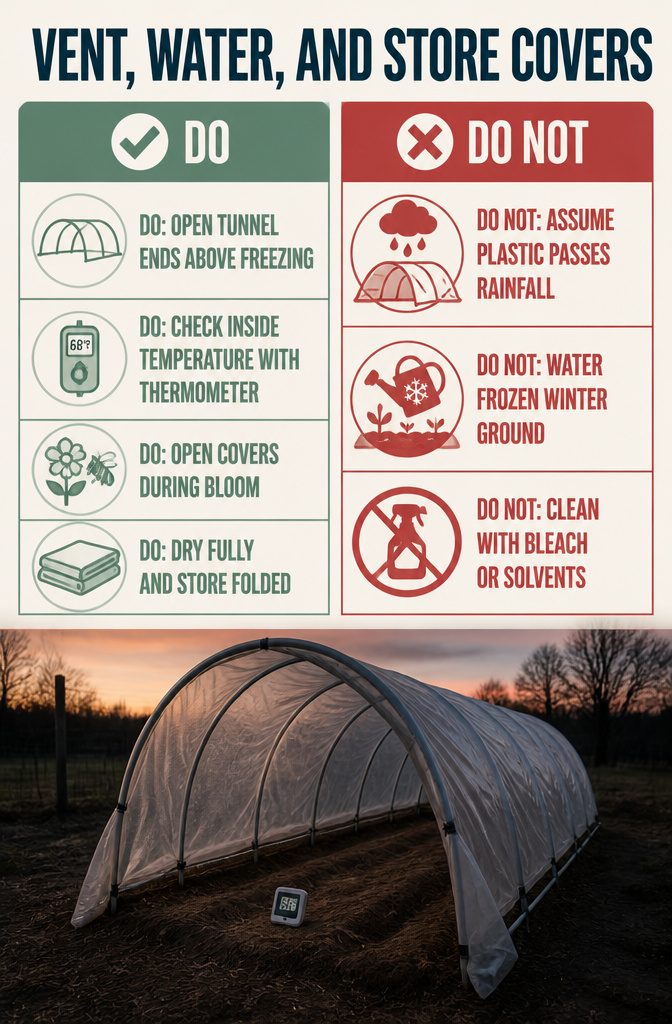
A tunnel can hit 68°F on a day that is only 40°F outside, and that happens even under a thin layer of cloud.
Open the ends of a hoop tunnel, or prop the lid of a cold frame, once the air is a few degrees above freezing. A cheap indoor/outdoor thermometer tucked inside saves you from guessing.
Nonporous plastic blocks rainfall, so check the soil if it stays on more than a few days.
Row cover and shade cloth let water through. In frozen winter ground I wouldn’t water at all.
Open covers during bloom so pollinators can reach squash, peas and berries.
Clean with mild soapy water, not bleach or harsh solvents. Dry the cover fully, then store it folded.
Frequently Asked Questions
What is a frost tunnel?
A frost tunnel is a low hooped frame covered with row cover or plastic to hold heat around plants on cold nights.
Low tunnels are the smallest type and suit home raised beds. Wire, PVC or metal conduit can make the hoops, and conduit handles heavy snow best.
How do you protect a raised garden bed from frost?
Float row cover or plastic over hoops set above the bed, and clip or weigh down the edges so wind can’t lift it.
Lightweight row cover passes 85–90% of light, while heavy-weight passes 30–50% and suits temporary winter protection. Open the ends once the air is a few degrees above freezing, because a covered bed can climb from 40°F to 68°F in sun.
What don’t raised bed covers protect against?
Covers won’t stop pre-existing soilborne diseases, underground pests or extreme temperatures.
They also can’t handle rare events like tornadoes or hurricanes. Sealed covers can trap humidity too, so match the cover to the one threat you’re facing.
How do you choose the right raised garden bed cover?
Pick the threat first, then the cover. Row covers, plastic and cloches handle frost, insect netting and barrier fabric handle pests like flea beetles and cabbage worms, and shade cloth handles heat.
Then measure your bed’s shape, length, width, height and material so the frame and cover fit.
How do you measure a raised bed for a cover?
Record the bed’s shape, length, width and height, since a cover that fits the footprint can still crush tall plants.
Also note the wall material, because wood and metal hold clamps and fasteners differently. Branded kits fit only their own beds unless the dimensions match exactly.
How do you store a raised bed cover when it’s not in use?
Clean it with mild soapy water, dry it fully, then fold it for storage. Skip bleach and harsh solvents, which can damage the material.