Your window decides which of these 4 fruits to grow indoors: a plant that gets 8 hours a day of light will bear, and one that only survives won’t.
The list runs from strawberries in a hanging planter, which need the least floor space, to a clementine or calamondin in a large pot, where citrus asks for your brightest south-facing glass and some patience.
A fig sits in between, happy outside in summer and indoors for the cold months, so a dim apartment can still grow fruit if it adds a grow light.
1. Fig
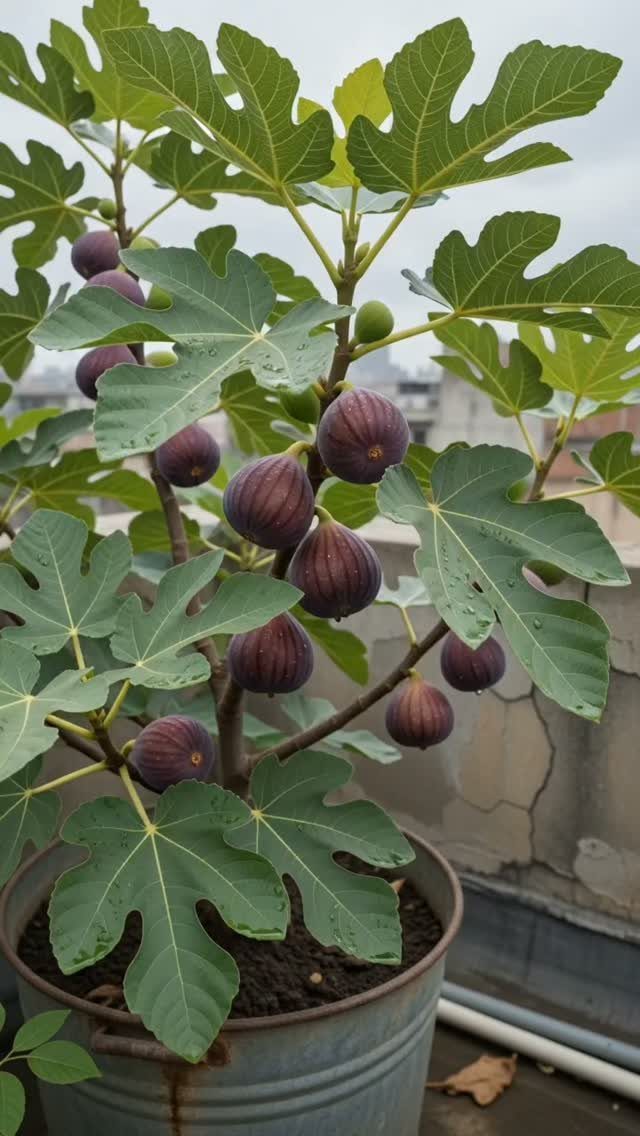
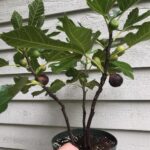
A fig in a big pot is the one fruit tree here that I’d happily park outside on a sunny rooftop or balcony, then bring in for the cold months.
Containers suit figs because they keep the roots in check, and the tree stays a manageable size.
Choose a variety sold for pots, since varieties differ a lot in how well they handle containers.
Pick a heavy pot that won’t tip when the leaves fill out. Metal works, but give it a spot where the sun can’t bake the roots.
2. Calamondin Orange
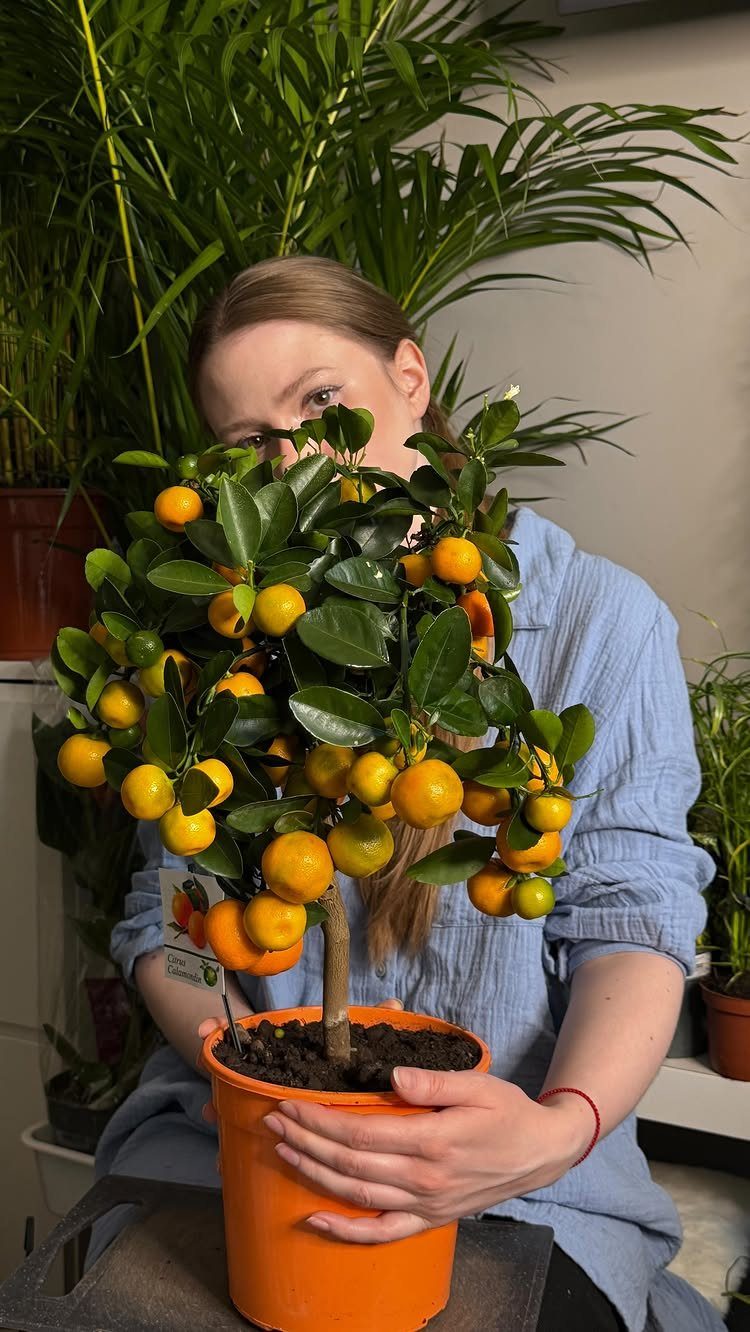
Small, tart, and nearly always carrying fruit: that’s why I’d pick a calamondin for a first indoor citrus. This dwarf orange stays pot-sized and can produce year-round, so you aren’t waiting through one long season for a single harvest.
Give it your brightest window. The fruit is sour, so plan on using it like a lime: squeezed into drinks, tea, or marmalade, rather than eaten out of hand.
Keep it near other plants if you like a green corner, but don’t crowd it away from the light.
3. Strawberry
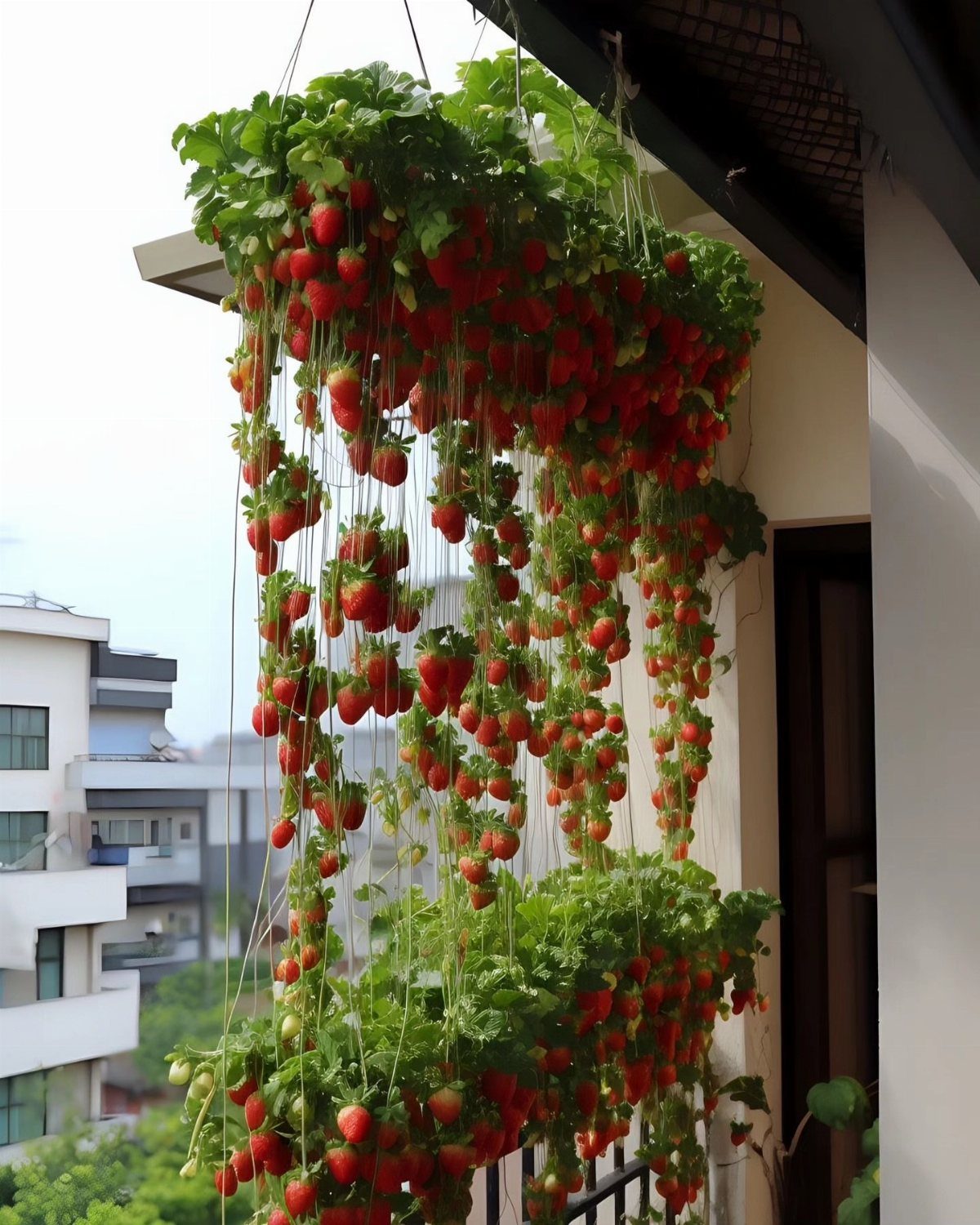
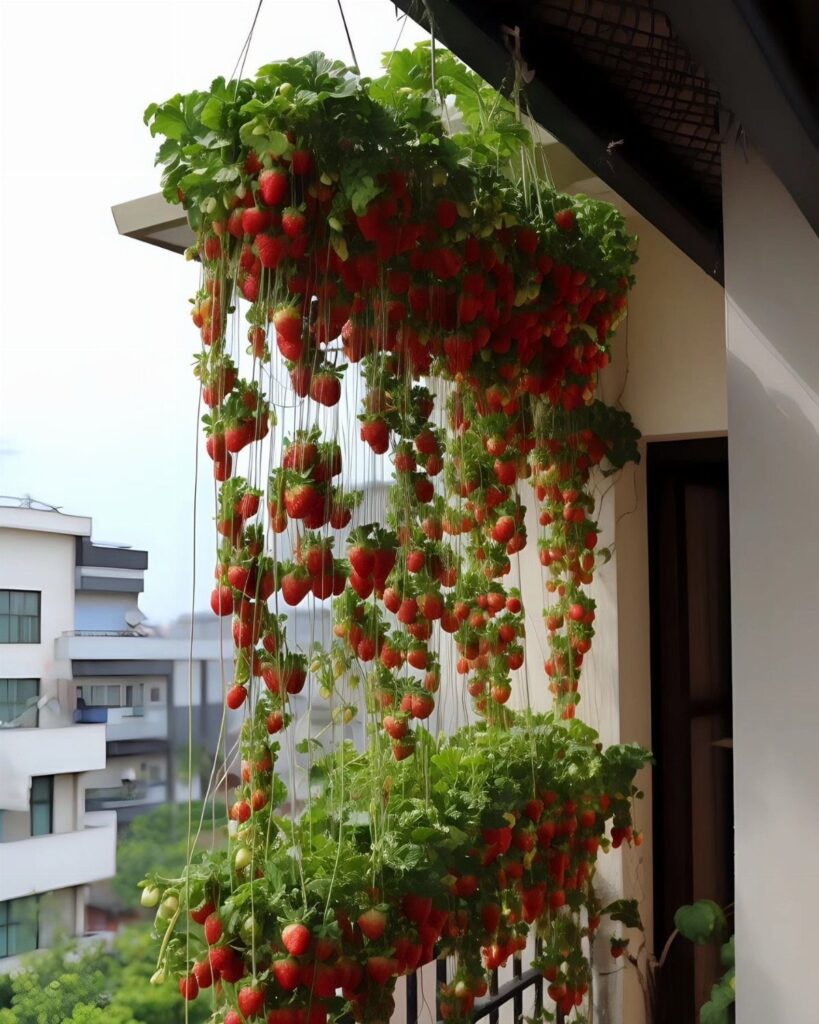
Strawberries ask for the least space of any fruit on this list. A hanging planter lifts them off the floor and lets the berries dangle where you can spot the ripe ones.
Pick a container deep enough to hold several plants, and hang it where sun reaches it for much of the day.
Pick berries once they turn fully red. Hanging baskets are my pick for small balconies, because they use air instead of floor.
4. Clementine
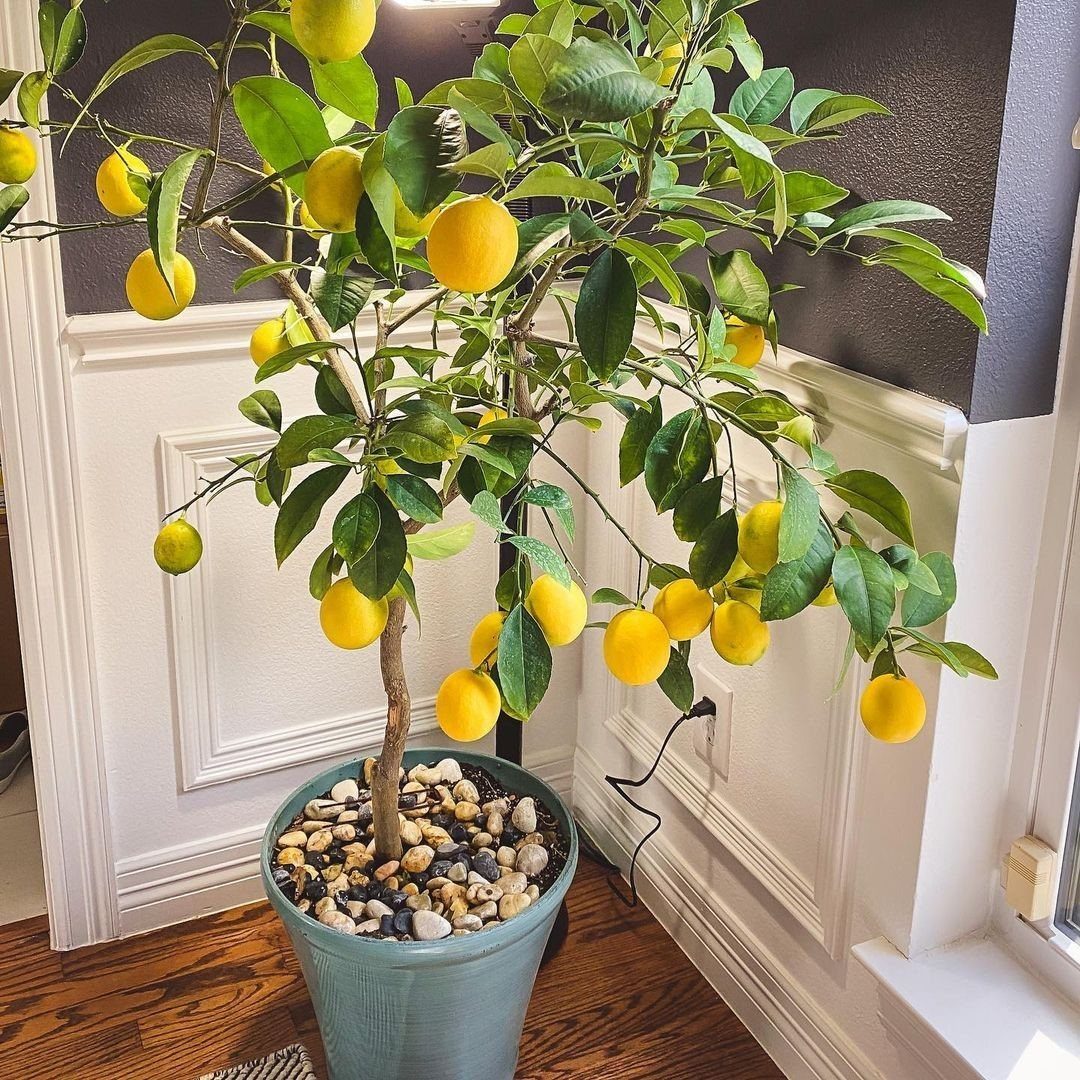
Clementines are a small mandarin type, so a single tree can spend its entire life in a large pot without ever needing a yard.
That makes it a good fit for a bright room where a full-size tree would never work.
Plant it in a pot with drainage holes, and set the pot on a saucer so the wood floor stays dry. Put it near your sunniest window.
Expect to wait for fruit, since citrus doesn’t hurry. A pot color that stands out, like teal, also keeps the tree looking good between harvests.
Of all citrus plants to grow inside, meyer lemons are the easiest. They can be grown indoors all year around, and the fruit is sweeter than a regular lemon, according to the Planting Tree.
General Indoor Fruit Care
Light decides whether a fruit plant bears at all. Aim for at least 8 hours a day, so give it the brightest spot you have, ideally beside a large, unshaded south-facing window.
If your rooms stay dim, a grow light is a fair fix. Fruit needs light to form, and a plant that only survives won’t fruit.
Pot indoor fruit in a loose, fast-draining mix, and keep a regular watering rhythm so the roots never sit soggy or dry out completely.
Too much water and too little both stunt growth, so check the soil before each watering instead of following the calendar.
Feed the plant to get fruit. Compost or worm castings keep things organic, while synthetic fertilizer is easier to find and simple to use if you follow the label amount.
Indoors there are no bees, so some plants need your help. With no bees indoors, a small soft paintbrush can carry pollen between blossoms; dab each open flower in turn.
Check leaves regularly for spider mites, scale and mealybugs, and watch for powdery mildew.
Choosing and Starting Plants
Buy a dwarf variety. Most fruit plants are bred for outdoor growing, and the dwarf types are the ones that cope with life in a pot indoors.
Check what each plant needs in light, warmth and humidity ahead of the purchase, and be honest about whether your windows can deliver it.
Seeds are cheap and fun to start, but a seedling can take years longer to fruit than a grafted tree, and what it produces is often a letdown.
For citrus, I’d buy a grafted dwarf tree that’s 2–3 years old and skip the wait.
Cuttings usually get other fruit plants to maturity sooner than seed does. If a friend has a healthy plant, a cutting is often the quickest route to a harvest.
Frequently Asked Questions
What fruits can I grow in my house?
Calamondin orange, clementine, fig and strawberry all work in pots. Calamondin is the easiest first citrus because it stays small and can fruit year-round.
Strawberries need the least room, and a hanging planter keeps them off the floor. Dwarf varieties are the safe pick for any of these, because standard fruit plants are bred for orchards and outgrow a living room fast.
What plants are suitable for growing indoors?
For fruit, dwarf citrus such as calamondin and clementine, strawberries in a hanging planter, and a fig in a big pot are good choices.
Dwarf varieties cope best with life in a container. Check each plant’s light, warmth and humidity needs against what your windows can really deliver before buying.
Do you grow fruit trees indoors?
They do well in pots, and my first pick would be a grafted dwarf citrus, ideally 2–3 years old so it can fruit sooner.
It skips the long wait that seedlings face, and seedlings often give disappointing fruit. Give it your brightest window, at least 8 hours of light a day, and a loose, fast-draining potting mix.
Is October too late to plant fruit trees?
I can’t give a planting-date rule for outdoor trees, but indoor fruit plants live in pots, so timing matters far less.
What counts is the light they get. Put the plant in your brightest spot, and add a grow light if the room stays dim.