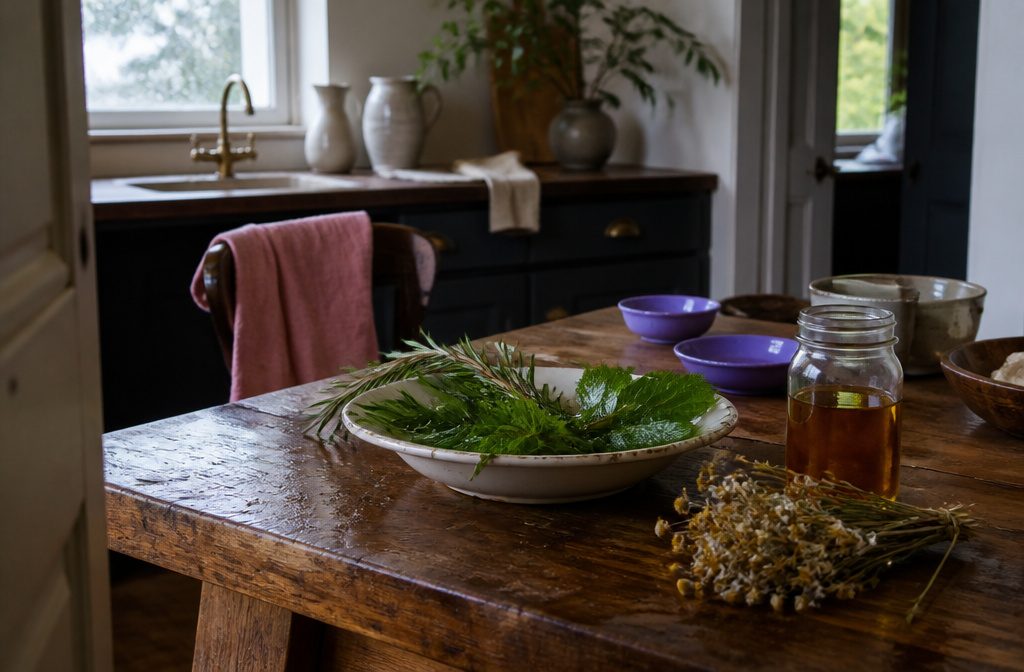
Herbal plants are leaves, flowers, and roots used as teas, tinctures, oils, and poultices, and nearly all of their health uses rest on tradition more than formal research.
The exception is risk: chamomile has reported interactions with blood thinners and organ-rejection drugs, so check with a doctor before brewing anything.
Chamomile
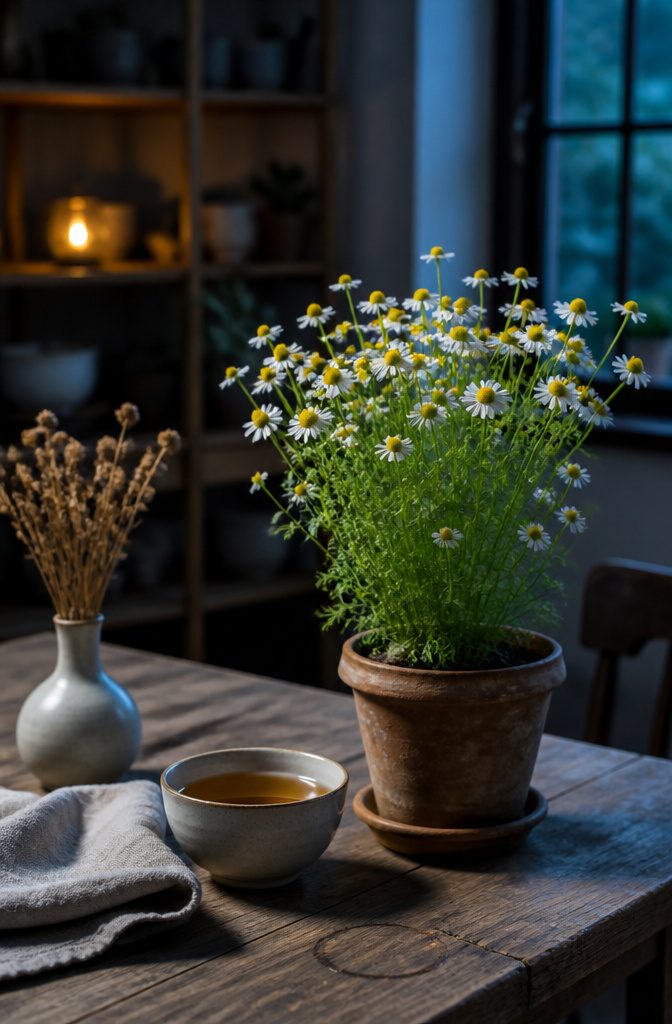
Chamomile is a tea herb, and the part you use is the flower. People reach for a cup at night for calming, sleep and an unsettled stomach, and it has a long record in Egyptian, Greek and Roman medicine.
Human studies have confirmed little for any single condition, so I treat it as a gentle habit rather than a treatment.
Skin is a side use: a compress on sore skin or eczema, or a rinse for hair.
Check with a doctor first if you take blood thinners or drugs to prevent organ rejection, since interactions have been reported. It can add to drowsiness with other medicines.
Safety in pregnancy or nursing is unknown, and long-term effects are too. Side effects are uncommon: nausea, dizziness, allergic reaction.
Echinacea
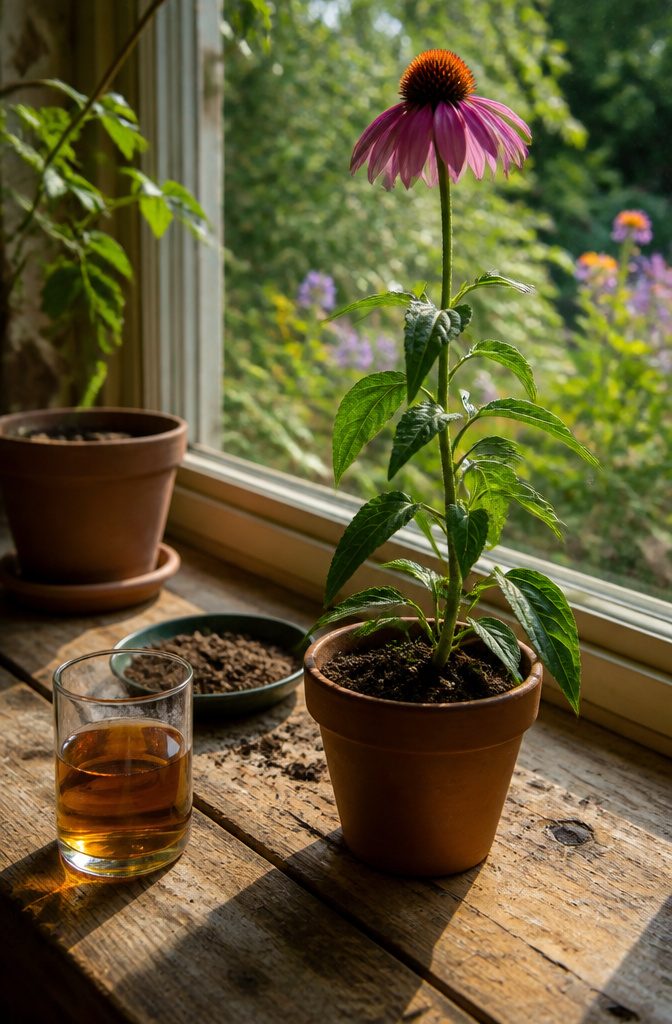
Purple coneflower is the easiest herb on this list to grow and one of the hardest to promise anything with.
Studies on whether it prevents or shortens a cold have come out unclear, though some show a modest benefit for upper respiratory infections.
I’d treat it as a short-term tea or tincture, not a daily habit, since long-term safety is unknown and extended use may affect the immune system.
Skip it if you react to ragweed, chrysanthemums, marigolds, or daisies, because echinacea is in the same family. Nausea and stomach pain are the usual side effects.
For growers, it takes sun, tolerates drought, and reaches 3–4 feet. Flowers start in year two, but the roots aren’t ready to harvest until the plant is two or three years old.
Calendula
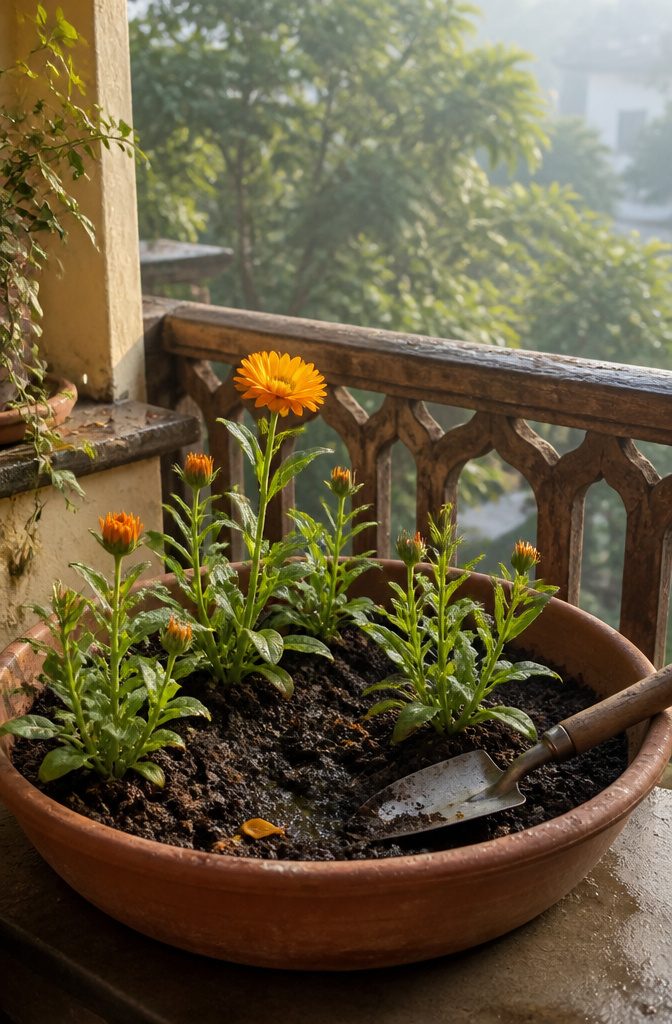
Calendula is the skin herb in this lineup. Herbalists reach for it on mild red, itchy or dry skin, and the traditional external uses run to bites, stings, sprains, wounds and sore eyes.
Internal use is secondary: the petal tea has been taken for fevers and to ease varicose veins.
It is also one of the easiest plants here to grow. Start seed indoors 6 weeks before your last frost.
It tolerates poor, acidic or alkaline soil as long as the soil stays moist, and it does well in a pot, hence "pot marigold." Space plants 10–14 inches apart; they reach about 18 inches tall.
Pick the sticky flowers every two to three days to keep blooms coming. It self-sows unless you mulch heavily, which I’d count as a bonus for a budget garden.
Lavender
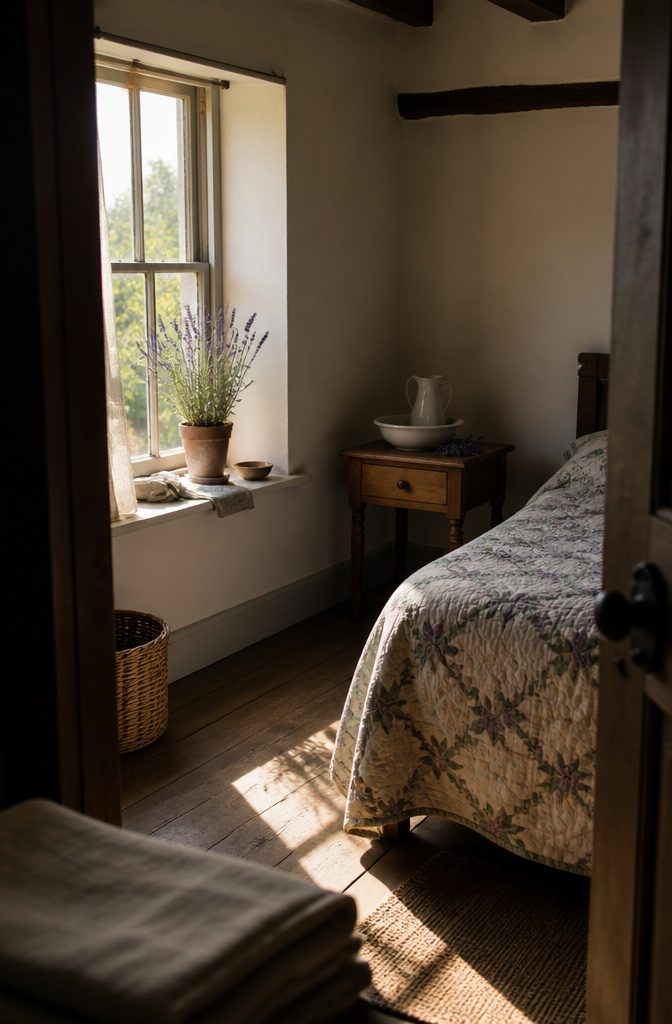
Lavender’s reputation rests on calm and sleep, and the smell alone does a lot of that work.
The easiest forms are the ones you can make at home: dried flowers sewn into a pillow or eye pillow, a pinch sprinkled on the sheets, or a few drops of oil in a bath to ease tension.
It also pairs with chamomile or valerian in a bedtime tea.
Fresh flowers are mild enough for cooking in small amounts: honey, lemonade, butter, shortbread. Topically, lavender shows up in creams for sunburn and acne.
Claims should stay modest. A 2019 review found it may reduce anxiety, and short-term use is generally considered safe.
Topical use can cause allergic reactions, and safety in pregnancy or while nursing is poorly studied. Skip swallowing essential oil unless a doctor okays it.
Basil and Holy Basil
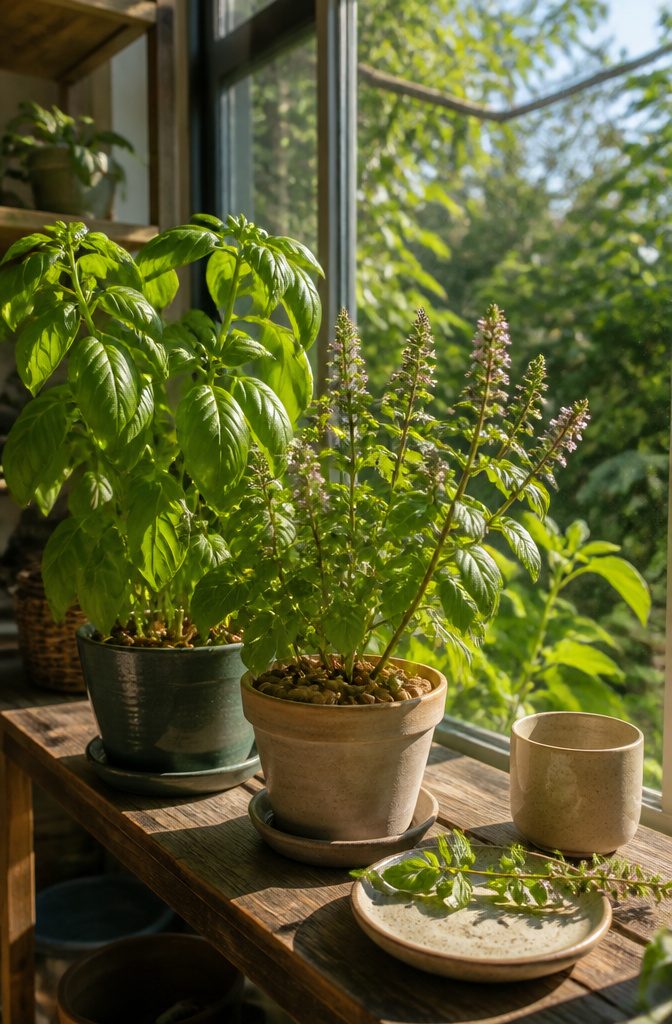
Basil dies fast in the cold: it cannot tolerate temperatures below 40°F, so keep it indoors or wait until frost is well past.
Give it well-drained soil, and if you use a pot, put pebbles or terra-cotta at the bottom for airflow.
Cut full sections every few weeks and harvest before it flowers, which keeps the flavor and pushes new growth. Fresh leaves also go into tea, and basil has a folk use for stomach gas and poor appetite.
Holy basil (tulsi) is the one I’d grow for tea. The leaves and flowers are brewed for colds, coughs, bronchitis, sinusitis, and indigestion.
It grows 1–2 feet tall, needs full sun, and is perennial only in Zone 10 and warmer. Cut it back to 8 inches and it regrows.
Peppermint
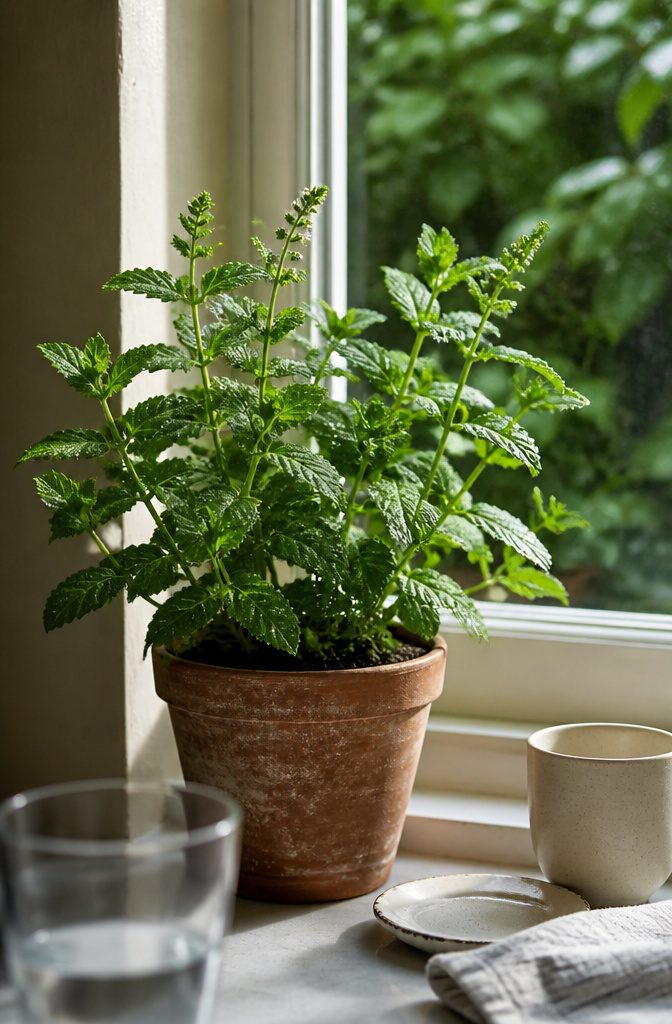
Peppermint is the mint to reach for when the problem is a stomach: infused leaves are traditionally used for gas, upset stomach and irritable bowel symptoms.
Its tea also soothes a sore throat, cough or cold, which makes one pot on the windowsill useful in two seasons.
Plain garden mint is the better pick for cooking and for keeping bugs away, since it goes into teas, desserts and lamb dishes and can be planted as a natural insect repellent. For anything medicinal, I’d choose peppermint.
Give it a sunny spot and moist soil. Sun raises the oil content, and the oil is what carries the potency.
Peppermint is less invasive than its relatives, but I’d still pot it. Pick often, ideally before and during flowering.
Thyme
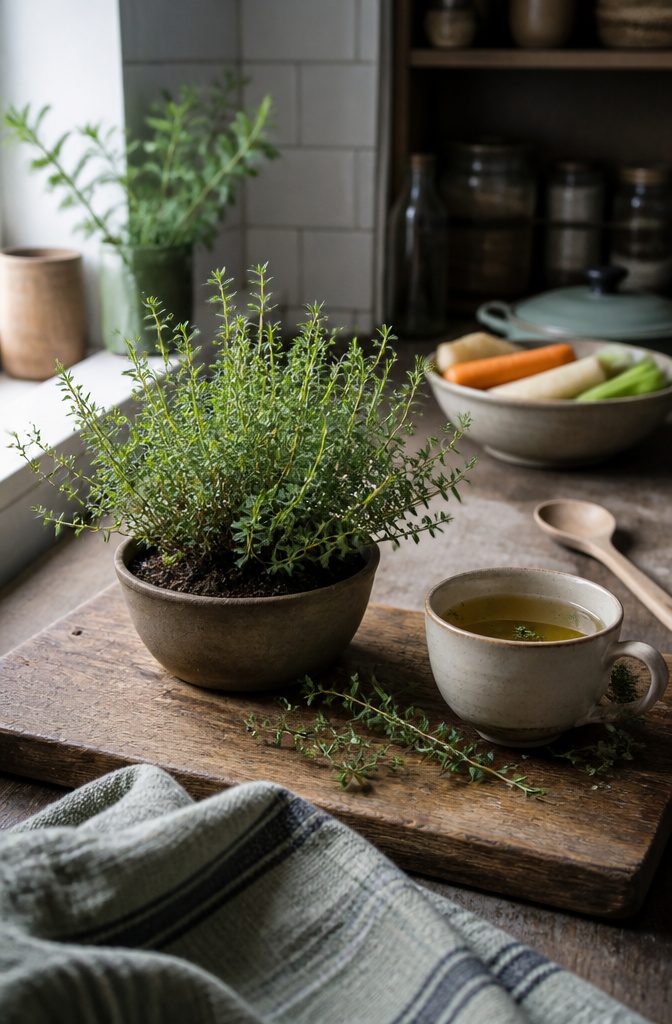
Thyme’s reputation as an antiseptic comes down to one compound, thymol, which is the reason the herb shows up in so many traditional remedies for coughs and sore throats.
Thymol is antimicrobial, and that is what people point to when they steep thyme into a tea or syrup for a chesty cold.
For respiratory use, a strong cup of thyme tea is the simplest form, and it needs only a few sprigs and hot water. I would start there before buying any extract.
In the kitchen, thyme earns its place faster than any other herb on this list.
It holds its flavor through long cooking, so add it to soups, roasts, and braises early. Its small leaves strip easily from woody stems, and dried thyme works nearly as well as fresh.
Sage
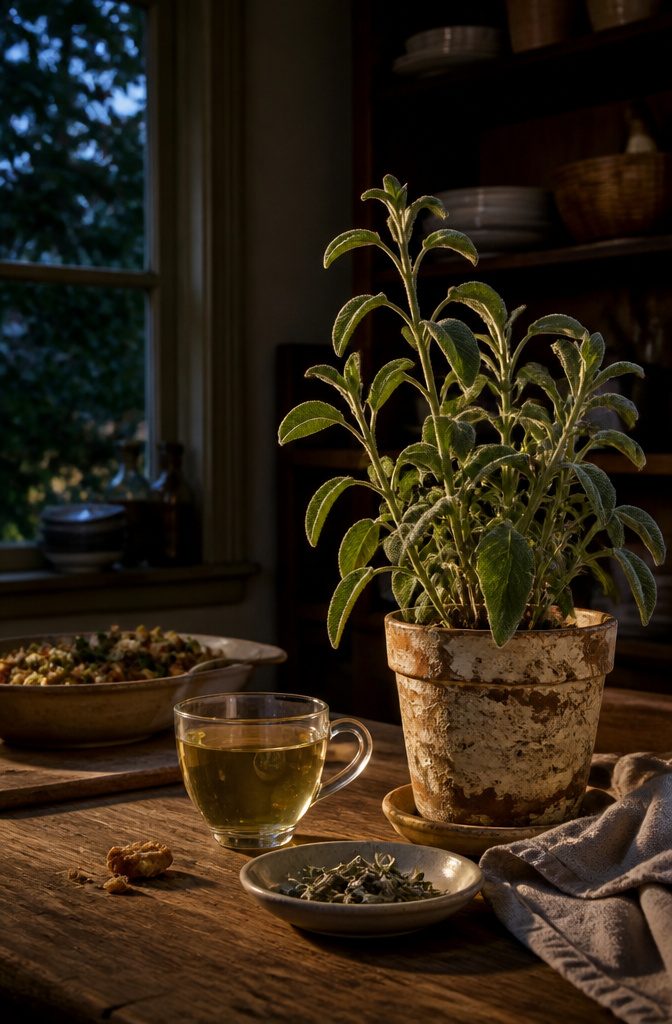
Salvia comes from the Latin for "to heal," and sage’s reputation for mouth and throat trouble is the best-founded of its uses.
A cup of sage tea is the usual home move for a sore throat, and it can also be used externally for gum and mouth infections.
For digestion, sage is traditionally taken for indigestion and flatulence. It is also taken for excessive sweating, which is a common reason people reach for it during menopause.
Mood and memory are where I would be careful. Anxiety and depression show up on the traditional list, but that is history, not proof, and I would not count on a cup of tea to treat either.
Pineapple sage attracts hummingbirds, which makes it the better pick for a garden bed. Common sage suits the kitchen, especially in sausage and stuffing.
Garlic
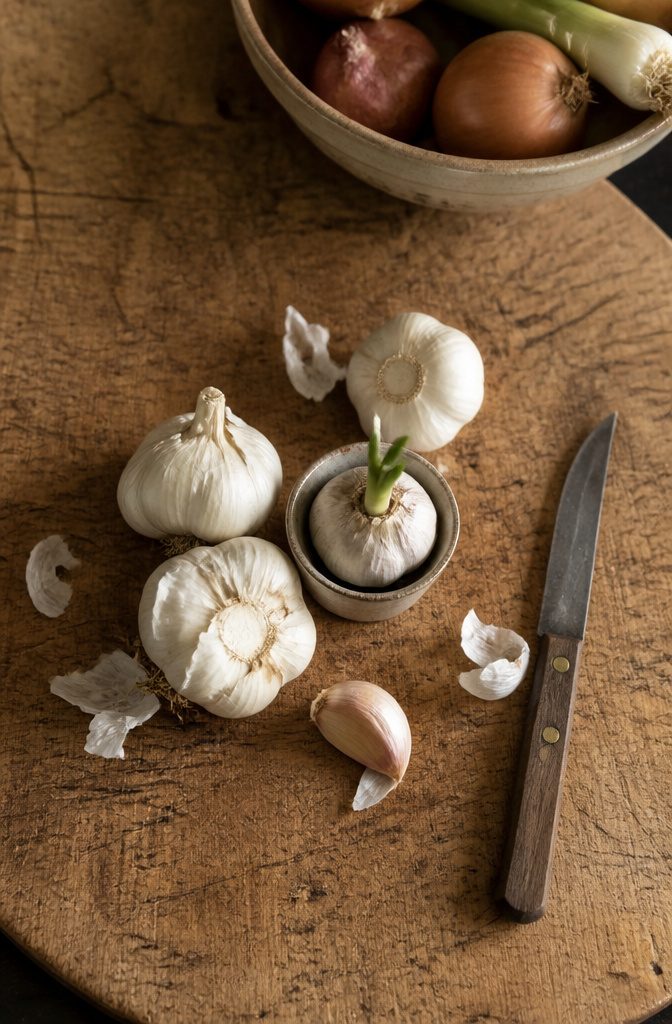
Garlic earns its place in the kitchen first, and most of what it does for health comes from eating it as a regular food, not from taking it as a remedy.
The evidence that it fights germs, protects the heart and reduces inflammation is real, but the results on cholesterol and blood pressure are mixed. I would not count on it to replace a prescription.
The FDA considers garlic safe, with one real exception: it can raise bleeding risk.
Skip large amounts before dental work or surgery, and do not combine it with warfarin or other blood thinners. Cooking with a few cloves is a different matter from taking concentrated doses, and that is the line I would draw.
Aloe Vera
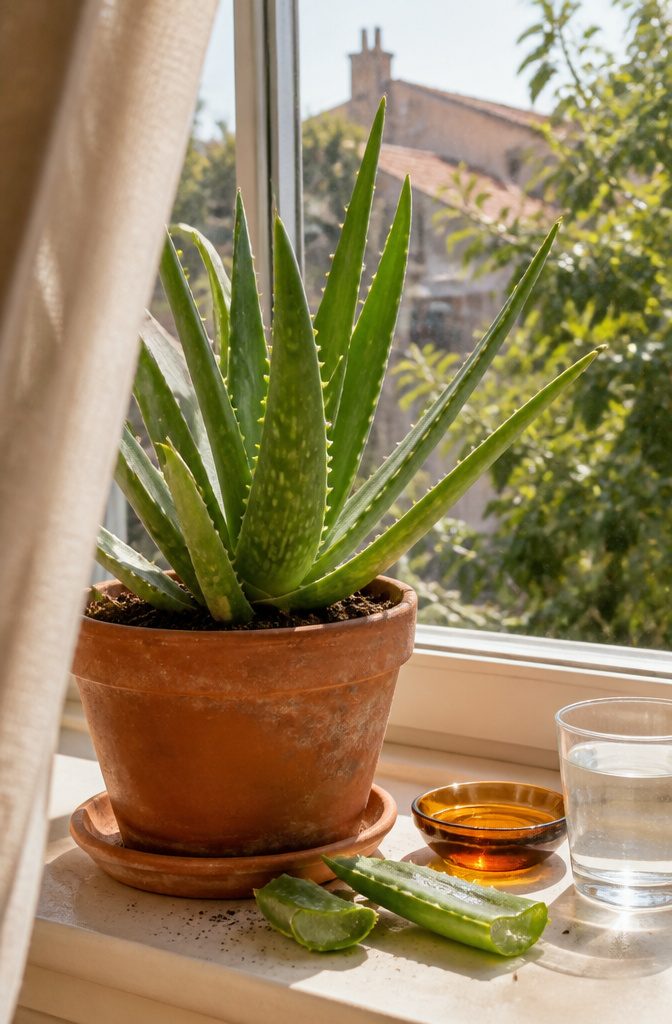
Aloe earns its spot on a windowsill because the gel works on the everyday stuff: burns, cuts, scrapes, and flare-ups like eczema.
Cut a leaf open, expose the gel inside, and spread it straight onto the skin. Give it a sunny spot and soil that drains well, whether dry or moist.
Skip swallowing it, though. Some people drink the juice or take it for constipation, poor appetite, and ulcerative colitis, but oral aloe latex can cause abdominal pain and cramping, and leaf extract may raise the risk of acute hepatitis.
Even on skin, it can burn, itch, or trigger eczema in some people, so test a small patch first. I’d keep aloe a topical plant.
Rosemary
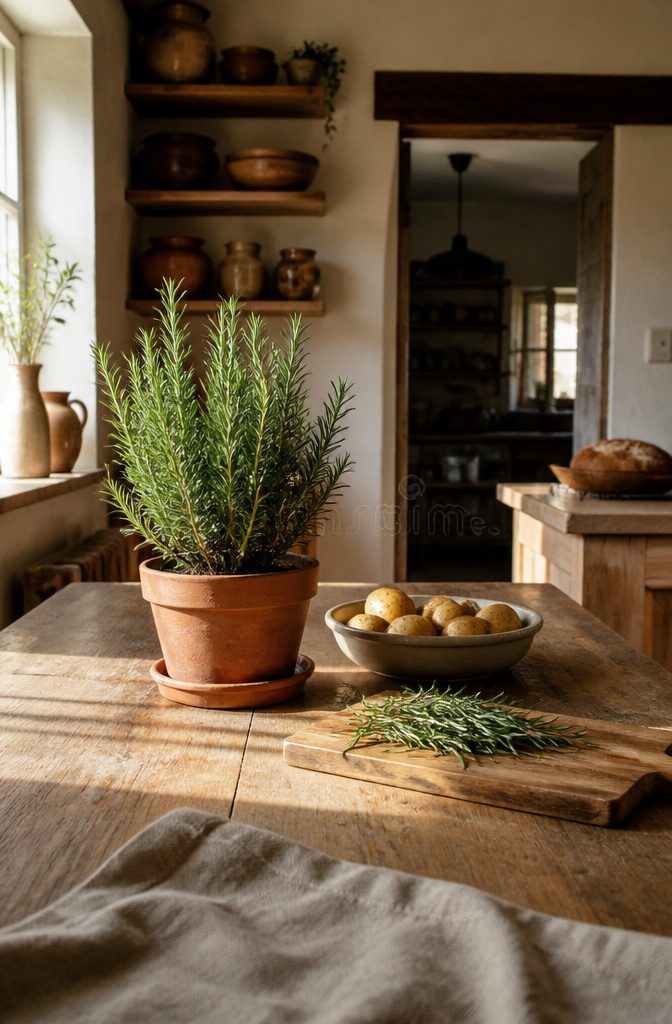
Rosemary’s reputation for memory and concentration is mostly tradition plus small studies, so I treat it as a pleasant habit rather than a proven brain aid.
The scent is the usual route: crush a needle-like leaf between your fingers near your desk and breathe in. It won’t replace sleep or a to-do list.
In the kitchen, rosemary earns its place. Its leaves are tough and resinous, so chop them fine or add whole sprigs to roasts, potatoes, and bread, then pull the sprigs out before serving.
I’d pick it over most herbs for slow-cooked dishes because the flavor holds up to long heat where basil turns dull.
As a houseplant it wants strong light and a pot that drains well. Overwatering is the common way people lose it.
Catnip
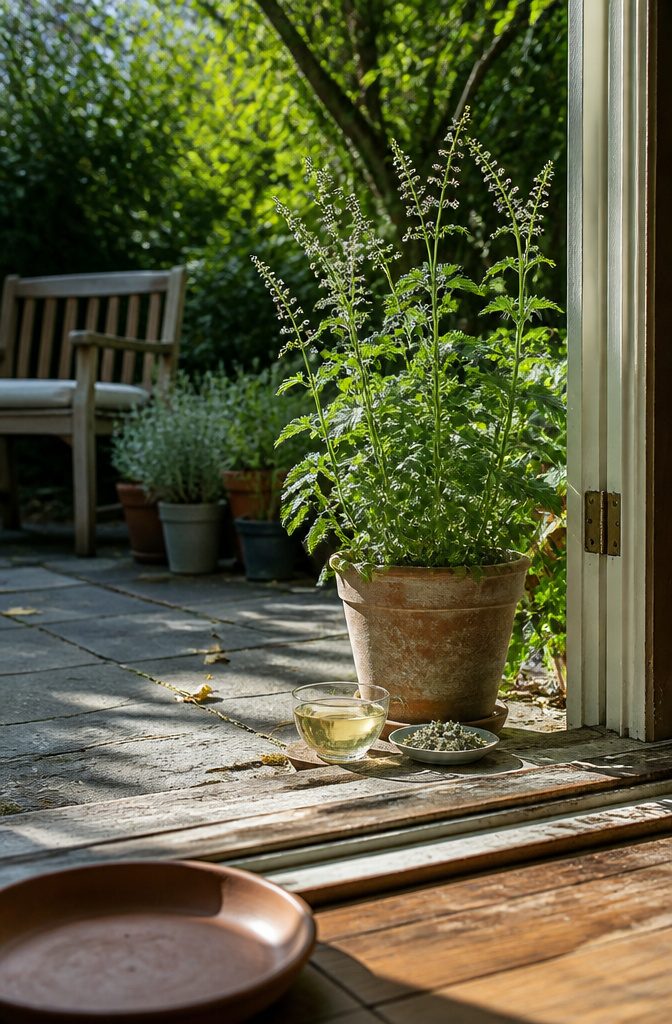
Catnip is a mint, Nepeta cataria, and the parts people use are the flowers and leaves. Dried leaves or the whole flowering top go into teas, tinctures, decoctions, and essential oils.
Traditional use leans on two things: the digestive tract (stomachaches, gas, constipation, diarrhea) and the nervous system, where its sedative effect is why people reach for it against anxiety, insomnia, and headaches.
I’d start with tea for either purpose, since it’s the mildest form. The same list of traditional uses runs much further, to colds, fevers, and even expelling worms, but those claims are the ones I’d treat as folklore.
In the garden, planting catnip around patios and seating areas is a low-cost way to build an insect-repellent border. Expect cats to find it, so keep a few leaves for them too.
Passionflower
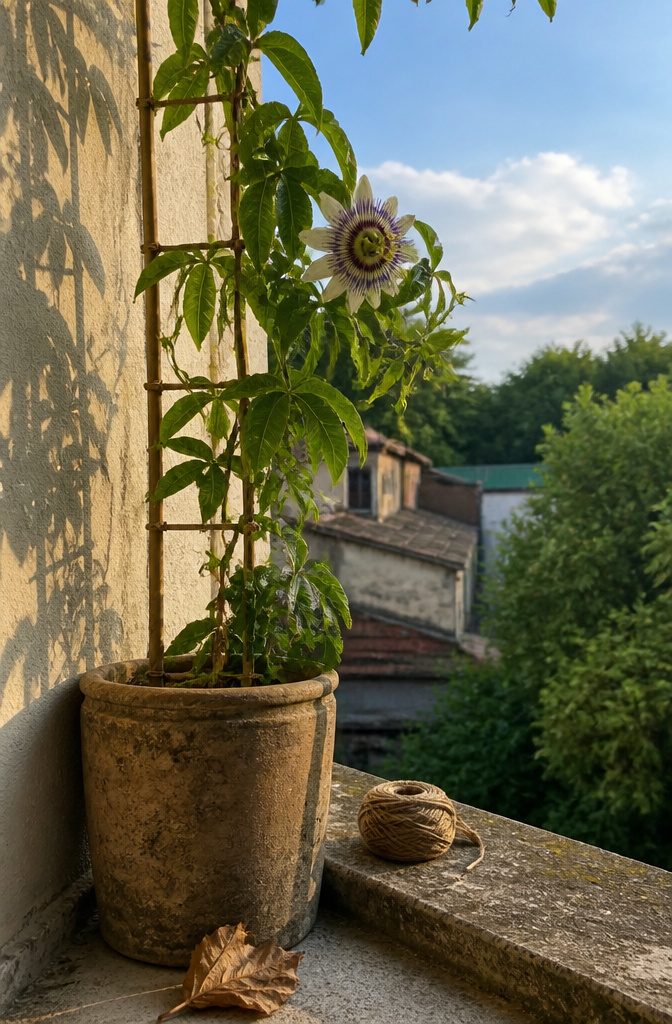
Passionflower (Passiflora incarnata) is a vine native to the southeastern United States, and its leaves and flowers are the parts used as a calming nervine.
People reach for it mainly for sleep, anxiety and pain such as menstrual cramps and headaches. Formal research on these uses is sparse, so I treat it as a gentle traditional herb, not a proven fix.
It is also one of the easier plants here to grow.
Give it a trellis or fence, space plants 3 feet apart, and expect 5 feet or more of climb by late summer. Full sun brings the most blooms, though hot climates do better with shade by mid-afternoon.
It is only hardy to zone 6 and frost tender, so mulch heavily in fall. Seeds are slow: scarify them with sandpaper, then chill them in damp sand for one to two months.
Ginger
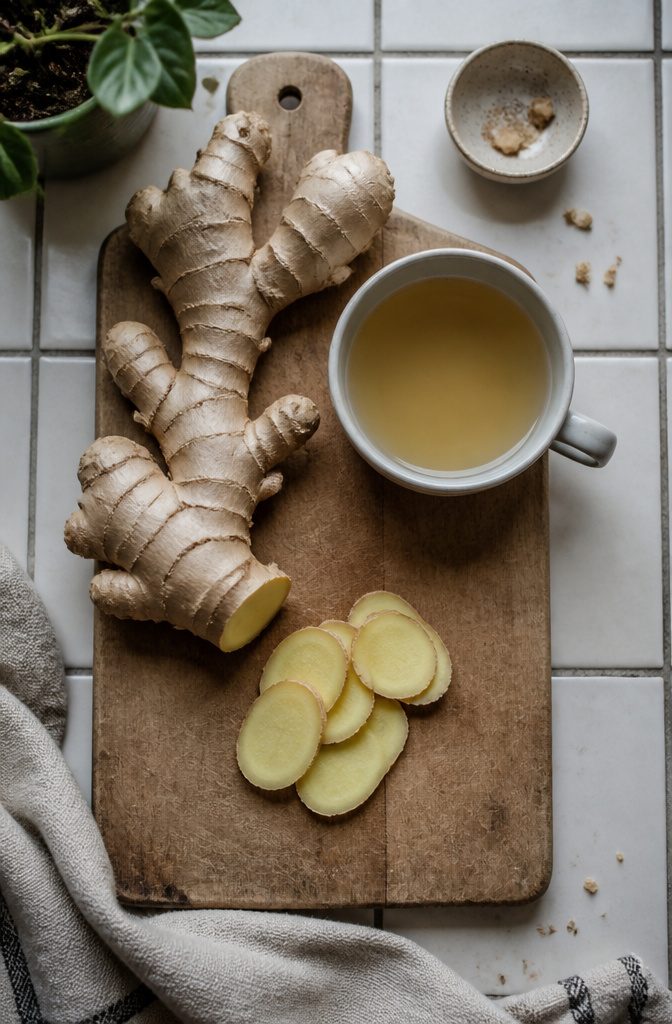
Ginger’s medicinal part is the root, technically a rhizome, and it is best known for settling the stomach.
Nausea and motion sickness are its home territory, and it may also help with the nausea of pregnancy and chemotherapy. It is being studied for use around surgery and as an anticancer agent, though those uses are still unproven.
Ginger also acts as a strong antioxidant with strong anti-inflammatory effects, which is why it has such a long traditional run. Expect bloating, gas, heartburn, or even nausea if you take too much, so start small.
For a first try, I would pick fresh root in a simple tea over a capsule, since you can see and control how much goes in.
Yarrow
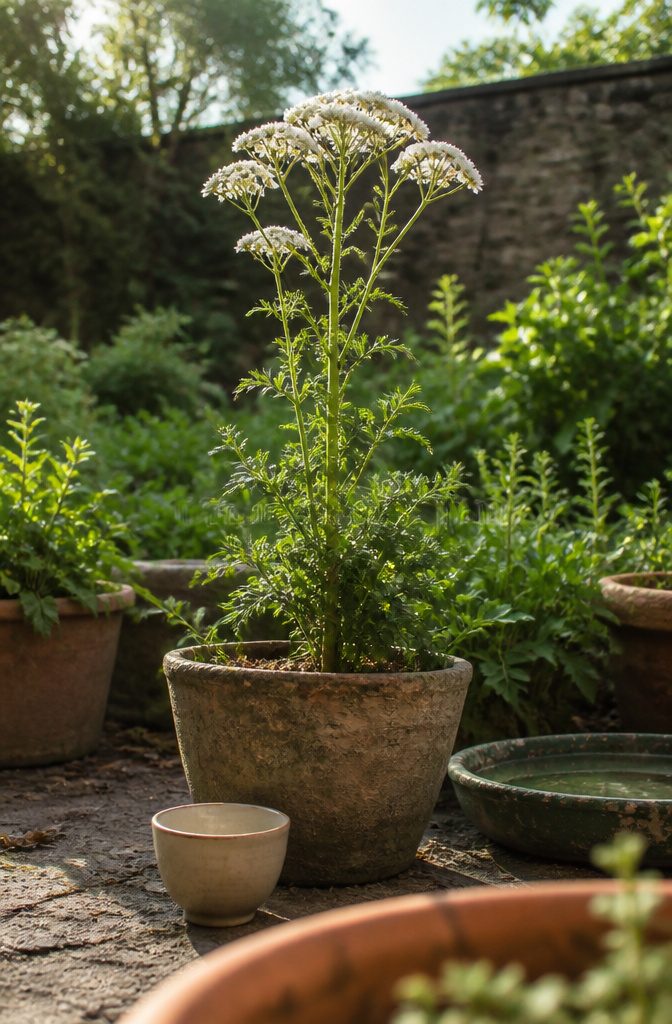
Yarrow has a long reputation as a kitchen-cabinet herb for fevers, colds and upset stomachs. It is usually taken as a hot tea, and the flowering tops are the part most people dry for it.
Traditional use also covers poultices: crushed leaves or flowers pressed against a scrape, and sometimes against a sore tooth for short-term relief.
I’d treat the toothache use as a stopgap only. A poultice may take the edge off, but a toothache means an infection or a crack that needs a dentist.
Yarrow belongs to the daisy family, so anyone allergic to ragweed, chamomile or similar plants should skip it. It also grows easily in sun and poor soil, which makes it a cheap, low-effort plant for a first herb bed.
Stinging Nettle
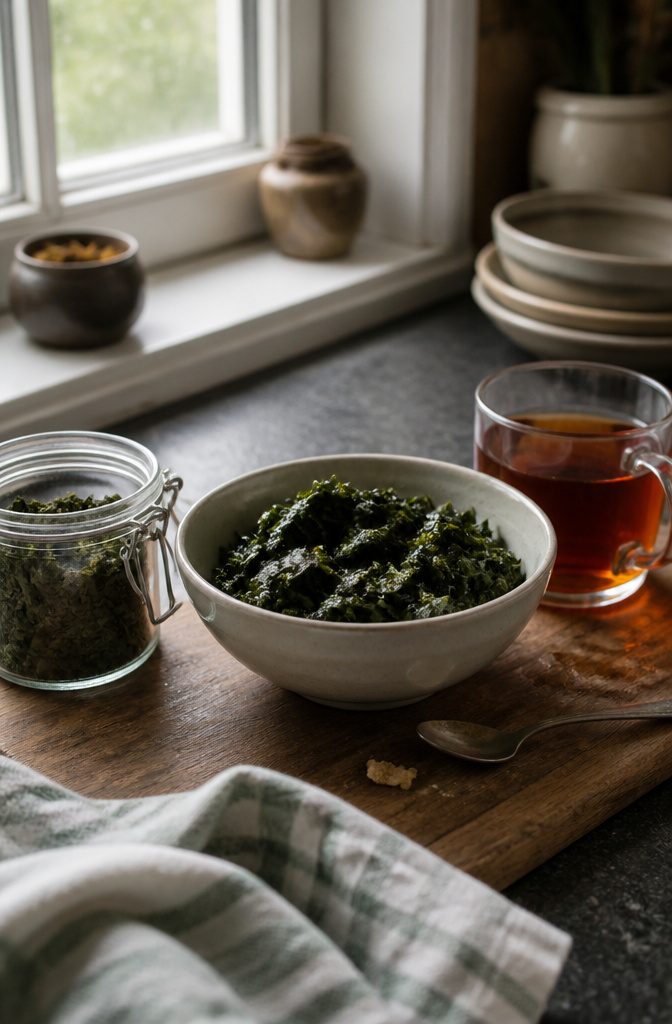
Fresh nettle stings, so pick it with gloves and long sleeves, and snip only the top few leaves of young plants.
The sting disappears once the leaves are cooked or dried, so steaming, simmering or steeping makes them safe to eat and drink.
I treat it like spinach with more backbone: it goes into soups, eggs and pasta fillings, and the cooking water makes a dark, earthy tea.
Dried nettle leaf is the easy route for most renters, since it sits in a jar and makes a mild nourishing tea with no foraging at all.
People reach for it for seasonal allergies, achy joints and kidney support. Treat those uses as traditional, not as a cure, and check with your doctor first if you take medication or have a kidney condition.
Teas, Tinctures, and Other Forms
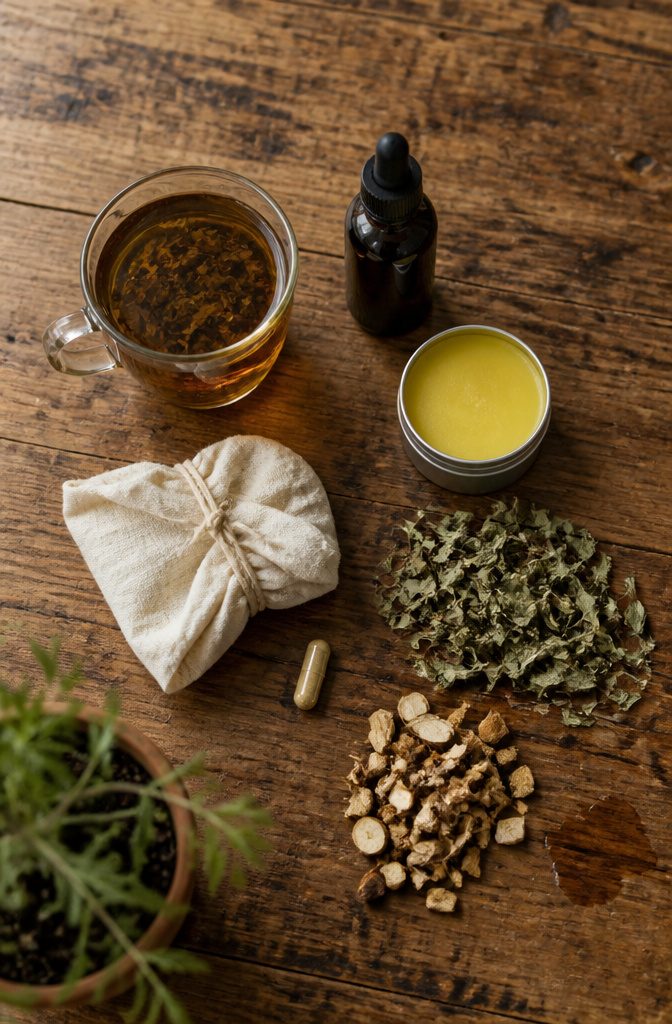
Plant part decides the form more than preference does.
Elecampane root goes into teas, decoctions and tinctures, while comfrey root is dried for poultices, tinctures or ointments. Leaves like lemon balm are infused in water, and a leaf can also be steeped in oil or dried for sachets.
Dose is the weak spot in every form.
Growing conditions, age and preparation change what a plant delivers, so no standard dose exists. Ask a doctor before you swallow anything.
| Form | Plant part | Use |
|---|---|---|
| Tea or infusion | Leaves, flowers, root | Drunk |
| Tincture | Root, leaves | Swallowed |
| Oil or salve | Flowers, leaves | Skin |
| Poultice | Root | Skin |
| Capsule | n/a | Swallowed |
For a beginner, tea is the form I’d start with: cheap, mild and easy to stop.
How Strong the Evidence Is
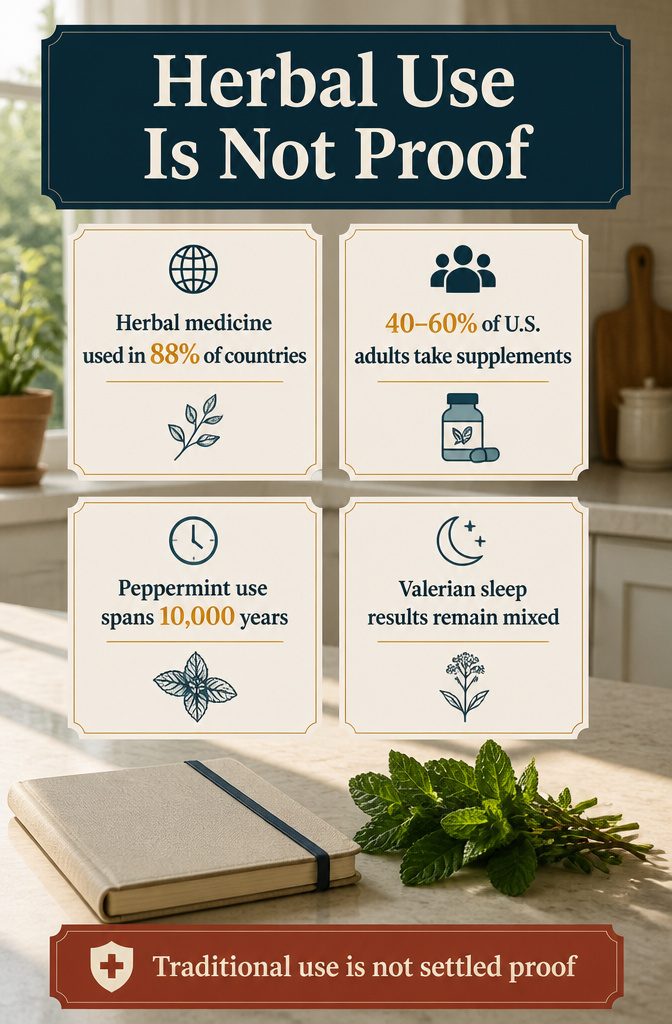
Herbal medicine is used in 88% of countries, and 40–60% of U.S. adults take supplements, so popularity says very little about proof.
Valerian is a fair example: it may help sleep and anxiety, but the results are mixed, and I would not buy it expecting a sure thing.
Most claims you will see on a plant label or a Pinterest graphic rest on thin formal research.
Peppermint is called the world’s oldest medicine, and its use goes back some 10,000 years. That tells you it has lasted, not that every listed benefit has been tested.
I treat the uses in this guide as traditional and possible, not settled. Check with a doctor first, especially if you are pregnant, breastfeeding, or taking medication.
Safety and Drug Interactions
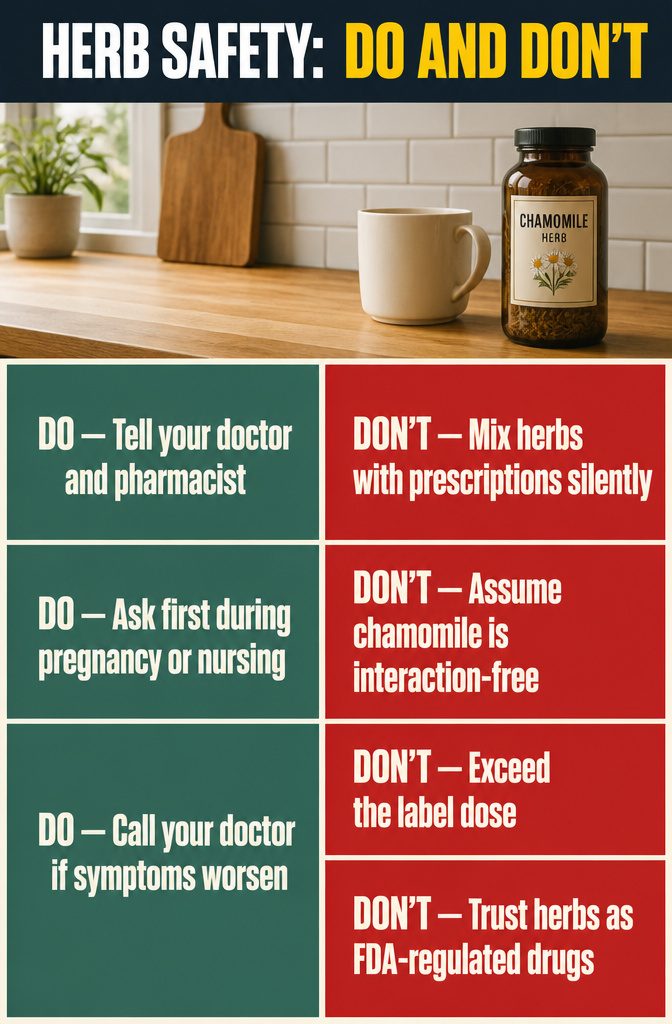
"Natural" on a label says nothing about safety, and some herbs can cause fatal side effects. Before you brew, chew, or rub anything on, run through this list:
- Tell your doctor and pharmacist about every herb you take. About 25% of U.S. adults who use herbal supplements take them with prescription medication, and many never mention it.
- Chamomile has reported interactions with blood thinners and with drugs that prevent organ rejection.
- Pregnant or nursing? Safety for chamomile is unknown in both cases, and the same caution applies to most herbs. Ask first.
- Quality varies. The FDA does not regulate herbs for safety or quality the way it does drugs, and some makers add fillers.
- Stop an herb if symptoms don’t improve, never exceed the label dose, and call your doctor if anything worsens.
Frequently Asked Questions
Is herbal medicine safe?
Not automatically. "Natural" on a label says nothing about safety, and herbs can interact with prescription drugs or cause serious side effects.
Tell your doctor and pharmacist about every herb you take, and check first if you are pregnant, nursing, or on medication.
Does the FDA approve herbal medicines?
No. The FDA treats herbs as dietary supplements rather than drugs, so they don’t face the same testing, labeling, and manufacturing standards as prescription medicines.
Quality varies and some makers add fillers, so choose products that have been independently tested by a third party.
When should I stop an herb and call a doctor?
Stop the herb and call a doctor if your symptoms don’t improve or get worse, or if you take more than the label dose. Call 911 or your local emergency number for signs of a severe allergic reaction.
What are the most useful medicinal herbs for beginners?
Chamomile, peppermint, ginger, and lavender are easy places to start.
They are commonly used for sleep and calming, stomach upset, nausea, and tension. Tea is the mildest, cheapest form and the easiest to stop if it disagrees with you.
Which herbal plants are easiest to grow at home?
Calendula, echinacea, yarrow, and peppermint are among the easier choices.
Calendula tolerates poor soil and does well in a pot, and yarrow grows in sun and poor soil. Peppermint is best kept in a pot.