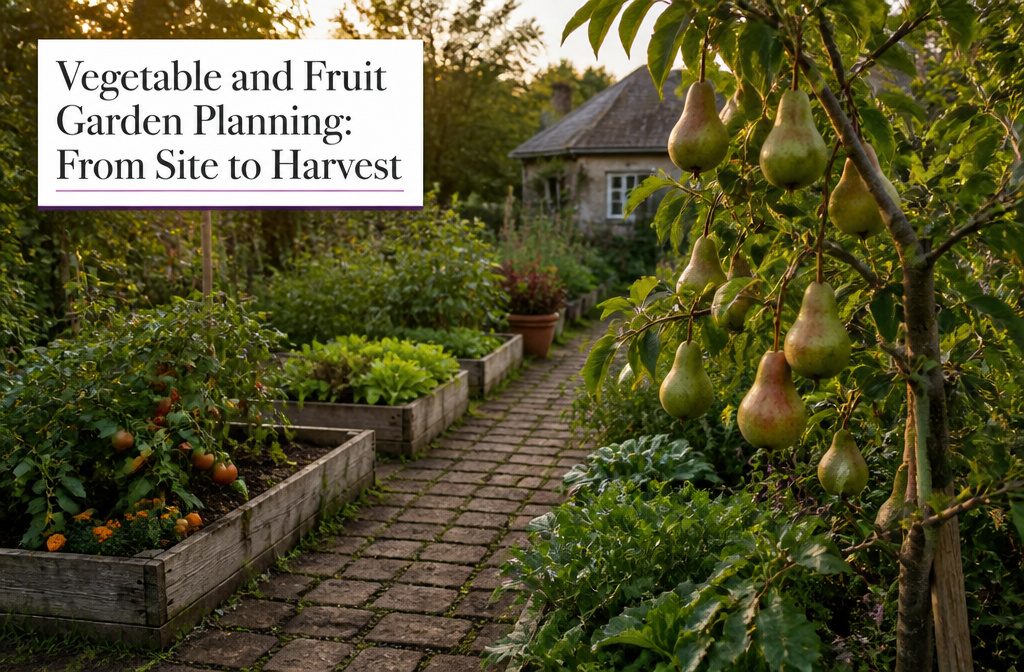
A vegetable and fruit garden is a planned set of beds, containers, or in-ground rows where you grow food you actually eat, and sunlight settles the site first.
Most crops need at least 6 hours of direct sun, but tomatoes, cucumbers, and zucchini want 8 or more, while lettuce and spinach manage on 4 to 5.
Site and Sunlight
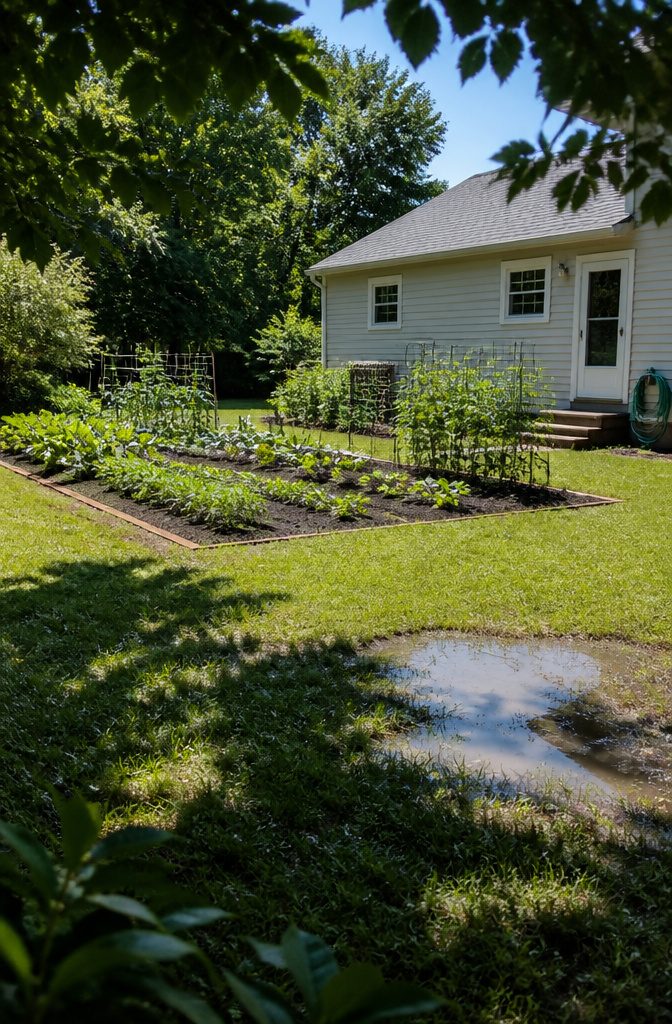
Sunlight decides the site before anything else does.
A vegetable and fruit garden needs at least 6 hours of direct sun a day, and the crop sets the real number: lettuce and spinach get by on 4 to 5 hours, root crops want 5 to 6, and tomatoes, cucumbers and zucchini need 8 or more.
Total shade grows nothing.
Watch the yard on a sunny day before you dig. Trees and shrubs steal light, water and nutrients, so keep beds away from them.
Drainage comes next. Pick ground with no standing water even after the heaviest rain.
Then put the beds near a spigot and close to the kitchen, since a hose you have to drag and a harvest you have to carry both shorten a garden’s life.
Choose What to Grow
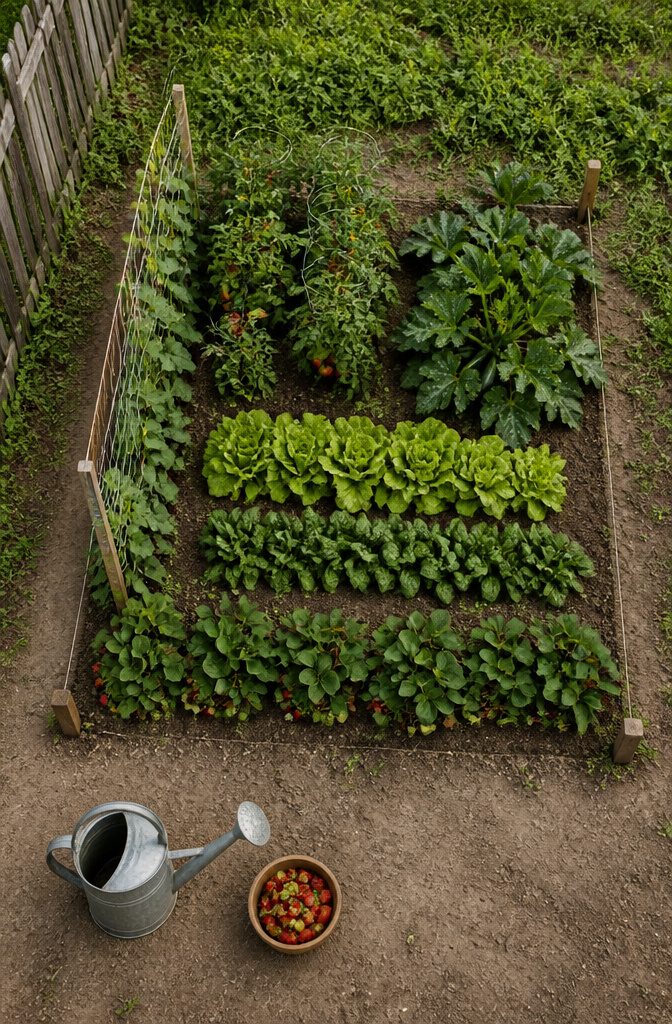
Pull out last month’s grocery receipts and your go-to dinner recipes, then circle the five vegetables your household eats most.
Plan those first, because a garden of things you actually cook gives back more savings and more satisfaction than a garden of curiosities.
Next, check each pick against your soil, your climate, how big the plant gets, and when it’s ready.
Tomatoes and zucchini need at least 8 hours of sun, while lettuce and spinach get by on 4 to 5. Vining crops like cucumbers can climb a trellis instead of eating floor space.
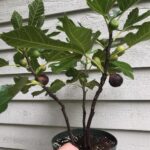
Add fruit you’ll really eat; strawberries are an easy first one.
Start with a 10 by 10 foot plot, not the 20 by 20 foot community-garden standard, which often ends up buried in weeds. You can always expand next year.
Pick a Growing Setup
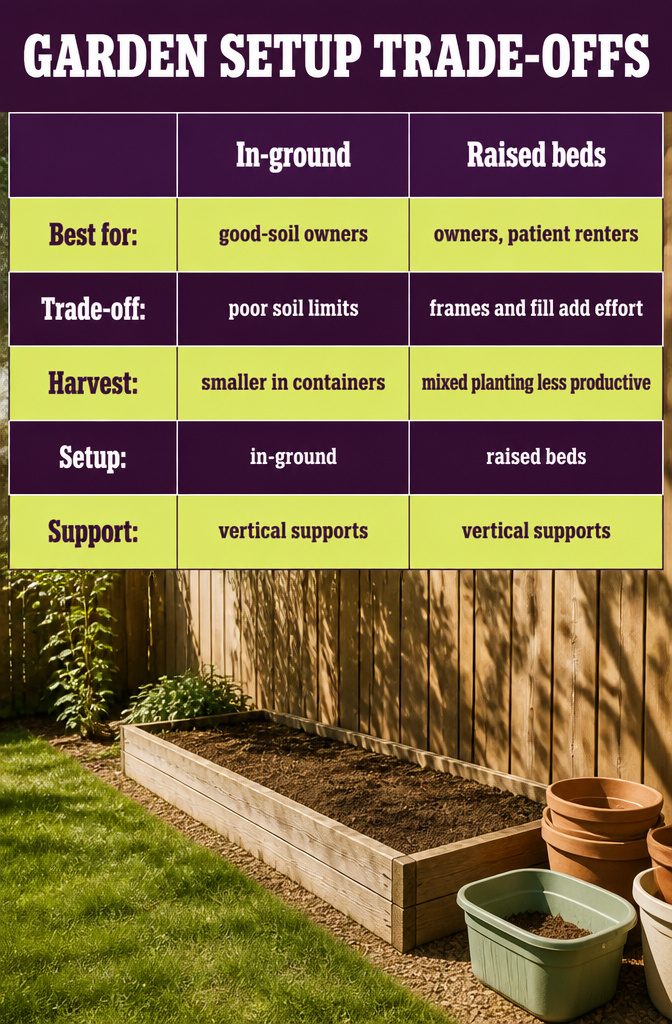
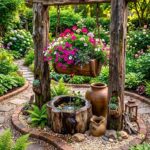
Renters should skip digging and go with containers or a small raised bed. A bathtub, clay pot or plastic tub works as long as it holds soil, and it moves with you.
First-home owners get the most from two or three 4 by 8 foot raised beds: fresh soil from day one, easier weeding, less bending.
In-ground costs least but depends on the soil you inherit.
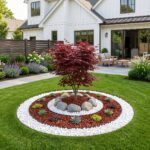
Mixed edible and ornamental planting is a little less productive, yet it suits a front yard or a small lot. Trellises add yield without adding footprint.
| Setup | Best for | Main trade-off |
|---|---|---|
| In-ground | Owners with good soil | Poor soil or drainage limits you |
| Raised beds | Owners, patient renters | Frames and fill add effort |
| Containers | Renters | Smaller harvests |
| Mixed edible/ornamental | Small lots | Less productive |
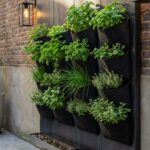
| Vertical supports | Everyone | Suits vining crops only |
Prepare the Soil
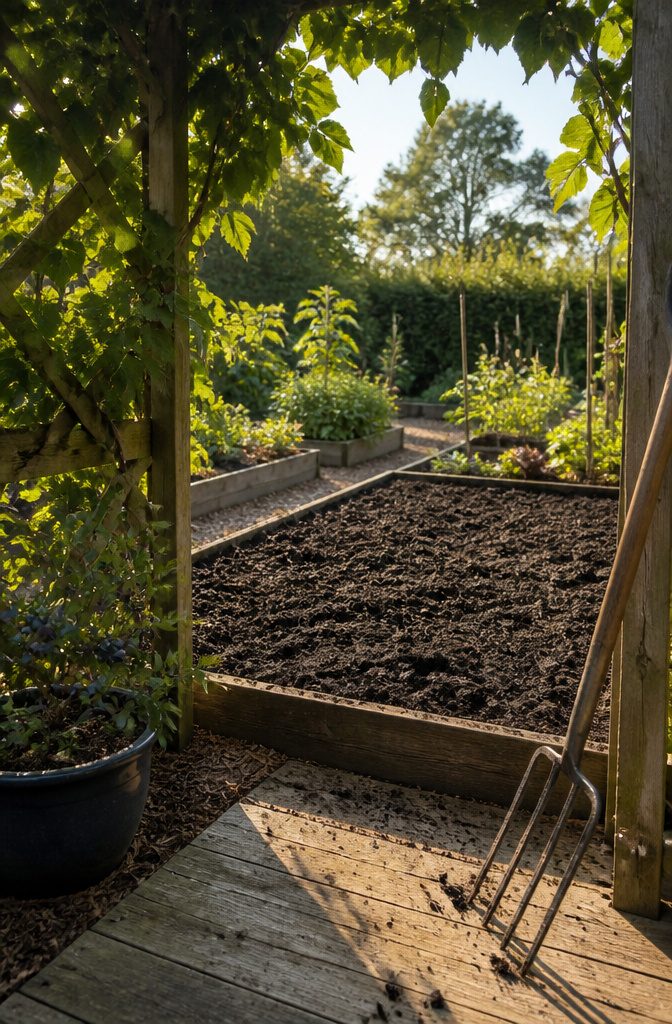
Work organic matter into the bed at least 3 weeks before planting, and give raw material like fresh manure or leaves closer to a month so it can break down before seeds go in.
Finished compost is gentler and can go in at planting. Spread 25–100 pounds of compost per 100 square feet, using the low end for soil that is already dark and crumbly.
Most vegetables and fruit want rich, moist, well-drained soil close to neutral. Blueberries are the exception, and I would give them a container of acidic mix rather than fight your bed.
Skip pH changes if your test reads 5.5–7.0. Below that, add lime 2–3 months ahead.
Too high, use sulfur at 1 pound per 100 square feet. A balanced fertilizer such as 6-6-6 or 10-10-10 finishes the job.
Plant, Space, and Schedule
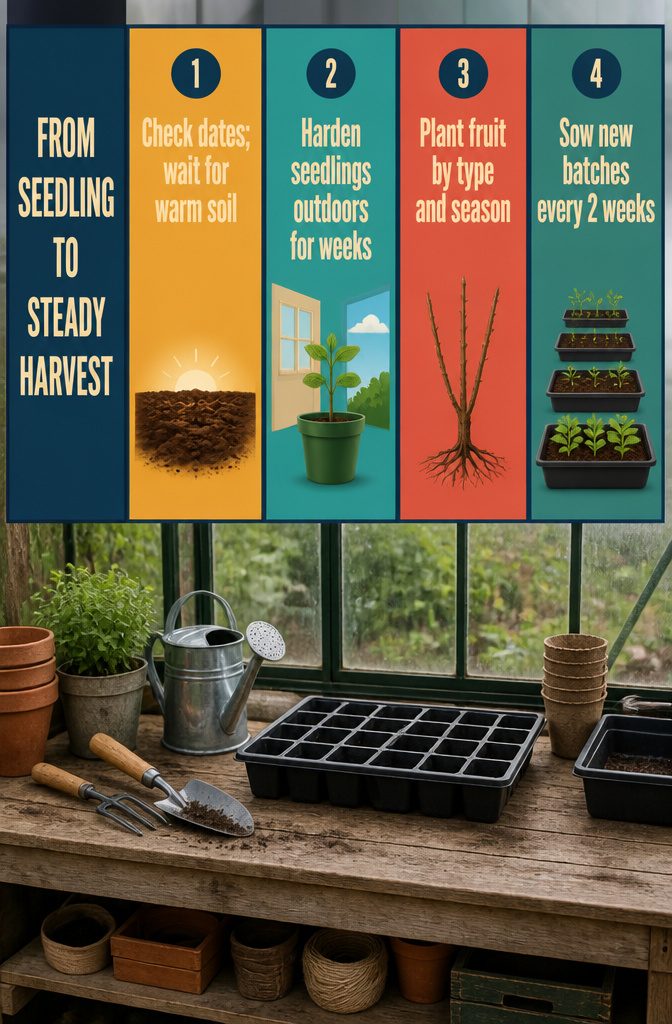
- Check your local planting dates, then wait until the soil is warm. Tender plants such as tomatoes, peppers, and eggplant get damaged by frost, so start them indoors and move them out in late spring or early summer.
- Harden off those seedlings before they go in the ground. Set the pots outside during the day and bring them in at night for a week or two. Skipping this step is how a healthy tray of tomatoes gets scorched in a weekend.
- Plant fruit by type. Bare-root raspberry canes and fruit trees go in during the dormant season, between fall and spring. Container-grown plants, strawberries included, can go in any time, though late spring suits bushes best.
- Sow in rounds. Plant a new batch every 2 weeks, or every 10 to 14 days for radishes, so the harvest doesn’t arrive all at once.
Water and Maintenance
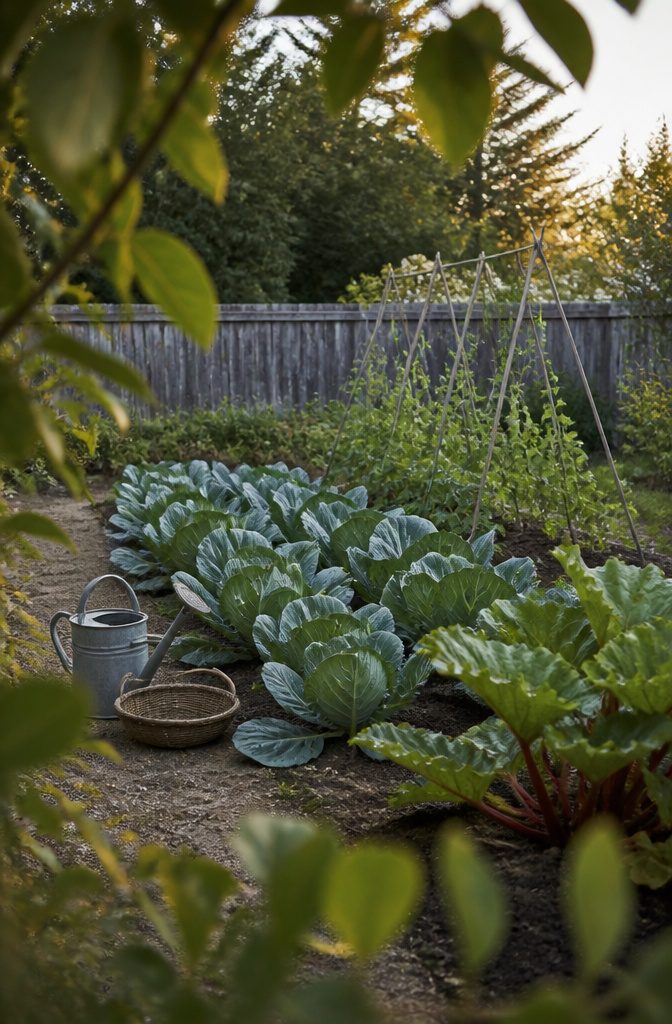
Brassicas like cabbage are hungry feeders, so I plant them where beans or peas grew the year before; those crops add nitrogen to the soil.
Keep any one vegetable out of the same spot for at least 3 years. Perennials such as rhubarb and artichokes stay put and skip the rotation.
Walk the beds twice a week and look under leaves. A few chewed leaves are not an infestation, since plants tolerate 10%–20% leaf loss without losing yield.
Identify the pest before you spray anything. Check that both the crop and the pest appear on the label, and follow the mixing directions and the pre-harvest interval.
Spray in late afternoon or early evening, when pollinators are less active, and keep pets away until the leaves dry. I reach for natural methods first.
Small Space Layouts
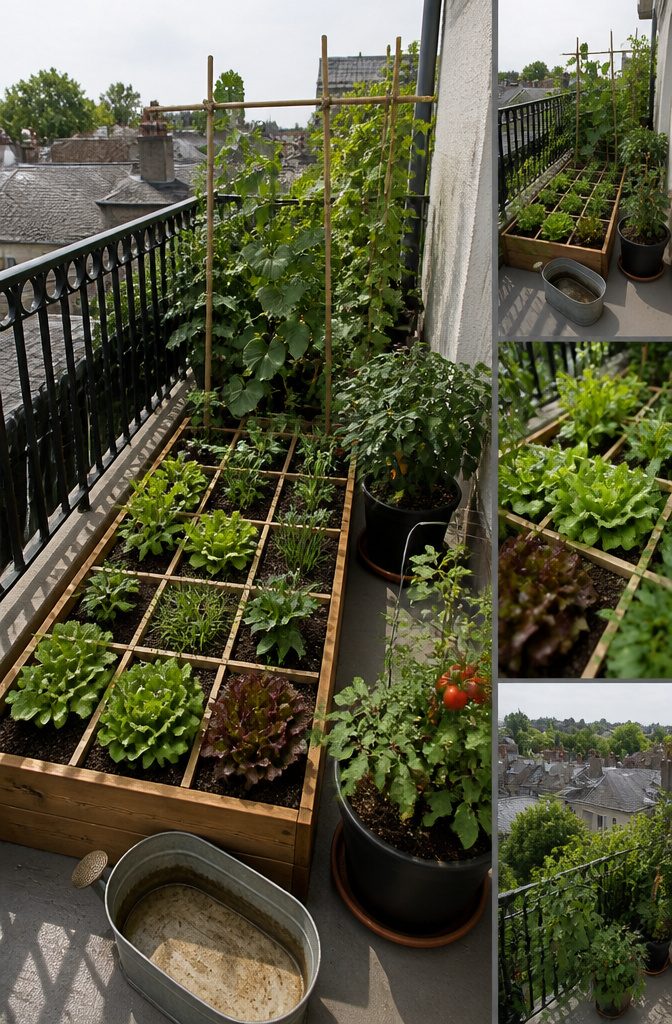
Square-foot gardening divides a bed into 1-foot squares, and each square gets its own crop. A 4 x 8 raised bed gives you 32 of them, which is plenty for a beginner.
Wide rows work the same way at a different scale: make the bed 4 feet wide and plant mini-rows across it, so you never step on the soil.
On a balcony, containers do the work.
A tomato or pepper needs 7 to 10 gallons, and any pot should hold at least twice the root ball. Dwarf fruit trees also grow in pots, though they need the biggest container you can fit.
Trellis cucumbers and okra to use height. Start with a 10 x 10 plot or two or three beds, because an overgrown garden gets abandoned.
Pollinators and Companions
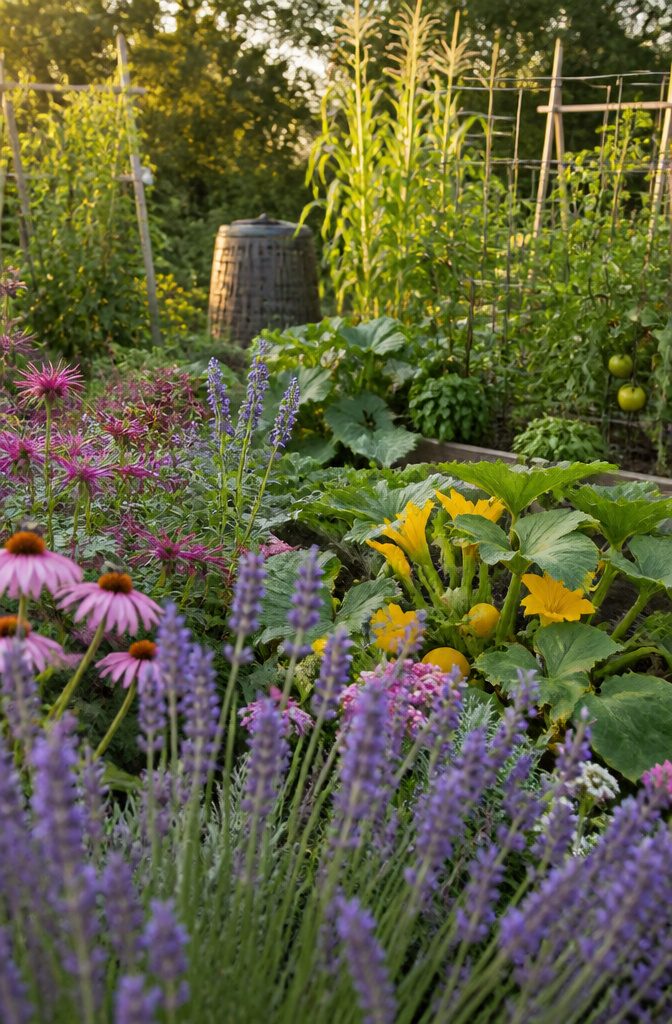
Squash, cucumbers, and melons carry separate male and female flowers, so a bee has to move pollen between blooms or the fruit never sets.
Tomatoes, peppers, and eggplants hold both parts in one blossom and can manage alone, though visiting insects still shake more pollen loose.
Plant echinacea, lavender, yarrow, catmint, or bee balm along the bed edges so the bees are already working your vegetable and fruit garden when the cucurbits open.
Pairings earn their space.
Green beans fix nitrogen for corn, and the cornstalks hand the beans a free trellis. Basil beside tomatoes helps flavor and keeps some pests off.
Spray timing matters more than spray choice: skip anything when plants are in bloom. Soap spray for aphids is the milder option.
Frequently Asked Questions
Can I grow a vegetable and fruit garden in a small space?
Yes. Fruit, vegetables, and herbs fit in any size yard that has a sunny spot, and containers work when there is no ground to dig.
A 4 x 8 raised bed holds 32 one-foot squares, and a balcony can handle tomatoes or peppers in pots of 7 to 10 gallons.
What is the best time to plant fruits and vegetables?
Wait until the soil is warm and your local planting dates have arrived. Tender crops like tomatoes, peppers, and eggplant should start indoors and go out in late spring or early summer.
Bare-root raspberry canes and fruit trees go in during the dormant season, between fall and spring, while container-grown plants, strawberries included, can go in any time.
How do I start a vegetable and fruit garden in my backyard?
Start with a sunny, well-drained site that gets at least 6 hours of direct sun and sits near water and your kitchen.
Begin with a 10 by 10 foot plot or two or three raised beds, and plant the vegetables your household eats most.
Work compost into the soil at least 3 weeks before planting, then sow in rounds every 2 weeks so the harvest is spread out.