
Mushroom themed decor ranges from a $10 plug-in night light to a $795 sculptural lamp, and the difference that matters is not price but weight and wiring: the pieces that move with you beat the ones that eat your deposit or your weekend. A 14-inch cap on a desk turns playful into obstacle fast, which is why the best mushroom lamp is the one you can haul up stairs and still fit a phone beside.
1. Mushroom Lamps
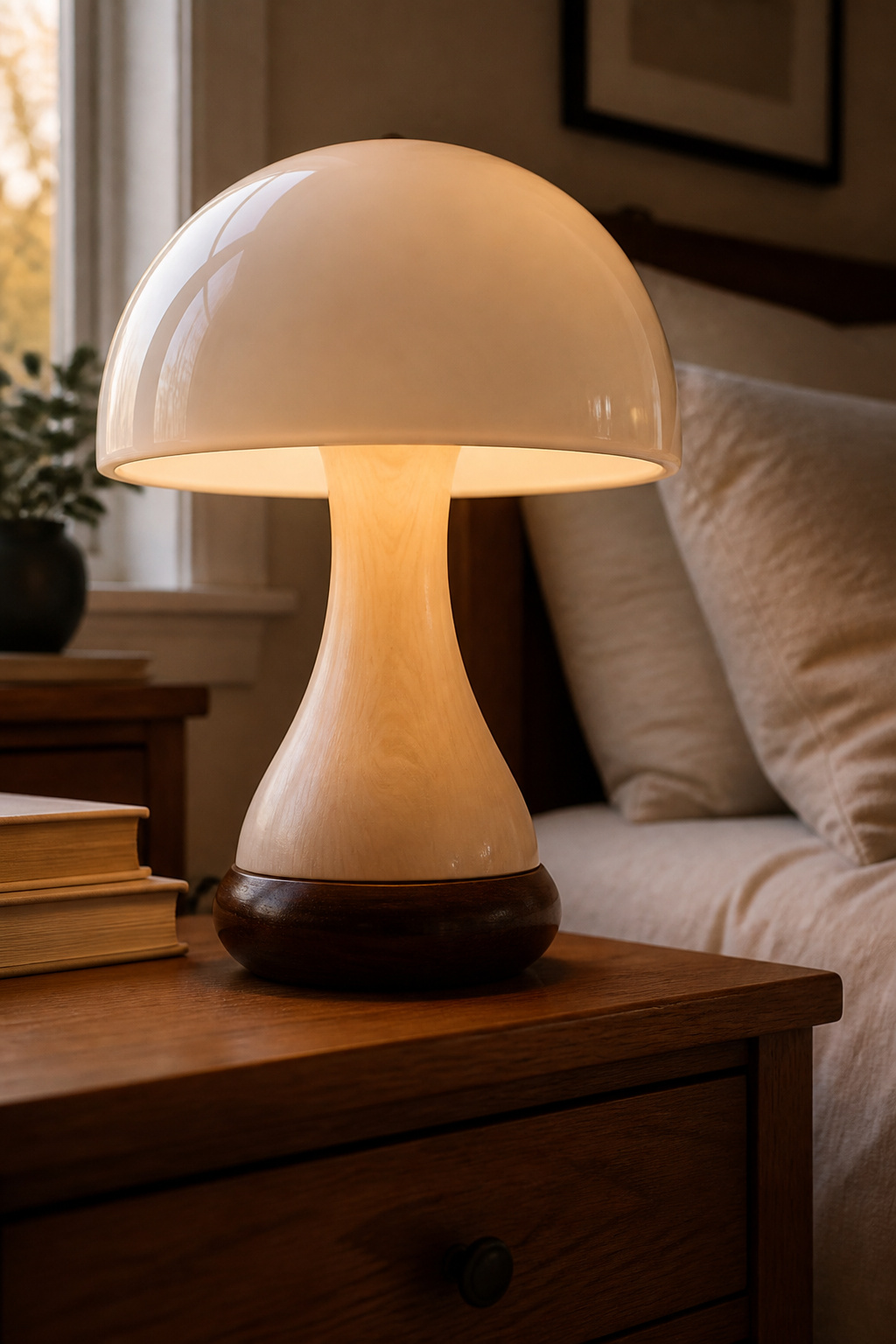
A mushroom lamp runs anywhere from $74 to $795, which tells you how wide the spread is between a basic accent piece and something that reads like sculpture. The retro ones with that ’70s glow work as both: they throw actual light, but the domed cap and rounded stem mean they look right even switched off on a shelf.
For a rental or a small room, the cord matters more than the bulb. A lamp that needs hardwiring eats up your deposit or your weekend; plug-in models move with you. Check the footprint too. Some of these sculptural bases take up more nightstand real estate than a standard shade, and in a tight bedroom that inch of lost space for your phone or book is the difference between living with it and regretting it. Weight is the other thing. Resin or ceramic mushroom lamps look substantial but they are a pain to haul up stairs, and if you are the type who rearranges quarterly, lighter materials win.
I would skip anything over about 14 inches wide for a desk or side table. The proportions turn novelty into obstacle fast, and the whole point of mushroom themed decor is that it should feel playful, not like it is eating the room.

Brightness: The light is soft and warm, not too bright nor too dimmable,give you a peaceful feeling. Energy-saving: use it one year, only use 1 kWh power

[Updated Version] -- Artificial Plant, Soft Colorful Light -- Hottest Film as a creative source, mushrooms and lotus leaves are designed like real ones. Cute and Flexible, the wire of mushrooms and leafs can be bent to location you like. The mushroom night light is soft and warm, neither too bright nor too dim, gives you a comfortable feeling.
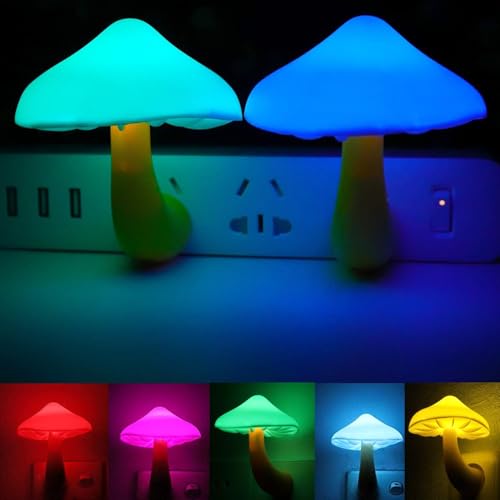
Brightness: The light is soft and warm, not too bright nor too dimmable,give you a comfortable feeling.
2. Mushroom Ornaments
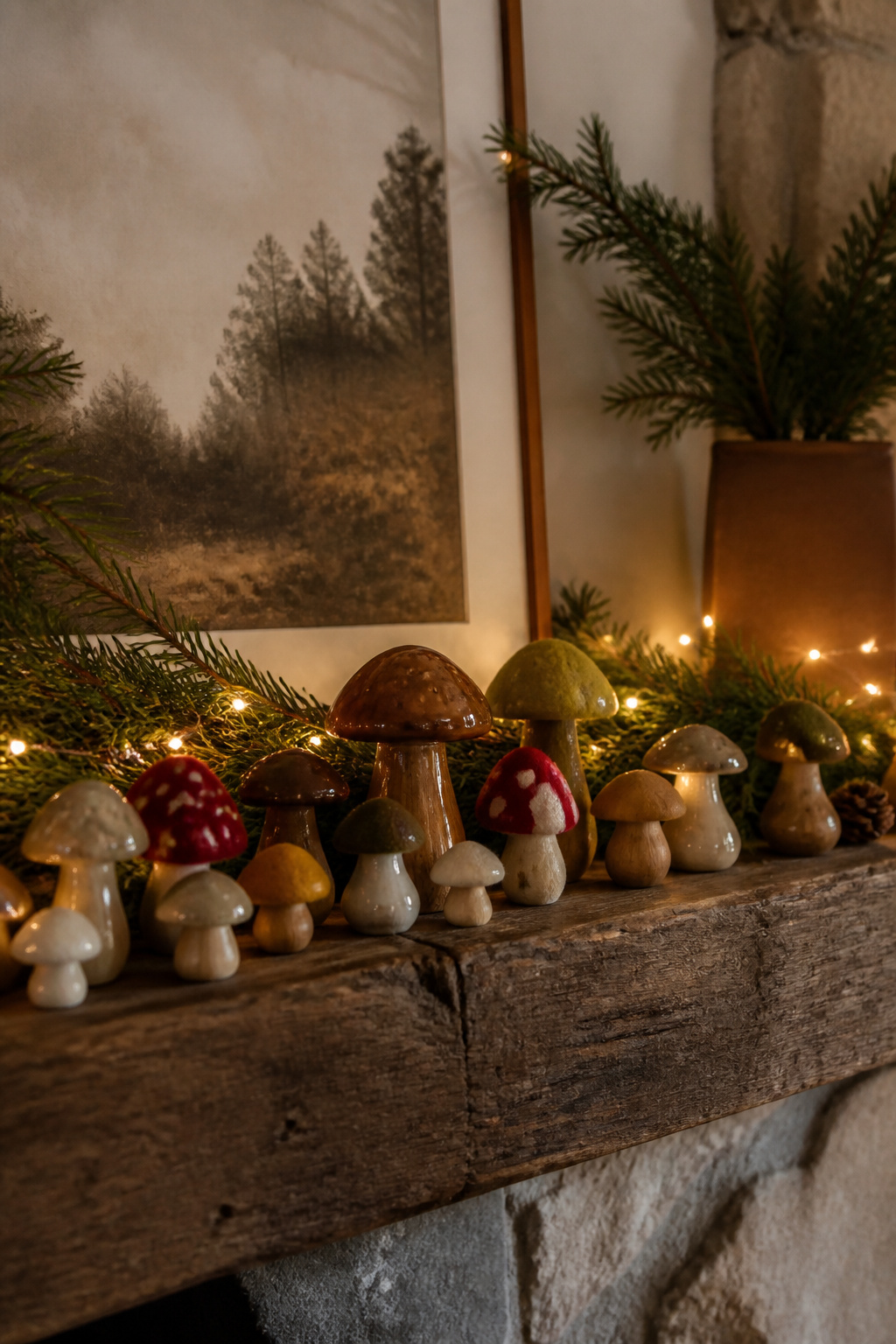
Small mushroom ornaments land right in that sweet spot where whimsy meets actual budget, and the $14.99 range gets you ceramic, wood, or felt pieces that read as collected, not cluttered. Ceramic carries the most weight on a mantel or shelf; the glaze catches light the way velvet does on a tree, but it survives the humidity of a kitchen windowsill. Wood feels more cottagecore, more found-in-the-forest, though the grain quality at this price means some pieces look hand-turned and others look machine-stamped. Felt is the outlier I keep coming back to: it softens the whole display, and a cluster of felt amanitas mixed with unbleached shapes stops the look from going too precious.
For Christmas specifically, clip ornaments make the most sense. The Anthropologie set runs higher at $28 for six, but the mushroom form works the same way whether it clips a branch or perches on a garland. The trick is mixing materials so nothing matches too neatly. Ceramic with wood, felt with velvet: the contrast is what sells the enchanted-forest thing without turning your living room into a theme park.
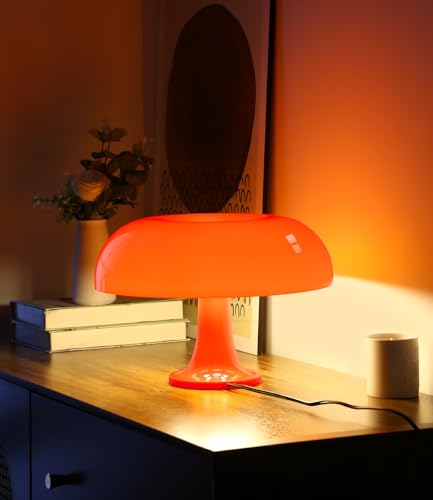
【Cute Mushroom Lamp Enhance Elegant and Warm】Beautiful mushroom table lamp is simple, minimalist and cute. It creates elegant, cozy and pleasant atmosphere in the room. Easy and durable. Perfect as a gift for kids, women etc.
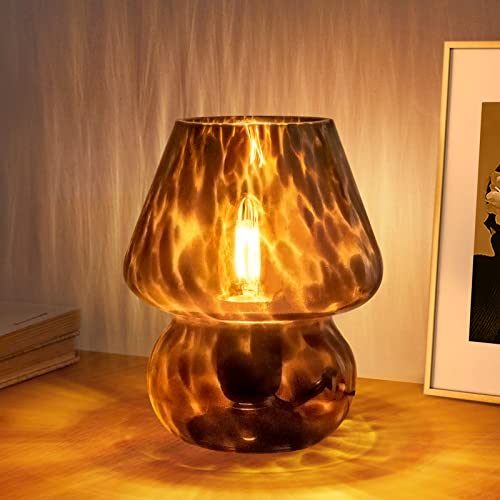
[Vintage Mushroom Lamp]: ONEWISH mushroom-shaped small lamp is an an exquisite mid century modern lamp full of Murano vintage style, its design capitalizes on the beauty of its fascinating interaction of transparency and opacity. Classic of the 60s-70s vintage lamp design, this glass lamp would look good in any location!

Ceramic Mushroom Lamp: BOHON retro style orange mushroom lamp with warm white E12 LED bulb adds a cute aesthetic decoration to the room in medieval style. The mushroom design gives the lighting fixtures a modern and cute appearance that is sure to complement any room such as bedroom, living room, office, nursery room. 110V US standard plug, simple and convenient, no need to purchase other adapter transformer
3. Mushroom Vases
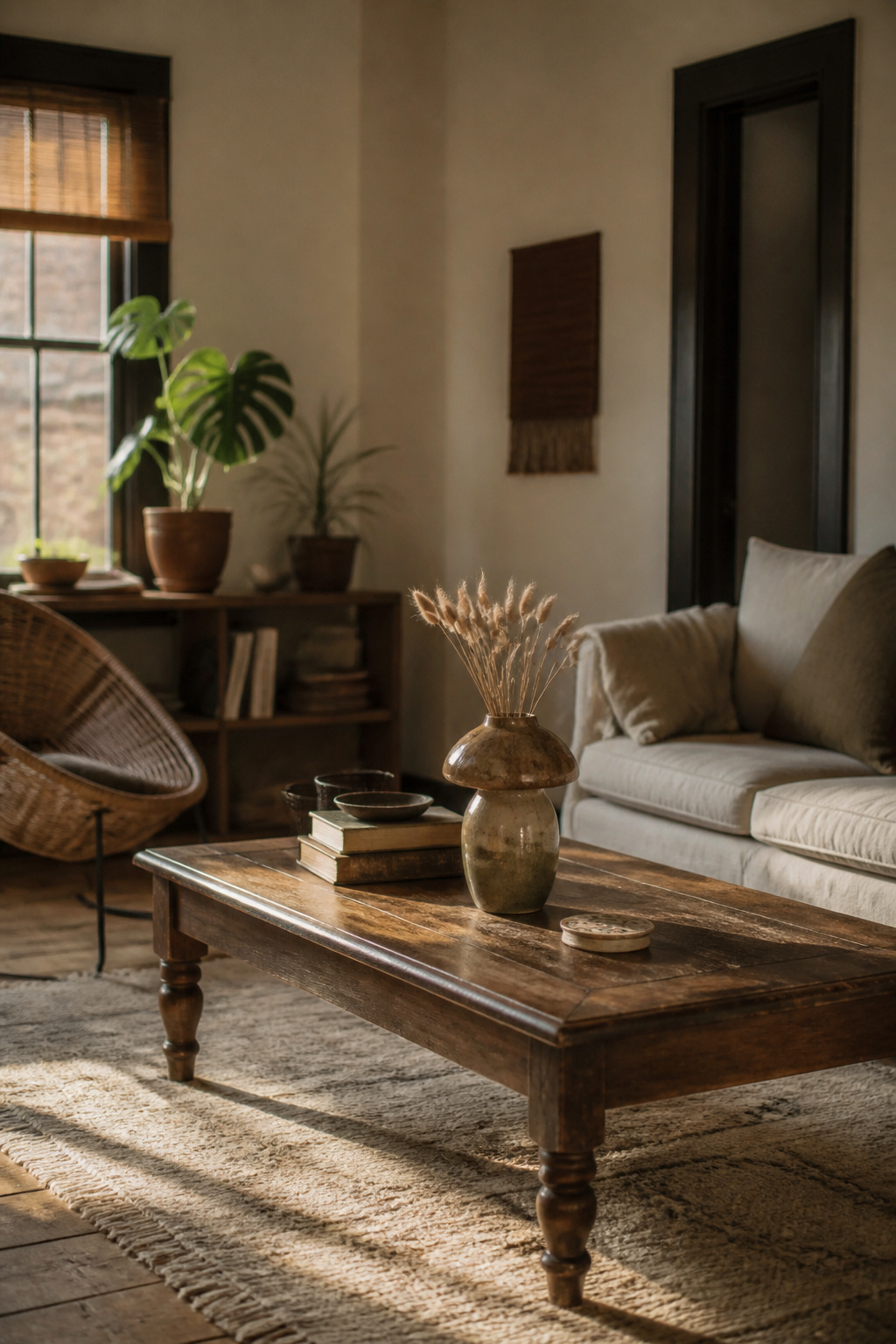
Mushroom vases sit somewhere between functional and purely decorative, and that middle ground is what makes them worth the shelf space. The glass versions lean minimalist, a small bulb of a cap on a slender stem, and that narrow neck is built for a single real stem or a dried piece you do not have to water. Stoneware shapes read heavier, more of a still-life object, and they hold their own against books or a stack of coasters without looking like an afterthought.
Placement matters more than height. A low mushroom vase on a coffee table survives daily use; the same piece on a high shelf disappears behind taller objects. The faux moss and fern arrangements I have seen work because the vase itself reads as terrain, not container, so the whole thing becomes one piece rather than a vessel trying to anchor something loose. Keep the stem hole narrow, or you will spend a weekend wedging florist foam into a shape that was never meant to hold it.

Premium Quality: Peohud mushroom is made of high quality ceramic which is durable and sturdy. They can withstand rain, sunlight and even freeze, so you can put it outdoors as you like.

Lucky Charm: This glass-blown mushroom brings woodland wonder and a wish for good fortune, perfect for gifting seasonal hope.

Christmas Mushroom Pendant:you will receive 24 pieces of mushroom ornaments in 3 different sizes,each style has 8 pieces,which looks very festive and vivid, cute and interesting
4. Mushroom Serving Platters
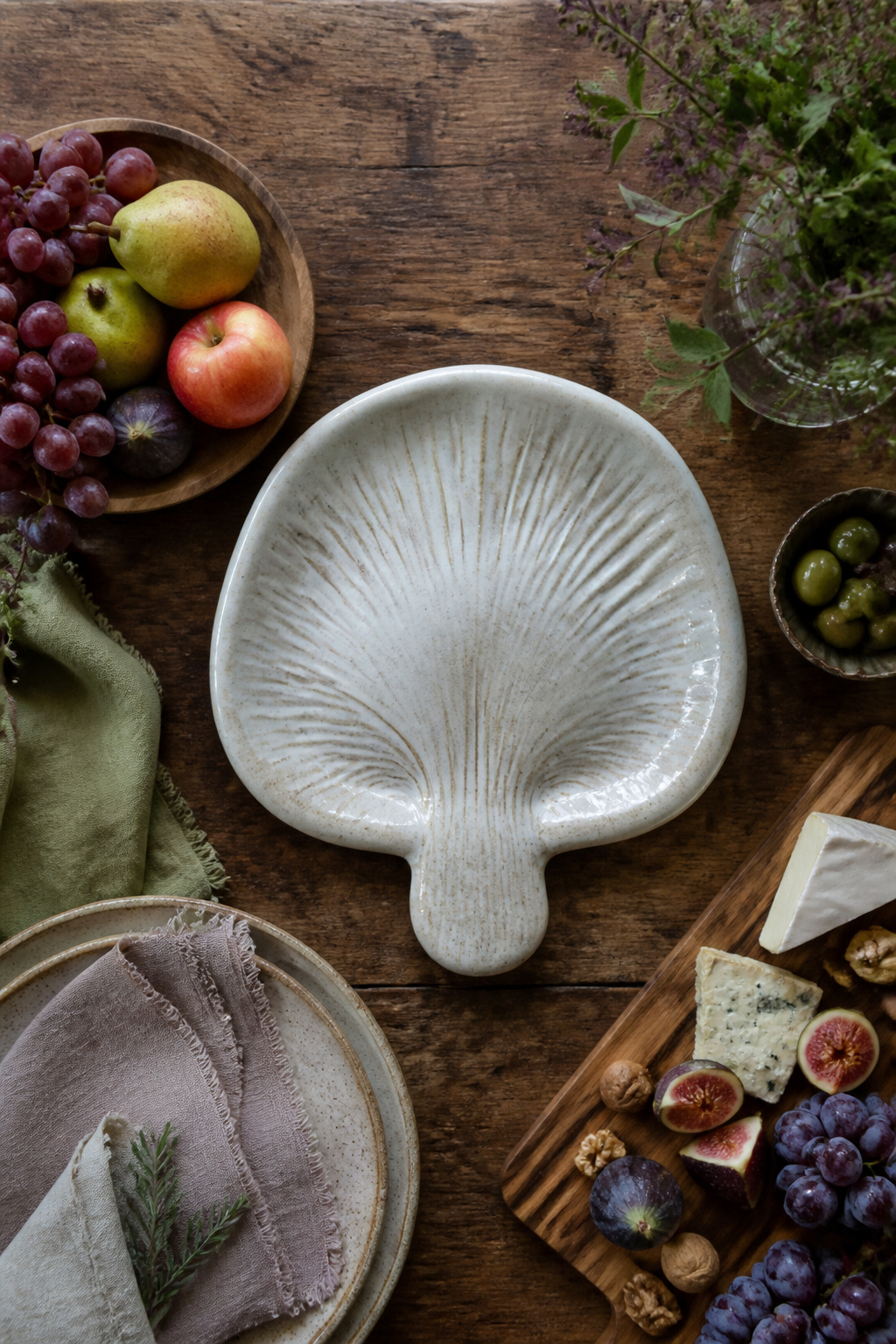
A ceramic platter shaped like a single wide cap, somewhere around twelve inches across, runs about $44. That is the entry point where the piece still feels thick enough to lift without flexing. The $98 tier gets you a clustered design, three or four caps at staggered heights that create natural divisions for cheese or fruit. Stoneware and high-fire porcelain survive actual oven-to-table use; resin or cold-cast plaster versions in the same shape do not, and the listing does not always make this obvious until you scroll to the material note.
I treat the resin ones as display-only. They look nearly identical in a photo, but a warm brie wedge will leave a soft spot or a gloss cloud that does not polish out. The ceramic ones go into my rotation for fall gatherings, though I hand-wash them. The dishwasher-safe claim on the bottom stamp holds up for the first dozen cycles, then the matte glaze starts to go satin in patches.
For a renter kitchen with limited storage, one large single-cap platter stores upright in a cabinet like a plate, while the clustered shapes need their own shelf. That is the trade I would make: buy the cluster if you have a hutch or open shelving to show it off between uses, or go single if you actually need the thing to work.

Whimsical Mushroom Ornament Set: Includes 6 felt mushroom clip on ornaments in warm earthy tones, bringing a soft woodland, cottagecore and spring-inspired accent to branches, wreaths, garlands and tabletop displays

Comfortable to touch: the Christmas mushroom decorations are made of quality wool, felt and cotton rope, exquisite workmanship and bright colors, more comfortable touch and quality durability, not easy to break or fade, long using time, ensure that you will get better customer experience

Comfortable to touch: the Christmas mushroom decorations are made of quality wool, felt and cotton rope, exquisite workmanship and bright colors, more comfortable touch and quality durability, not easy to break or fade, long using time, ensure that you will get better customer experience
5. Mushroom Pillows
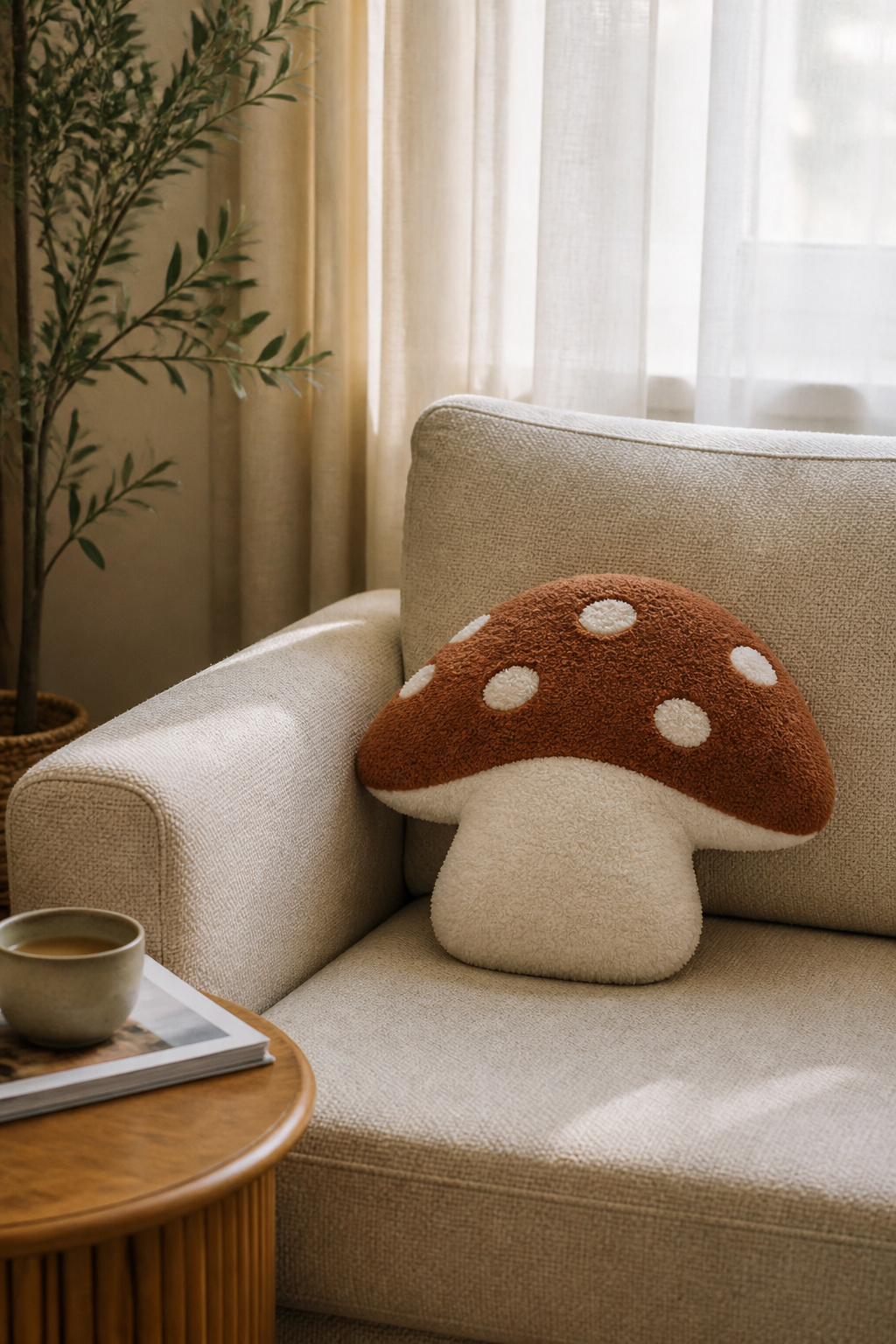
Soft goods are where mushroom themed decor stops feeling like a novelty and starts reading as texture. A pillow with a rounded, spotted cap shape or a knitted morel silhouette does the same work as any accent cushion: it breaks up a flat sofa or bed, but the organic silhouette keeps the eye moving in a way a square pillow never manages.
The trick in a small space is keeping the mushroom motif to one or two pieces and letting the rest stay neutral. I learned this the hard way after spotting a set of three velvet mushroom cushions for about sixty-five dollars and nearly ordering the full set. One on a reading chair is enough. Two on a sofa works if they are different scales. Three starts to look like a collection, and collections eat visual space faster than they eat floor space.
Linen and cotton weaves wear better than the plush faux-fur versions, which tend to read childish and flatten where you lean. The sixty-five dollar range usually gets you a removable cover, which matters more than it sounds if you actually use the thing. A zip-off cover triples the lifespan when you are working with a light-colored natural form that shows every coffee drip.
For renters, pillows are the lowest-stakes test of whether you even like living with the motif. If it starts to feel cute in the wrong way, you are out the cost of lunch, not the cost of a lamp or wallpaper.

UNIQUE GLASS MUSHROOM VASE: Handcrafted brown borosilicate glass mushroom planter that adds whimsical charm to any shelf or tabletop display

A whimsical array of stoneware mushrooms, each with a reactive glaze in speckled multi-colors, offers a magical touch to the decor
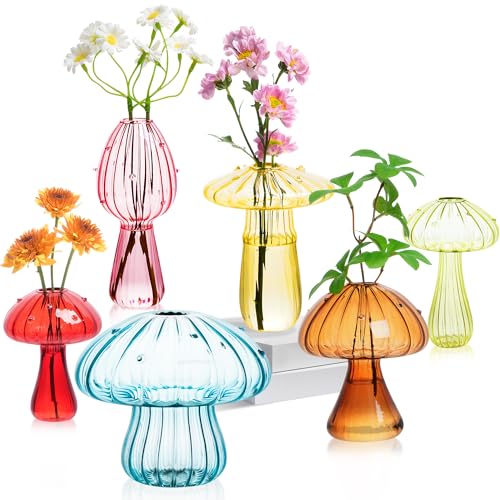
Assorted Lovely Mushroom Vase: The mushroom vase is designed and cute, add a touch of creativity to your home. Each of the 6 small flower vases comes with different styles, shape, size and colors. Small vase designed chic enough, more highlight the unique beauty of your flowers when paired with flowers
6. Mushroom Candles
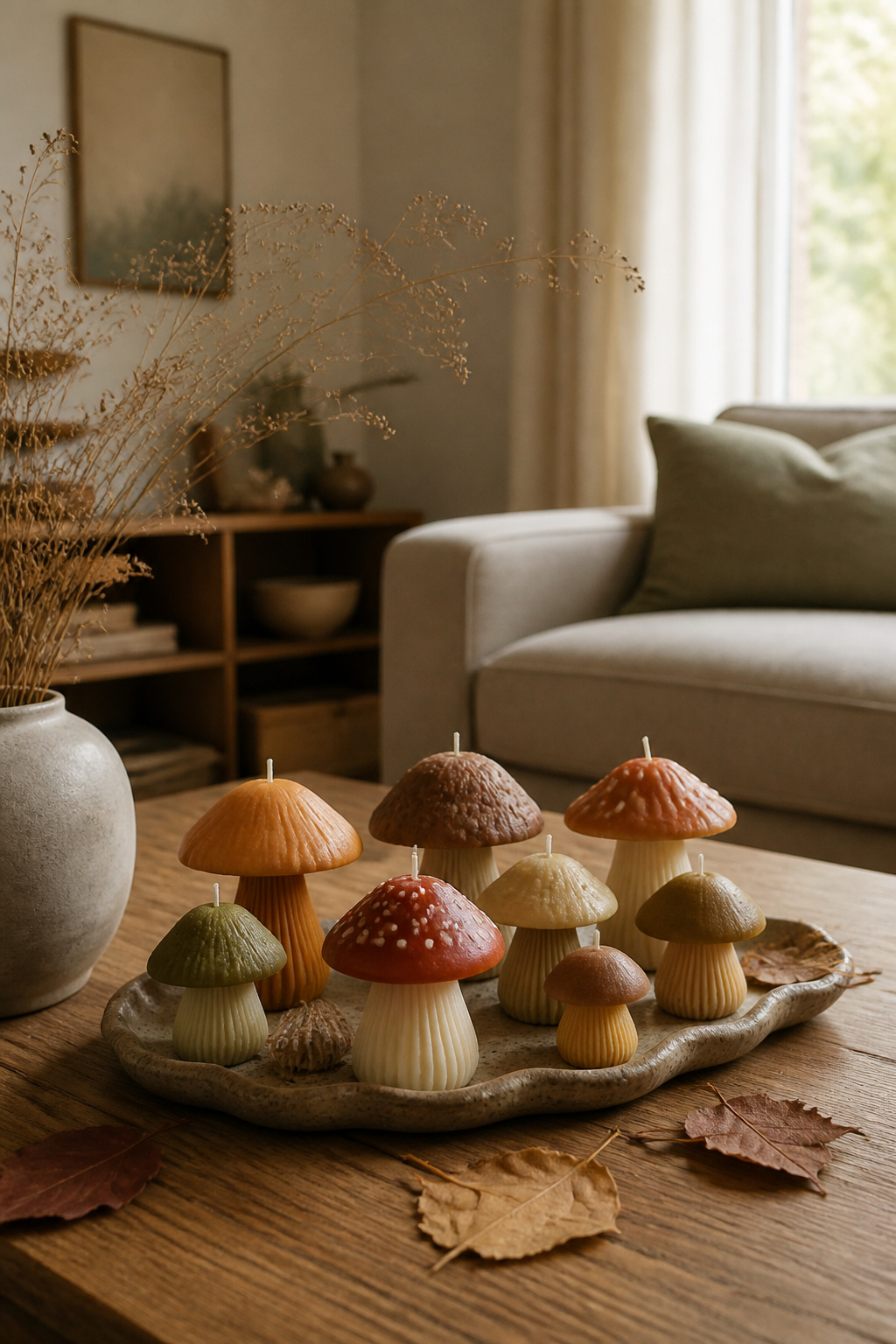
Mushroom candles sit at a useful crossing point between object and tool. The ones that read as decor first tend toward rounded, almost storybook silhouettes: short stems with wide, slightly uneven caps that catch light on their underside. Tapered or geometric shapes lean more modern, but they also look like standard candles that happen to be mushroom-colored, which misses the point for a themed piece.
Scent is where most of these go wrong. A mushroom candle that smells like actual forest floor would be a novelty for about ten minutes, then a mistake. What works better are quiet, earthy notes that complement the visual without announcing themselves: dry cedar, something honeyed, a little smoke if it is restrained. The candle should not enter the room before you do.
The line between decorative and functional is wick placement. A candle with the wick centered in the cap burns unevenly and pools weirdly; a candle with the wick in the stem, if the stem is narrow, tunnels down and wastes half the wax. The pieces that last tend to solve this with a wider base or a hollow cap that melts across before the stem starts. If you are buying for looks alone, a flameless LED version keeps the shape intact and skips the math.

Brightness: The light is soft and warm, not too bright nor too dimmable,give you a comfortable feeling.
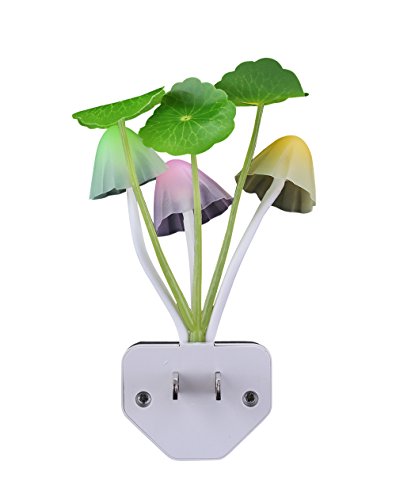
WHIMSICAL MUSHROOM DECOR FOR MULTI-ROOM USE --- Features an adorable 3-mushroom design with detachable leaves and flower accents, delivering a cozy cottagecore and fairy-tale aesthetic. Suitable for bedroom, bathroom, hallway, kitchen, nursery and office decor, adding a distinctive magical touch to any living space.

LED brightness: these cute mushroom night lights are soft and warm, not too bright not too dim, moderate brightness will not irritate your eyes, which provide you with a comfortable feeling to use, suitable for adults or aged people bedroom
7. Mushroom Baskets
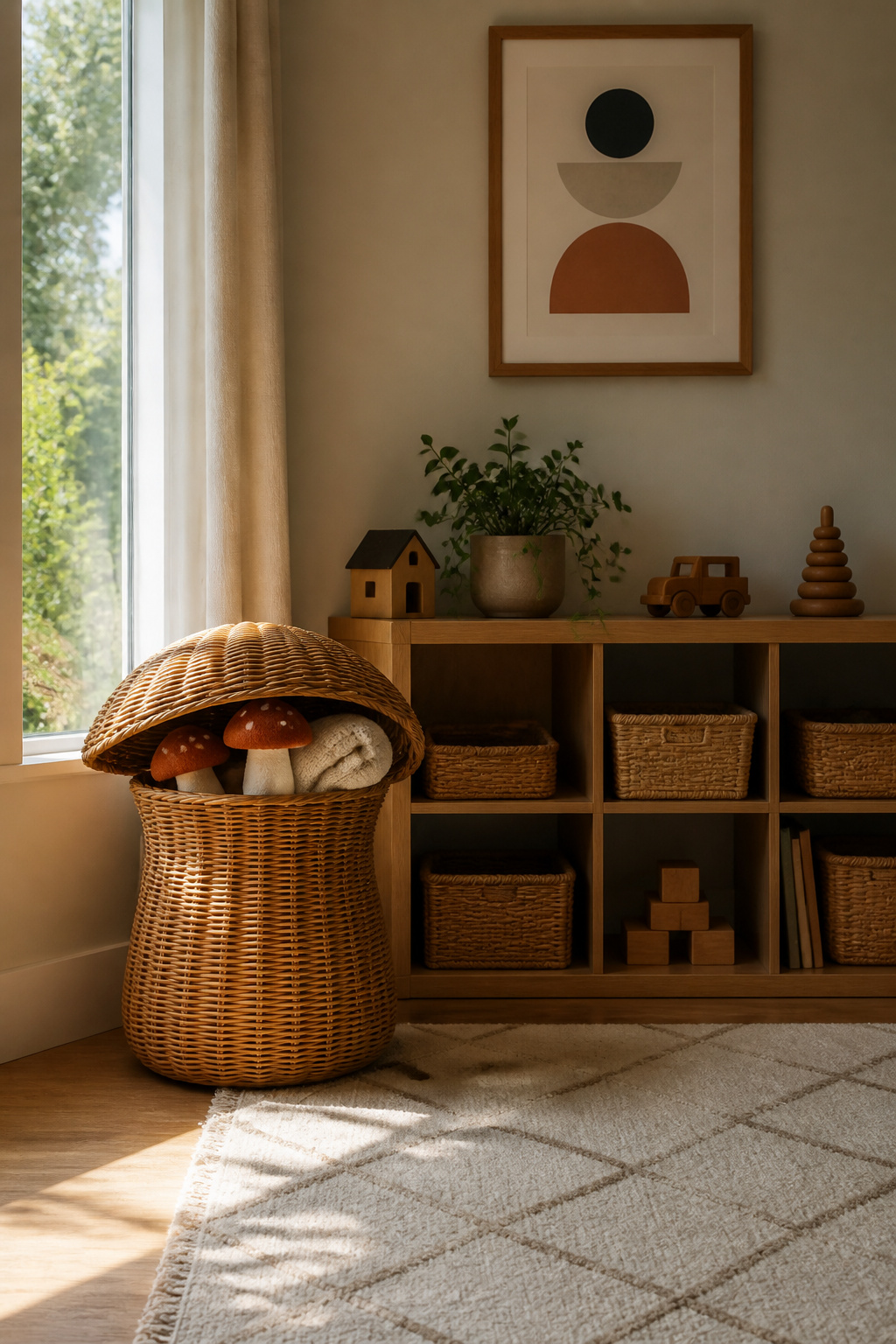
Mushroom baskets split cleanly into two jobs: the ones that hold actual clutter and the ones that pose on a shelf pretending to. The difference is usually height. A basket under about ten inches tall looks cute until you try to stand up a picture book or stuff a sweater inside; the sides fold or the whole thing tips. For a playroom or a bathroom cabinet, you want something closer to fourteen inches with a wide, flat base.
Woven rattan gives you structure and some breathability, which matters if damp towels or bath toys go in. Felted wool runs softer and lighter, better for lightweight items like spare gloves or craft supplies, but it slumps under weight. The $65 rattan piece I keep seeing sized for kids’ storybooks and stuffed animals hits that useful middle: tall enough to stand things upright, rigid enough not to collapse when a toddler digs to the bottom.
If you are buying purely for the silhouette, a felted wool mushroom cap in a small size works on a dresser or as the base of a gift arrangement. For anything that needs to survive daily use, rattan wins. The decorative trim on some woven versions, the stitched spots or the contrast stem, adds the mushroom reference without needing to explain the theme to every guest.

【Cute Mushroom Lamp】Experience the charm of the DAWNWAKE small night light, featuring a classic mushroom-shaped glass lampshade and a stained ceramic base. Its exquisite design makes it a perfect addition to any setting!

WITH PLUG EASY TO USE RETURN TO THE ANCIENTS TABLE LAMP:70S' Styled Light Fixture-Styled design from the 1970s and offered in retro orange and white, this mushroom lamp could be a focal point in any space. It serves well as a piece of decor and a functional lamp.It gives off a nice glow that is relaxing and aesthetically pleasing.You will love the lamp while it's on or off.

【Enchanting Mushroom Design for Cozy Decor】 Brighten your space with our charming Mushroom Table Lamp. This cute table lamp features a retro-inspired mushroom cap shade and a slender base, creating a whimsical and modern aesthetic. It's the perfect decorative accent for bedrooms, desks, nurseries, and living rooms, adding a touch of magic to any setting.
8. Mushroom Wall Hooks
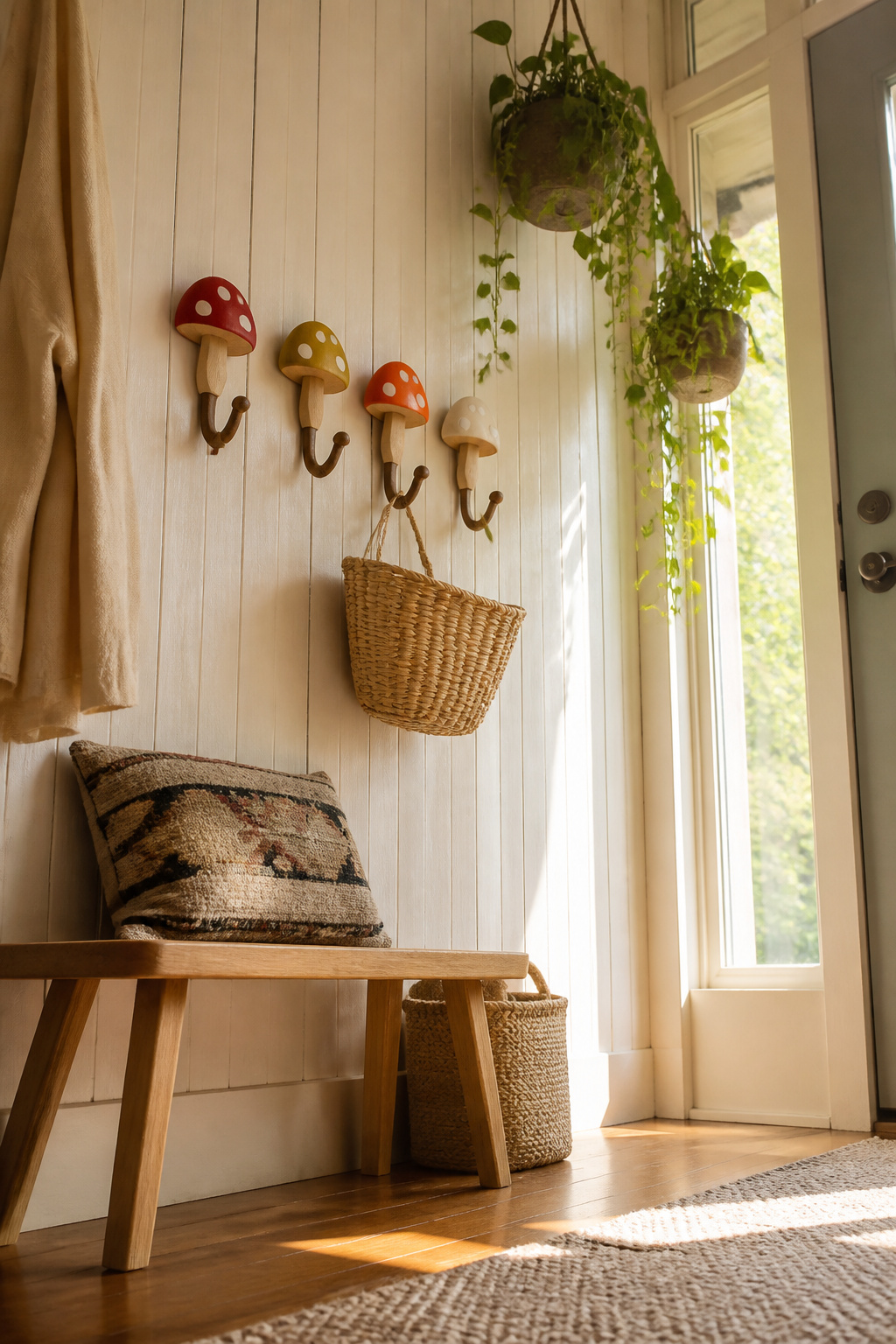
Small wall hooks shaped like toadstools or morels turn a coat rack into something worth looking at. The best ones for renters use either a sturdy adhesive strip rated for ten pounds or more or a small nail hole you can spackle in twenty minutes when you move out. I would not trust the tiny suction models for anything heavier than a single silk scarf. In an entryway, a cluster of three at staggered heights keeps bags and dog leashes from stacking into a pile. Bedrooms work too, especially behind a door where a mushroom hook can hold tomorrow’s robe without adding visual clutter. Weight capacity matters more than the shape: check the back of the package for the actual pound rating, because a ceramic cap that looks solid may be hollow and brittle. Metal or resin holds up better in a high-traffic spot.

Unique Meditation Mushroom Design These mushroom figurines feature adorable yoga poses and serene expressions, blending the charm of mushrooms with the tranquility of meditation. Each piece has a distinct mushroom cap pattern, adding a whimsical touch to your space.

Beautify your garden: These colorful and smooth ceramic mushrooms can become the most beautiful ornament in your garden. they can make your potted plants and gardens more vivid and better decorate your garden.

SET OF 8: Includes eight colorful ceramic mushroom figurines, each featuring a unique multicolor pattern for a vibrant and whimsical display.
9. Mushroom Night Lights
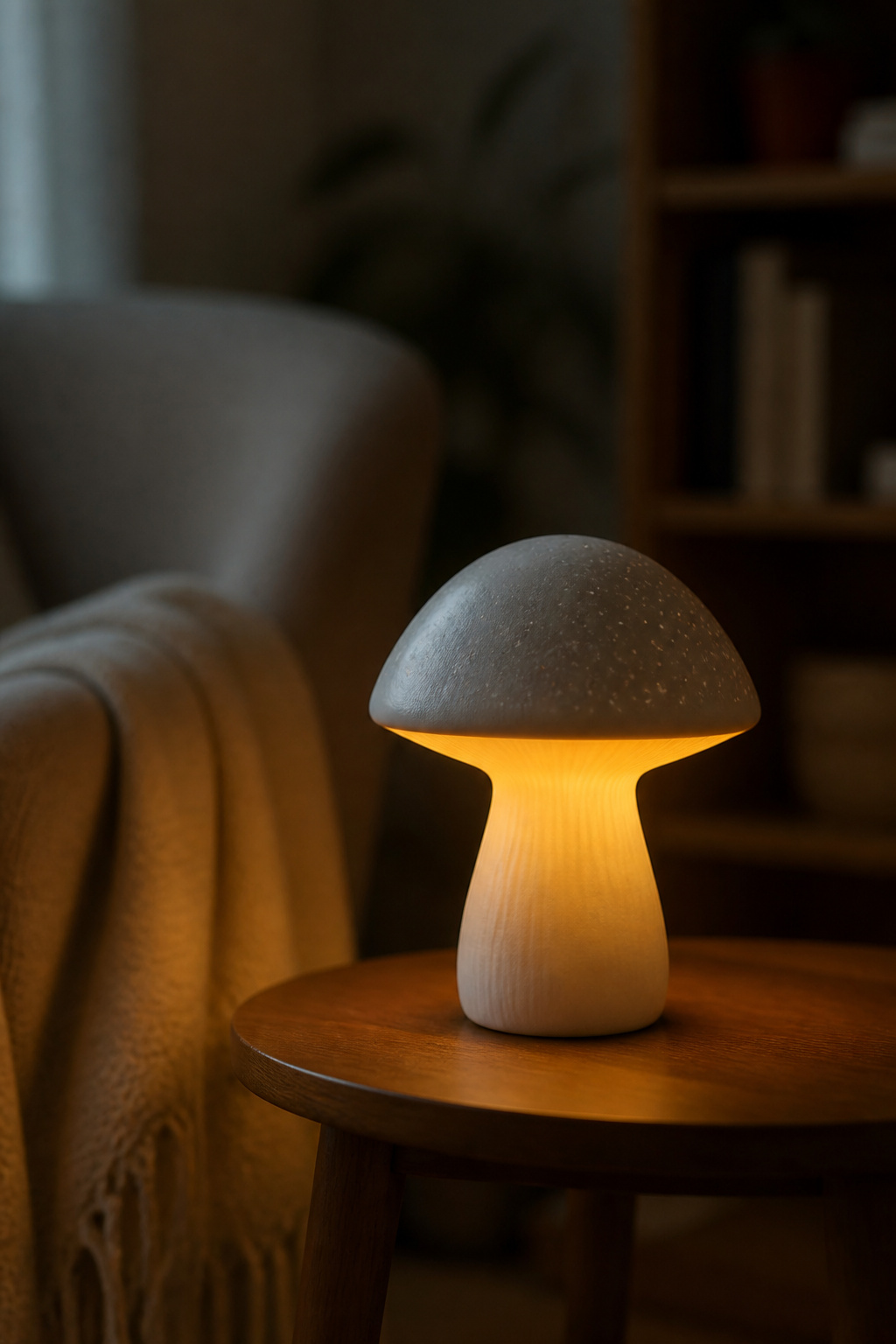
A decent mushroom night light lands in the $10–$15 range, which is low enough that you can scatter a few through the house without overthinking it. Plug-in models make the most sense for hallways and bathrooms, places where you already have outlets and want the light to just work every evening. Battery-powered ones suit renters who cannot rewire anything or who want to move the glow between a bedroom and a reading nook without committing.
Brightness matters more than most people expect. The ones that sell well beam just enough warm yellow light to find a doorway or settle a child, not so much that your eyes adjust and the rest of the room disappears into deeper dark. That subdued output is the point. A friend of mine keeps one plugged outside her bathroom for exactly that middle-of-the-night navigation, no stumbling, no flipping the main switch and waking herself fully.
The enchanted-forest look is what moves these from utilitarian to decor. In a hallway, the soft glow reads as intentional atmosphere rather than leftover childhood. For adults, the trick is choosing one with a ceramic or resin cap that looks like something you picked for the shape, not the function.

Comfortable to touch: the Christmas mushroom decorations are made of quality wool, felt and cotton rope, exquisite workmanship and bright colors, more comfortable touch and quality durability, not easy to break or fade, long using time, ensure that you will get better customer experience

What You Receive: the package contains 12 pieces of mushroom hanging decorations in 2 styles, red and green, sufficient quantity and different styles are enough to meet your decoration needs, bringing you a nice using experience

Sufficient Quantity: what you will receive are 30 pieces of mushroom hanging ornaments, designed in 10 different shapes, 3 pieces of each style; Sufficient quantities and various styles can fully meet your different decoration or replacement needs and satisfy your personal preferences
10. Seasonal Mushroom Decor
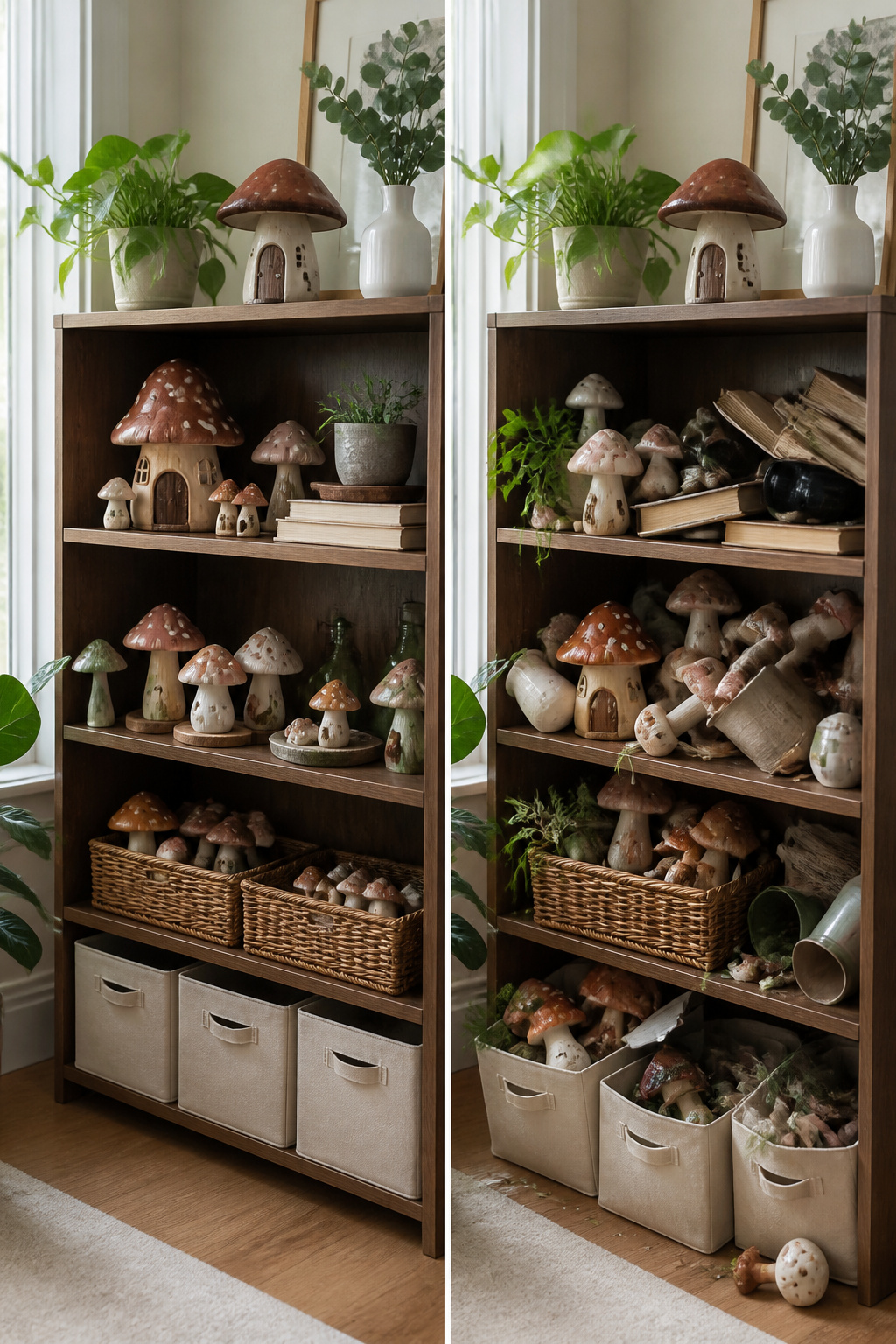
Mushroom decor moves through the year the same way produce does. A ceramic toadstool in rust and burgundy reads autumn without question, while the same shape in pastel pink and mint belongs on a spring shelf. The trick is buying neutral forms and letting color do the seasonal work.
I keep one set of mushroom pieces in storage bins labeled by season. The heavier pottery ones stay out for fall and winter; lighter resin and painted wood pieces rotate in for spring and summer. A single can of matte spray paint in the right seasonal tone can shift a piece that feels off, though I skip anything with a glazed finish since paint won’t grip it evenly.
The cost of a second seasonal collection is rarely worth it when a $6 can of paint and thirty minutes of work changes the mood entirely. Store off-season pieces in the same bin as your holiday decor so you actually remember they exist when the calendar turns.

Whimsical Stylish Appearance: This resin cute flower vase belongs to unique vases and decorative mushroom planter, with vivid red spotted mushroom patterns, size 3.54in×3.35in×6.10in, delivering playful pastoral aesthetic for space decoration.

Ceramic House Shape Vase: discover the charm of our ceramic house shape vase, where no 2 are exactly alike; This small vase is meticulously handcrafted, meaning each piece possesses its own character and subtle variations that add to its story; This flower vase is a one-of-a-kind art piece
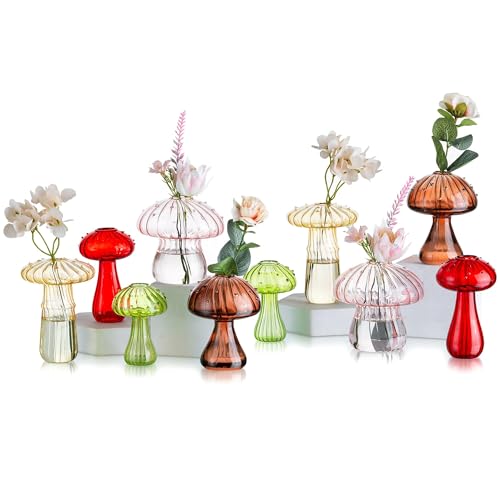
Assorted Lovely Mushroom Vases: These mini vases with varied mushroom shapes, sizes and colors give an eclectic and natural feel, add a cute and cool charm to any room, and bring a warm tone when light is shining through. They are chic enough to appreciate on their own, and simultaneously highlight the unique beauty of your plants when paired with flowers.
The Mushroom Decor Aesthetic
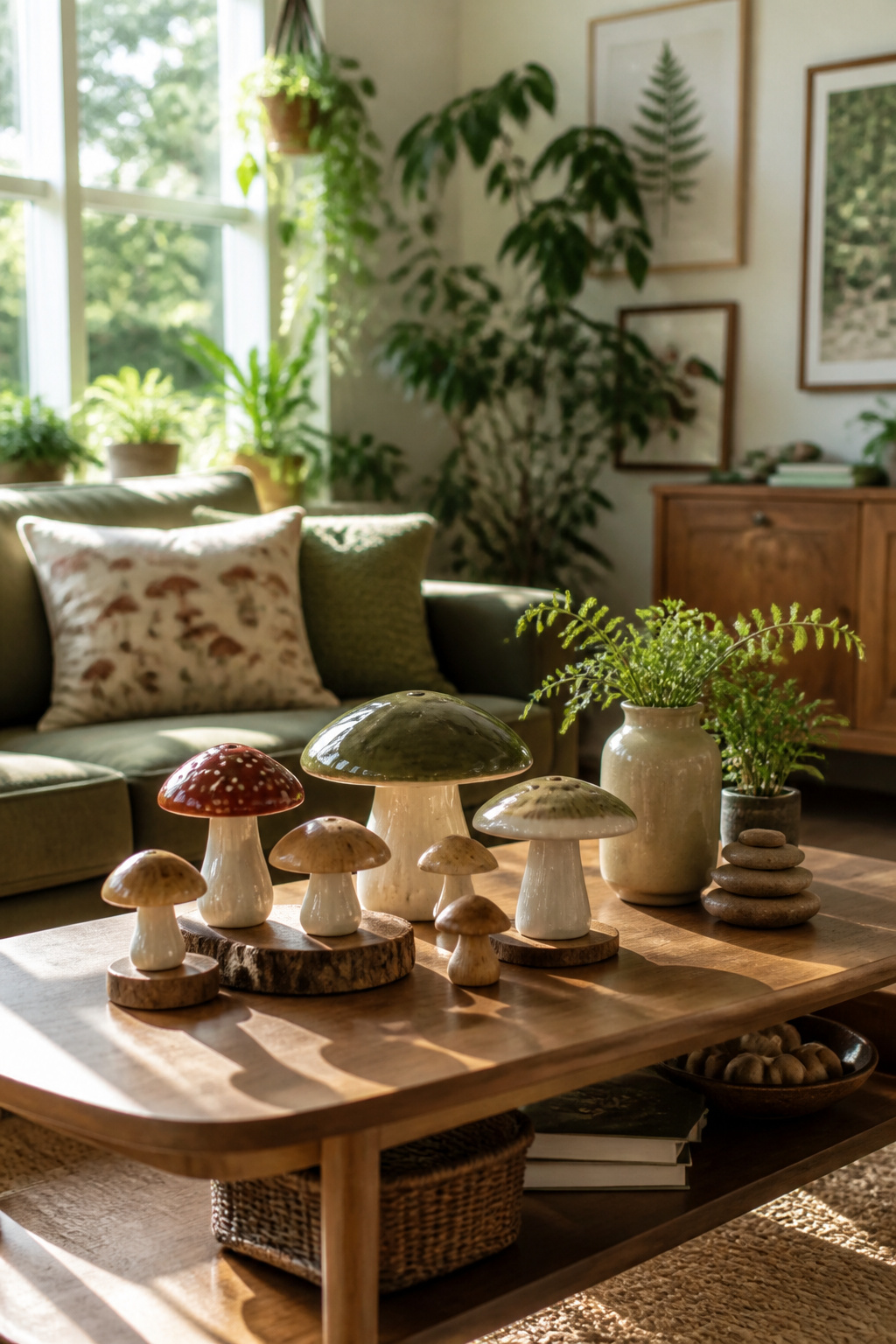
The mushroom decor aesthetic runs on three things: organic shapes, natural materials, and a touch of storybook logic. Ceramic toadstools, carved wood, and pressed felt all carry that soft, hand-formed quality that makes a shelf look gathered rather than staged. Colors stay in the damp-forest range: ochre, russet, moss, and cream, with the occasional red cap for punctuation.
What separates this from straight nature decor is the whimsy. A mushroom lamp or a velvet toadstool does not pretend to be a specimen. It leans into the enchanted forest mood, the cottagecore impulse to make a room feel like a clearing you just stumbled into. Glossier’s Seattle store went all-in on this in 2020, and the look has only settled deeper into mainstream styling since.
"2020 will be fondly remembered as the Year of the Mushroom… mushrooms emerged as a revolutionary symbol for growth, renewal, and transcendence."
That symbolism still works in a rental or a first home. You are not building a fungi fortress. You are borrowing a mood: growth without grandeur, nature without the maintenance. The materials make it forgiving. A ceramic cluster on a windowsill or a felted pair on a bookshelf reads instantly, needs no installation, and moves with you when the lease ends.
Layering and Height Variation
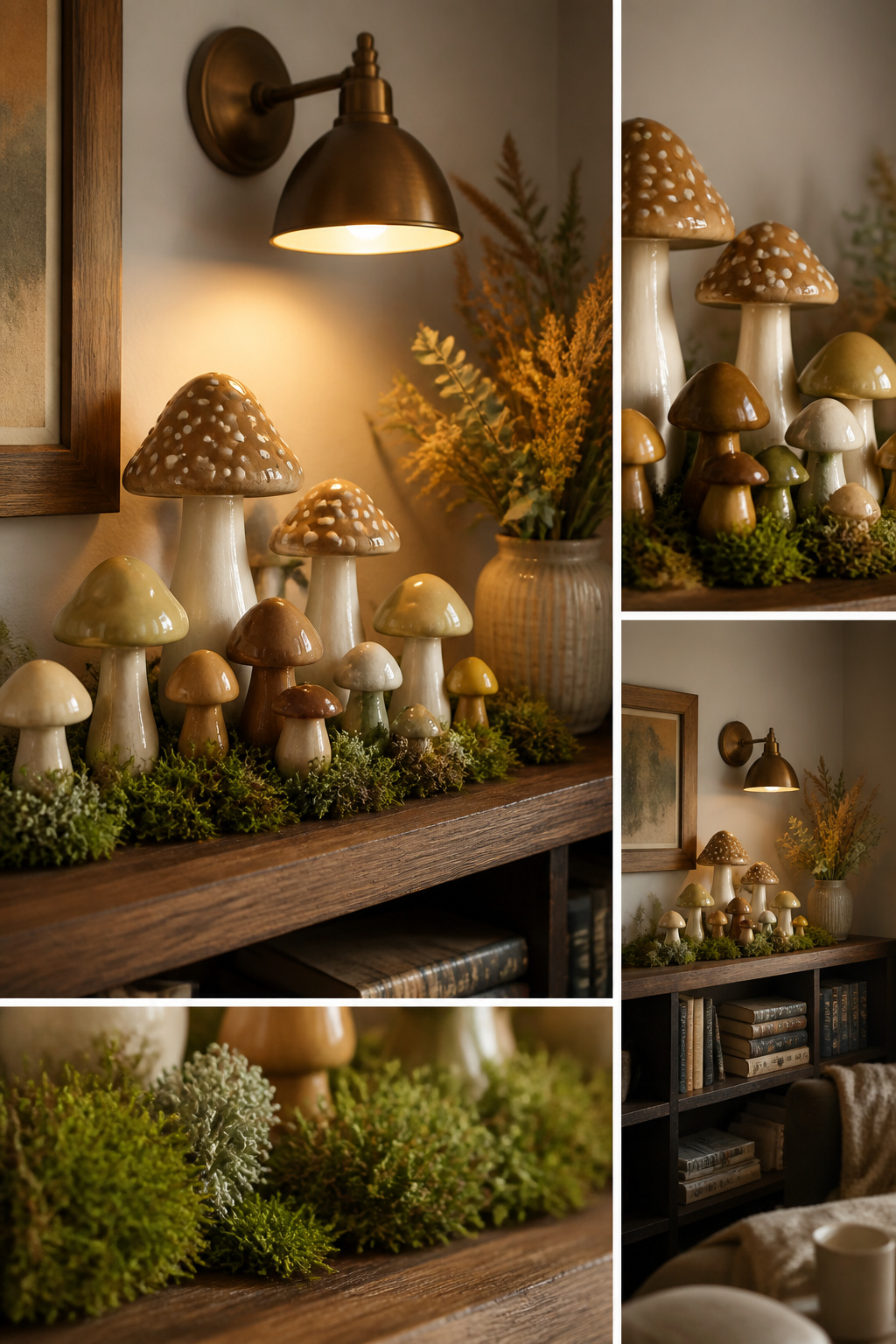
A cluster of ceramic mushrooms in the same size reads like a toy set, not a forest floor. Varying heights by even a few inches breaks that illusion fast. On my own shelves, I stagger soft foam mini mushrooms behind taller ceramic picks, the red Amanita-style ones with white spots, and let trailing ivy spill between them so nothing sits in a straight line.
Faux moss beds or preserved greenery underneath do the actual work of selling the woodland look. The mushrooms appear to push up through something rather than sit on top of it. For displays, I use varied height risers, mossy stones, or even a stack of old books wrapped in brown paper to lift some pieces and sink others. The eye travels across the stagger instead of locking on a single center.
Fresh greenery overhead, hung as garlands or draped from a light fixture, adds the final layer. The grounded mushrooms read as undergrowth; the hanging vines read as canopy. The contrast between the two, living green against static ceramic or foam, keeps the whole arrangement from feeling too staged.
DIY Mushroom Decor
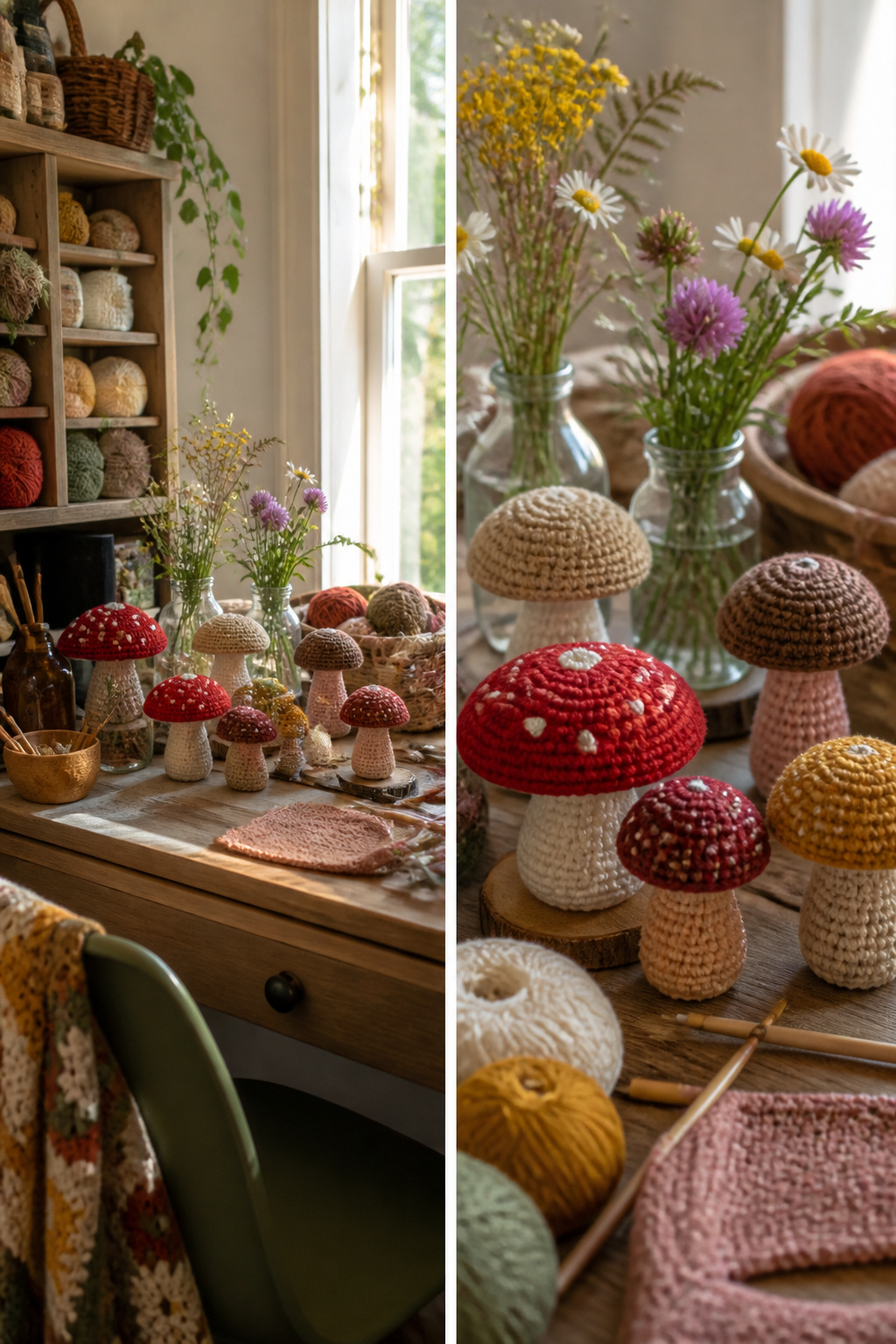
The most convincing mushroom pieces I have seen in friends’ apartments are the ones that took actual time to make. A cluster of crocheted toadstools in orange, yellow, and that vintage avocado green sits on one shelf, the kind of thing you used to watch crafters build at county fairs with yarn and a hook while you stood there wanting to learn. That personal labor shows in a way resin never quite matches.
Floral arrangements with mushroom elements work the same way. Tuck a few small toadstools into moss and blooms at the base of a centerpiece, or let them peek from behind petals so guests spot them halfway through dinner. Gnomes pair naturally with these woodland setups if you want that storybook depth, though I would keep them small; one or two miniature figures read as charm, and a dozen read as clutter.
The sources never list full materials, so I will not pretend to hand you a pattern. What they do make clear is that the effort itself is the aesthetic. A $19.95 glass mushroom vase from Amazon fills space. A crocheted mushroom you watched someone make, or made yourself, fills memory.
Mushroom Crochet Projects
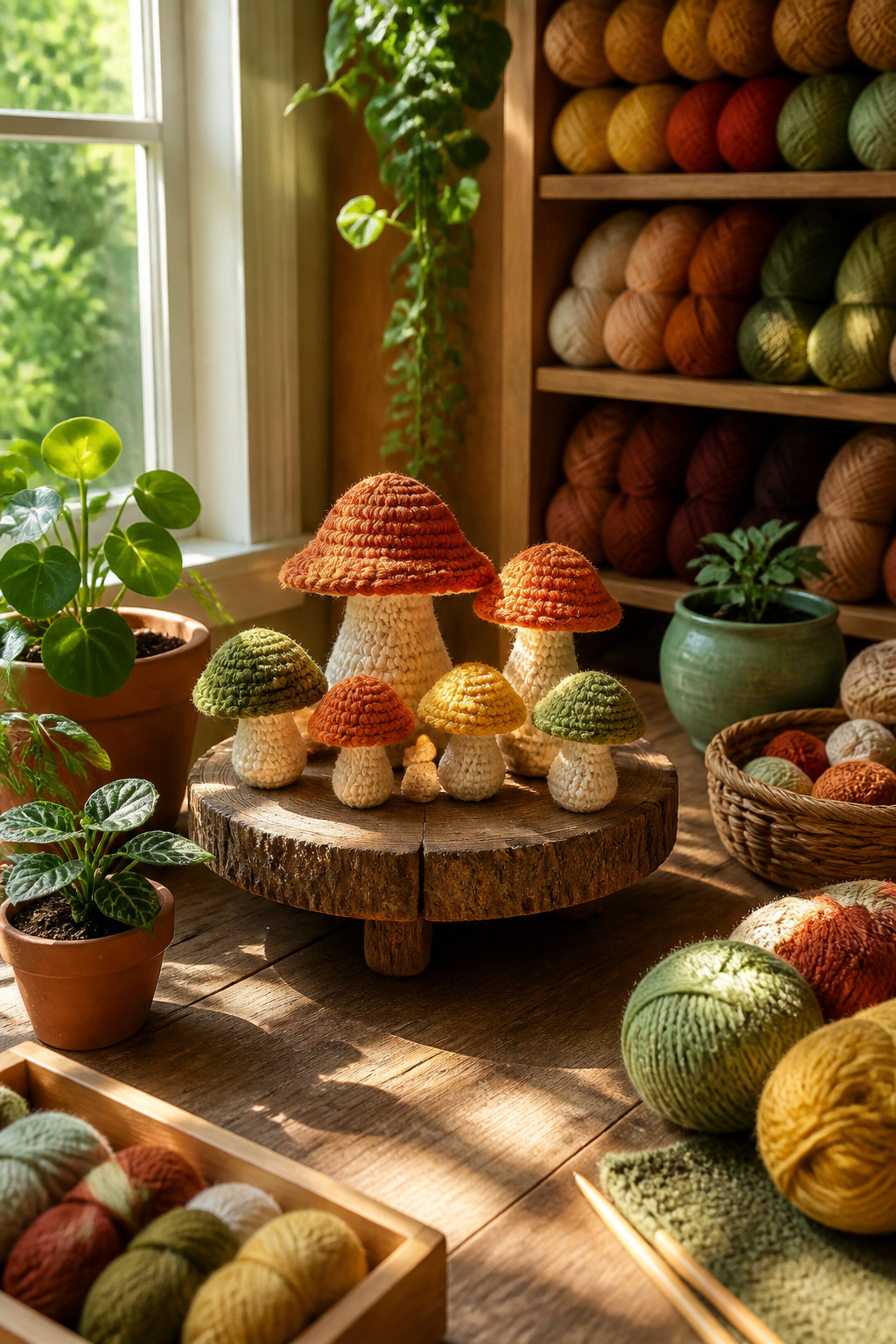
A crocheted mushroom carries the kind of imperfection that factory pieces never quite match. One blogger watched her niece, Mia, teach herself to crochet mushrooms from online videos, the same way her own daughter had picked up knitting and crewel work years before. The finished mushrooms sat on a small pedestal, lumpy and earnest in orange and yellow and avocado, the kind of colors that marked handmade work from a particular era.
That personal thread matters more than the object itself. A store-bought mushroom pillow or wooden figurine fills space; a crocheted piece holds the hours someone spent pulling yarn through loops, ripping back mistakes, starting over. For a renter or first-home owner working with a few hundred dollars and a Saturday, handmade mushroom decor costs nothing but time and a skein of cheap acrylic, and it survives a move better than anything fragile.
The skill is learnable from videos now, no craft-fair lady required. The result reads as heritage rather than trend, which is why it works in a kitchen or on a shelf beside mass-market mushroom lamps and velvet cushions. Pair one with the commercial pieces and the whole arrangement stops looking like you ordered it all in one cart.
Frequently Asked Questions
What is mushroom decor?
Mushroom decor is a design style that brings mushroom-shaped or mushroom-themed elements into your home, using materials like ceramic, wood, felt, velvet, or resin. It leans on organic shapes, natural colors in the damp-forest range, and a touch of storybook whimsy that separates it from straight nature decor. You will see it in cottagecore interiors, enchanted forest setups, and anywhere someone wants a room to feel like a clearing they just stumbled into.
How can I decorate with mushrooms for fall?
Lean into autumn colors like rust, burgundy, and ochre on your mushroom pieces, and keep the heavier pottery and ceramic shapes out while storing lighter spring-colored items. A single can of matte spray paint in the right seasonal tone can shift a piece that feels off, though skip anything with a glazed finish since paint will not grip it evenly. Store off-season pieces with your holiday decor so you actually remember them when the calendar turns.
What are some popular mushroom decor items?
Lamps, ornaments, vases, serving platters, pillows, candles, baskets, wall hooks, and night lights all rank as the most common pieces. Mushroom lamps run from about $74 to $795 depending on whether you want a basic accent or something sculptural; small ceramic, wood, or felt ornaments start around $15; and decent night lights land in the $10–$15 range.