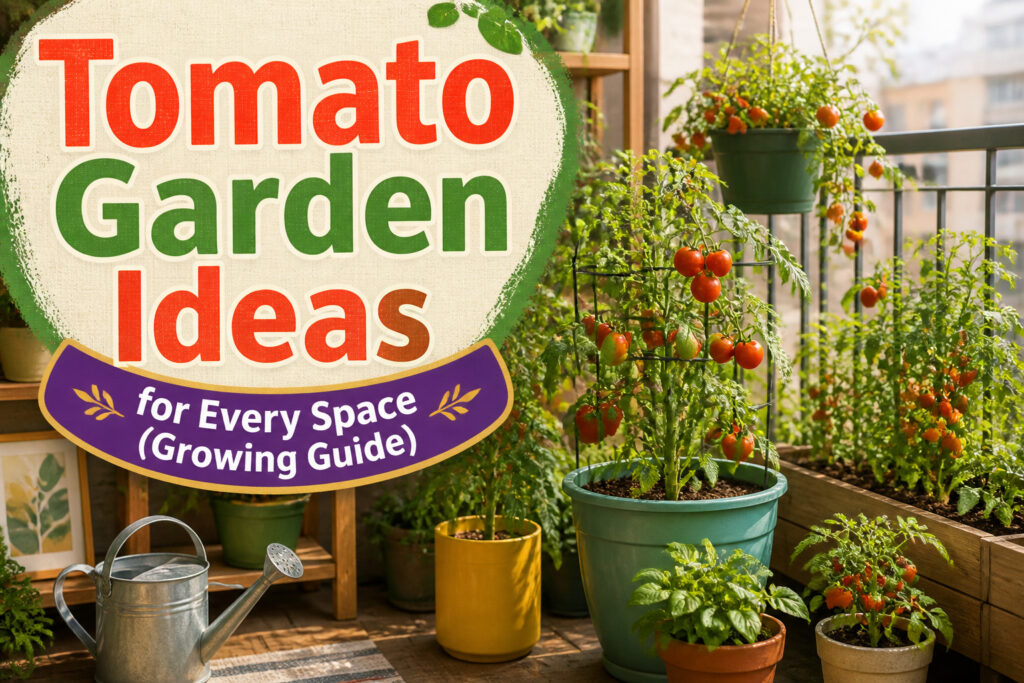
The only tomato garden idea that works in every space is the one you adjust for what you actually have. A 5-gallon pot is the smallest container worth buying, and anything smaller buys you a stunted plant by July. The same variety that sprawls through a raised bed will drown in a hanging basket if you miss a morning watering, so match the method to the hours you can give it and the sun your spot receives.
1. In-Ground Planting
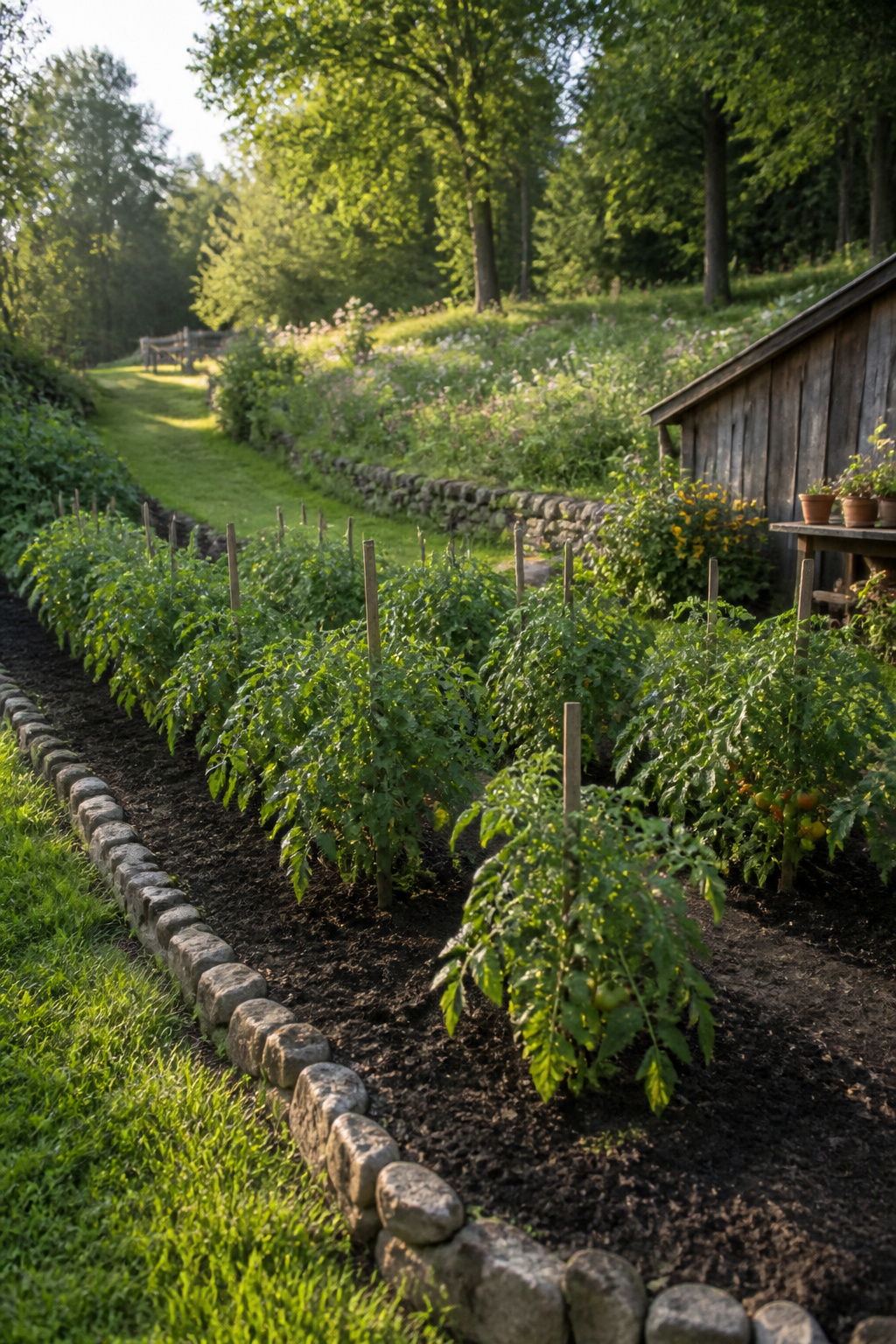
Nothing beats the yield you get from tomatoes planted straight in the ground. The root run is unlimited, the soil stays cooler in summer heat than a black plastic pot, and you can grow almost any variety without worrying whether an indeterminate beefsteak will topple its support. The tradeoff is space and exposure. You need a patch that sees serious sun, and you need to accept that deer, gophers, birds, and squirrels all seem to prefer an in-ground garden to a pot on a patio.
Bury part of the stem when you set the transplant. Those fine hairs along the stalk will form surface roots, and the more stem you put underground, the bigger the root system you build. I space my plants 2 to 3 feet apart in rows, with 2 to 3 feet between rows. That gives me room to move, room to stake, and enough airflow that I am not fighting fungus in July. Soil-borne disease is the real risk with this method; if fusarium or nematodes move in, you cannot swap out the soil the way you can dump a container and start fresh.

【Vibrant Dark Green & Perfect Size】MQJIAZHI raised garden bed in vibrant dark green, overall height 130cm/52", planter size 42*22.5*22cm, holds up to 5 gallons of soil for tomatoes and climbing plants.

Sturdy & Garden-Ready Material: Made of 300g of thickened nonwoven fabric, these pots are moderately permeable, environmentally friendly, and BPA-free; Ideal for raised beds, patios, and outdoor gardens

【Premium Fabric Construction】 Made from ultra-durable nonwoven material, our grow bags 10 gallon deliver balanced breathability and root aeration — perfect for tomato grow bags, strawberry grow bags, and vegetable grow bags in home gardens or outdoor raised beds.
2. Raised Beds
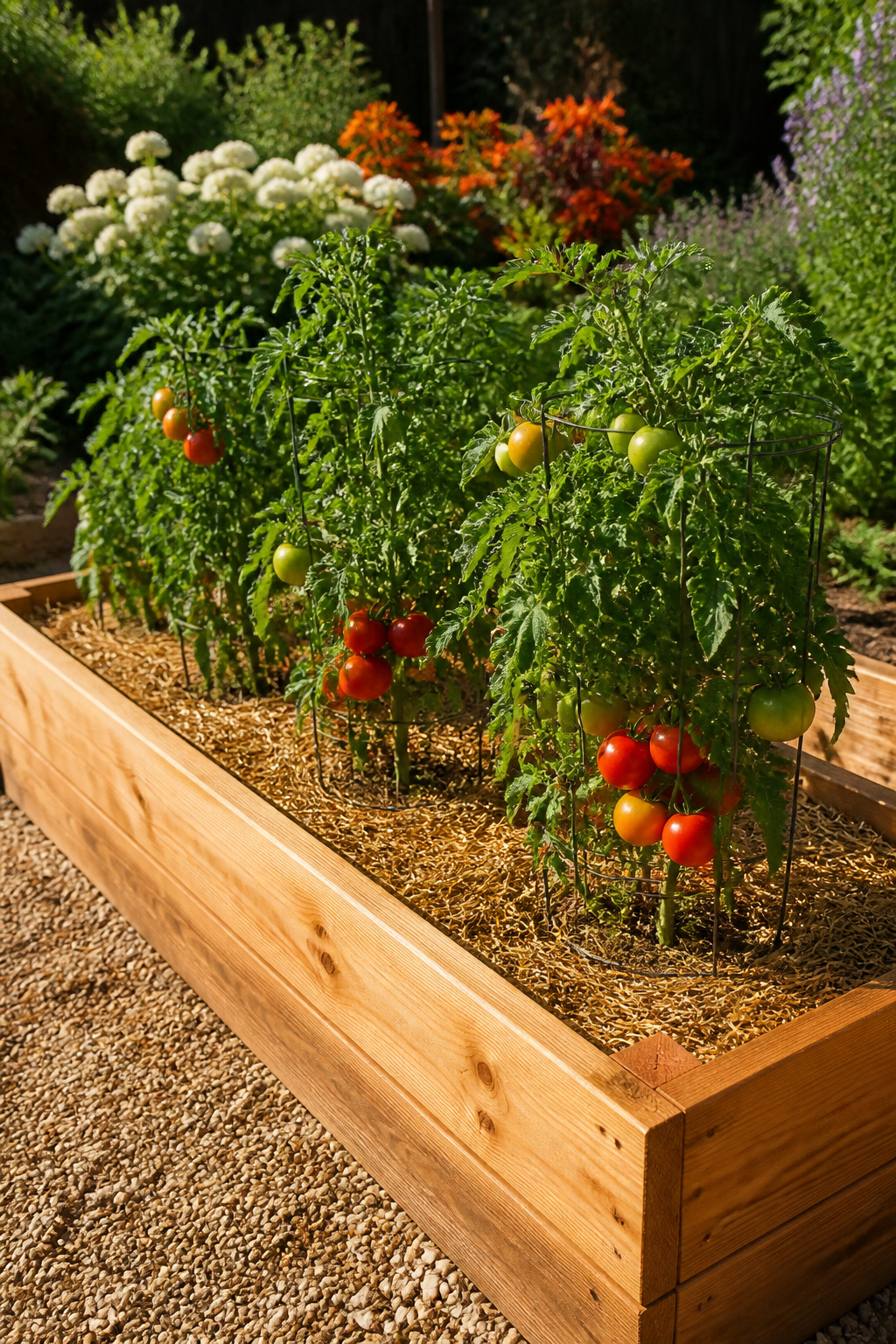
Raised beds solve the drainage problem that kills more tomato plants than pests do. Heavy, wet soil rots roots fast, and building up gives water somewhere to go. The kits now are simple enough that assembly is an afternoon, not a weekend project, though the lumber or kit still costs something upfront.
Soil in a raised bed is yours to engineer. Tomatoes need it well-drained and rich, so I work compost in before planting and add bone meal to each hole at transplant time. After that, side-dressing every two or three weeks with something organic, liquid seaweed or a granular like Espoma Tomato-Tone, keeps production steady through the season. Two to four inches of organic mulch, wood chips, straw, or pine needles, keeps moisture even and stops soil from splashing onto lower leaves, which is how blight spreads from the ground up.

Thickened Nonwoven Fabric: Crafted from 300G thickened breathable nonwoven fabric, these grow bags for plants provide moderate permeability for root respiration; BPA-free material ensures food safety for organic vegetables

300G THICKENED FABRIC, BUILT FOR MULTIPLE SEASONS — 300 g/m² non-woven fabric (vs. 200 g/m² or thinner on entry-level bags), so the walls hold their shape when filled and resist tearing at the seams. Each empty bag weighs 4 oz — 16 oz for the 4-pack. Fold flat and store indoors over winter and they are built to be replanted season after season 3.

【Premium Fabric Construction】 Made from ultra-durable nonwoven material, our grow bags 5 gallon deliver balanced breathability and root aeration — perfect for tomato grow bags, strawberry grow bags, and vegetable grow bags in home gardens or outdoor raised beds.
3. Container Gardening
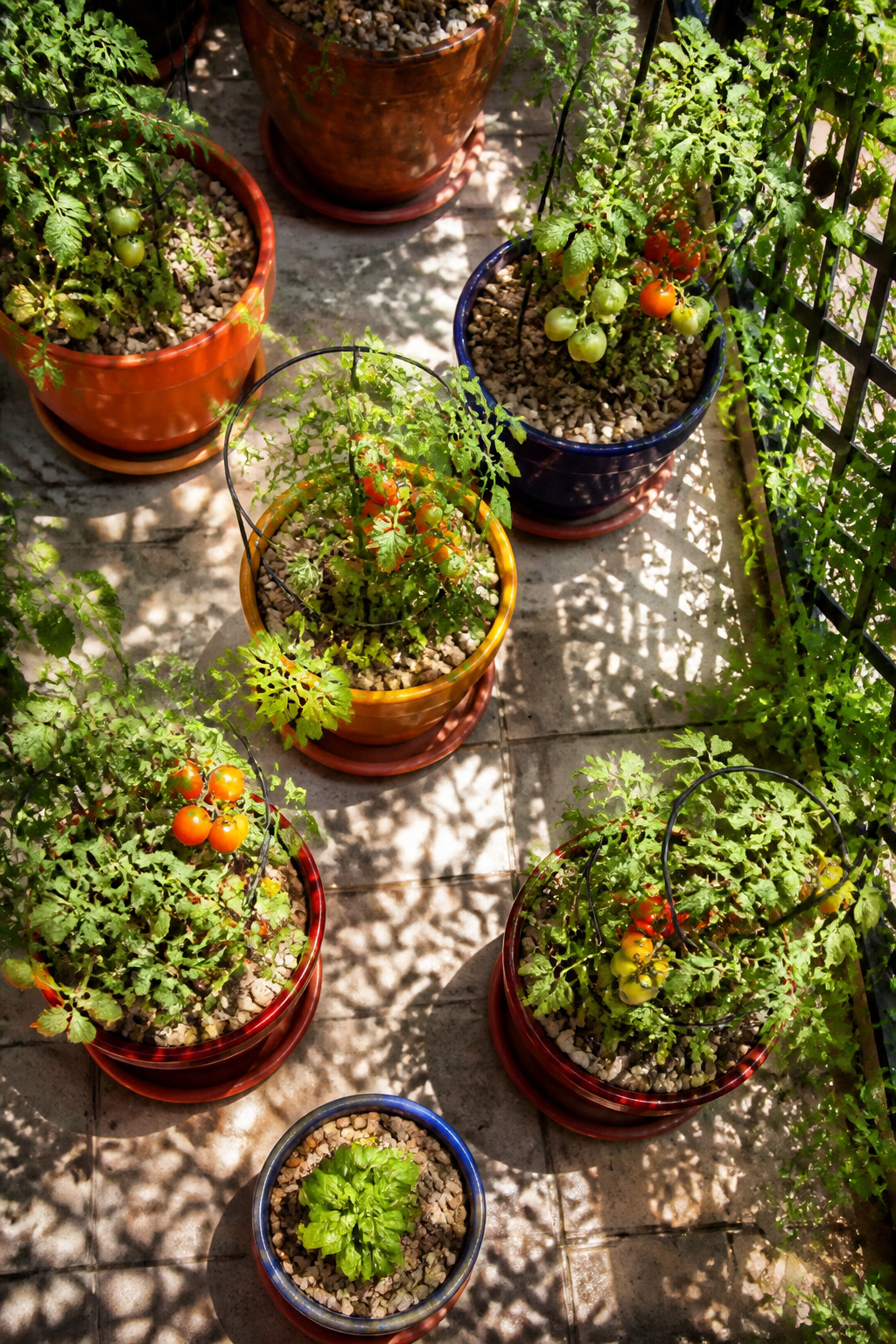
A 5-gallon pot is the smallest container worth buying for tomatoes, and most varieties taller than three feet will still struggle in it. Root systems in confined space need every inch they can get, so skimping on pot size buys you a stunted plant by July.
Container tomatoes need roughly 1 inch of water per week, but the real risk is letting that schedule wobble. Pots dry out faster than garden soil, which means a sudden dry spell between soakings does not just wilt leaves; it triggers blossom-end rot, that dark leathery scar on the fruit’s bottom caused by calcium uptake shutting down under moisture stress. The damage is physiological, not a disease you can spray away later.
I water mine at the base, slowly, until I see drainage. A rain gauge helps me know whether yesterday’s storm actually delivered the inch it promised, or whether I still need to haul the can out in the morning. The ones that split or rot on me are almost always the ones I got lazy about during a hot week.

【High-quality 】The tomato cage features steel pipe wrapping, ensuring rust resistance.Reinforced thick steel pipes that provide enhanced strength and stability, ensuring its durability and longevity.

Eco-friendly Cucumber Trellis are going to make your life a lot easier! Perfect to secure floppy plants to get the light they need.

Professional 63-Inch Height for Climbers: Supports tall, indeterminate tomatoes and vining vegetables that exceed 6 feet. Provides 15 more inches of growing space than standard 48-inch cages.
4. Hanging Baskets
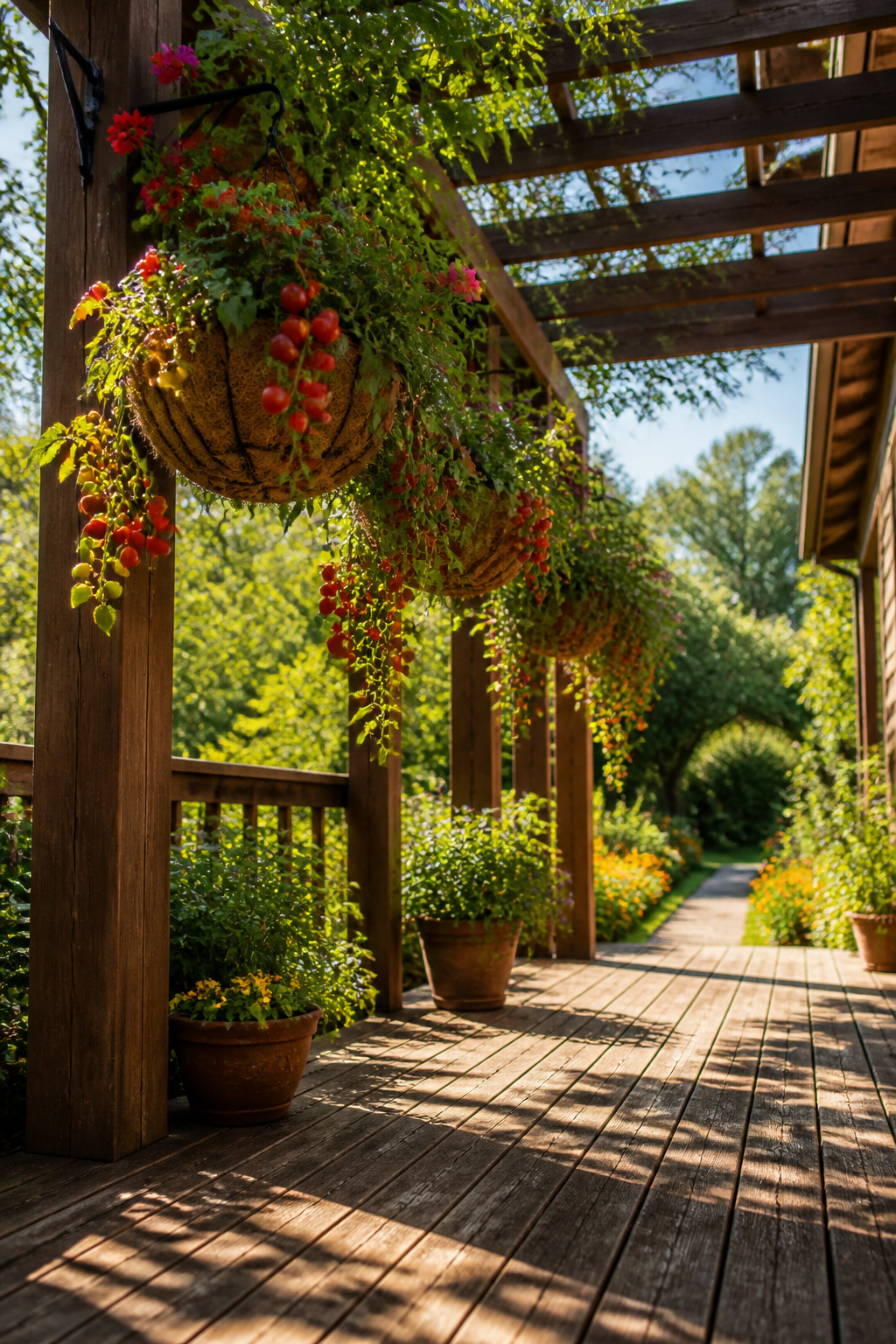
Hanging baskets turn any sunny hook or bracket into a tomato patch without sacrificing floor space. Cherry tomatoes are the only size that reliably thrives here, since their smaller fruit load keeps the vine manageable and the roots can handle the limited soil volume.
The catch is water. A suspended basket dries out faster than a pot on the ground, and tomatoes want steady moisture, not feast-or-famine swings. Morning watering becomes non-negotiable, and on hot days you may need to check again by evening. Wet soil also weighs considerably more than dry, so the hardware matters: a decorative hook rated for a light fern will fail once the basket is fully soaked.
I would skip any tomato labeled indeterminate for this setup. The vines keep climbing until frost, and a hanging basket gives you no structure to support that ambition. Determinate or dwarf cherry varieties, something like ‘Tumbling Tom’ or ‘Sweet Million,’ give you a contained cascade that actually looks intentional spilling over the rim. The fruit ripens in a concentrated window too, which lines up well with the single-season life of a basket planting.
A pedestal works if you do not trust your ceiling hook, though you lose the vertical garden effect. Either way, plan on replacing the soil next year; tomatoes are not forgiving about growing in depleted, root-packed mix twice in a row.

Combined for Maximum Growth: Neptune’s Harvest Fish & Seaweed organic fertilizer is an organic all-purpose liquid plant food formulated with 75% fish and 25% seaweed for a perfect blend of nutrients; this organic plant fertilizer delivers consistent feeding as a liquid fertilizer and plant food for vegetables, flowers, trees, lawns, and indoor plants, supporting balanced growth throughout the growing season and is safe for kids and pets

Derived for Maximum Growth: Neptune’s Harvest Natural Tomato & Vegetable Organic Fertilizer is a liquid plant food formulated for the critical "vegging" stage of tomatoes, vegetables, and houseplants; this liquid fertilizer enhances plant health, promotes vigorous foliage, and develops strong stems and roots; this fertilizer increases yield, supports healthy deep roots, and helps with big vegetation, healthier crops, especially for tomatoes and vegetables and is safe for kids and pets

Derived for Maximum Growth: Neptune’s Harvest Natural Tomato & Vegetable Organic Fertilizer is a liquid plant food formulated for the critical "vegging" stage of tomatoes, vegetables, and houseplants; this liquid fertilizer enhances plant health, promotes vigorous foliage, and develops strong stems and roots; this fertilizer increases yield, supports healthy deep roots, and helps with big vegetation, healthier crops, especially for tomatoes and vegetables and is safe for kids and pets
5. Upside-Down Planters
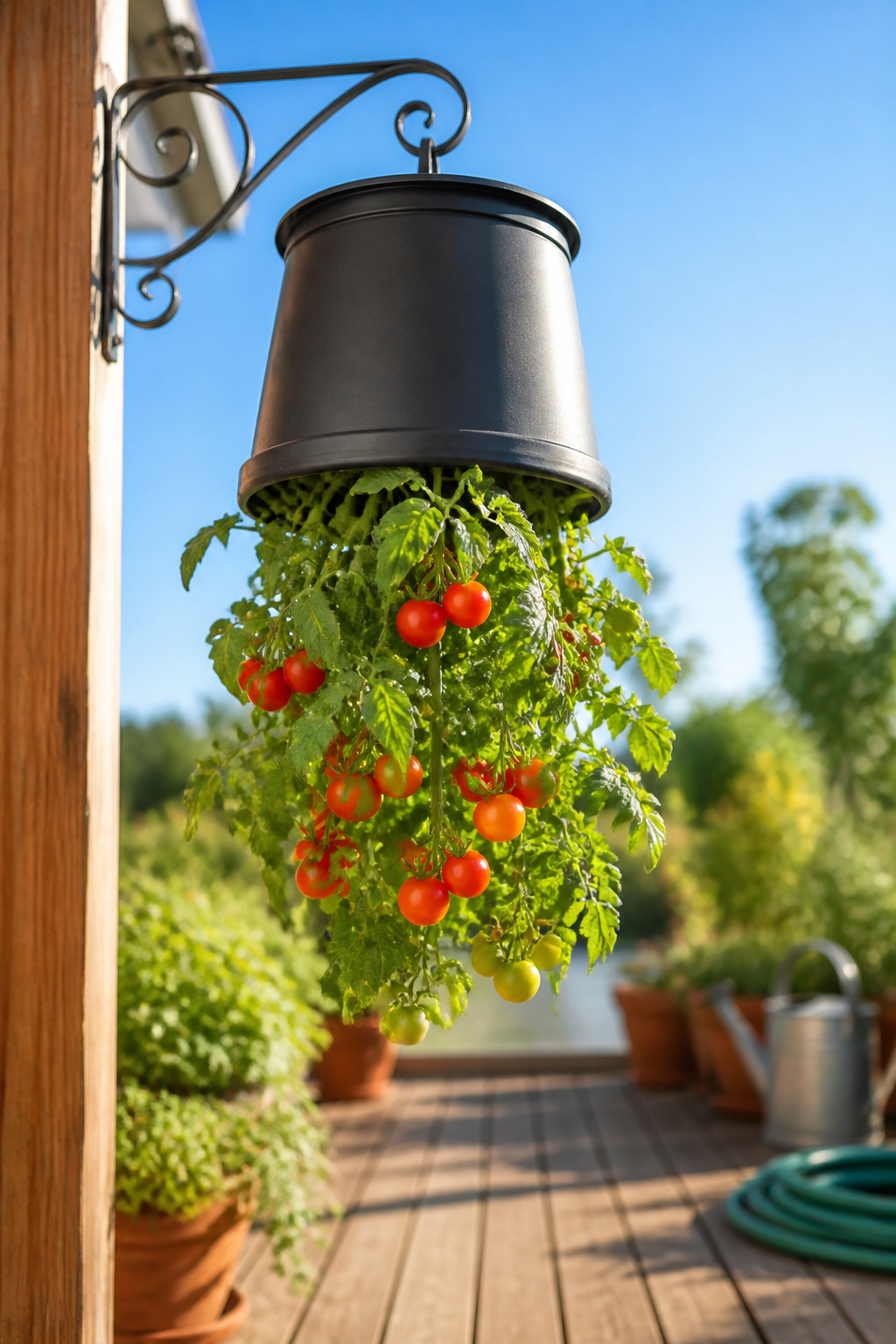
Upside-down planters hang from a hook or bracket, which means the footprint on a deck or balcony is essentially zero. The plant grows downward, so staking never enters the picture, and the fruit sits above the soil line where fewer soil-borne pests can reach it. Birds have trouble perching to peck, too.
The catch is yield. Many gardeners harvest less from upside-down plants than from ground or raised-bed plantings. Watering is the reason that matters most. Gravity pulls moisture straight through the root ball, and any excess drips onto leaves and fruit below. Wet foliage invites disease, so timing and volume need to be tighter than with in-ground beds.
Water slowly and deeply, aiming for about two inches per square foot per week, same as a standard tomato planting, but split into smaller, more frequent applications so the soil stays evenly moist without runoff. Morning is best; the plant has time to take it up before heat sets in. Skip afternoon watering entirely. A layer of mulch on top of the exposed soil surface, added a few weeks after transplanting, slows evaporation and keeps the drips that do escape from splashing back up.

Pine Needles for Landscaping: Our product is an ideal mulch for landscaping, made from pure pine. It is designed to enrich your soil and provide a decorative top layer to enhance your landscape's aesthetic appeal.

Organic Mulch: pine needle mulch are mainly used for garden mulch and soil improvement; pine needles are suitable for acidic plants such as spring orchids,cymbidium orchids,dendrobium orchids,Clivia,roses, and succulents; pine needle are loose and breathable,and can nourish and protect roots;garden mulch can be used as a potting mix.Its improve the soil structure to be slightly
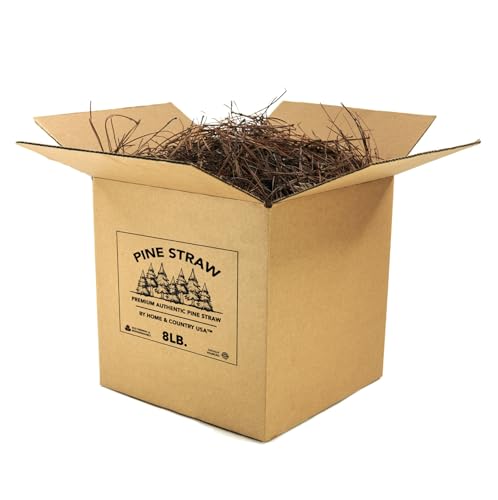
Pine Needles for Landscaping: Our product is an ideal mulch for landscaping, made from pure pine. It is designed to enrich your soil and provide a decorative top layer to enhance your landscape's aesthetic appeal.
6. DIY Trellises and Supports
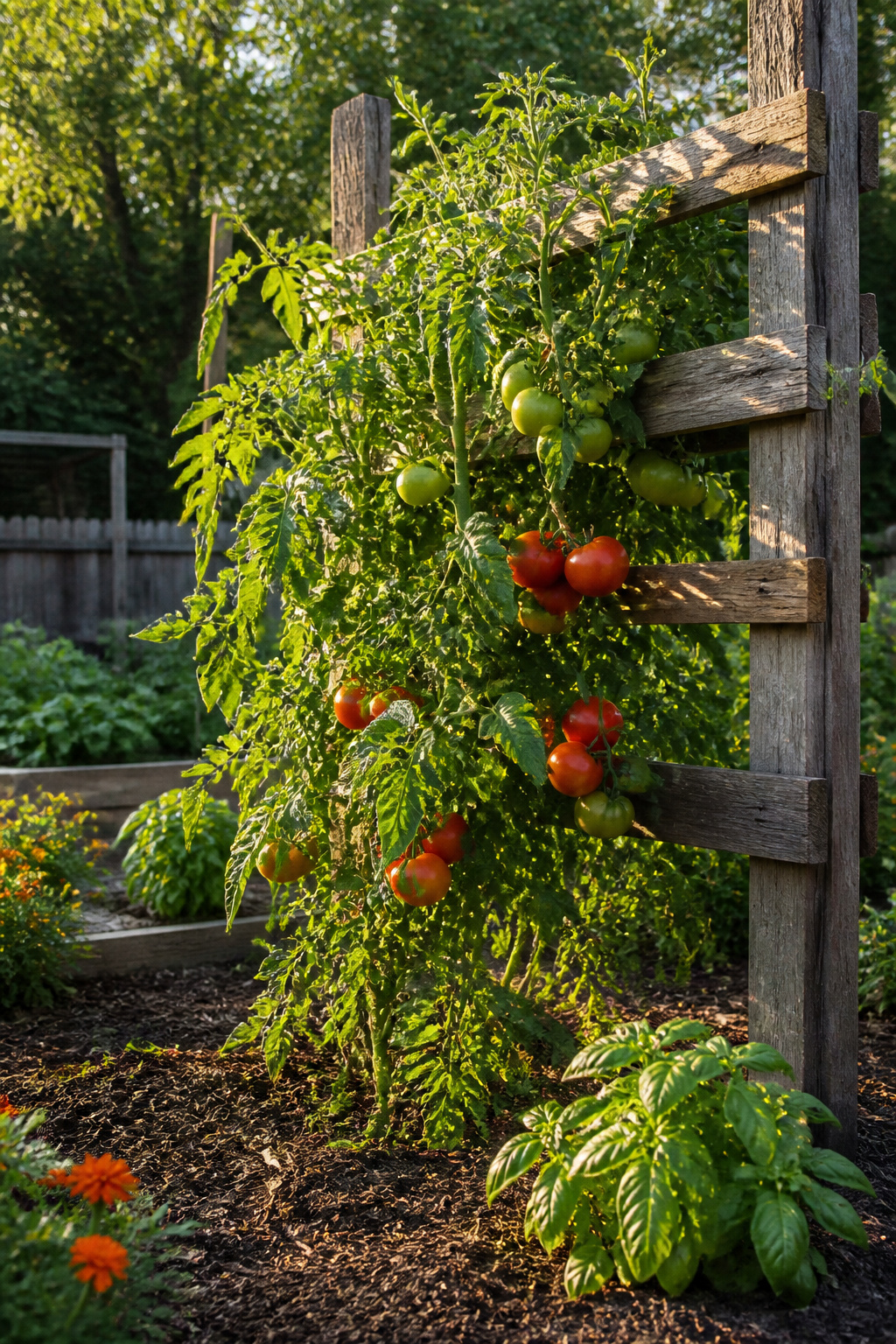
A tomato plant left to sprawl on the ground spends its energy fighting rot instead of ripening fruit. Stakes driven 18 inches into the soil, set 3 or 4 inches from the stem, lift the vine clear and keep the harvest within reach. For indeterminate varieties that keep climbing all season, that single stake needs backup. A panel trellis or A-frame built from wooden poles and wax-coated lashing cord lets you prune and pick from both sides, which matters when you are working a weekend timeline and every minute counts.
Pruning is where a lot of first-timers hesitate. The suckers between branch and main stem look like future tomatoes, but pinching them off is what lets sunlight and air move through the middle of the plant. In humid climates especially, good airflow is the difference between a harvest and a fungus loss. Clean shears matter here; dirty blades can carry disease straight into the cut. Trim the bottom 12 inches of leaves as the plant grows, and cut away anything touching the ground even if you have mulched. Soil splashed onto leaves is a near guarantee of trouble.
The trellis itself can come from what you already have. Old nylon stockings or soft rags work better than twine for tying stems, because they stretch and do not cut into the vine as it thickens. Wire cages built from salvaged fencing, wooden poles from a torn-down fence, even a discarded ladder leaned against the garden bed; the recycled approach costs little and keeps materials out of the waste stream. Reusable clips or self-adhesive botanical tape, around $11, hold growth in place without the constant retying. Check the structure a few times a week once heavy fruit sets, because a loaded branch snapping off is a quiet disaster you only notice when it is too late.

Ready-to-Use Formula: No mixing or extra steps required. Simply pour and plant - perfect for gardeners of all experience levels.

Feed your raised bed for up to 3 months

SIZE: The plant bed measure is 46"L x 23.6"W x 11.8"H. This planter box provide ample growing space to raise vegetables, flowers and plants.
7. Companion Planting
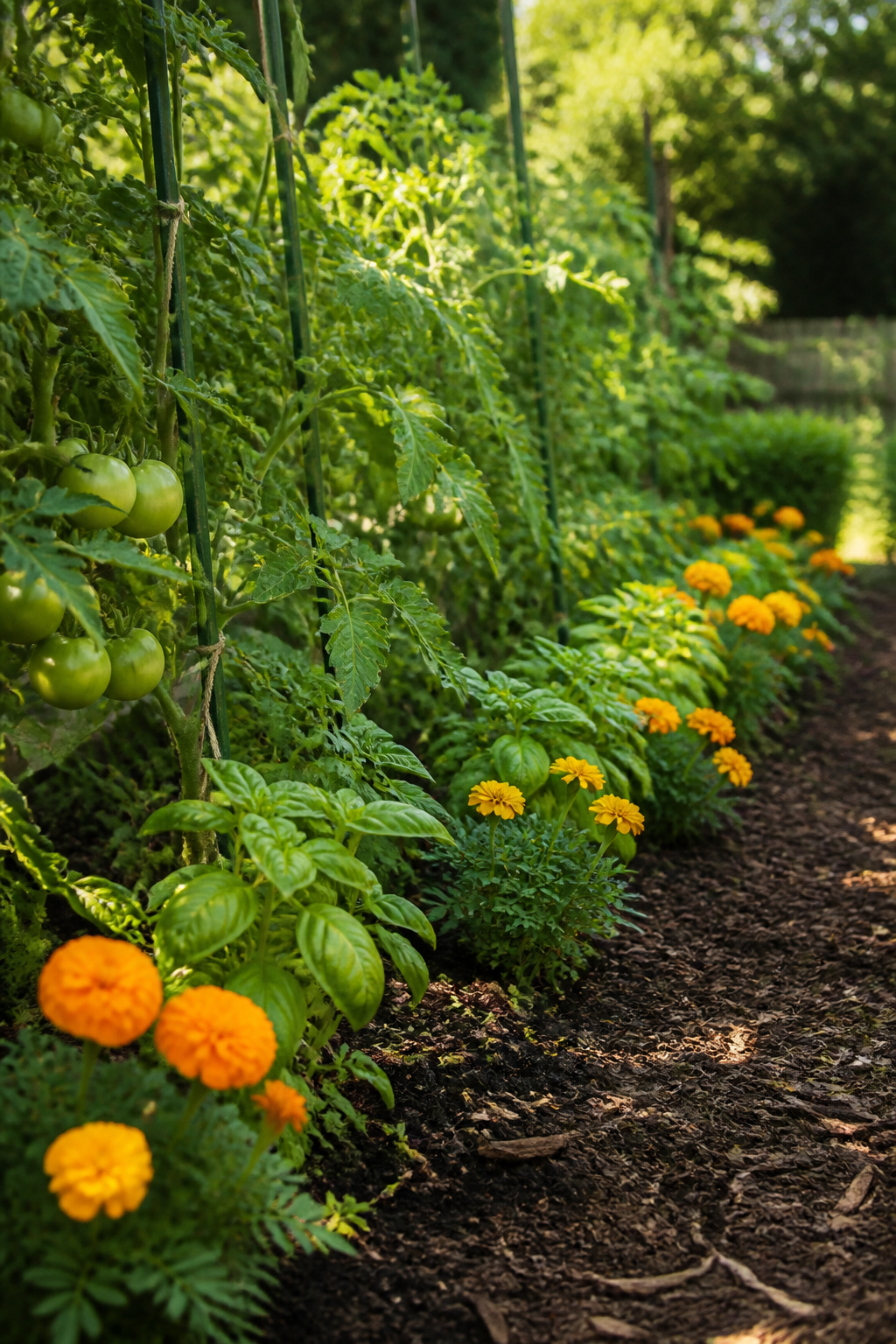
Basil tucked against tomato stems is a pairing that sounds almost too neat to be true, and the flavor boost is mostly garden folklore. What basil actually delivers is pollinator traffic and possibly some pressure on thrips and tomato hornworms, though the science on pest deterrence is mixed. The plants share the same light appetite, which matters more than companionship: six to eight hours of direct sun daily is the non-negotiable for tomatoes, and basil will not change that math. Marigolds and garlic fill out the same bed with clearer defensive jobs. Marigolds target caterpillars, while any allium, garlic included, repels aphids. The garlic goes in early, the marigolds edge the bed, and the basil slips between stems where it also shades soil and roots. None of this replaces scouting for pests, but it does layer the bed so one plant’s weakness is another’s signal.


DURABLE AND STURDY: Made of 300G thickened nonwoven fabric, Jorvila grow bags are wear-resistant, washable, easy to clean and reusable; At the end of use, you can simply clean it and fold it up for storage after drying

Sturdy Fabric Material: Our Non-Woven fabric grow bags are crafted using high-strength weaving technology, which allows the planting bags to remain lightweight while possessing an impressive ability to bear weight.
8. Crop Rotation
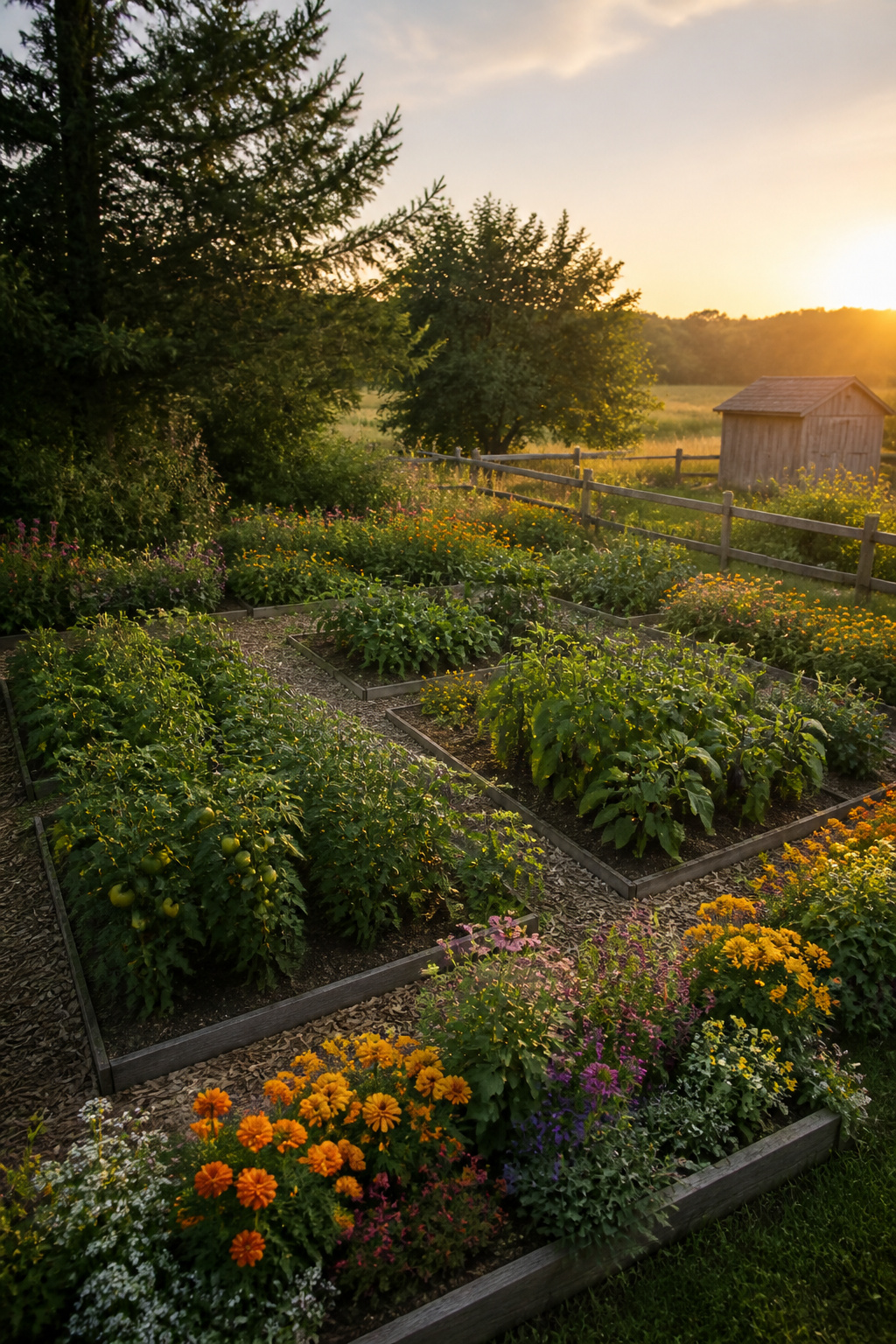
Tomatoes are heavy feeders that leave trouble behind in the soil if you plant them in the same spot year after year. The roots can pick up nematodes, microscopic worms that sap nutrients and leave the plant yellow and stunted. You will not see the damage until you pull the plant in fall, so check then: knobs on the roots mean the spot needs a year or two off.
A two-bed rotation handles the basics. I grow tomatoes, peppers, and eggplants in Bed 1 one summer, then move that whole group to Bed 2 the next. The extension folks push that to three or four years between tomato-family crops if you have the room, which breaks the cycle of verticillium and fusarium wilt more thoroughly. Look for VFN on plant labels when you buy; that resistance buys you margin for error, but it does not replace moving the crop.
Raised beds help because you control the soil that goes in, yet even there I rotate. The only tomatoes I put straight in the ground are the ones in a spot that did not host the family last season.


Professional 63-Inch Height for Climbers: Supports tall, indeterminate tomatoes and vining vegetables that exceed 6 feet. Provides 15 more inches of growing space than standard 48-inch cages.

Package Included: 300Pcs plant support garden clips. Color: Translucent. Size: 1.2” (30mm) inner diameter.
9. Seed Starting Indoors
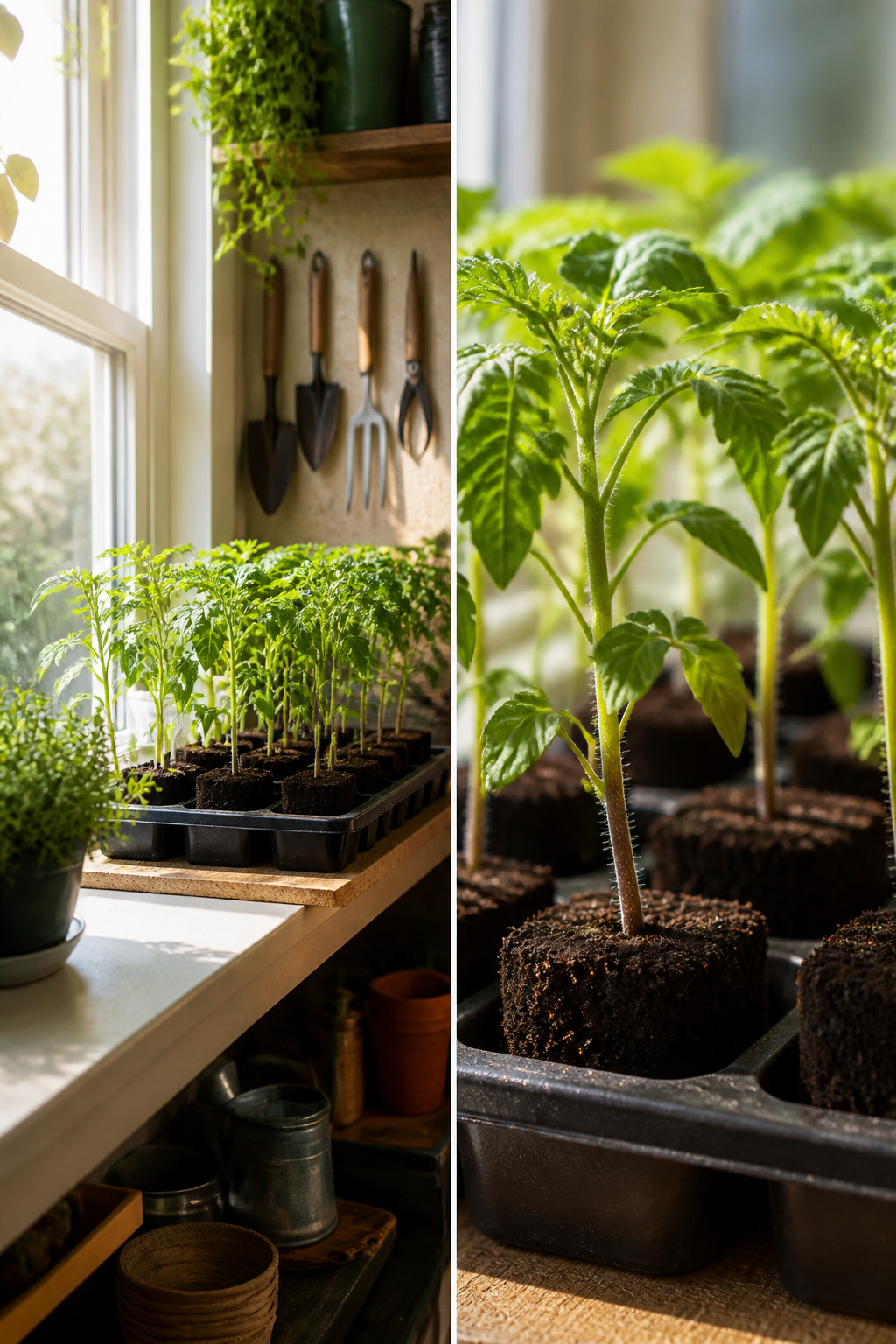
Starting tomatoes from seed indoors buys six to eight weeks of growing season before the last frost has passed. Plant each seed half an inch deep in small trays or compressed soil blocks, which give roots better airflow and cut down on transplant shock later. The almanac marks mid-February as the earliest window for most growers, though a greenhouse lets you push even earlier.
Seedlings need warmth to germinate, ideally soil around 70°F, and will come up in about five days under that temperature. What they do not need yet is the full sun they will eventually demand. Once transplanted, tomatoes require all-day exposure to fruit well, so the indoor start only works if you have a south-facing bed or balcony waiting for them. Stocky plants six to ten inches tall with five to seven leaves transplant best; if yours have shot up leggy, bury them deeper at planting, since tomatoes root from their stems.
If you’re starting seed within the spring seed-starting window you can begin as early as mid-February.
That February start date is the anchor. Count back from your area’s last expected frost, sow accordingly, and do not let the seedlings sit in their trays so long that they flower before they move outside.

Organic Seaweed & Kelp Fertilizer – Seaweed fertilizer for plants made from clean kelp seaweed fertilizer sources for natural plant nutrition.

Derived for Maximum Growth: Neptune’s Harvest Natural Tomato & Vegetable Organic Fertilizer is a liquid plant food formulated for the critical "vegging" stage of tomatoes, vegetables, and houseplants; this liquid fertilizer enhances plant health, promotes vigorous foliage, and develops strong stems and roots; this fertilizer increases yield, supports healthy deep roots, and helps with big vegetation, healthier crops, especially for tomatoes and vegetables and is safe for kids and pets

ORGANIC PLANT FOOD: This liquid fertilizer for tomatoes & vegetables provides nutrients to ensure superior results and is safe to use around kids and pets
10. Organic Fertilizers
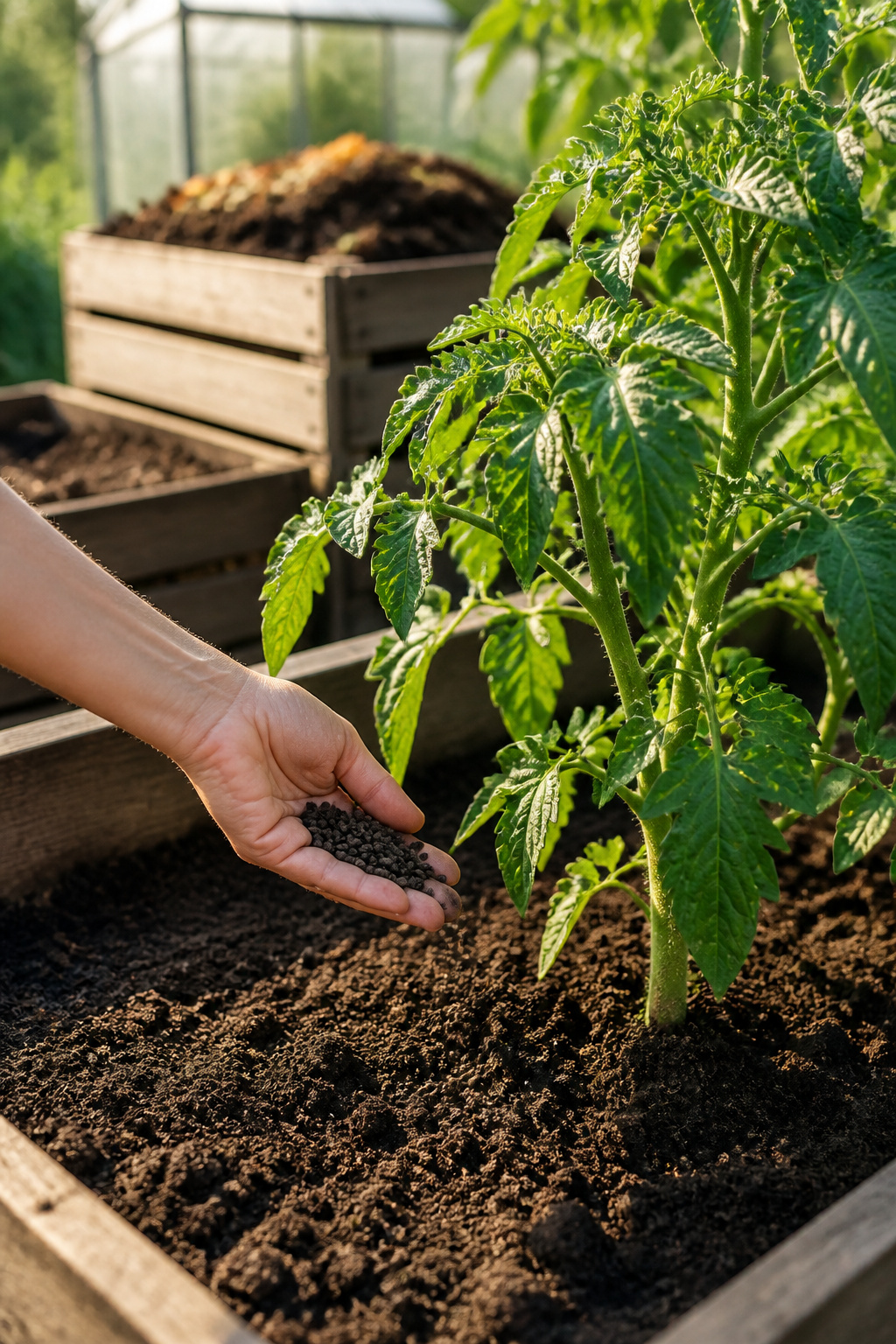
Compost worked into the top 6 to 9 inches of soil is the baseline for tomatoes, but the plants still draw heavily once fruit sets. Bone meal in the planting hole gives them the phosphorus they need for root establishment without pushing leafy growth. After that, liquid seaweed or fish emulsion every two weeks starting when fruits hit about an inch across keeps production steady without the burn of fast-release formulas. Avoid high-nitrogen fertilizers; lush foliage looks impressive but costs you the harvest you actually planted for.
If you prefer granular, Espoma Tomato-Tone at 2 to 3 tablespoons scratched around the drip line every three to four weeks does the same work. Pull back mulch first, work it in, water, then replace the cover. The 4-7-10 or 3-4-6 analysis feeds flowers and fruit instead of stems. Continue until frost.
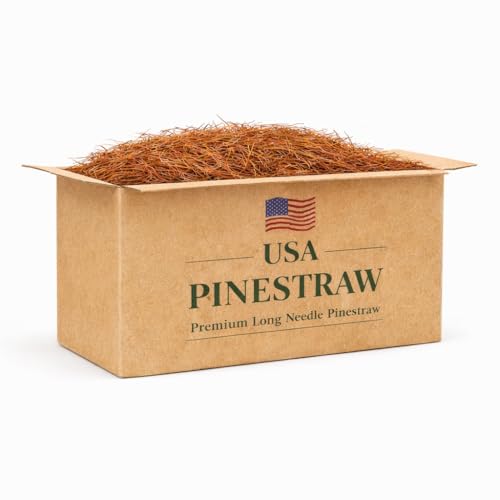
100% Organic Material: Our pine straw mulch is sourced from sustainable pine forests, providing an eco-friendly and natural garden solution.

COVERS UP TO 240 SQ FT – Ideal size for flower beds, shrubs, walkways, and small landscaping projects. Provides consistent, attractive ground coverage.

🌿 Natural Pine Bark Mulch: Made from 100% pine bark, these premium nuggets are perfect for gardens, landscaping, and potted plants. Add a natural, decorative finish that enhances any green space.
Planting Depth and Spacing
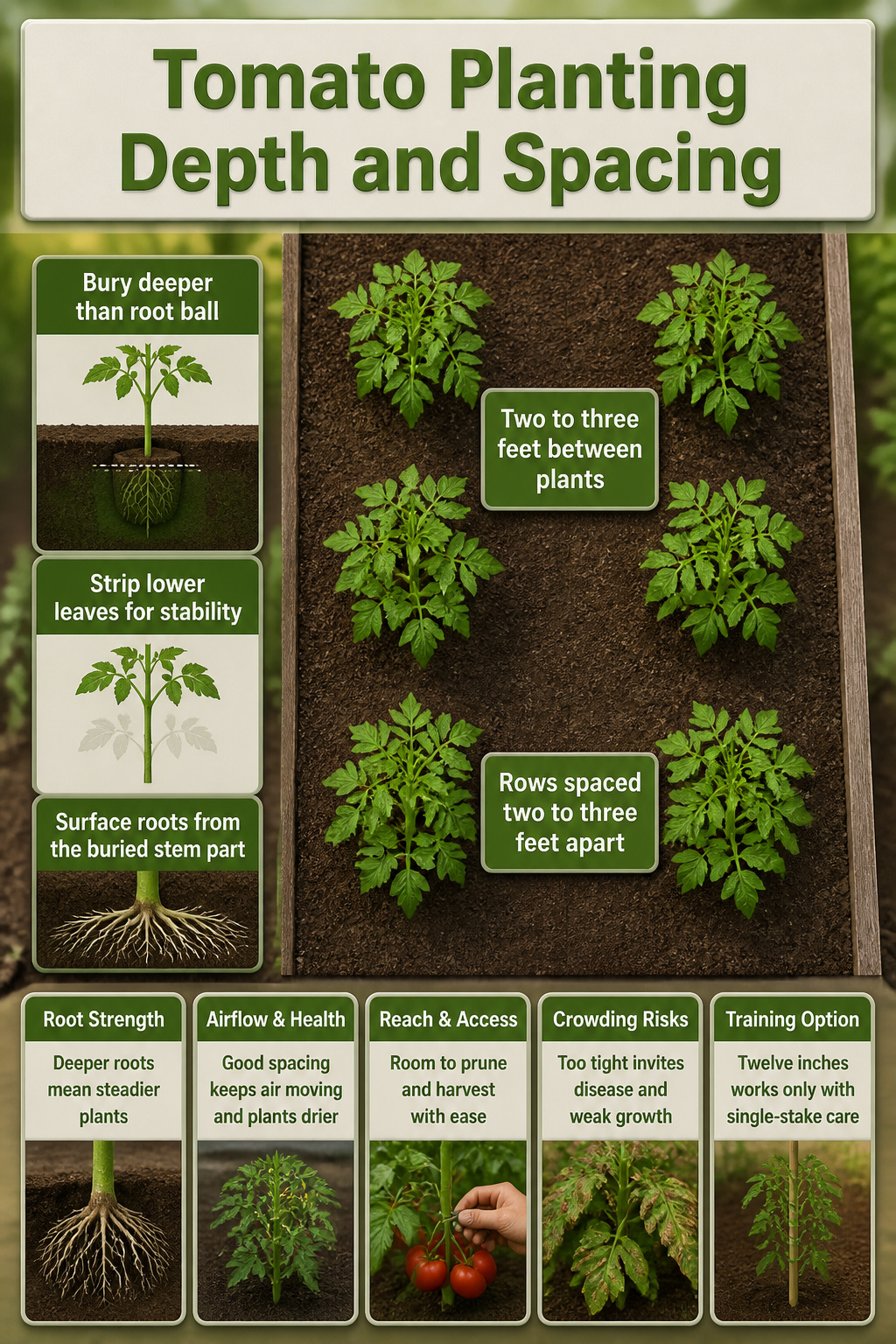
Tomatoes root from any part of the stem that touches soil, so burying them deeper than the root ball pays off fast. Those fine hairs along the stem turn into surface roots, which keeps the plant steadier in wind and pulls water from a wider area. I usually strip the lower leaves off a leggy transplant and set it so only the top few inches sit above ground. Two to three feet between plants is the spacing that keeps air moving and still lets you reach in to prune or harvest. Crowding them tighter, down to twelve inches, only works if you are keeping indeterminate varieties trained to a single stake and cutting back hard; anything else fights for light and stays damp enough to invite disease. Rows spaced two to three feet apart give you room to work without compacting the root zone.
Watering Without the Rot
Blossom-end rot taught me the difference between a watering schedule and a watering habit. The spot starts as a pale patch on the blossom end of the fruit, then turns dark and leathery, and by then the tomato is already lost. What convinced me, reading through the extension guides, is that the problem is not exactly a calcium shortage in the soil. It is a calcium shortage in the fruit, which happens when water moves irregularly through the plant.
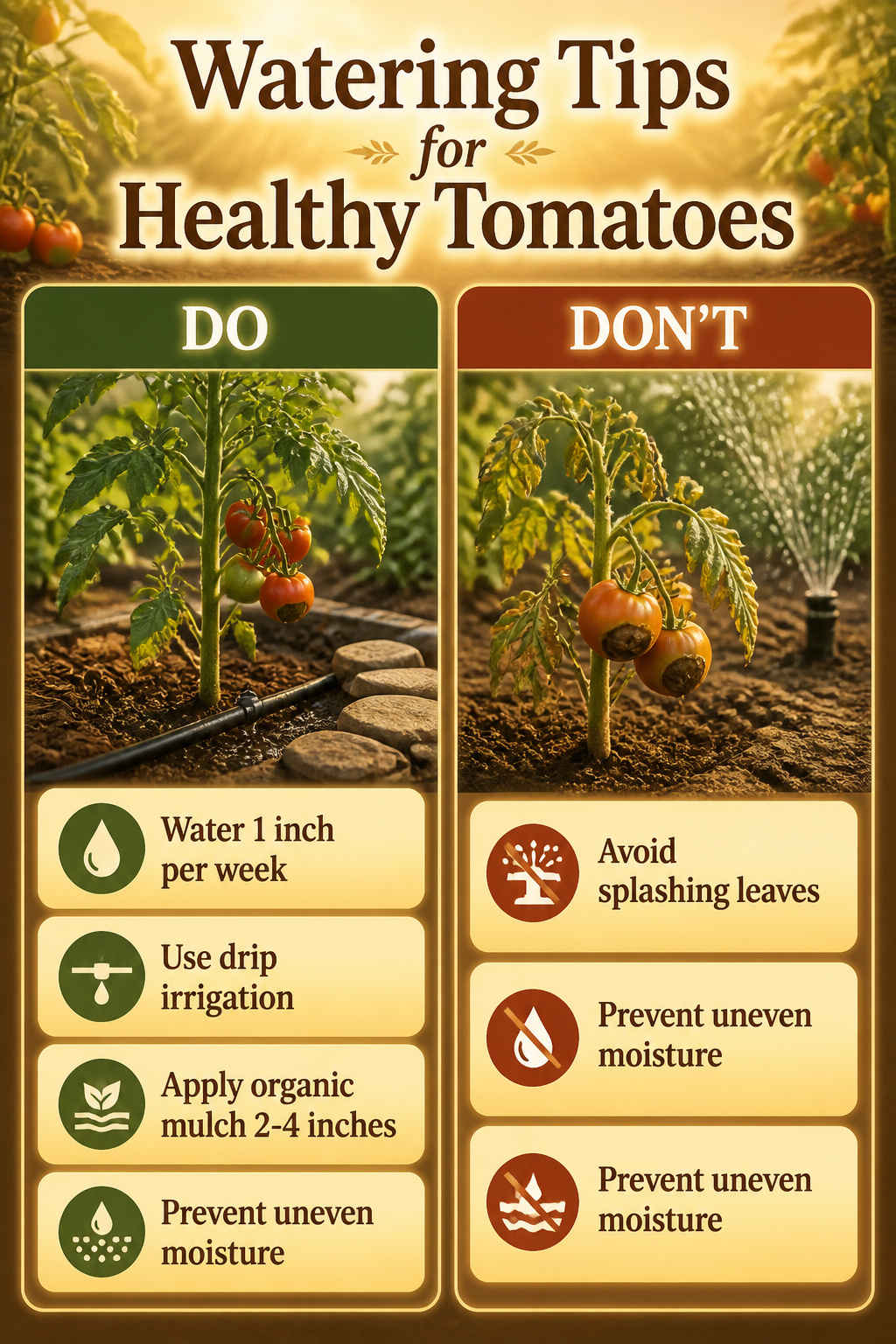
About one inch per week, applied deeply and on a regular schedule, keeps that calcium moving steadily into the developing tomatoes. Drip irrigation does this better than a sprinkler because it puts water at the soil line without splashing the leaves, and a layer of organic mulch, two to four inches, buys you margin on hot days. The sources disagree slightly on the total, with some saying one to two inches and others landing closer to two. I split the difference and watch the plants. If the soil stays evenly moist, not swinging from dust to mud, the fruit sets clean.
Flat rocks placed next to each plant slow evaporation from the soil surface, a trick I had not seen before. Calcium foliar sprays exist, but they are a stop-gap. The real fix is cultural: lime if your soil needs it, mulch, and water that does not make the plant guess when the next drink is coming.
Soil and Mulch
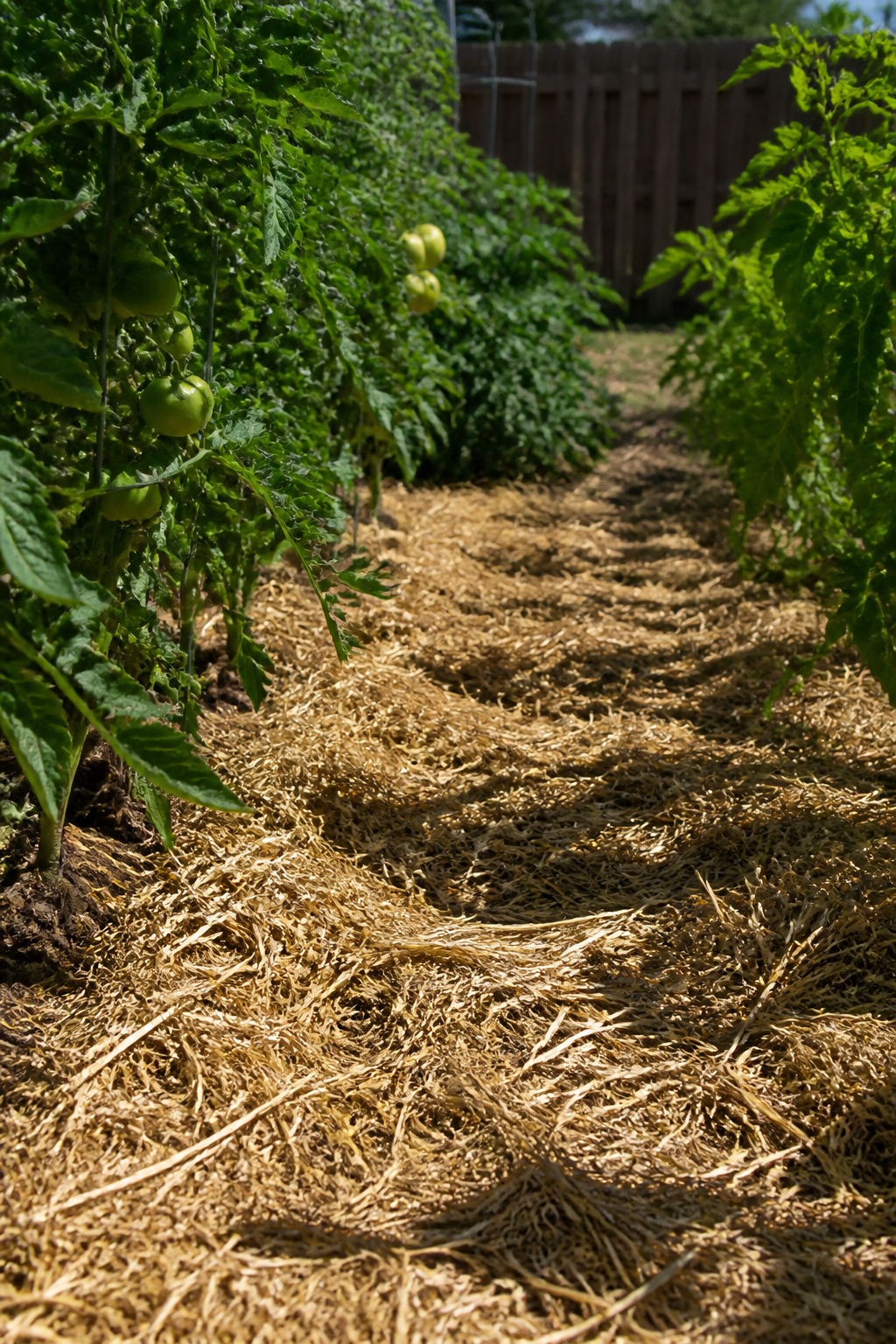
Tomatoes will grow in almost anything, but they grow badly in heavy clay that stays wet. Good drainage matters more than perfect soil. I add compost until the bed feels loose and smells alive, whether I am planting in the ground, filling a raised kit, or refreshing last year’s potting mix in a container.
Mulch is where the season turns. Two to four inches of straw, wood chips, or pine needles keeps the soil from drying out between waterings and stops weeds before they start. It also blocks the splash that carries blight spores from ground to leaf. I pull it back an inch from the stems so the base stays dry. Water at soil level, not overhead, and let the mulch do the rest.
Pruning for Air and Health
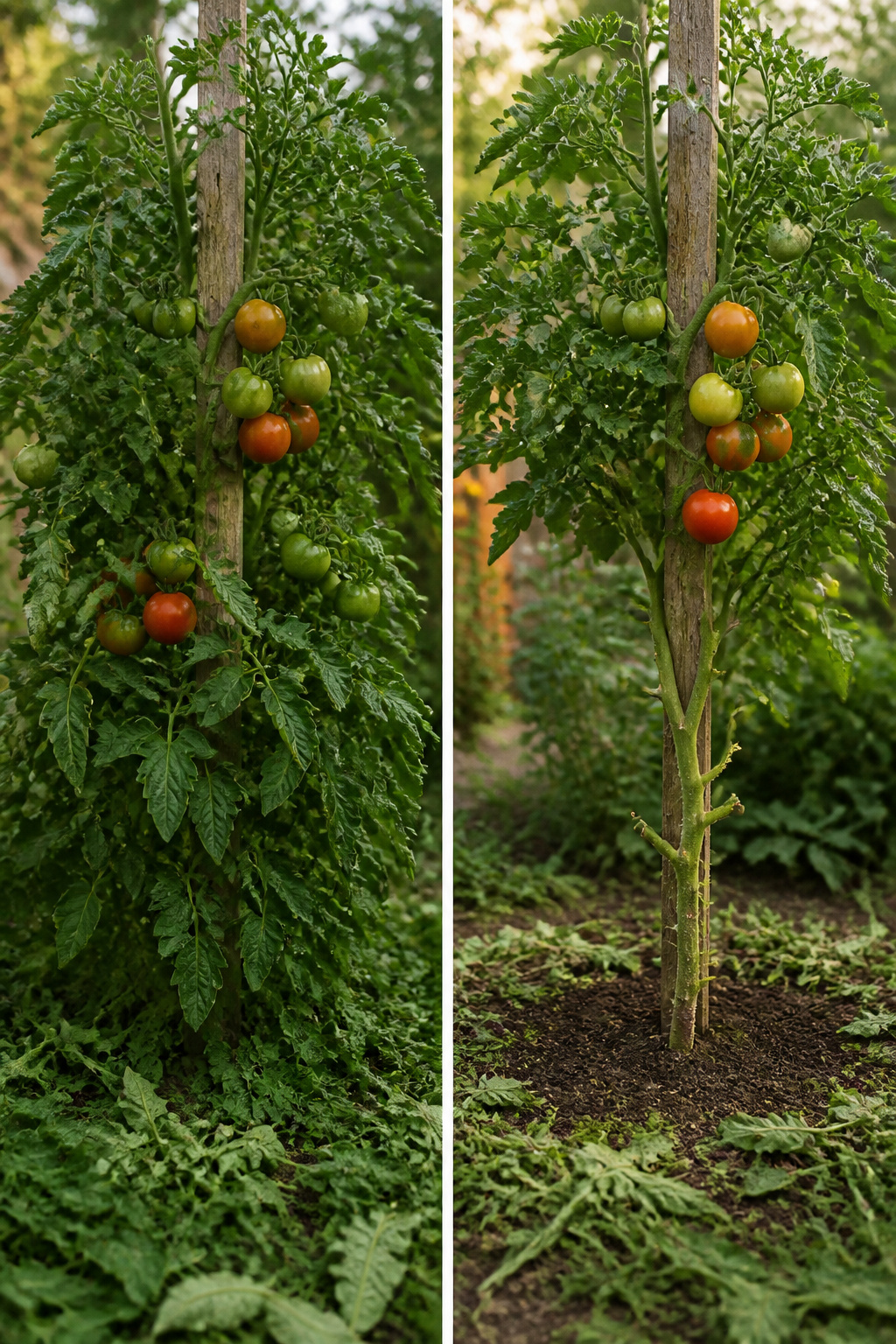
Pruning is where tomato gardening shifts from hoping to engineering. In humid parts of the country, the difference between a plant that makes it to September and one that collapses in July is often how much foliage you let sit in still air.
I start from the bottom and work up. The first leaves to go are any touching the ground, even over mulch. Soil splashes up during rain or watering, and once soil-borne spores land on foliage, disease is practically guaranteed. Clean tools matter here too; a pair of snips wiped down between plants keeps you from carrying trouble from one stem to the next.
As the plant grows, I keep the bottom 12 inches of stem stripped of leaves. This opens airflow at the base where humidity lingers longest. For vining indeterminate varieties, pinching suckers, the tiny stems that sprout between branches and the main stem, does the same higher up. The plant puts less energy into dense middle growth, and sunlight and moving air reach fruit that would otherwise stay shaded and damp.
This pairs with whatever support you are using, whether stakes driven 18 inches deep or a trellis you built yourself. A pruned vine tied to a stake stays manageable; a pruned vine on a trellis lets you harvest from both sides without fighting through a wall of leaves. The work is ongoing, not one-and-done, and the payoff is a plant that dries fast after rain and breathes through the humid nights.
Pest Problems I Have Met
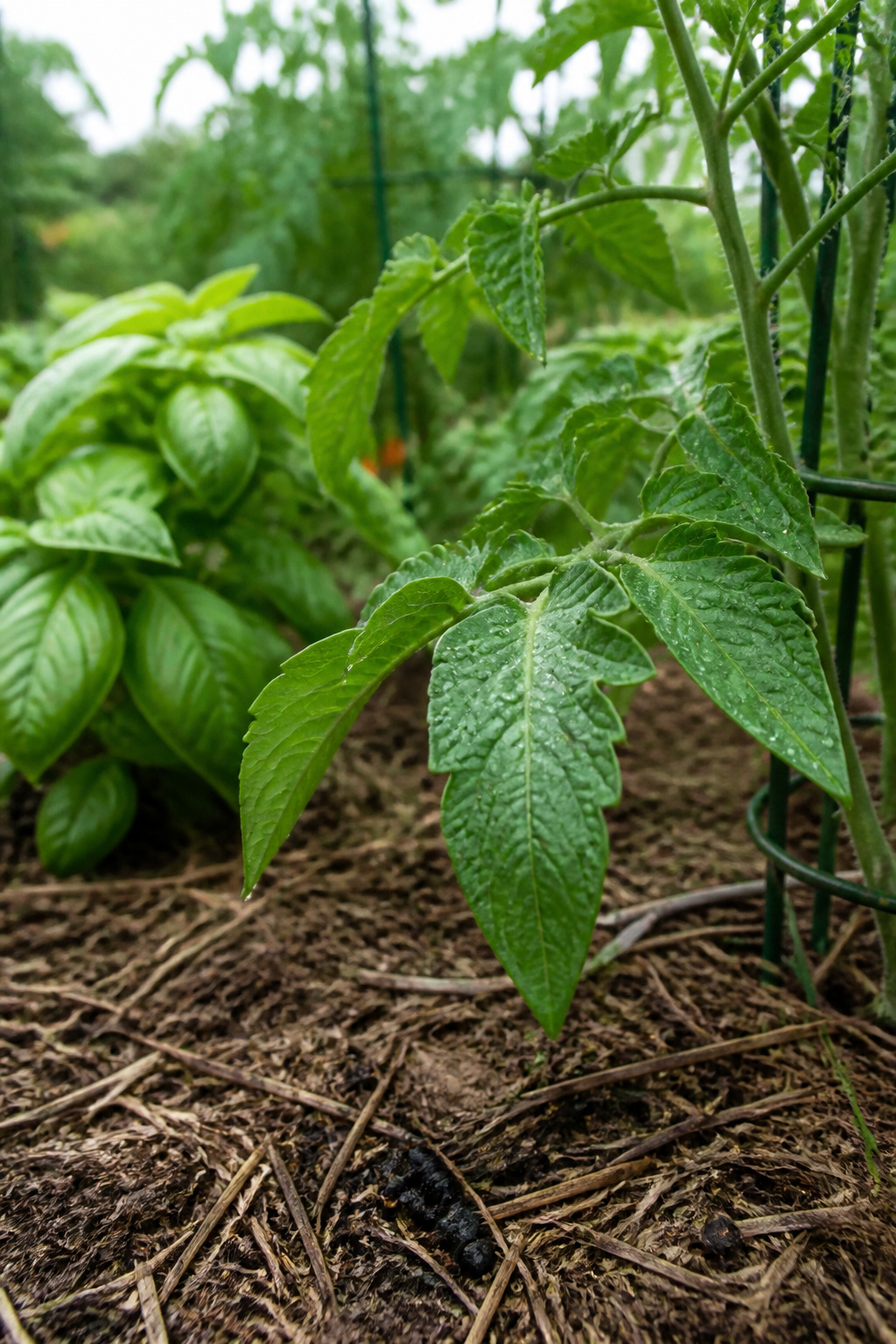
Aphids always find my tomatoes before I find them, clustering on the undersides of new leaves like tiny green rice grains. A sharp spray of water every few mornings knocks them off before they can colonize, and that usually buys me enough time for the ladybugs to arrive on their own schedule. When the hornworms show up in July, they are easier to spot: stripped stems, black droppings on the mulch, and a caterpillar the size of my thumb hiding against the main branch. Hand-picking works if you check plants at dusk, when they feed in the open. I have tried companion planting marigolds and basil at the row edges, and while the basil thrived, the marigolds drew in spider mites that spread to the tomatoes one dry summer. Neem oil handled the mites, but it also left a residue that flavored the first few fruits. Now I keep basil close for the pollinators, marigolds farther out where they can draw pests away from the crop, and neem reserved for outbreaks that water and patience cannot solve.
Frequently Asked Questions
How deep should I plant tomatoes?
Bury part of the stem so only the top few inches sit above ground. Those fine hairs along the stalk will form surface roots, building a bigger root system that keeps the plant steadier in wind and pulls water from a wider area. Strip lower leaves off a leggy transplant before setting it deep.
How often should I water my tomato plants?
Aim for about one inch of water per week, applied deeply and on a regular schedule. Container tomatoes need roughly the same, but pots dry out faster so the schedule cannot wobble without triggering blossom-end rot. Water at the base slowly until you see drainage, and use a rain gauge to know whether yesterday’s storm actually delivered.
What are the best tomato varieties for beginners?
Cherry tomatoes are the easiest choice for most setups, especially hanging baskets where their smaller fruit load keeps the vine manageable. Determinate or dwarf cherry varieties like ‘Tumbling Tom’ or ‘Sweet Million’ give you a contained plant with a concentrated harvest window that lines up well with single-season plantings.
What should I plant with tomatoes?
Basil draws pollinators and may pressure thrips and hornworms, while marigolds target caterpillars and garlic repels aphids. None of this replaces scouting for pests, but it layers the bed so one plant’s weakness is another’s signal. Keep basil between stems where it also shades soil and roots, edge with marigolds, and plant garlic early.
How do I prevent blossom-end rot?
Keep moisture steady rather than letting it swing from dust to mud. The dark leathery scar is a calcium shortage in the fruit, not the soil, caused when irregular water shuts down uptake. About one inch per week on a regular schedule, two to four inches of organic mulch, and drip irrigation at the soil line all help calcium move steadily into developing fruit.