The eight ideas below range from weekend builds to plant-it-and-forget-it choices, and the one that fits your yard depends on whether you own the soil or just the space above it. Renters should know that raised beds move with you if your lease allows, but containers on casters remove that condition entirely. A single 4-foot by 4-foot cedar frame, built in one afternoon, turns clay or rock into soil you control.
1. Raised Beds
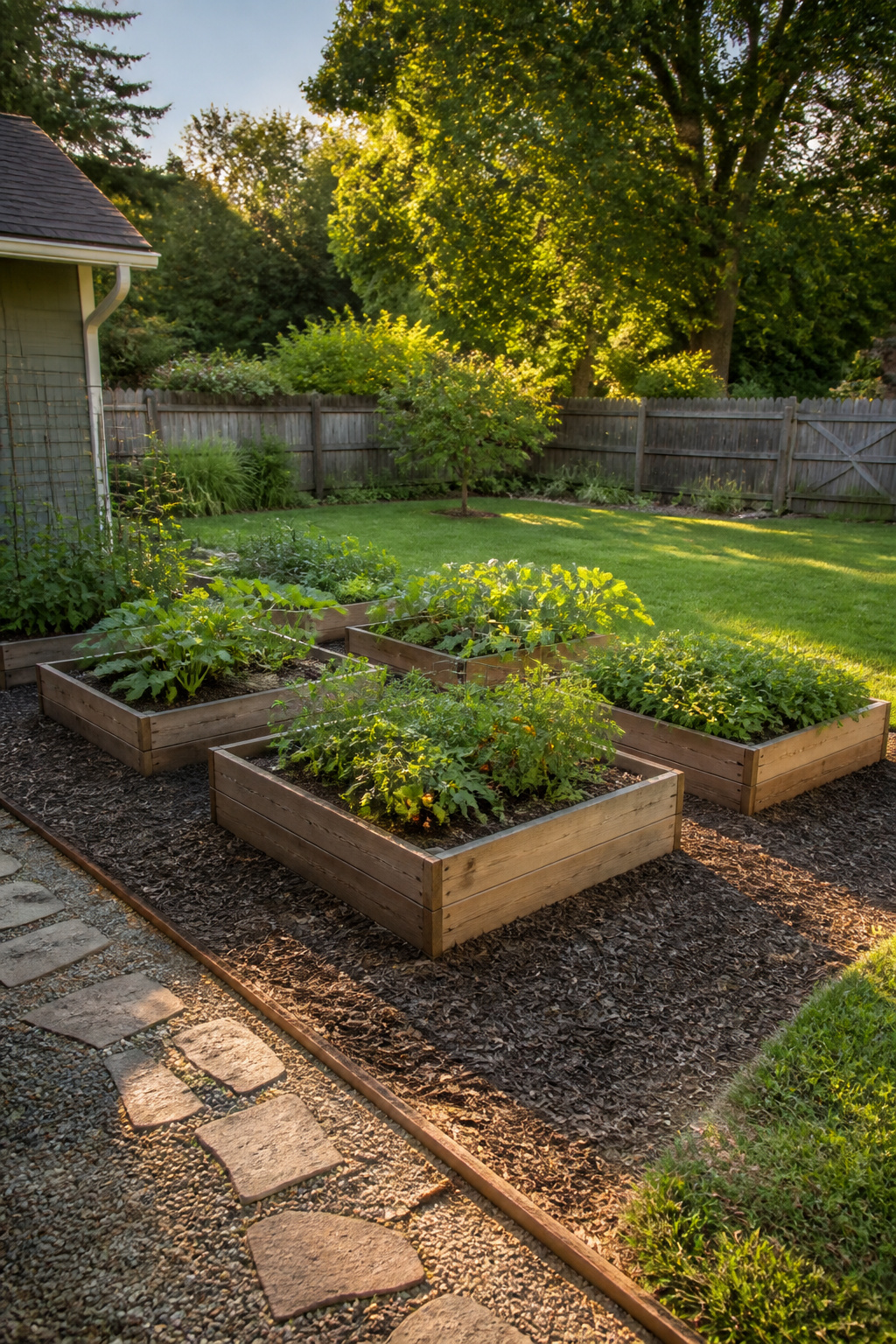
Raised beds solve three problems that stop most beginners before they finish a season. Soil control comes first: instead of fighting whatever clay or rock sits under your yard, you fill the frame with mix you choose. That alone turns spots where nothing grew into beds that produce. The 4-foot by 4-foot by one foot tall dimension matters more than the material. At that width you reach the center from any side without stepping in, so soil stays loose and roots spread evenly. The height saves your back on every weed pull and harvest; you are not folding yourself in half for an hour.
Cedar costs more than pine but lasts years without paint or preservative. One afternoon with a saw and drill gets a single bed built. A row of matching squares keeps herbs separate from vegetables, and the tidy edges make the whole yard look intentional even when the tomatoes are still green. The only real downside is buying soil to fill the frame, and for renters that can feel like money left behind. Still, the beds move if your lease allows, and the growing season you gain usually pays back the lumber cost in produce you did not buy.

🪵 Solid American Cedar: Crafted from untreated 100% solid American cedar boards, it is ideal for growing vegetables, herbs, and flowers.

100% Natural Western Red Cedar from North America: Our raised garden beds are made from 100% natural western red cedar from North America, a naturally weather-resistant and durable wood.

SPACIOUS PLANTING AREA:The 48"L × 24"W × 30"H raised garden bed provides ample space for vegetables, herbs, flowers, and fruits. Its spacious design supports healthy plant growth with a 300 lb weight capacity.
2. Container Gardening
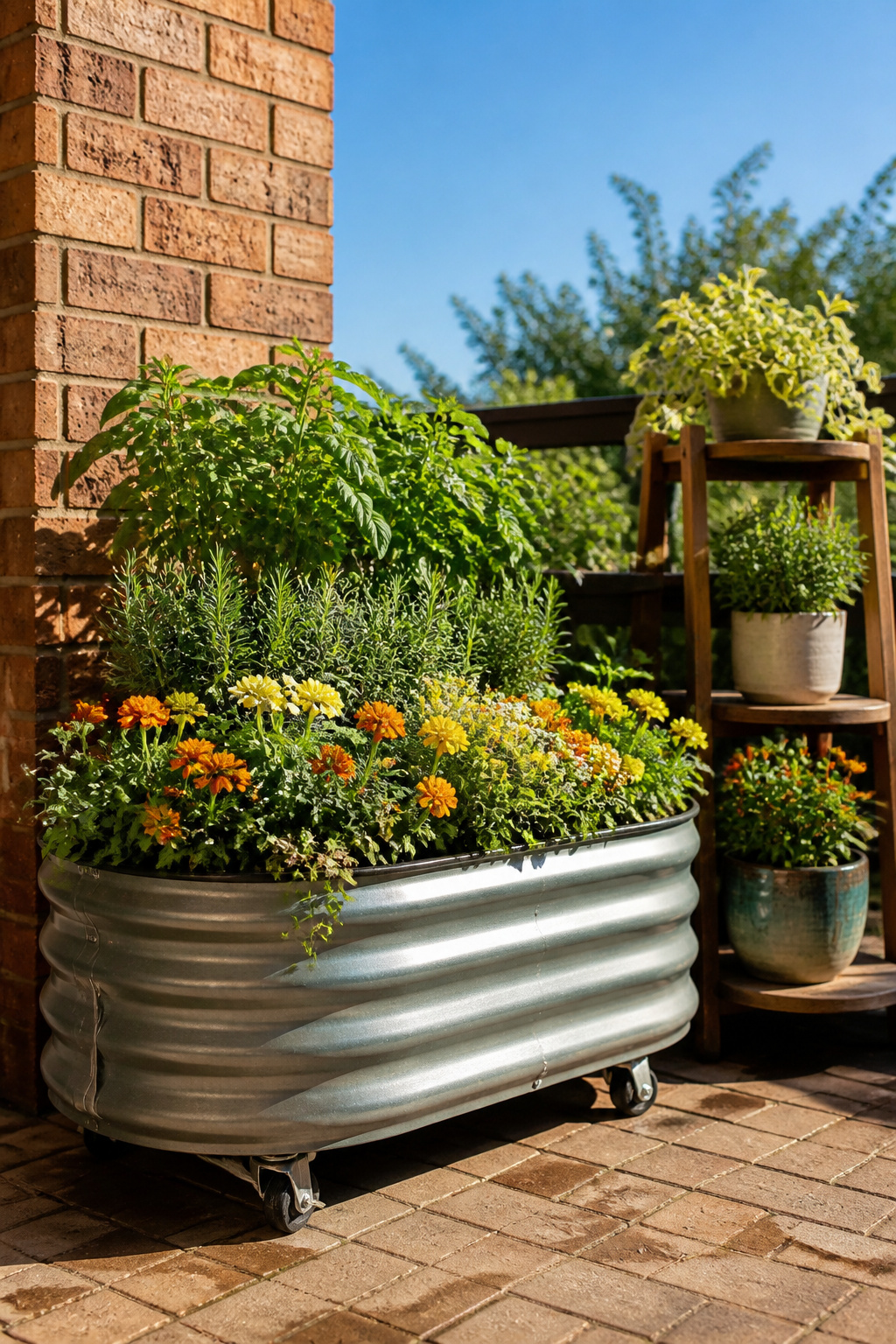
Pots and planters turn the three hardest limits in gardening into solvable problems. Bad soil, tight space, and a lease that forbids digging all stop mattering when the growing happens above ground level. A steel container raised bed on casters, the kind that holds roughly the same soil volume as a small in-ground plot, lets you roll the whole garden to chase morning sun or tuck it against the house when a storm rolls in. That mobility matters more than the material; cedar builds the same flexibility if you add a plant stand with different levels and stack narrow containers upward instead of outward. On a tiny patio, one large planter beats a clutter of small pots that dry out by noon and need daily rescue. The soil mass stays stable, roots spread, and you water half as often. Drainage holes are the only non-negotiable. A found galvanized tub, a drilled wooden crate, or a stock tank with holes punched through the base all work if water exits. I have overwintered rosemary in a pot I dragged under the eaves and lost basil in a matching pot left in the open, so the shelter you can wheel to matters as much as the sun you chase.
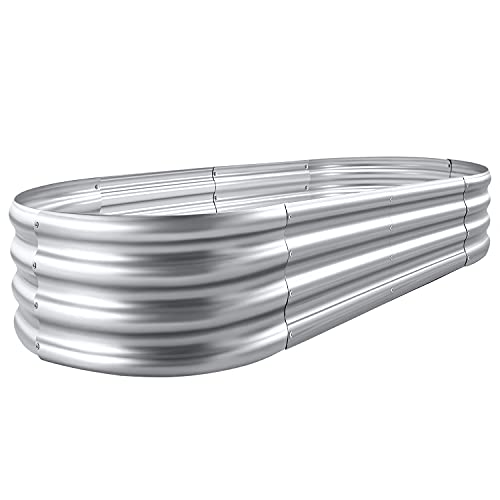
Each raised metal garden bed size: 4×2×1ft ,7.14Cu

SPACIOUS GROWING SPACE WITH EXTRA PLANTING DEPTH:Measuring 68.2" L × 35.5" W × 22.06" H, this galvanized raised garden bed holds approximately 231 gallons of soil, providing generous planting space and extra depth for vegetables, herbs, flowers and fruits. The spacious design allows roots to grow naturally while supporting tomatoes, peppers, cucumbers, broccoli, beans, lettuce, carrots, potatoes and other popular garden plants. Ideal for backyard gardening, raised vegetable gardens and outdoor planter box projects.

Raised Garden Bed - Add a new level of convenience to your gardening experience with the Galvanized Raised Garden Bed. Enjoy expanded yield and a more assembled garden layout with this garden accessory, each sized at 120 cm X 60 cm x 30 cm.
3. Herbs
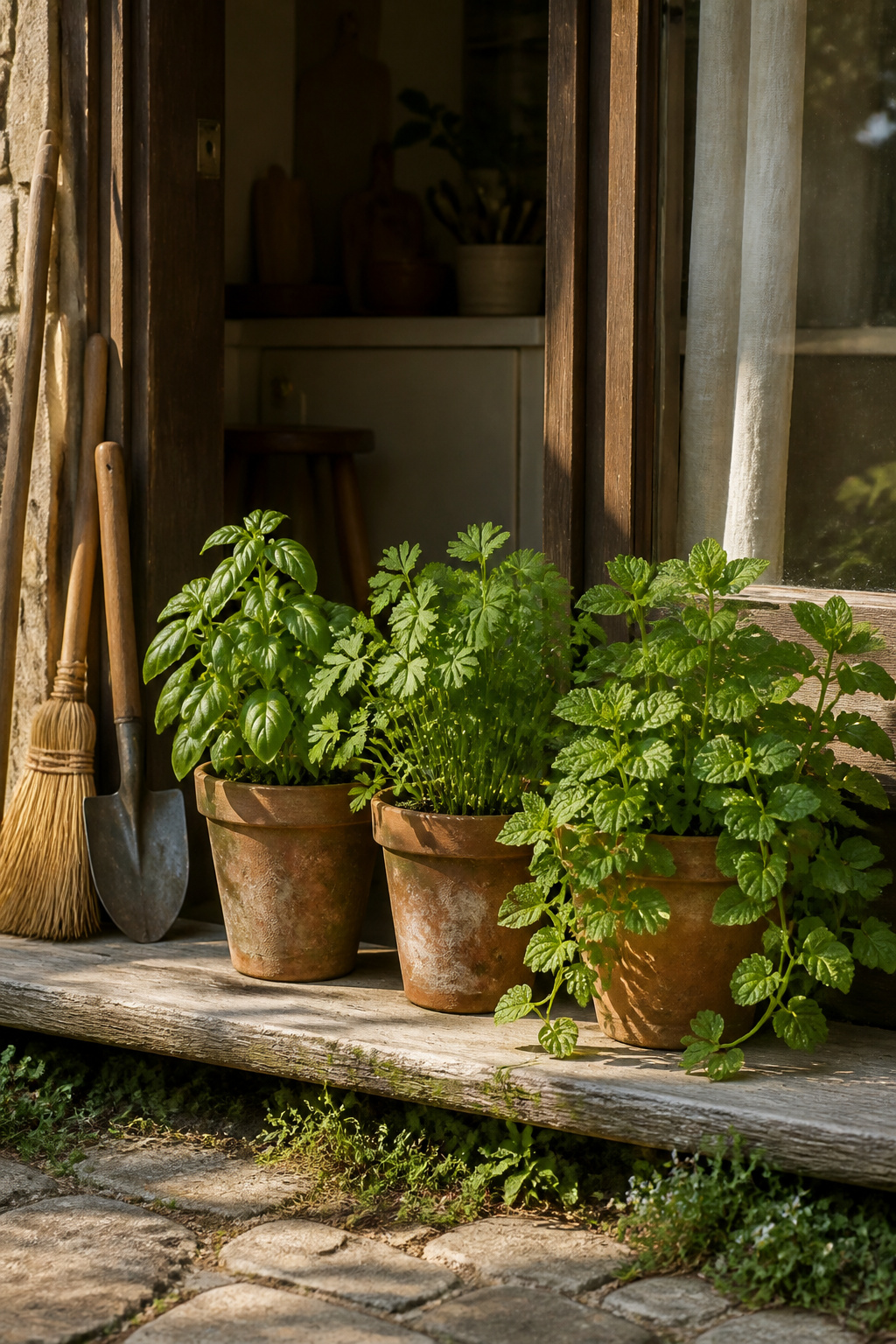
Basil, cilantro, and mint are the trio that carried me through my first year of growing anything edible. They sprout fast enough that you notice weekly change, and they do not sulk if you miss a watering by a day or two. The real payoff is proximity: a pot on the step outside the kitchen door means you grab a handful of cilantro for tacos or basil for a pan sauce without the $3 supermarket clamshell guilt.
Basil and cilantro will run their course and go to seed by fall, so you replace them or bring pots inside before the first frost. Mint is the outlier here. It comes back year after year, but it spreads aggressively through any bed you give it. Mint wants its own pot, and even then, check that roots are not escaping through the drainage hole into the soil below. Terra cotta works well for all three: it breathes, dries at a pace that suits herbs, and looks decent enough that you do not need to hide it.
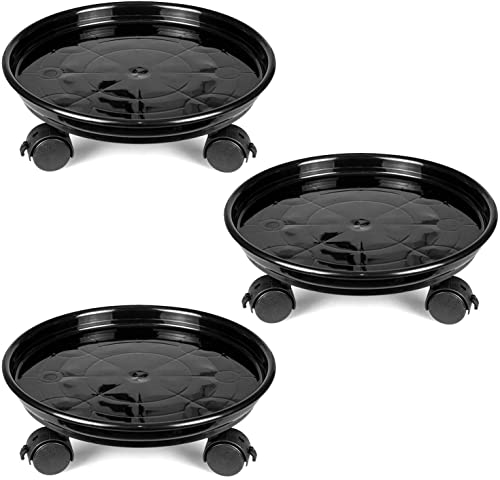
Made from strengthening resin, very navigable wheels with lock feature. allows you to freely move plants around to best suit the design of your home and lock them in to make sure they are not accidently moved.

Plant Caddy With Wheels: The square rolling base gives potted plants a movable platform instead of leaving larger planters fixed in one spot, helping you reposition a pot for cleaning, decorating, sunlight changes, or room layout adjustments; the 14.2 in size supports a wide planter base while the wheeled format reduces repeated lifting

【Screw Locking Design】CASIMR plant caddy is designed to lock the steel tube and panel with screw hole, which is more firmly than traditional pullable buckle, avoiding the risk that steel tube is suddenly pulled out and break the flowerpot in the process of moving.
4. Cool-Weather Crops
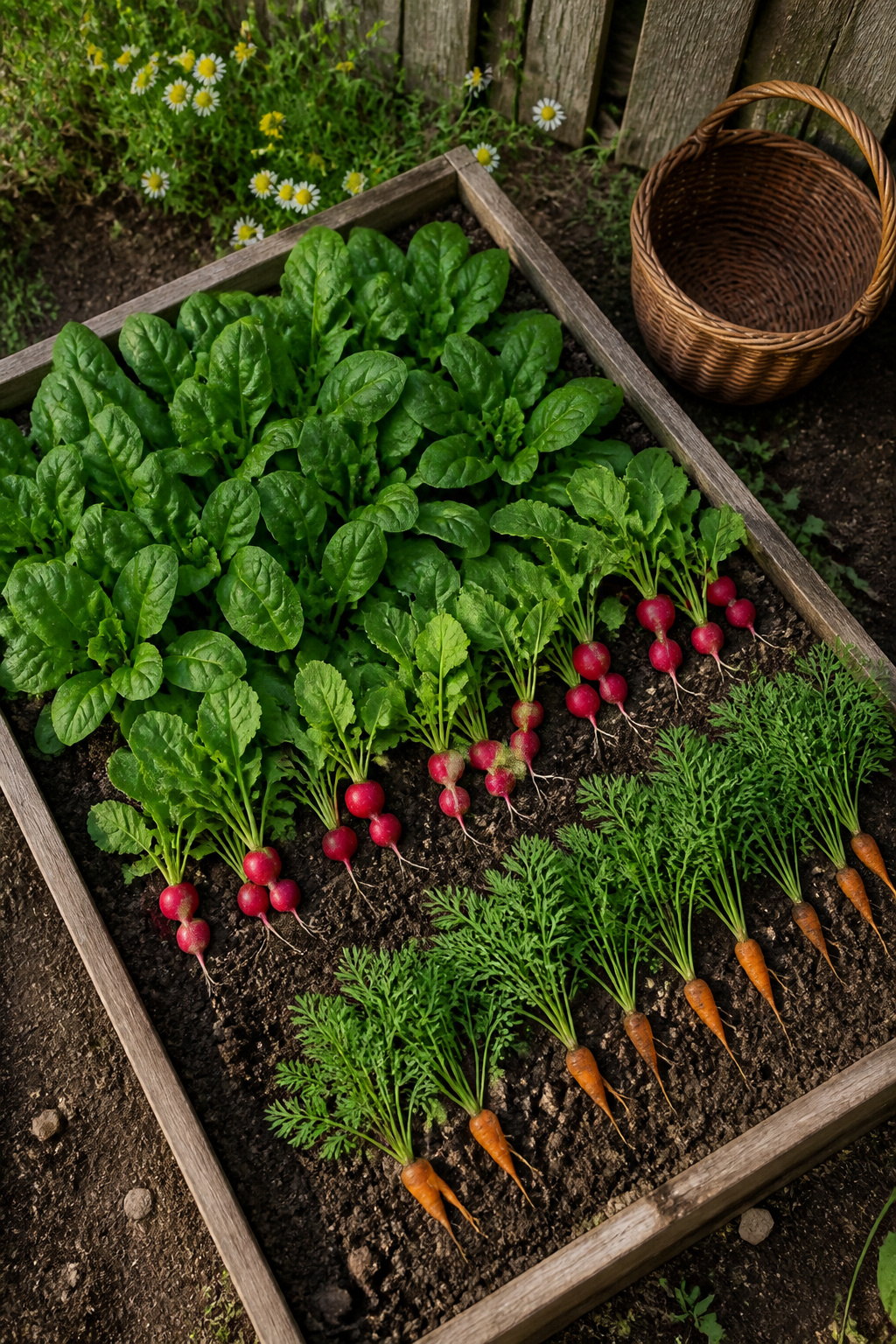
Loose soil makes the difference between a carrot you can pull and one that forks into a three-legged alien. I learned that the hard way the first spring I tried growing them in ground that had been packed by a winter of foot traffic. Carrots, radishes, and spinach are the seeds I put in first each year now, usually a few weeks before the last frost date when the ground can still catch you with a surprise freeze. They tolerate light frost without complaint, and the payoff is a harvest that lands before summer heat turns everything bitter and bolted. Radishes especially reward impatience; some varieties go from seed to salad bowl in about four weeks. Spinach follows close behind, and carrots stretch the season a little longer but still beat the tomato rush. The soil prep is the only part that takes real effort: I work the bed until a handful crumbles apart, no clumps larger than a pea, then rake it flat and sow the seeds shallow. Tiny seeds need light and moisture to wake up, not a deep burial. A gentle watering settles them in, and from there the cool spring air does most of the work.
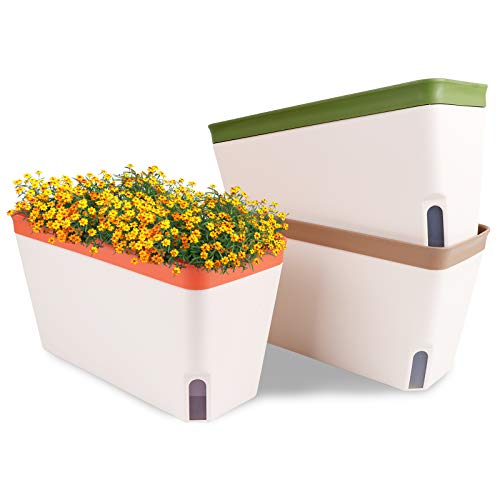
【Self Watering Design Keeps Plants Thriving】Enjoy effortless gardening with this smart self watering system that stores water and maintains proper moisture levels. The visible water indicator helps prevent overwatering or drying, making it ideal for busy plant lovers. Perfect for growing fresh herbs, flowers, and greenery indoors with less daily care
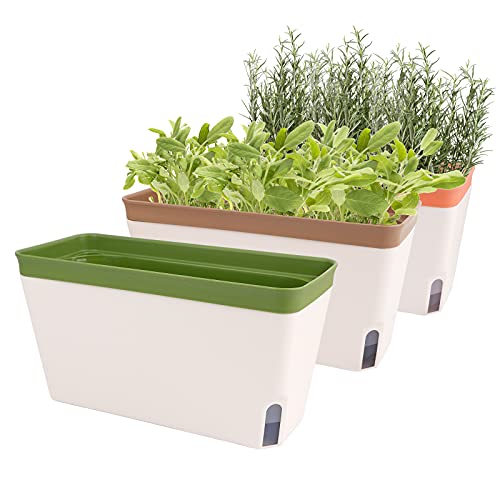
SELF-WATERING PRINCIPLE: Through two absorbent cotton ropes, the self watering pots provide water to the soil and keep the soil moist through the principle of osmosis, without having to water the plants regularly. Even if you leave home for a few days, it can help you take care of the plants and avoid plants die from water shortage.

Indoor Herb Garden Planter with Tray - Add greenery to your space with this vintage metal windowsill planter. Herb planters for indoor plants with a farmhouse touch. Place the indoor herb planter on your kitchen counter or display the small herb planter as an apartment window planter.
5. Warm-Weather Crops
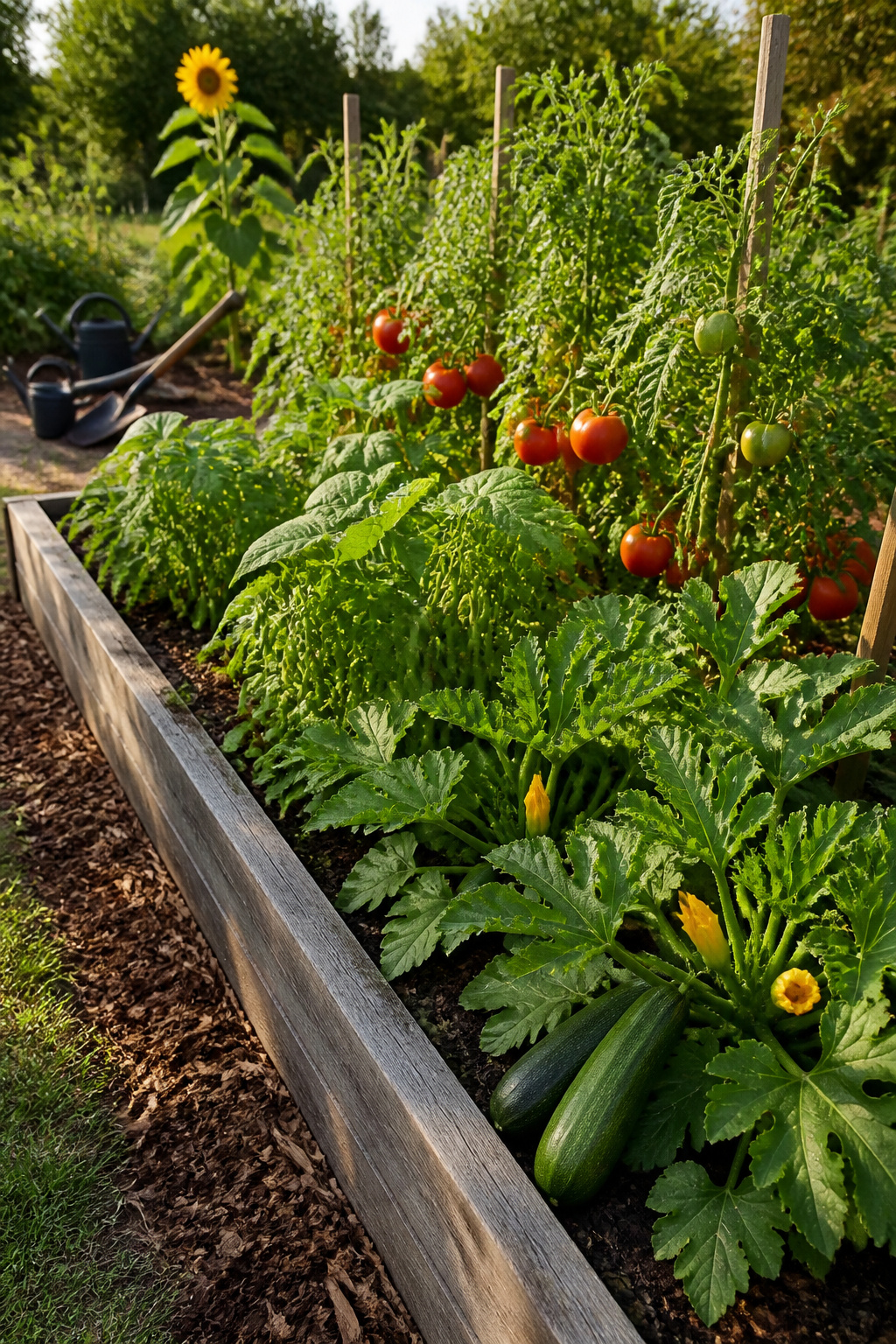
Tomatoes, cucumbers, bush beans, and zucchini form the summer backbone that actually feeds you. These warm-weather crops sit idle until the soil warms and every last frost date has passed, which for most zones means late May into June. Bush beans need no trellising, a real advantage over pole beans if your weekend project budget does not include building a frame. I learned that timing the hard way one spring, setting tomatoes out early against advice and watching them sulk for three weeks while the roots refused to grow. The packet instructions on seed depth matter more with these than with cool-season crops; the seeds are larger but still vulnerable to rotting in cold, wet soil. Plant them at the depth printed on the envelope, water gently, and wait for sustained warmth before you commit the bed.

A round cement planter with a saucer and a distressed terra-cotta color

Self-watering System: The terracotta pot is unglazed, just fill the glass container with water to ensure plants will absorb only what they need through the terracotta pot walls.

HomArt Rustic Terra Cotta Rose Pot, Antique Red, Large, 1-Count
6. Low-Maintenance Plants
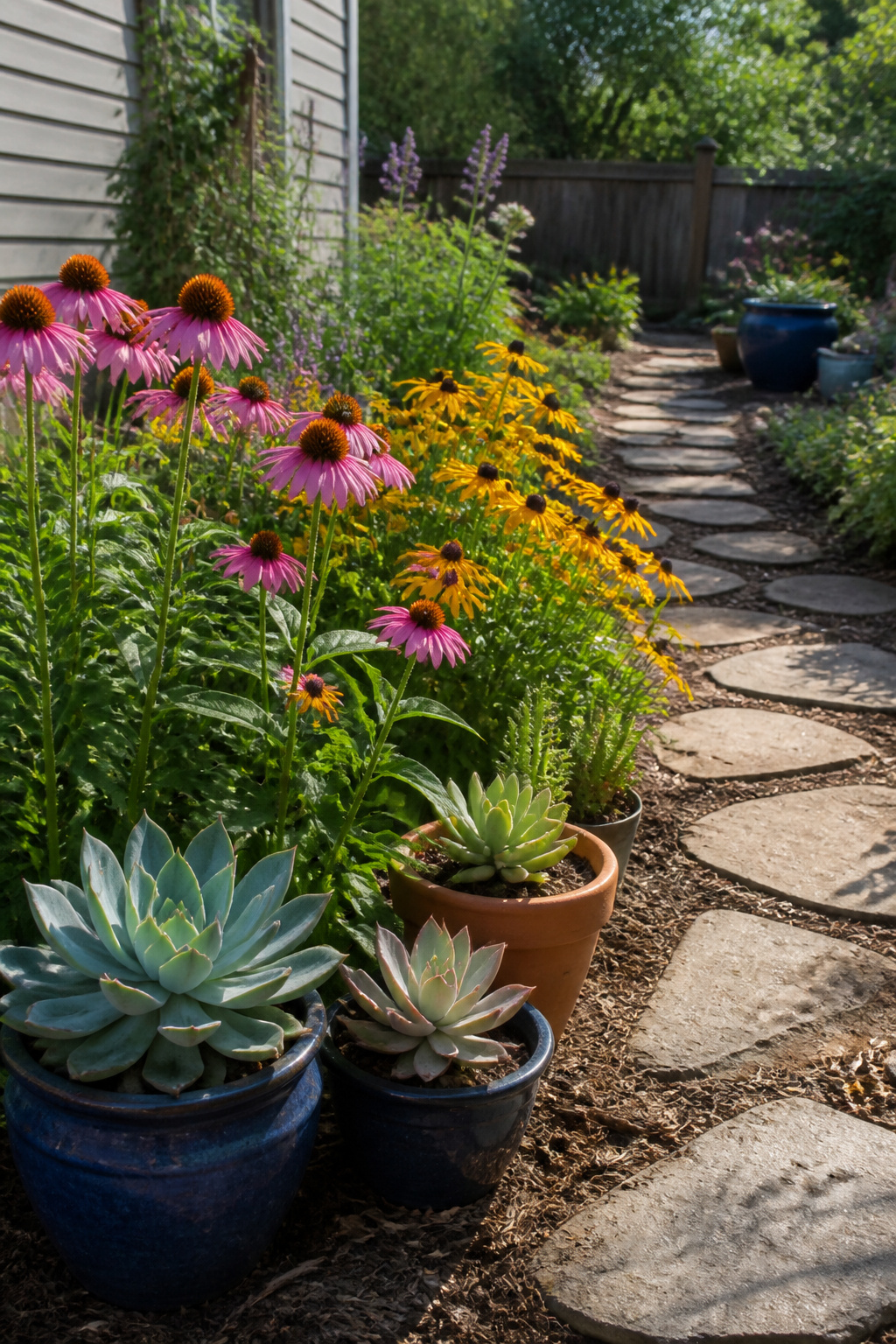
Succulents and perennials are the backbone of any garden built around a real schedule. Perennials return each spring without replanting, and succulents forgive a week of forgotten watering during a busy stretch. Coneflower and black-eyed Susan handle most US hardiness zones, bloom through summer heat, and ask for little more than decent drainage. Sedum, another perennial, thickens its stems through fall and holds dried flower heads that look intentional even in winter. A pot of hens-and-chicks or jade plant on a porch can sit through a vacation and still look presentable. The tradeoff is patience: a perennial bed fills out over two or three seasons, so the first year can look sparse. Plant perennials closer than the tag suggests if you want coverage faster, or tuck annuals between them for color while they spread. Succulents in ground need sandy soil or they rot; in pots, a cactus mix from any garden center solves it. Either way, the maintenance drops to a few check-ins a month once established.

Made in the USA from chemical-free North American cedar

Elevate Your Garden - Opt for a brilliantly engineered raised garden bed to revolutionize your gardening. Its spacious design, measuring 48x24x30 inches, allows for the cultivation of multiple vegetable varieties alongside a plethora of herbs, optimizing your gardening space for ease and diversity.

SPACIOUS GROWING SPACE WITH EXTRA PLANTING DEPTH:Measuring 91.5" L × 47.3" W × 22.06" H, this galvanized raised garden bed holds approximately 412 gallons of soil, providing generous planting space and extra depth for vegetables, herbs, flowers and fruits. The spacious design allows roots to grow naturally while supporting tomatoes, peppers, cucumbers, broccoli, beans, lettuce, carrots, potatoes and other popular garden plants. Ideal for backyard gardening, raised vegetable gardens and outdoor planter box projects.
7. Vertical Gardening
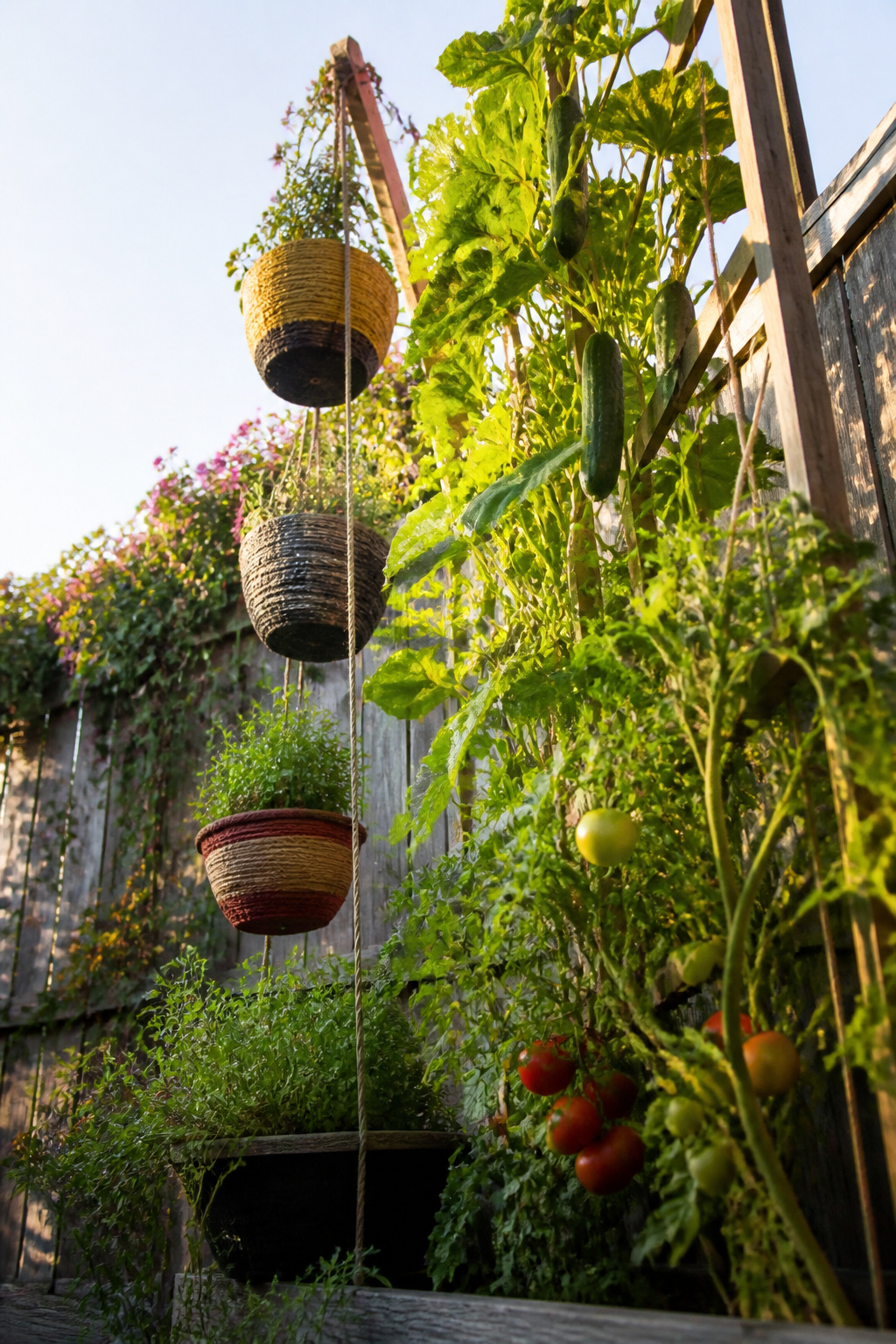
Trellises, hanging planters, and wall pockets turn the square footage you already have into something closer to double. A single cucumber vine will climb a six-foot trellis on its own, threading its tendrils through whatever mesh or twine you offer. Pole beans behave the same way. Tomatoes need more help: their stems want to bush outward, so you tie them every twelve inches or so with soft twine to a stake or cage, or they collapse under the weight of fruit.
Wall pockets work best for shallow-rooted greens and herbs, the kind that rot fast when soil stays wet. That vertical spacing matters because air moves between the leaves instead of trapping humidity against the ground. I lost half a crop of bush beans one wet summer before I understood this; the ones on the trellis stayed dry enough to finish the season. Hanging planters need a hook rated for wet soil weight, not just the empty pot, or you will find them on the ground after the first good rain.

Size: 60×29×11 in, 68 gallons of soil required.

Size: Accessories for 2 complete garden beds in one box!!! 72"(L) x 36"(W) x 12"(H), growing area of this garden bed perfect for an array of vegetables, herbs, and flowers in your yard

Safe Folding Edge & Reinforced Design: The raised garden bed features a foldable edge with upgraded built-in iron clip to prevent injuries and ensure secure assembly. The robust structure resists deformation under sunlight, offering enhanced safety for children and pets while maintaining long-term stability
8. Self-Seeding Plants
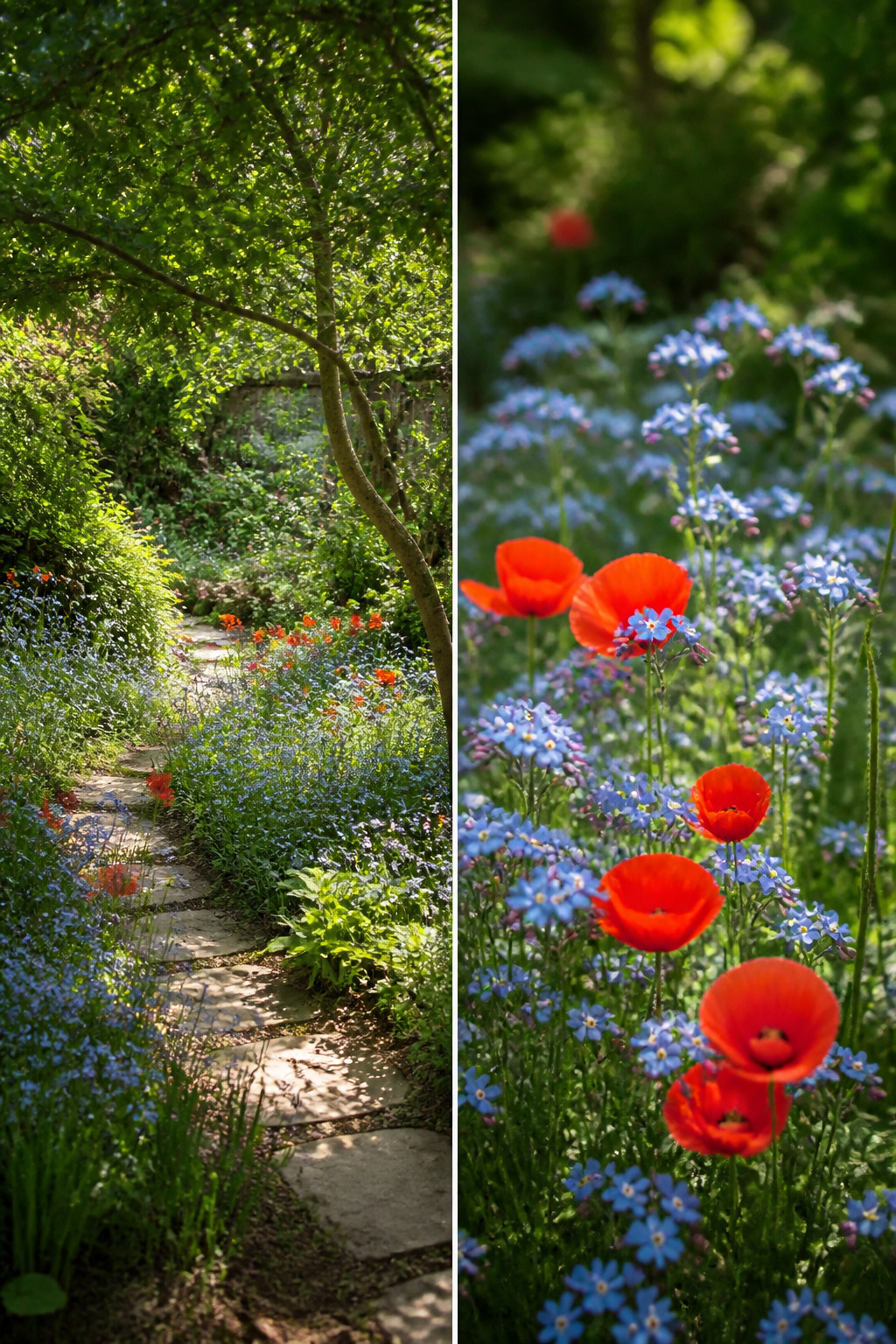
Forget-me-nots and annual poppies are the closest thing to a garden that plants itself. Both reseed so aggressively that a single packet of poppies or one flat of forget-me-nots can turn into a permanent, spreading patch without another dollar spent. The trick is letting them. Gardeners who deadhead every spent flower for neatness cut off the free plants of next spring. Let the seed heads brown and split, and the wind handles the rest.
Bare soil under shrubs or along fence lines fills in fast once these find footing. Within two seasons, a thin strip of dirt becomes a soft blue haze or a scatter of papery red blooms that looks intentional even when it was not.
The catch is exactly that freedom. Self-seeders do not consult your layout. Poppies will open in the gravel path; forget-me-nots crowd the base of a rose you were trying to highlight. Some gardeners pull volunteers that land wrong and let the rest stay, treating the original planting as a movable colony rather than a fixed border. Others resign themselves to a looser style and stop edging so precisely. Either way, the work shifts from planting to curating, which for a weekend gardener is often the lighter load.

20 inch Extra Large Rolling Plant Stand: TECHYANG rolling plant dolly is about 20in, and works on all pots and planters regardless of shape and size. With a weight limit of 500 pounds, it can hold the largest of plants. Come with 9 durable wheels(including 4pcs lockable casters), very strong and labor-saving, making it easy to move heavy pots around your deck and patio.
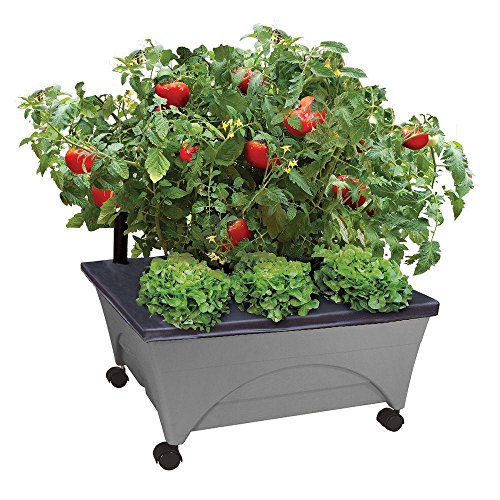
CONVENIENT MOBILE RAISED BED GROW BOX – The city picker is the ultimate raised bed gardening system. The unit is mobile and features four swivel casters for easy transport and sun tracking that works great in areas with limited space. The unit is perfect for patios, apartments, or even fire escapes

CONVENIENT MOBILE RAISED BED GROW BOX – The city picker is the ultimate raised bed gardening system. The unit is mobile and features four swivel casters for easy transport and sun tracking that works great in areas with limited space. The unit is perfect for patios, apartments, or even fire escapes
Picking the Right Spot
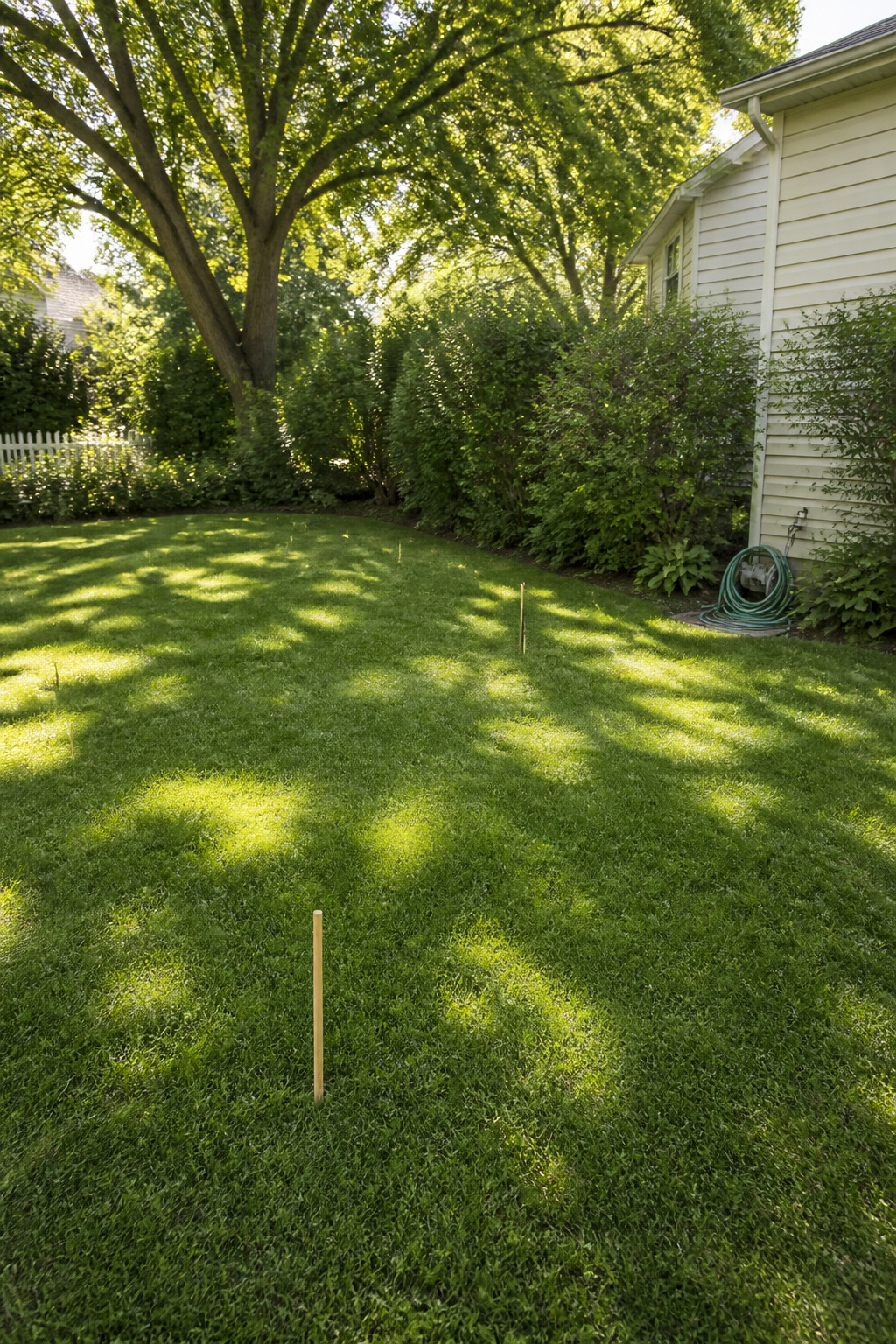
Most vegetables need 6 to 8 hours of direct sunlight to produce anything worth harvesting. The spot that looks bright at 9 a.m. can sit in shadow by afternoon, so I watch a candidate bed through one full day before I even lift a shovel. I mark the sunny patches with stakes, note when the shadows from fences or trees creep in, and only then decide if the space is serious.
Water access matters almost as much. A hose that has to stretch across the yard turns watering into a chore you skip. I look for ground within easy reach of a spigot, the kind of proximity that lets me run out and soak the roots in ten minutes flat.
Most fruit and vegetables need around six hours of sunshine a day to produce good crops, so make sure your potager bed is in a sunny area of the garden.
South- and west-facing yards have the edge here, but the real test is what your own light actually does. Morning sun and afternoon shade will grow leafy greens fine; fruiting plants like tomatoes will stall without those later hours.

Self-Watering With Adjustable Reservior: Built-in water reservoir with adjustable drain pipes lets you control moisture levels for indoor or outdoor use, helping prevent overwatering or forgetting to water while keeping herbs consistently hydrated.

Dual-Purpose Hydroponic Garden Jar: What starts as a stylish accent with a sleek, recyclable mason jar quickly becomes a flourishing hydroponic growing system kit; Designed to bring fresh greenery into any indoor space, it transforms countertops, desks, windowsills, or shelves into lively green corners, providing fresh growth for months

Dual-Purpose Indoor Herb Growing Kit: What starts as a stylish accent with a sleek, recyclable mason jar quickly becomes a flourishing hydroponics growing system kit; Designed to bring fresh greenery into any indoor space, it transforms countertops, desks, windowsills, or shelves into lively green corners - providing fresh basil seeds growth for months; Bundle includes the Replant Kit so you can grow again without buying a new jar
Soil and Compost
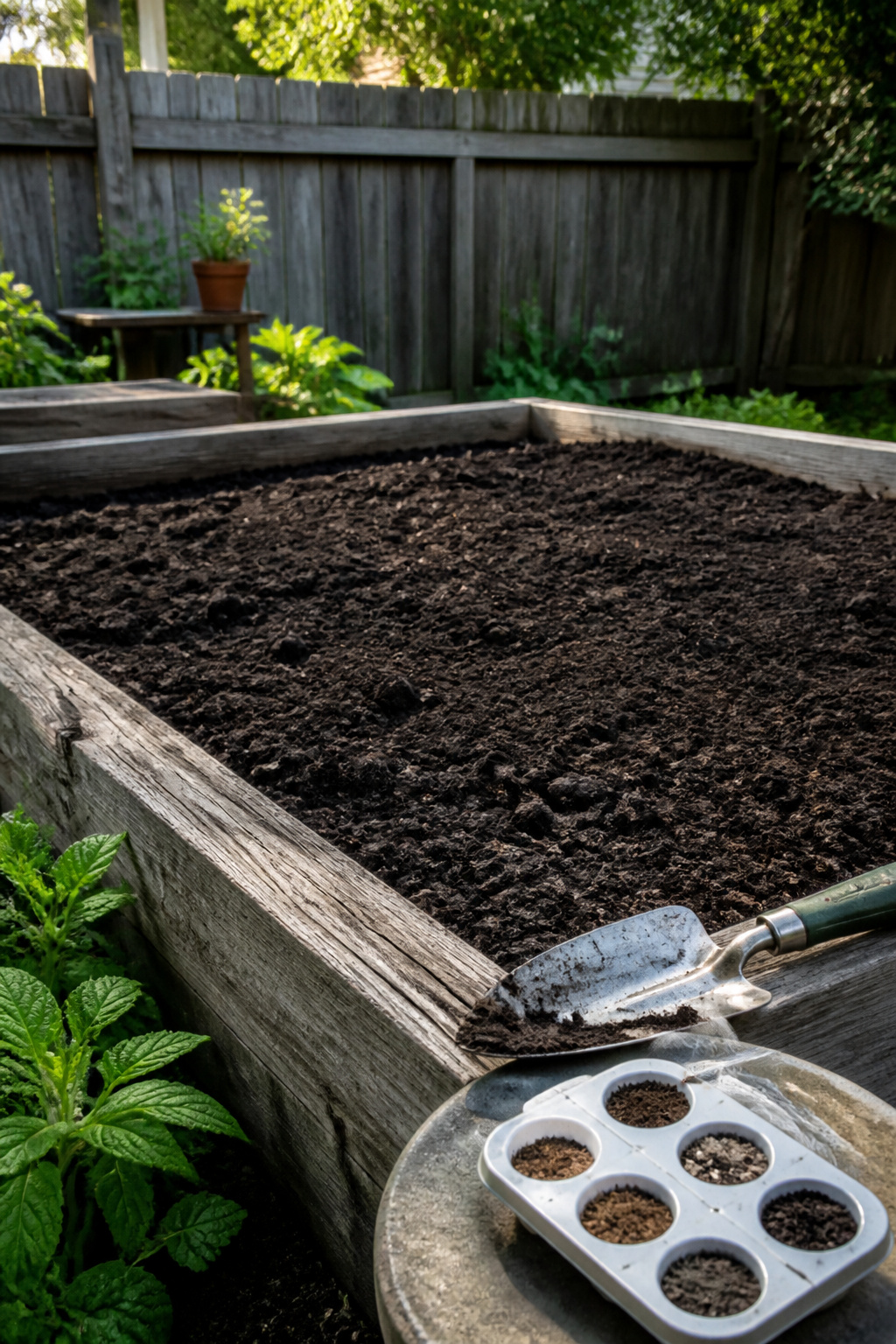
Soil is the one place where rushing costs you a full season, and most beginners do exactly that. I have watched friends till their native clay, plant the same weekend, then wonder why tomatoes sit there sullen for two months. Compost fixes this, but it needs time. Decomposed kitchen scraps, grass clippings, and leaves break down into material that loosens structure and feeds nutrients back in. Work two inches into the top six of existing beds in fall, or four to six inches if you are starting fresh, and let it settle before you plant.
Raised beds change the math entirely. The native soil underneath stops mattering, because you fill the frame with bagged garden soil and compost instead. Clay-heavy ground that would choke carrots becomes irrelevant; you control the mix from day one. The cost is the lumber and the soil itself, but for a weekend project with a few hundred dollars in the budget, it is the difference between a garden that grows and one that struggles.
Before you buy a single bag, send a sample to your county extension office. Their soil test is cheap, usually under twenty dollars, and tells you exactly what your mix is missing. Lime, phosphorus, nitrogen: guessing wastes money on amendments you do not need, or worse, skips the one your plants do. One season of watching yellow leaves and stunted fruit convinced me that the ten-day wait for lab results beats the twelve-week wait for a failed crop.

Durable Terracotta Construction: Crafted from high temperature ceramic for stability, strength, and long-lasting use.

【Premium Quality】 Made of Top-Quality clay and baked at 1796°F high temperature, each Terracotta Pots features great durability and crack resistance. All packages have passed the 3-foot drop test to ensure the pots stay intact during delivery.

Classic Terracotta Pots – naturally smooth matte finishing.
Watering Without Wasting
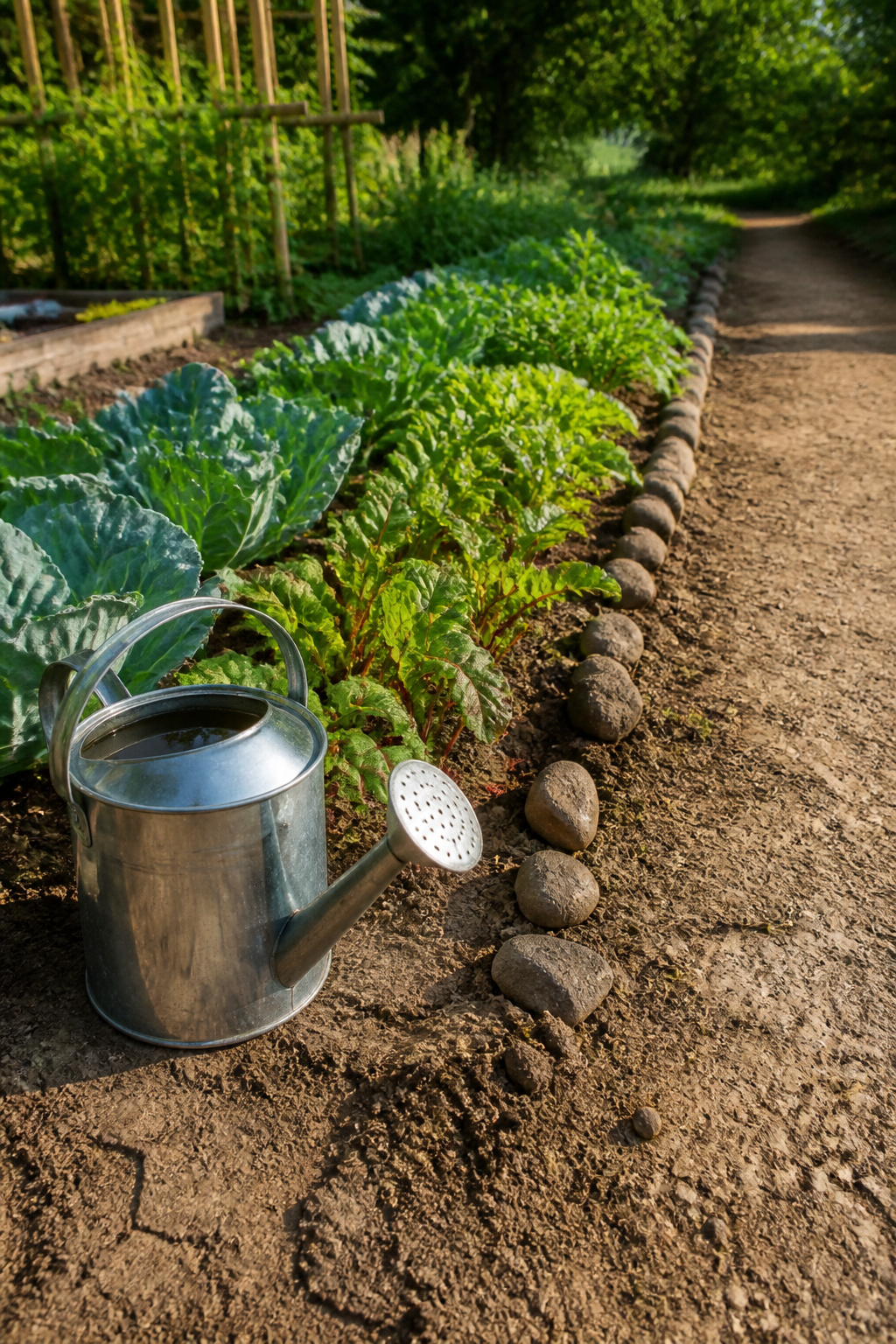
One inch of water per week is the figure that matters, whether it comes from your hose or the sky. The mistake most people make, and I watched myself make it for two seasons, is treating the lawn like a morning coffee habit: a little every day. Shallow sprinkling keeps roots near the surface where they dry out fast and weaken. Deep watering twice a week trains roots downward, where soil holds moisture longer and plants survive a skipped session without drama.
The finger test costs nothing and takes ten seconds. Push a finger into the soil to the first knuckle. Dry at that depth means water now. Still damp means wait. Morning is the practical window; wet leaves overnight invite the kind of fungus that turns a simple routine into a rescue mission.
Weeds and Mulch
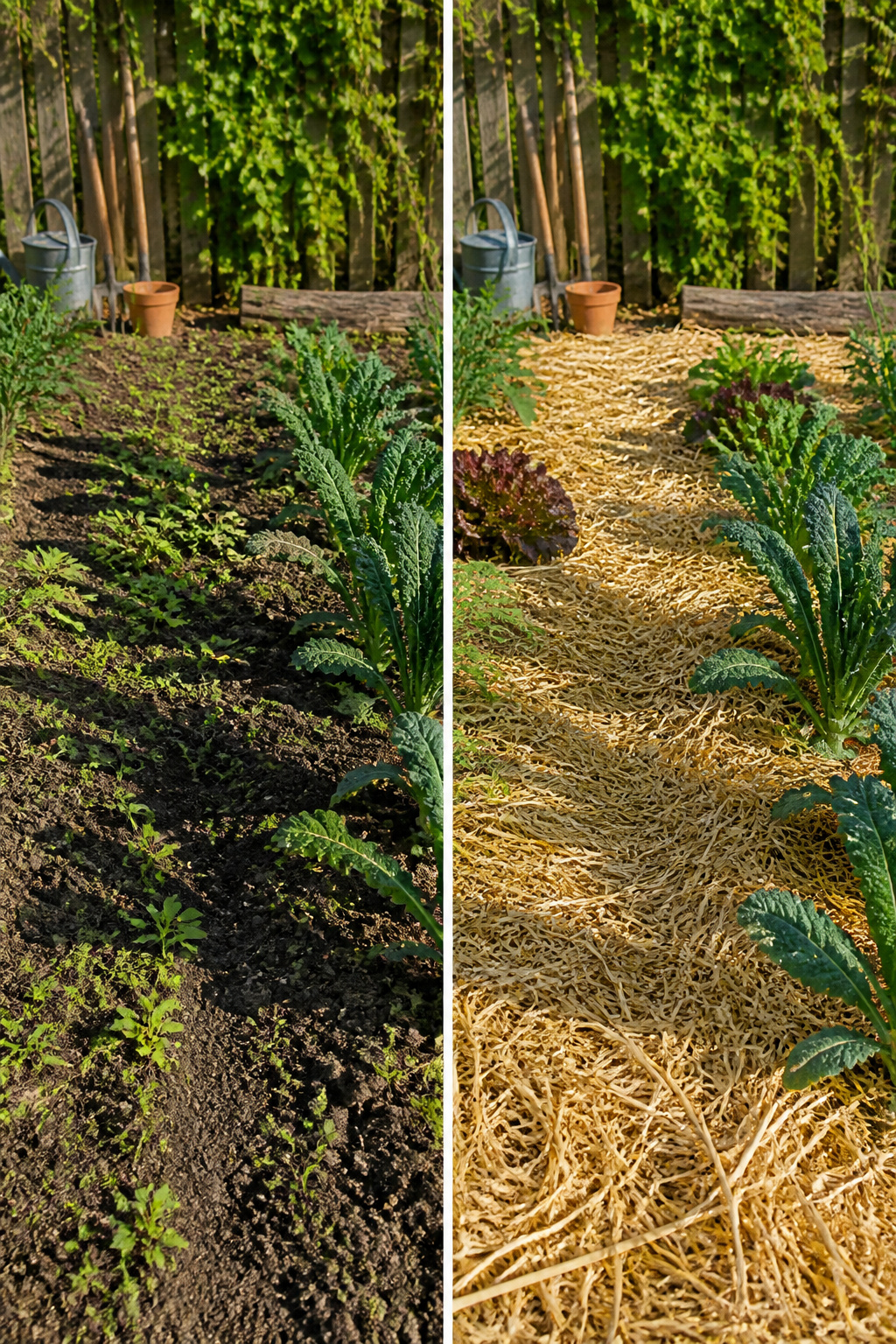
A two-inch mulch layer does three jobs at once: it blocks the light weeds need to germinate, keeps soil from drying out between waterings, and breaks down slowly to feed whatever you planted. That breakdown is the part I like, because the garden starts tending its own soil after the first season instead of asking for more bags of compost every spring.
The material matters less than the depth, though each option behaves differently. Straw is light and easy to spread around seedlings, but it breaks down fast and can look messy by midsummer. Shredded leaves are free if you have deciduous trees nearby, and they mat together into a layer that stays put even on slopes. Wood chips last the longest and give a cleaner edge along paths or raised beds, though they can tie up nitrogen at the soil surface if you mix them in rather than leaving them on top. I have used all three, usually settling on whatever I have on hand after fall cleanup, and the weeds still stay manageable. The trick is getting that two inches down before the first warm spell, because mulch only stops seeds that have not already sprouted.
Pests and Beneficial Insects
A few holes in your leaves are normal. Perfect produce is mostly a grocery store illusion, and reaching for a spray bottle the moment you spot damage usually does more harm than good.
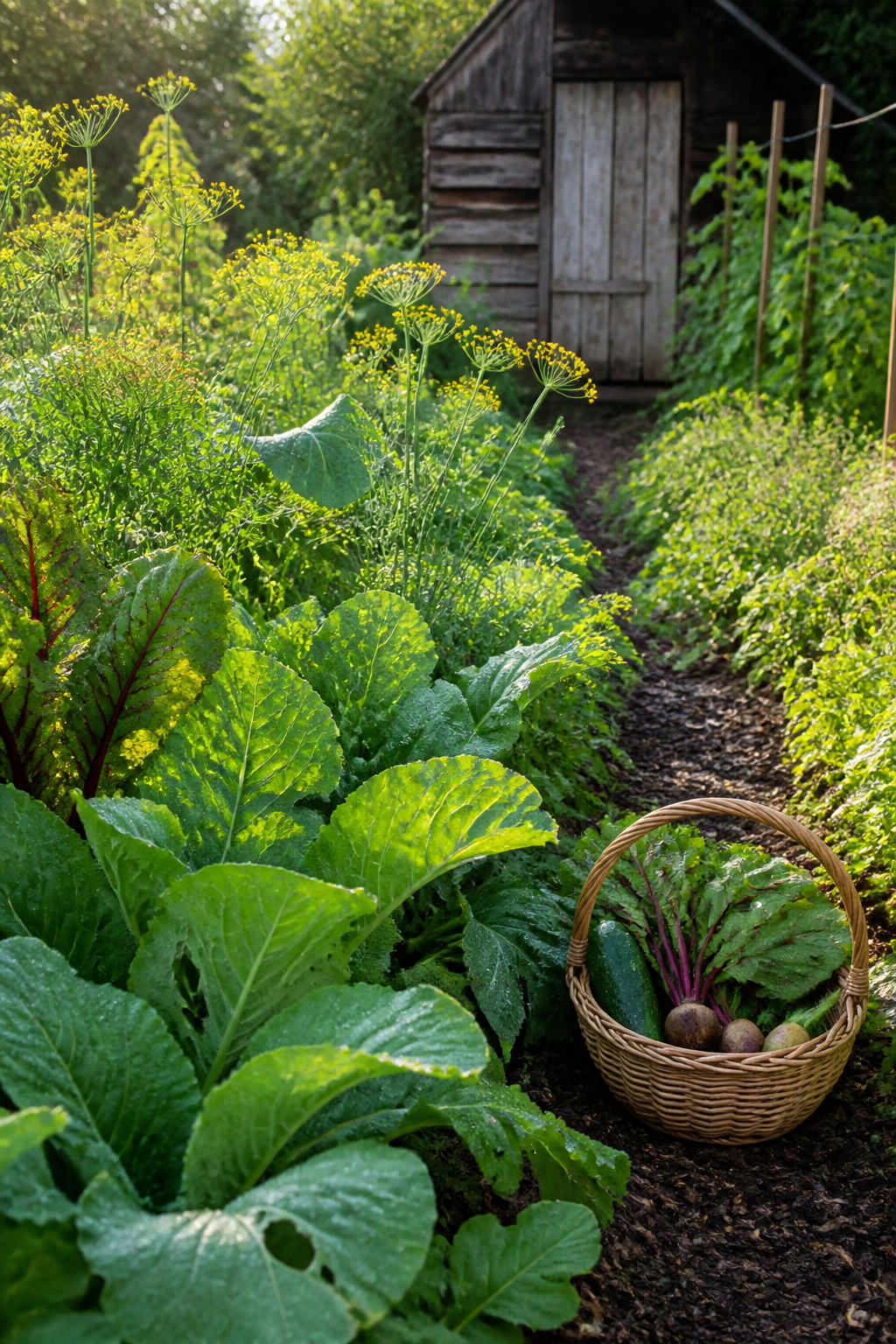
Inspection is the first defense. Walking the garden every morning with coffee in hand beats any scheduled pesticide calendar. Last season I found aphids clustered on the undersides of my kale leaves early enough that a hard spray from the hose knocked most of them off before they spread. Catching them that way takes two minutes and costs nothing.
The spray that kills aphids kills lacewings and ladybugs too, and those two do the actual work if you let them stay. A single ladybug larva can eat hundreds of aphids in a week. Lacewing larvae are less famous but just as hungry. I plant dill and fennel near my vegetables to draw them in, not because I harvest those herbs often but because the tiny flowers feed adult lacewings and ladybugs and keep them laying eggs where I need them.
Insect netting over a bed takes care of the worst invasions without touching the ecology underneath. The balance is already there; the job is mostly to stop yourself from undoing it.
Frequently Asked Questions
What are the best vegetables for beginners?
Start with basil, cilantro, and mint for fast results you can use in the kitchen, then move to cool-weather crops like carrots, radishes, and spinach in early spring. For summer, tomatoes, cucumbers, bush beans, and zucchini form the backbone that actually feeds you. Bush beans have the edge for beginners because they need no trellis, and herbs forgive a missed watering better than most vegetables.
How do I start a garden?
Pick a spot that gets 6 to 8 hours of direct sun, check that a hose reaches it, and build a 4-foot by 4-foot raised bed one foot tall or set up a large container with drainage holes. Fill with bagged garden soil and compost rather than fighting whatever clay or rock sits under your yard. A single afternoon with a saw and drill gets the bed built, and you can plant the same weekend.
When should I plant my garden?
Sow cool-weather crops like carrots, radishes, and spinach a few weeks before your last frost date; they tolerate light frost and harvest before summer heat turns them bitter. Wait until late May or June, after all frost danger has passed and soil has warmed, before setting out tomatoes, cucumbers, bush beans, and zucchini. Warm-weather seeds planted too early simply rot or sulk without growing.
How do I maintain my garden?
Water deeply twice a week rather than sprinkling daily, aiming for one inch total including rainfall, and check soil dryness with your finger to the first knuckle. Spread two inches of mulch before the first warm spell to block weeds and hold moisture. Walk through each morning with coffee in hand to spot aphids or damage early; a hard spray from the hose often fixes the problem before it spreads.