The ideas run from mason jars and teacups to hanging planters, a stock tank, raised beds and an indoor hydroponic tower with its own grow lights, which skips the window entirely.
1. Hanging Planters
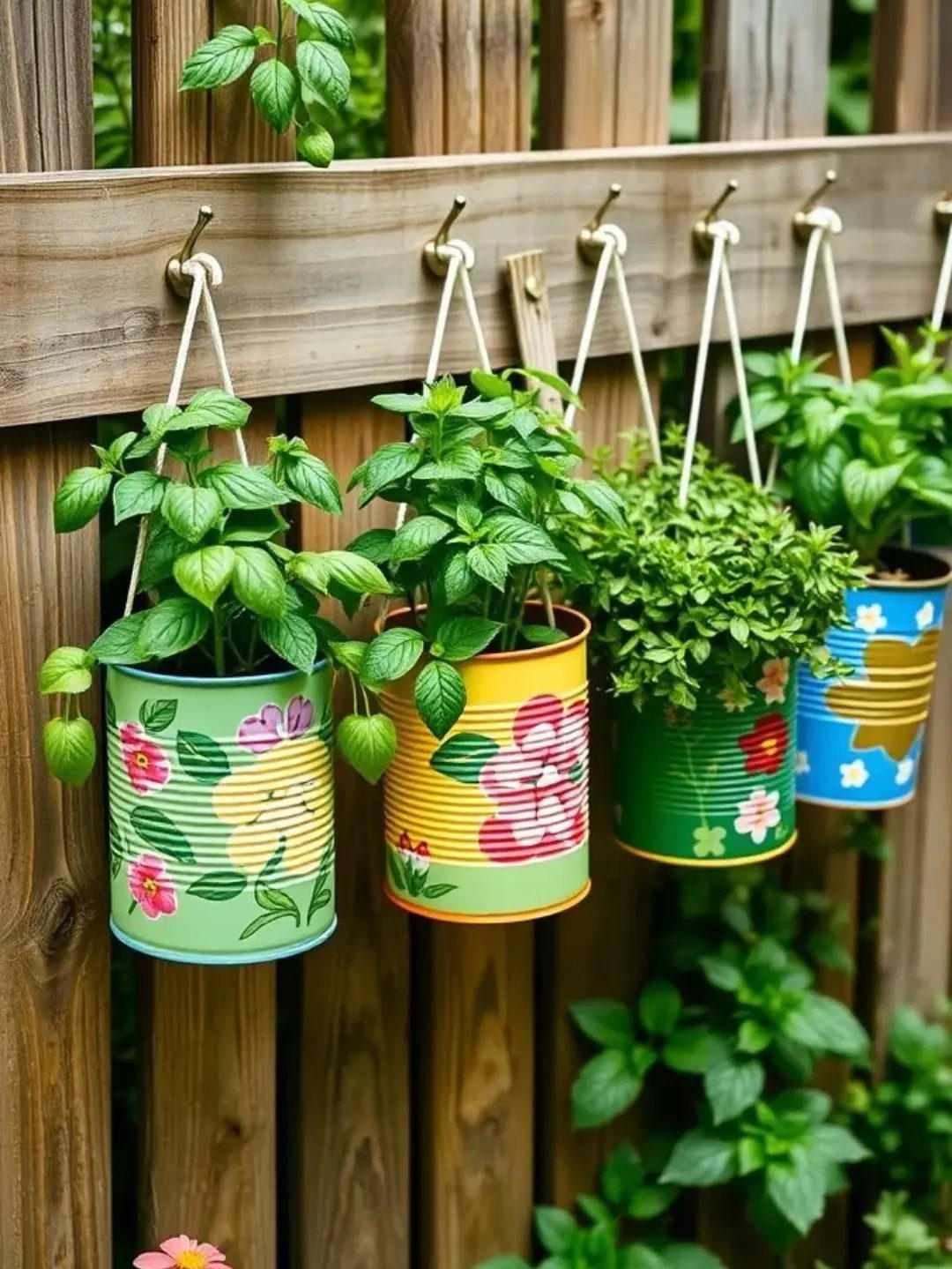
Painted tin cans on strings turn a bare fence into a herb wall, and they cost almost nothing. Hanging herbs frees up counter, step and patio space, which matters most when the ground is a balcony floor.
Hang each can from its own hook so you can lift one down to water or snip. Mixing bright colors, as in this setup, keeps a row of identical cans from looking like clutter.
2. Raised Beds
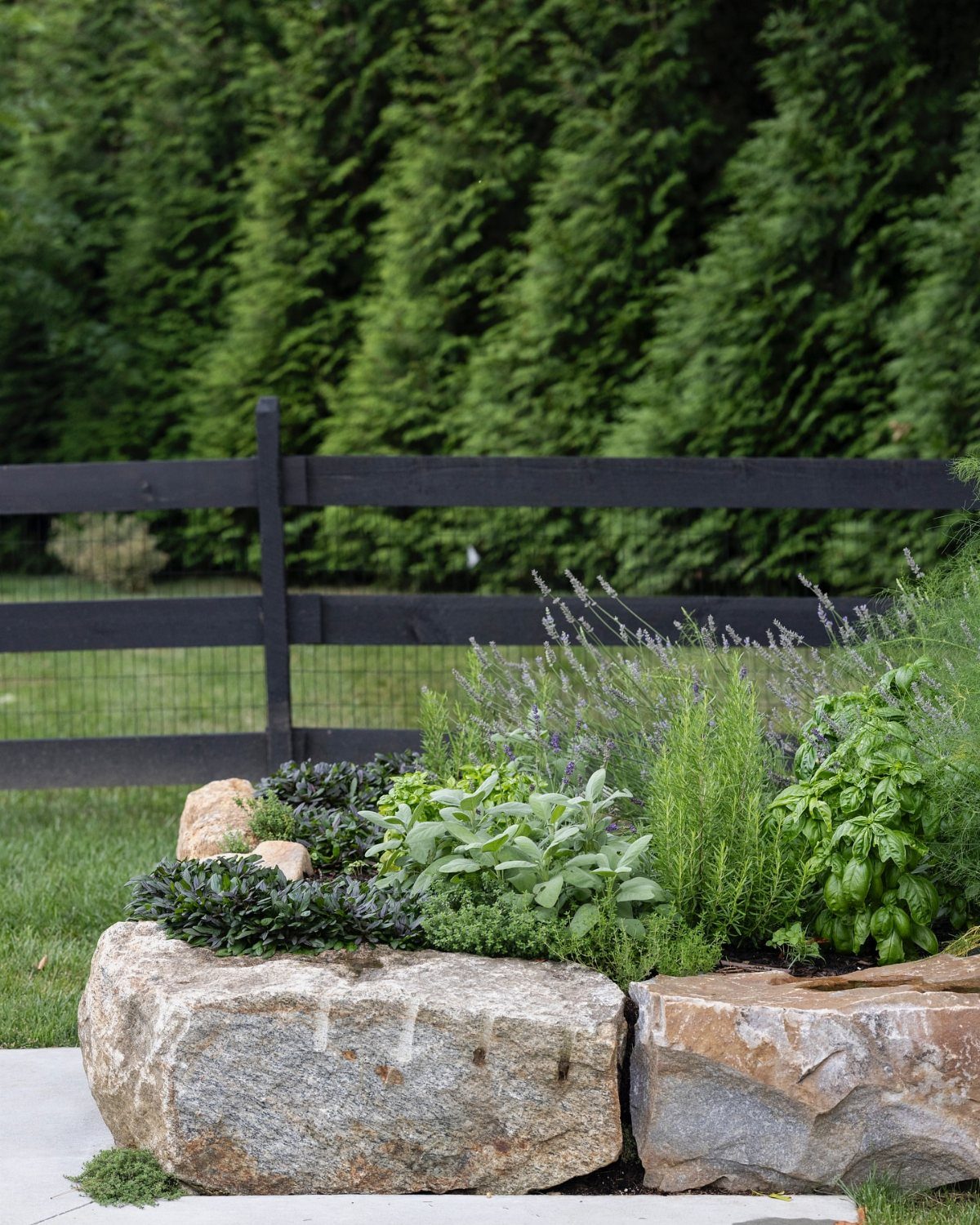
Large natural stones make a raised bed that needs no lumber and no carpentry.
Raising the herbs lifts them closer to your hands, so planting and harvesting take less bending. I like the loose, uneven stone look better than a tidy box, though it does take muscle to place the heavier rocks.
3. Kitchen Herb Garden
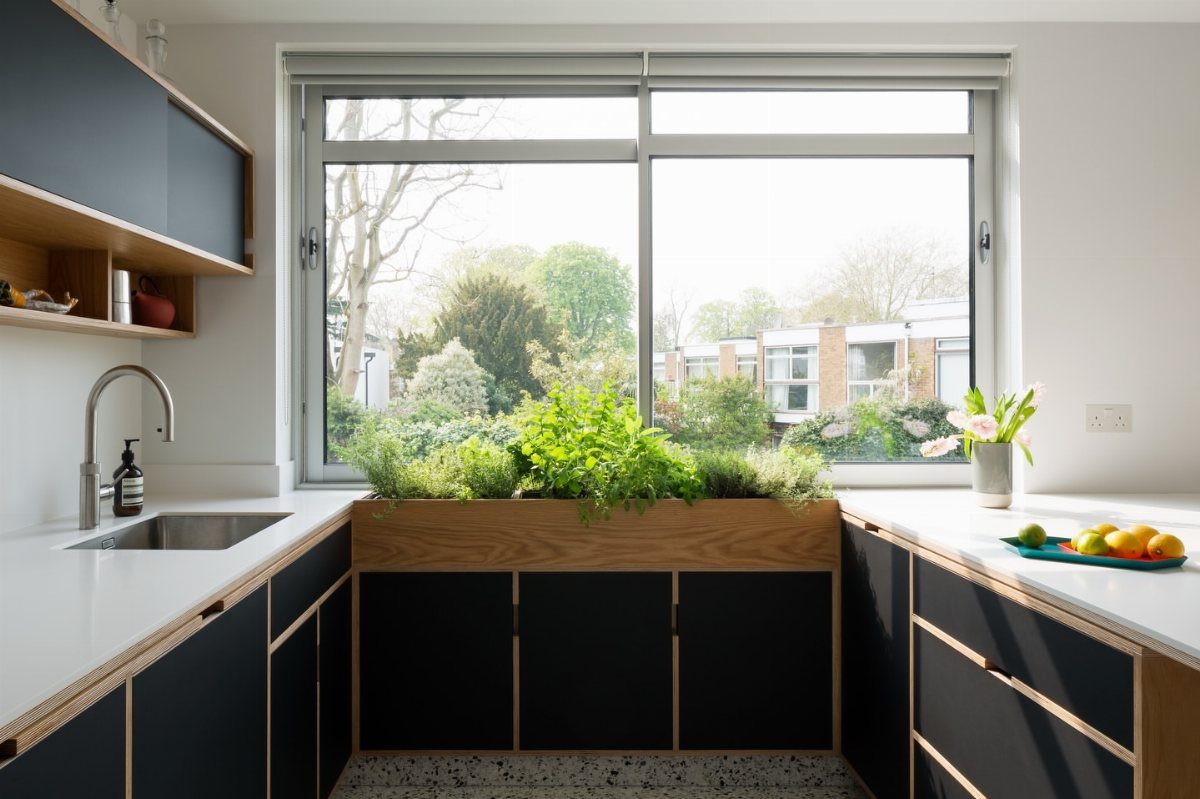
A planter box built in under the kitchen window puts herbs a single reach from the stove.
Cooking is when you actually use them, so the closer they sit, the more often you will snip a few leaves instead of skipping them.
A wooden box set along the counter’s edge puts herbs in the window light and keeps the rest of the surface clear for cooking.
If you rent, a freestanding box the same length gets you the same effect without cutting anything.
4. Tiered Herb Planter
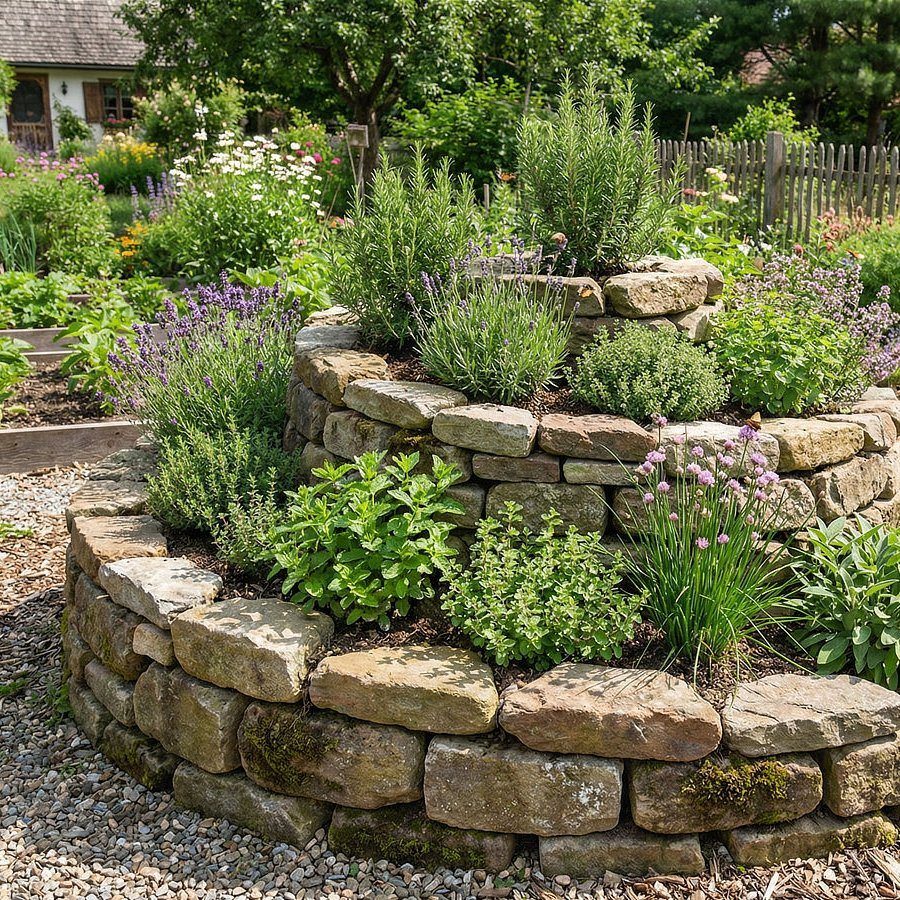
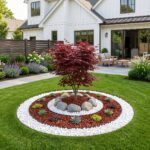
Stacking stones into a round, stepped bed packs far more herbs into one small circle than a flat plot can.
Each level gives roots their own pocket of soil, and the curved shape reads as a garden feature rather than a chore.
Plant the thirstier herbs low and the tougher ones up high, since the upper tiers tend to dry out first. Add a few flowers between the herbs, as this one does, for color.
5. Rolling Herb Garden
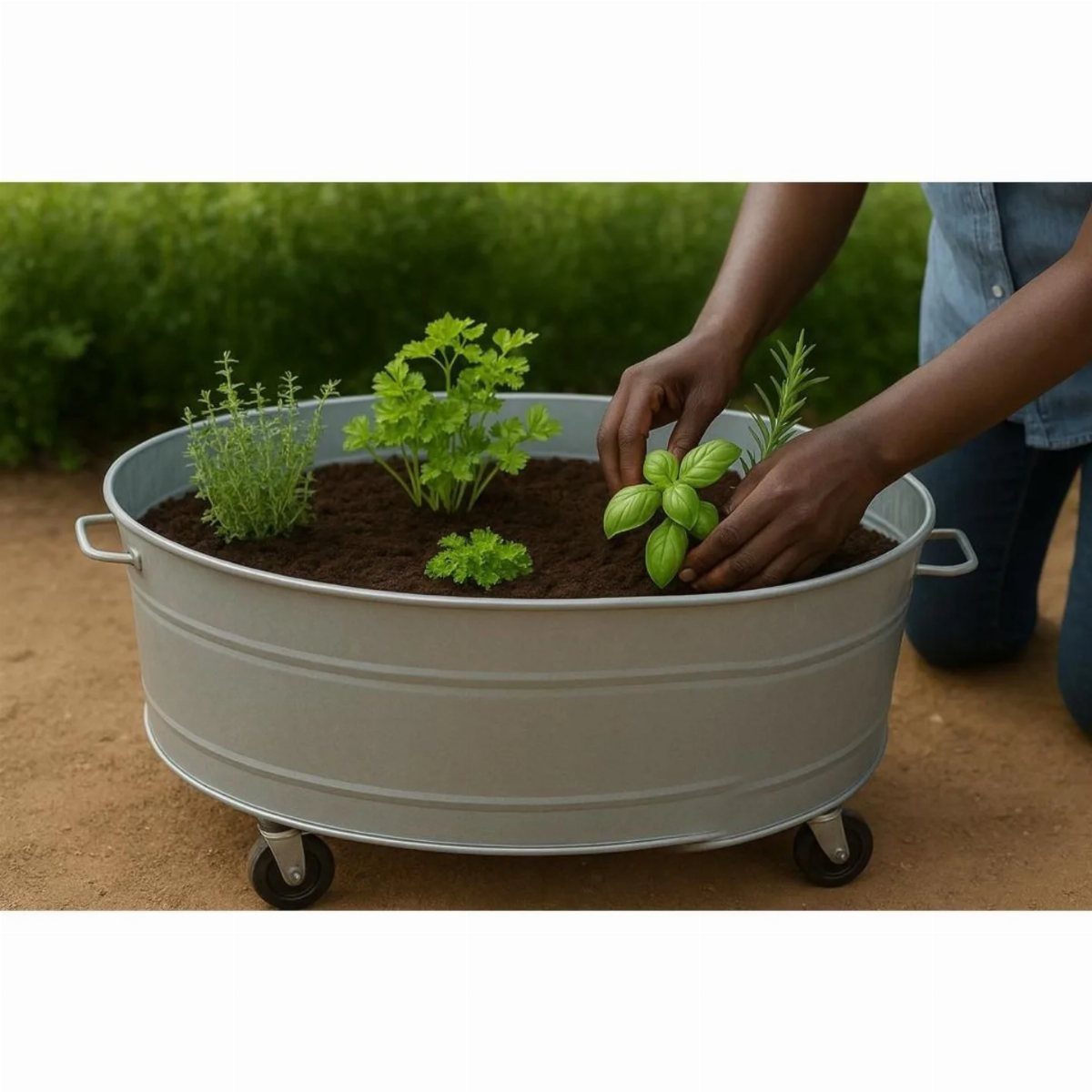
A galvanized tub fitted with wheels lets you chase the sun instead of hoping your herbs land in it. Roll it out for the bright hours, then pull it back under cover when the weather turns.
Fill it with dark, loose potting soil and plant several herbs together. Wheels deserve a close look first, since a full tub is heavy; choose casters rated to carry the loaded weight, and locking ones are better still.
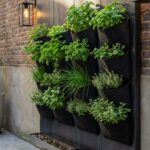
6. Floating Wall Planters
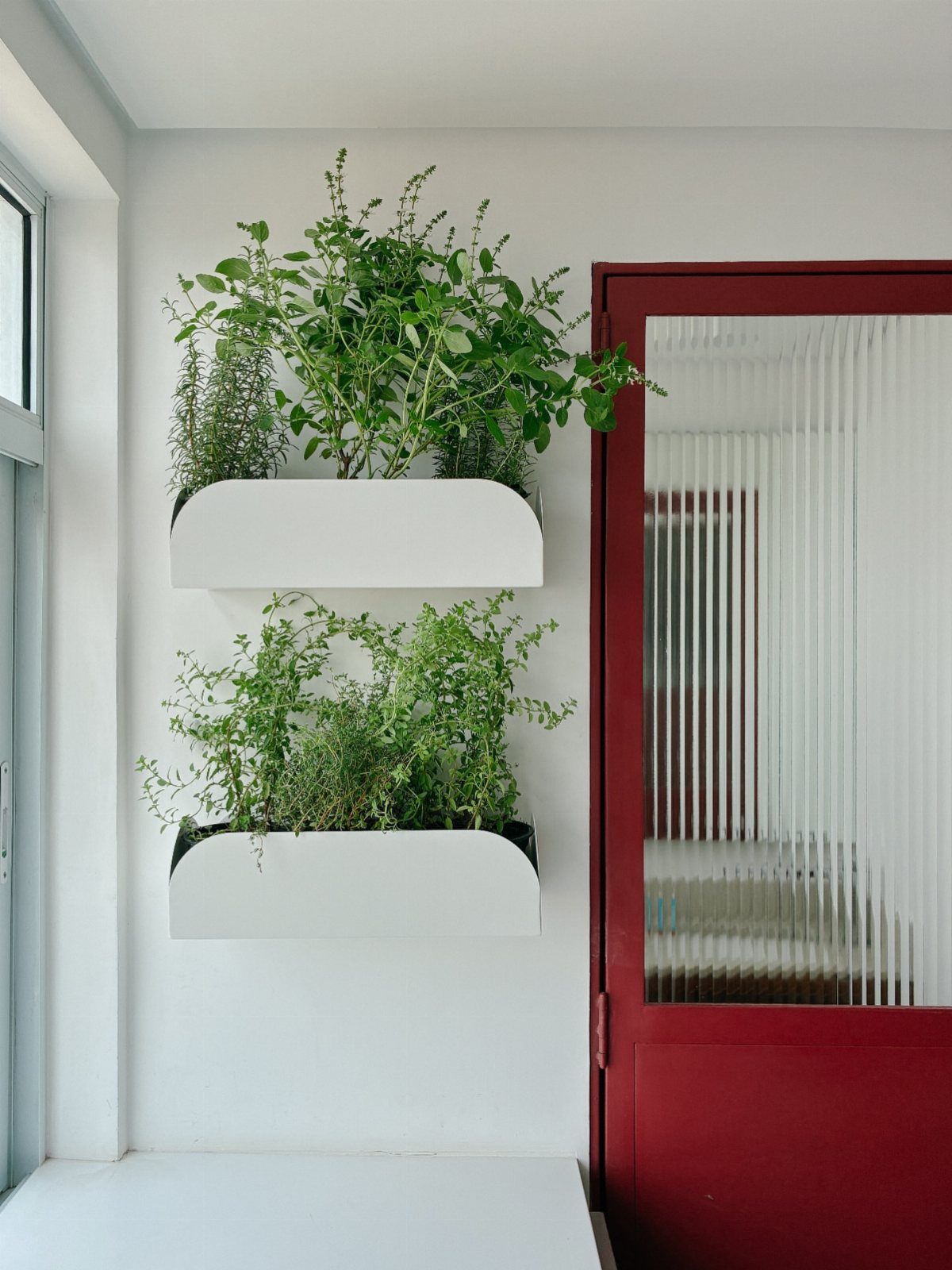
Wall-mounted planters give a tiny entry or balcony a herb garden without taking up a single inch of floor. Curved white boxes like these sit flush against the wall and stay out of the way of a door swing.
Anchor them into studs or use proper wall anchors, because wet soil is heavier than it looks. Keep them within arm’s reach so watering stays easy.
7. Patio Herb Containers
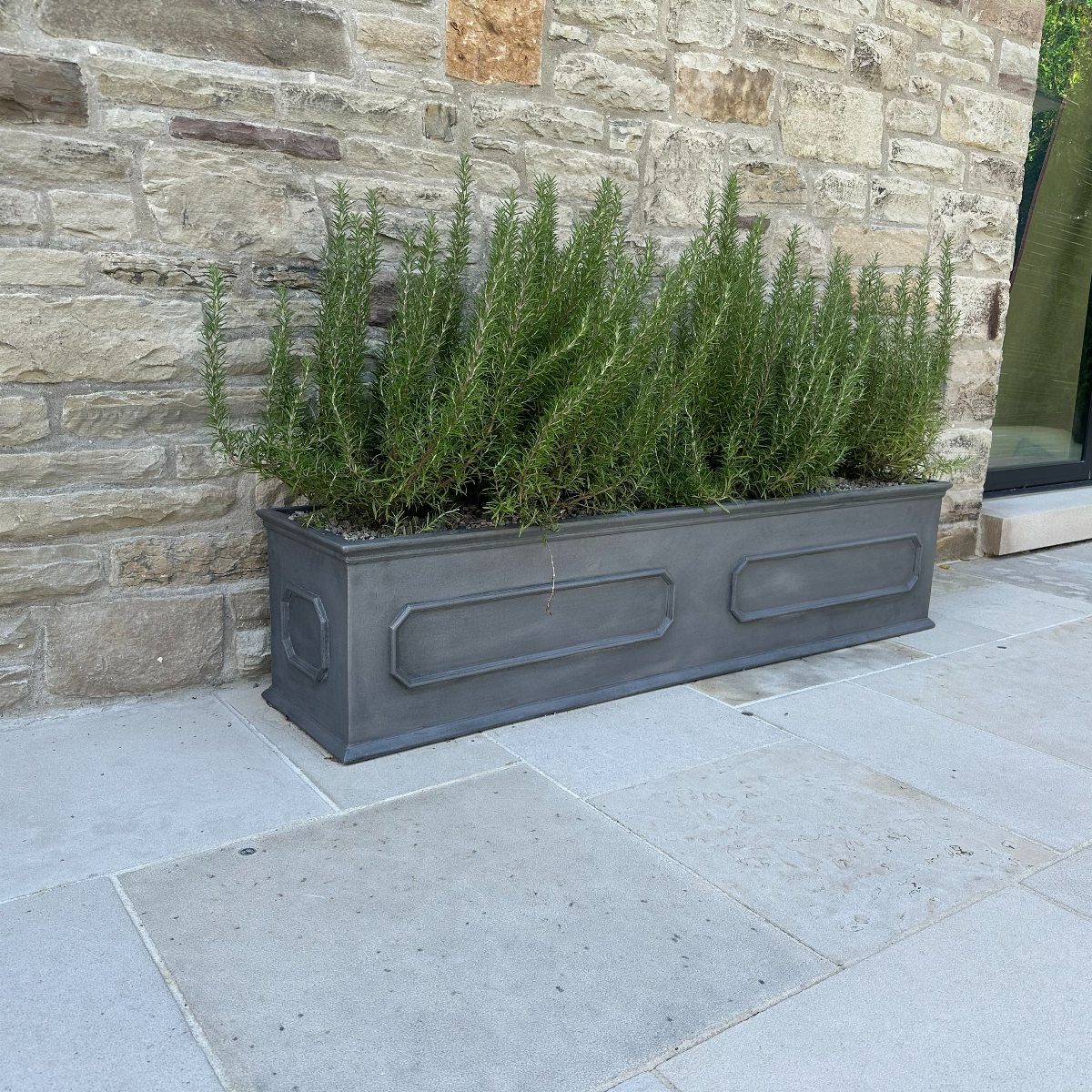
A long rectangular planter filled with rosemary does the work of a hedge and a herb garden at once. Set against a wall, as this grey one is, it gives a patio an edge and something to brush past.
I would pick one long box over a cluster of small pots.
A single planter looks deliberate, and one watering pass covers every plant. Keep it close to the kitchen door so cutting a sprig for dinner takes seconds.
8. Mason Jar Planters
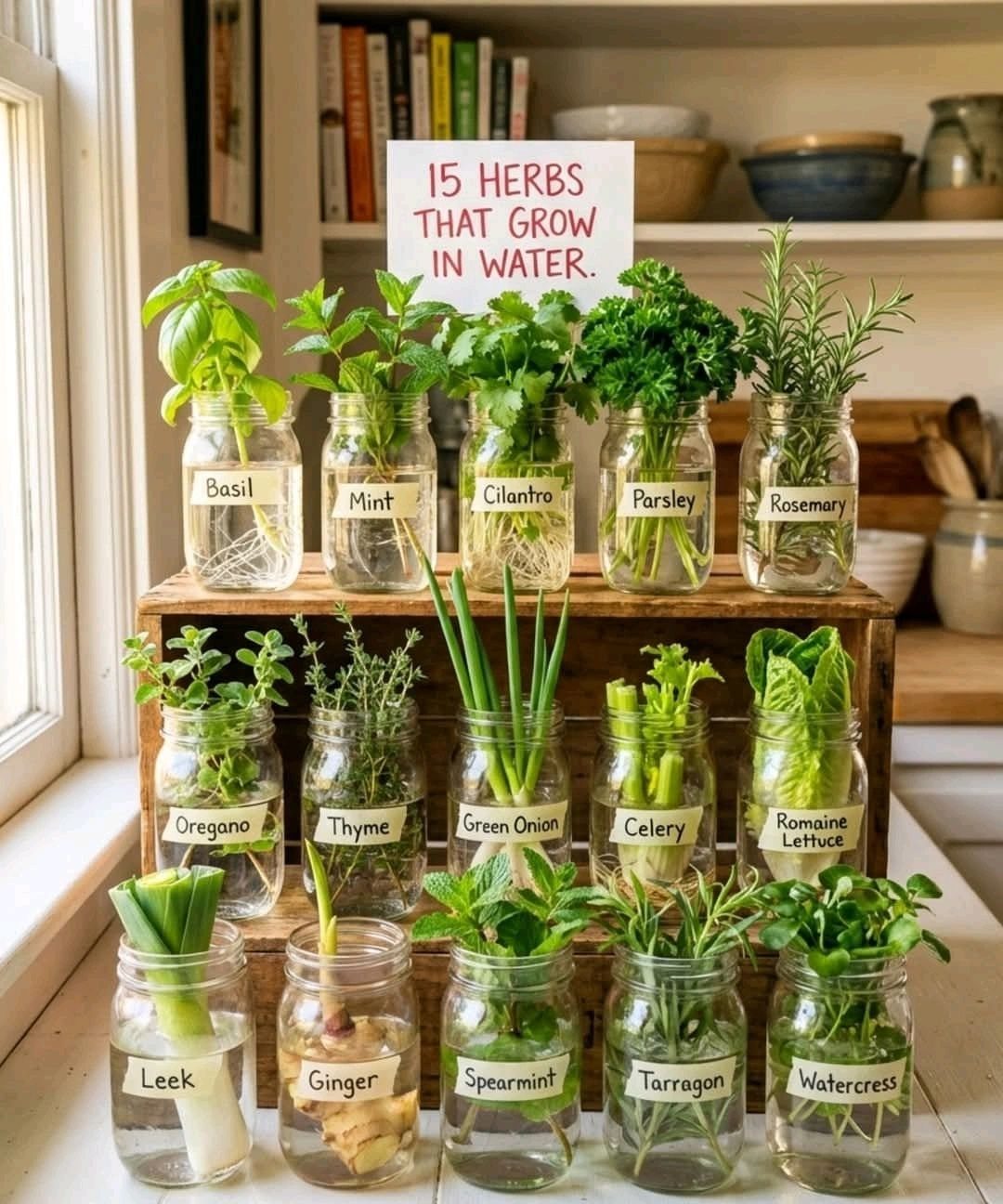
Many herbs will root and grow with their stems standing in plain water, so a row of mason jars on a windowsill is a complete garden with no soil and no mess.
Label each jar, as this setup does, because cuttings look alike until they grow. Pick a spot with window light, and keep the jars on a shelf or crate so they stay level.
I like this for renters: it costs a handful of jars and nothing else. Soil-grown herbs will give you more over time, though.
9. Porcelain Planters
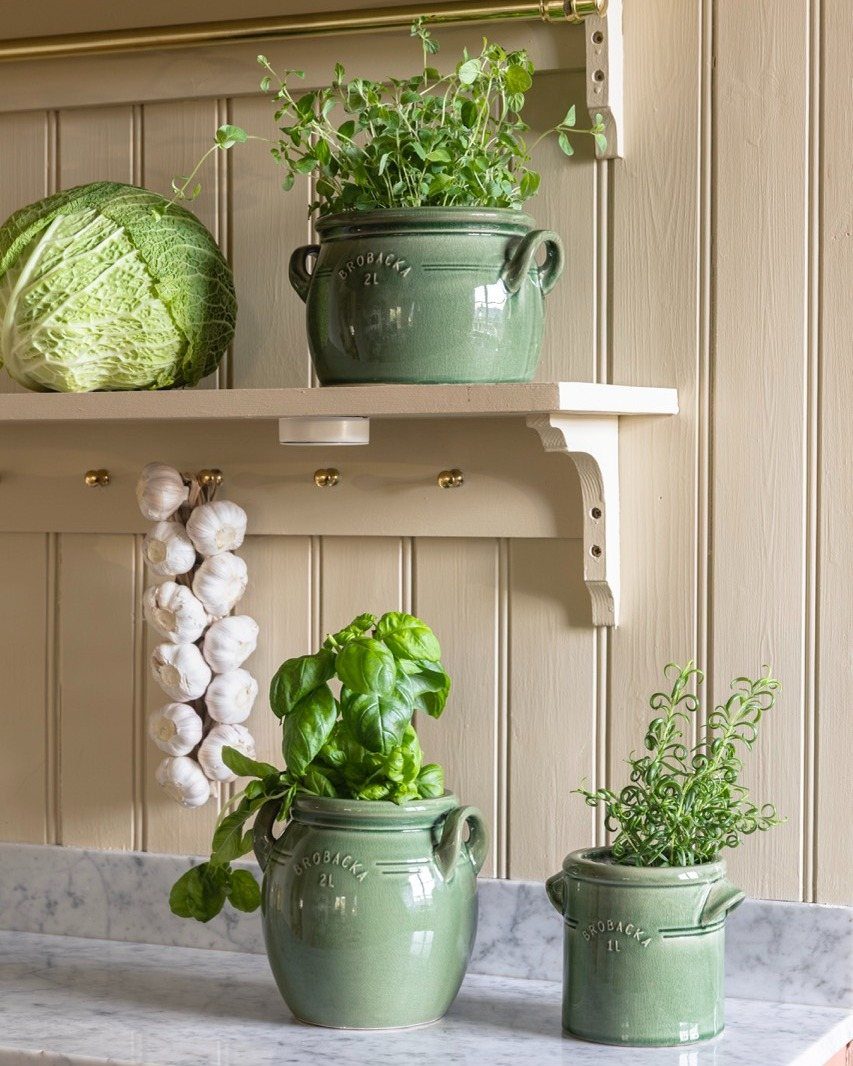
Small ceramic pots suit a desk, a shelf or the corner of a counter, where a full planter would be in the way. Green glazed ones like these look finished even when the herbs are young.
Pick one herb per pot so each plant gets its own soil and water.
A 2-liter pot (about half a gallon) holds one herb plant comfortably, and it hangs easily on a wall. Check that the pot has a drainage hole, or use it as a cover for a plastic nursery pot.
10. Teacup Herb Garden
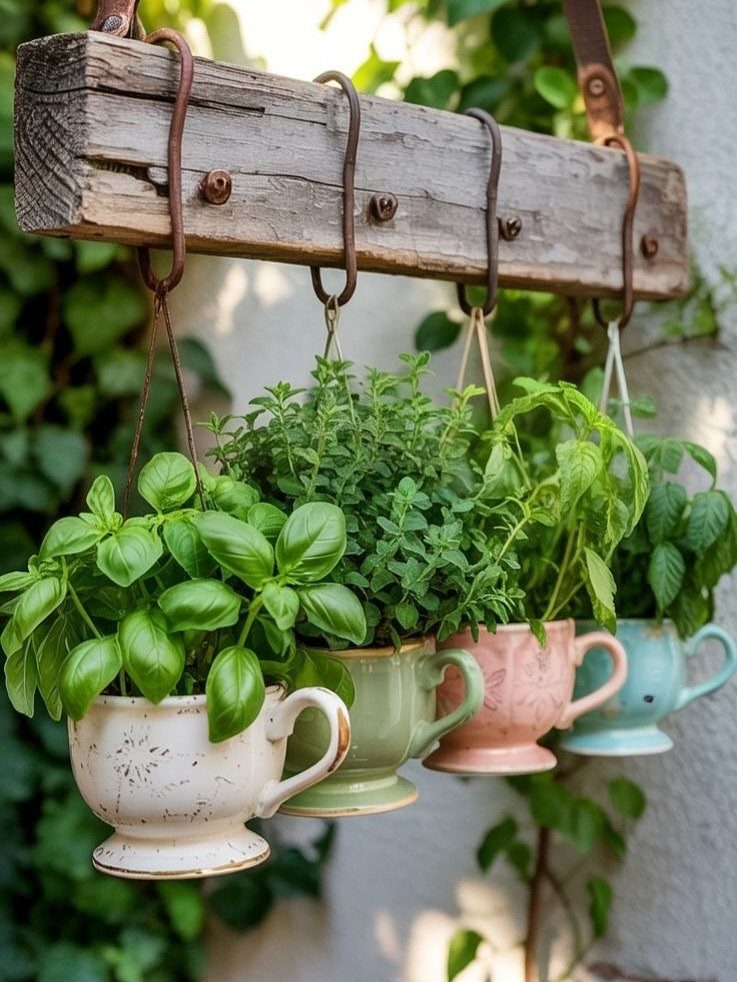
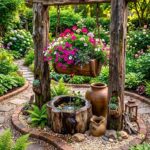
Old teacups make the smallest herb planters around, and hanging them from hooks on a beam gives mismatched china a second life as a display. Odd colors and patterns look better here than a matched set.
Cups rarely have drainage holes, so water sparingly and give shallow-rooted herbs the job. A drill with a ceramic bit can add a hole if you are willing to risk a cup.
Hang them where you can reach them, since the soil in a cup dries fast.
11. Dining-Room Herb Garden Centerpiece
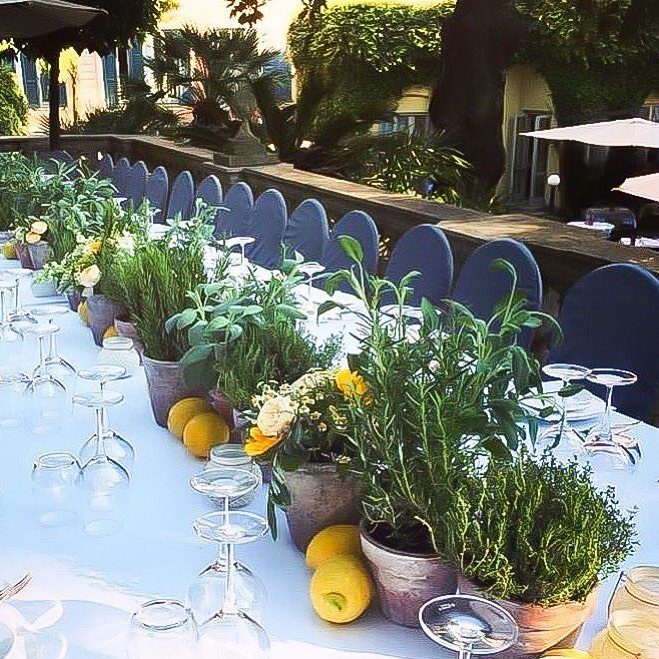
A row of potted herbs and a few lemons down the middle of a dining table works as a centerpiece and as a salad bar. Guests can pinch a leaf right off the table.
Keep the pots low enough to see over, and use similar containers so the line reads as one piece.
Set them on a tray or saucers to protect the tablecloth from drips. I would stay with herbs you actually cook with, so the arrangement gets used up rather than just admired.
12. Stock Tank Garden
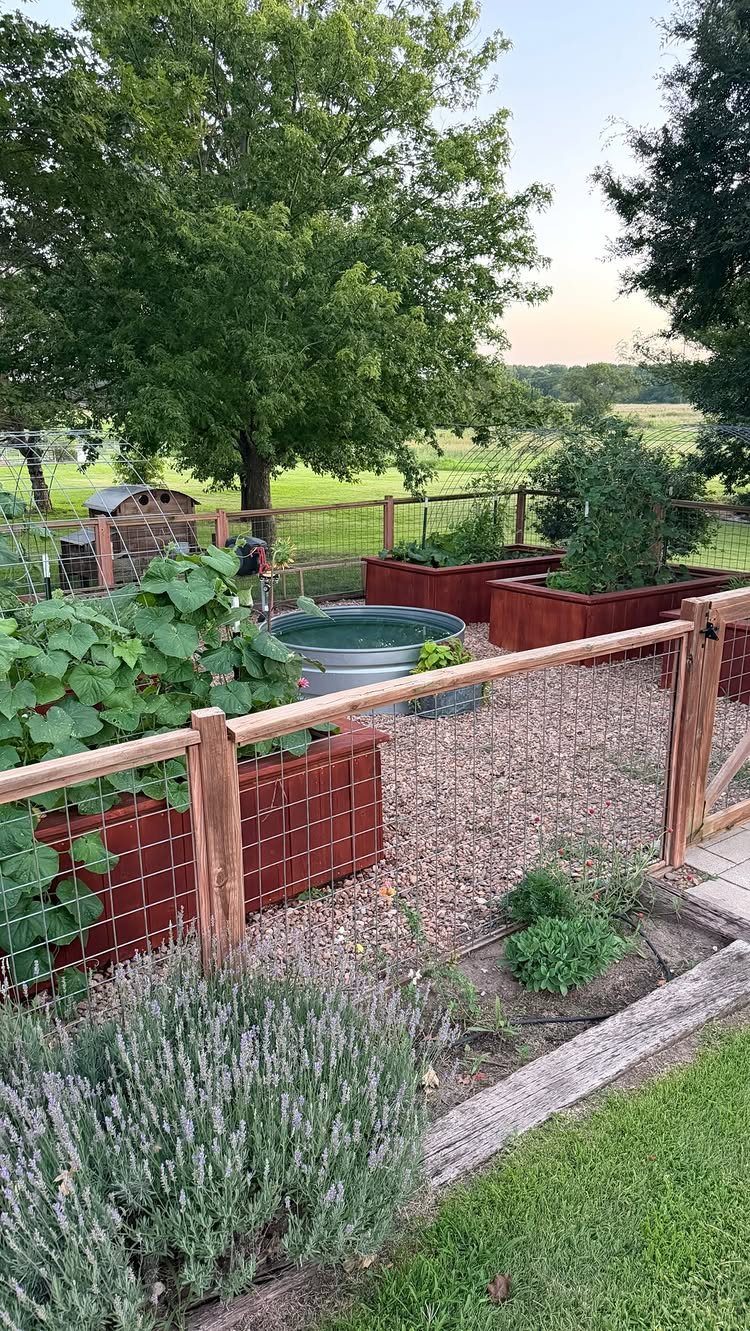
A galvanized stock tank makes a raised herb bed with no building at all: set it down, fill it with soil and plant.
The round shape in this yard sits comfortably among square wooden beds, and it breaks up the lines.
Drainage matters most.
Drill holes in the bottom before filling, because a tank without them holds water and rots roots. Raised sides also keep the herbs closer to your hands.
I would choose a round tank for a tight corner, since you can reach the center from any side.
13. Indoor Hydroponic Tower
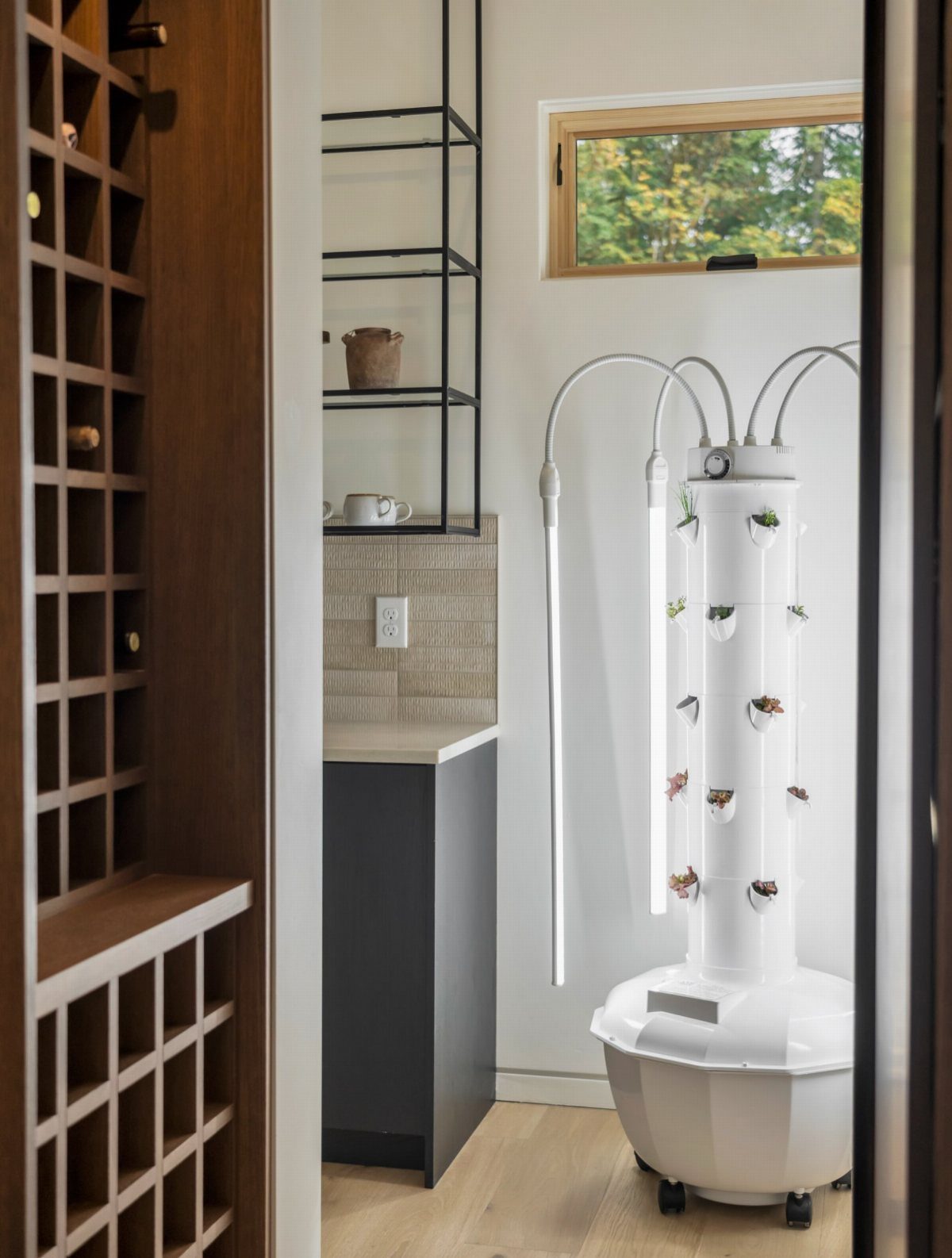
Built-in grow lights mean the tower doesn’t need a window at all, so a dim corner or the blank wall beside a bookshelf can hold a working herb garden. Stacking plants upward keeps the footprint small, which suits apartments.
I would use it for the herbs you cook with weekly, since a tower is a bigger commitment than a pot. Keep it near an outlet and within reach, so checking the plants becomes a habit.
Expect a higher upfront cost than a jar or pot setup.
14. Elevated Wooden Planter Box
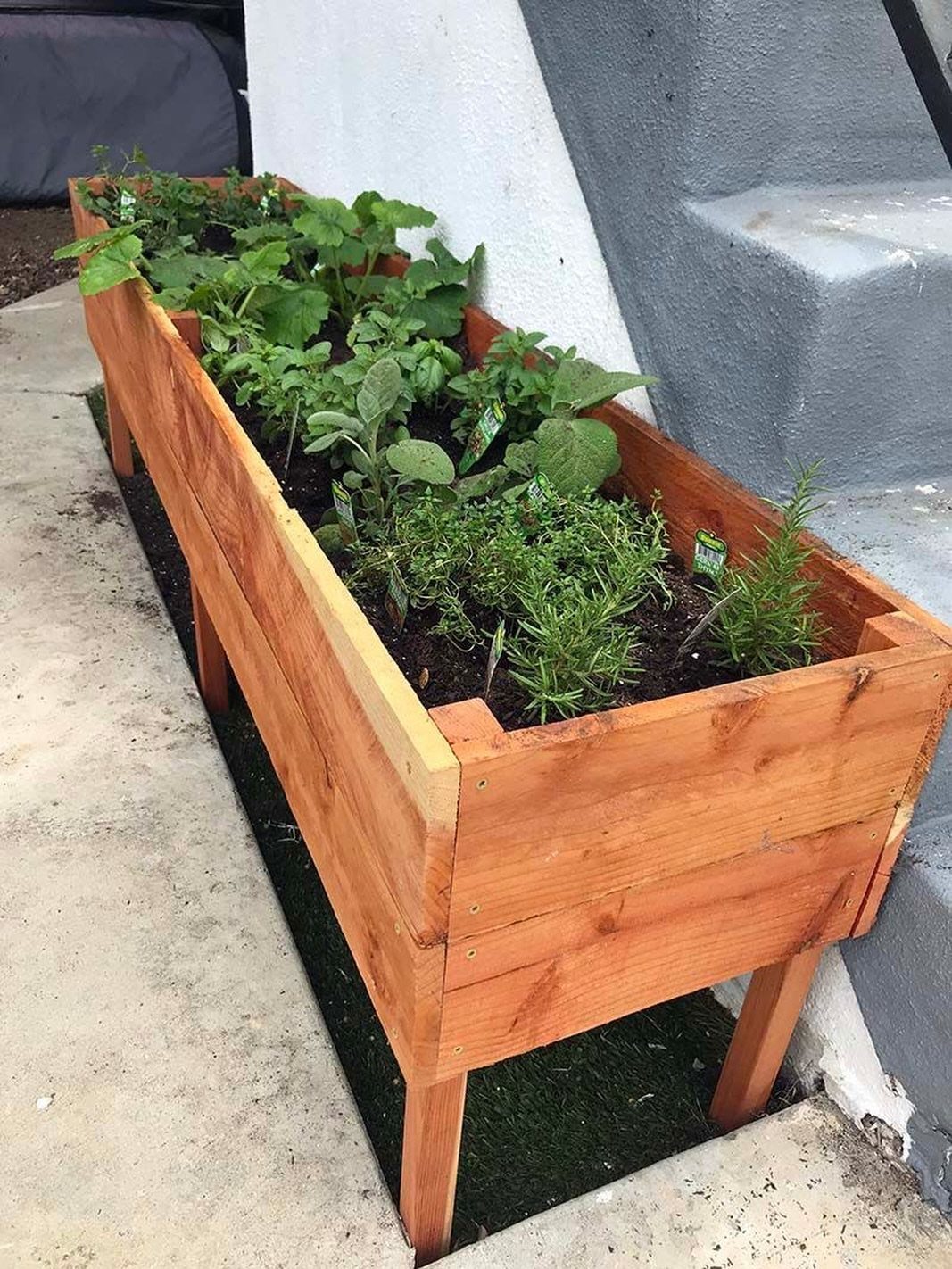
Raising a wooden planter box on legs brings the herbs up to waist height, so planting and picking need no kneeling. It also leaves room underneath, which helps on a small patio where floor space is tight.
A mix of herbs in one long box is easier to water than a row of separate pots. Drill drainage holes in the bottom, and set the box on a hard surface where a little runoff won’t matter.
I like that it looks like furniture rather than a garden chore.
15. Repurposed Bottle Vertical Planter
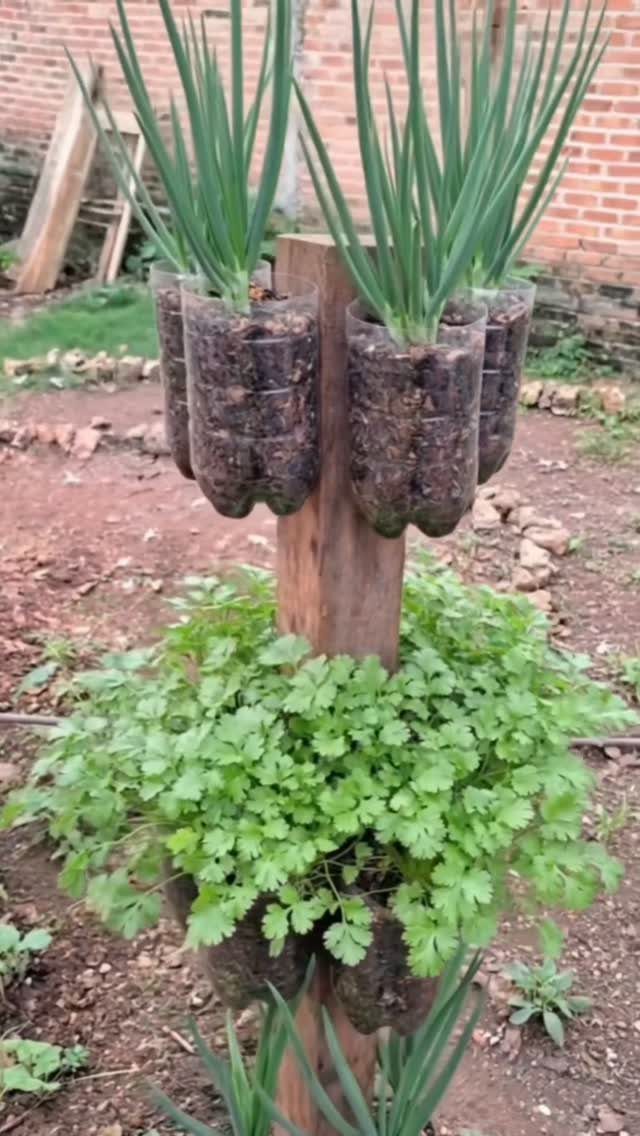
Plastic bottles cut open and fixed to a wooden post make a vertical herb planter for the price of a few screws and something you would have recycled. Scallions and leafy herbs fit well in the narrow openings.
Before any soil goes in, drill or punch a few small holes through the base of every bottle so extra water can escape. Space the bottles along the post so the leaves of one don’t shade the one below.
It’s a rough, budget look, and I think it works best against a plain wall or fence.
16. Bamboo Border Garden Rows
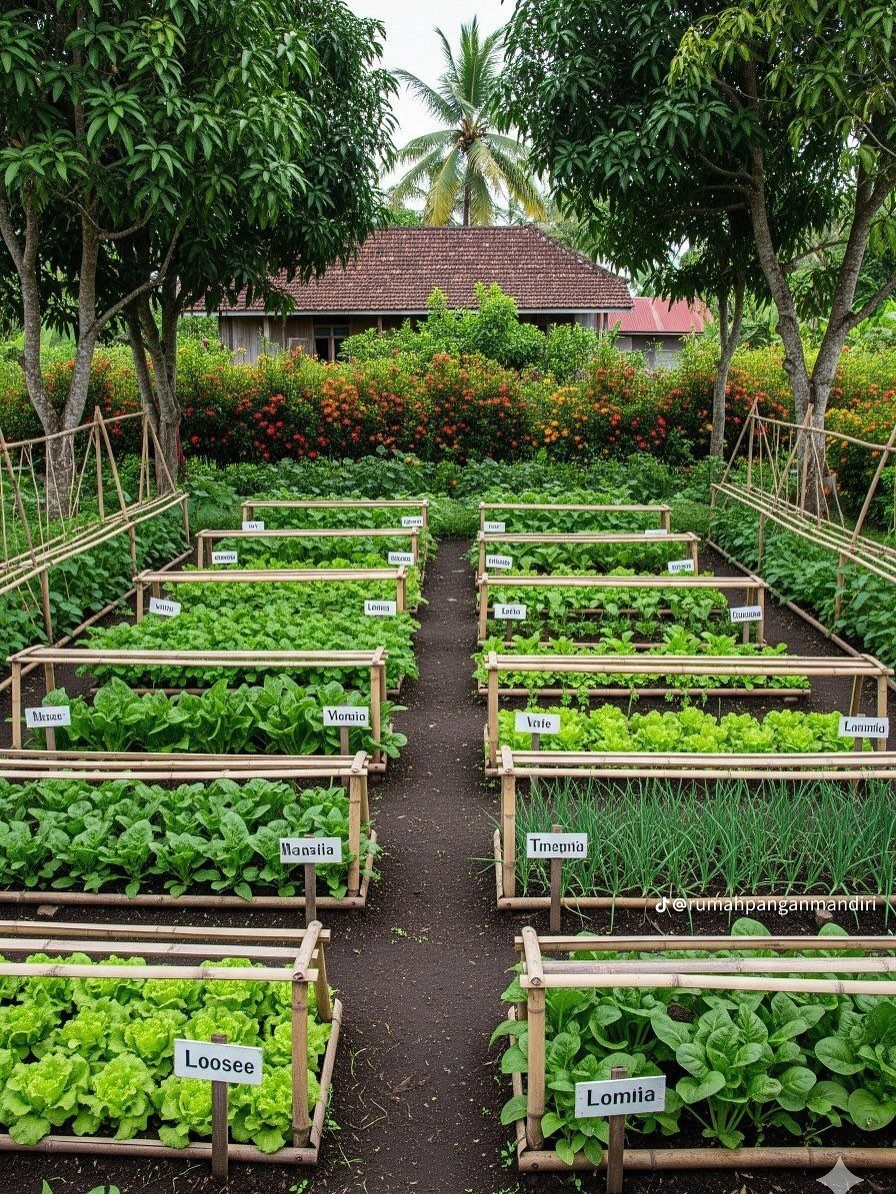
Low bamboo frames give planted rows a clean edge, so a herb patch reads as organized instead of scruffy. Each frame holds its rows in a neat rectangle and keeps soil from spilling onto the lawn.
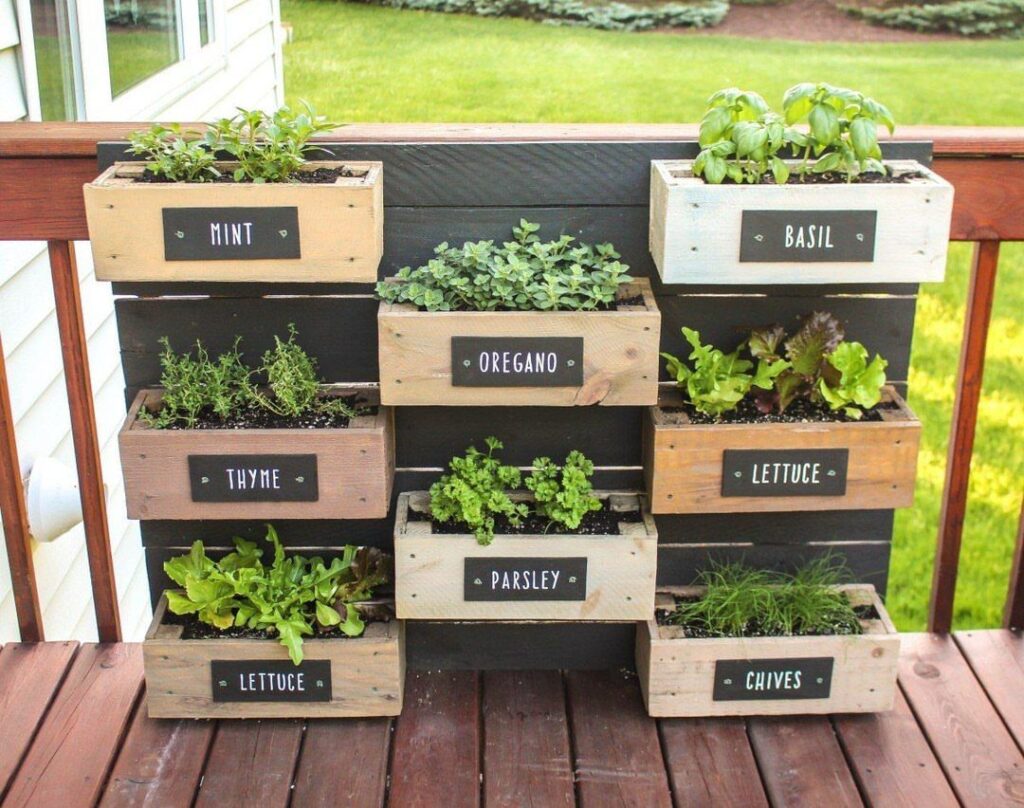
Add a marker at the end of each row, as this garden does, because leafy herbs look alike when young. Write the name on the marker so you never guess.
I would choose this for a backyard with some room. It suits a bigger patch more than a balcony.
17. Colorful Metal Bucket Pots
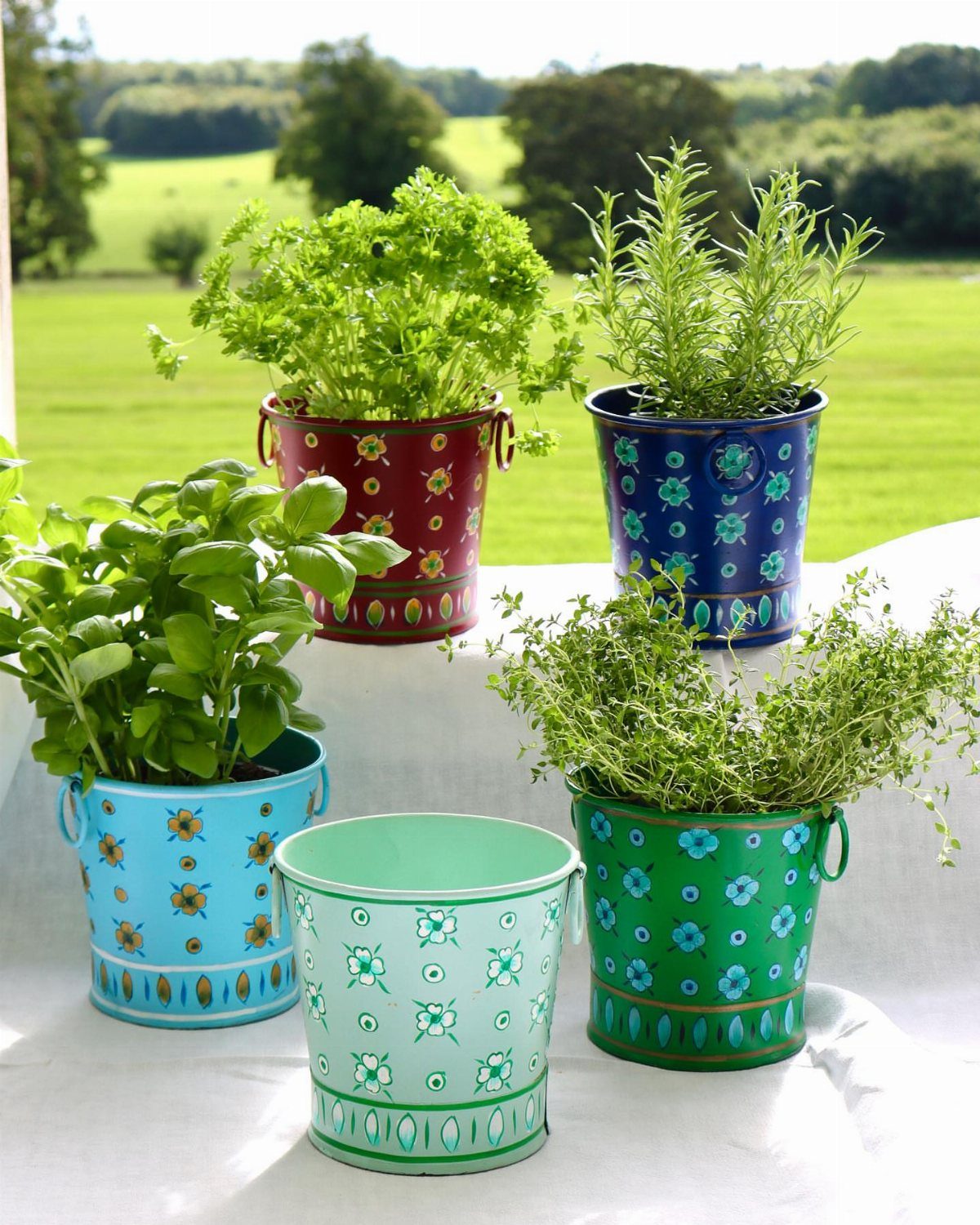
Painted metal buckets turn a cluster of herbs into a bright, portable garden for a patio or porch.
Buckets have no drainage, so punch holes in the bottom before planting. Group them in odd numbers and vary the heights if you can, since a tight cluster looks more intentional than a scattered line.
They are cheap and easy to rearrange, which I count as the real appeal. Paint them any colors you like.
Sunlight and Placement
Most herbs want at least 6 hours of direct sun a day, so pick the sunniest, most sheltered spot you have before you pick a container or a bed. Basil, rosemary and thyme are the ones that really insist on it.
Parsley, chives, cilantro and mint tolerate partial shade. Give them the dimmer corners and save the bright spot for the sun lovers.
Indoors, a full-spectrum electric light can stand in for the sun, and you control how many hours the plants get.
Closeness to the kitchen decides how much you use the garden. A pot you can reach in slippers on a rainy evening will get cut far more often than one at the far end of the yard.
Drainage, Soil, and Watering
Well-drained soil protects roots from excess moisture, which slows growth and can damage them. Whatever you plant in, make sure water has a way out.
Herbs in pots usually need water more often than herbs in the ground. Check the soil with a finger before each watering rather than following a fixed schedule.
Mint is the one to confine. Keep it in its own container unless you want it to take over the yard.
Sizing matters too: oversized pots stress young plants.
A 4.5-inch or 6.5-inch pot is the size I’d start with: roots have space to settle in, and you can still carry the pot to a sunnier spot without a struggle. Plain and functional beats decorative here.
Group herbs by what they need.
Some like slightly dry soil, others want steady moisture, and a pot or bed shared by the same type is easier to water correctly. Good airflow around the plants helps as well.
Frequently Asked Questions
What herbs thrive in full sun?
Sage, oregano and lavender join that group, and they all do their best in a spot that gets sun from morning through afternoon.
If a corner stays dim for part of the day, plant parsley, chives, cilantro or mint there, since they put up with partial shade.
What herbs can I plant together indoors?
Group herbs by what they need rather than by looks. Sage, rosemary, thyme, oregano and lavender suit each other because they like sun and dry soil, while water-loving parsley and chives belong in their own pot.
A shared pot is easier to water correctly when every plant wants the same conditions.
What is the most difficult herb to grow?
Mint is the trickiest to manage, though not because it dies. It spreads and takes over the yard, so keep it in its own container.
Can herbs survive outdoors during winter?
Some can: thyme, sage and oregano survive winter outdoors with good sunlight and drainage.
Once a hard freeze is in the forecast, I’d bring tender potted herbs inside before the first night it dips below 32°F. A sunny window, a pot with drainage holes and a light hand with the watering can give them what they got outdoors.
How long do herb plants usually live?
It depends on the type.
Basil lives out a single season and then it’s done, but perennials like thyme, sage and chives come back and keep growing for years. Regular pruning and healthy soil help any herb last longer.
Can herb gardens help reduce insects naturally?
Mint, lavender and rosemary give off strong scents that can keep some pests, like mosquitoes and flies, from hanging around, though I wouldn’t count on them to clear a patio.
Basil, thyme, chives and cilantro are also named as natural pest repellents. Planting them near patios, windows and vegetable beds is the usual way to try it.